What the Housing Means for Your Door
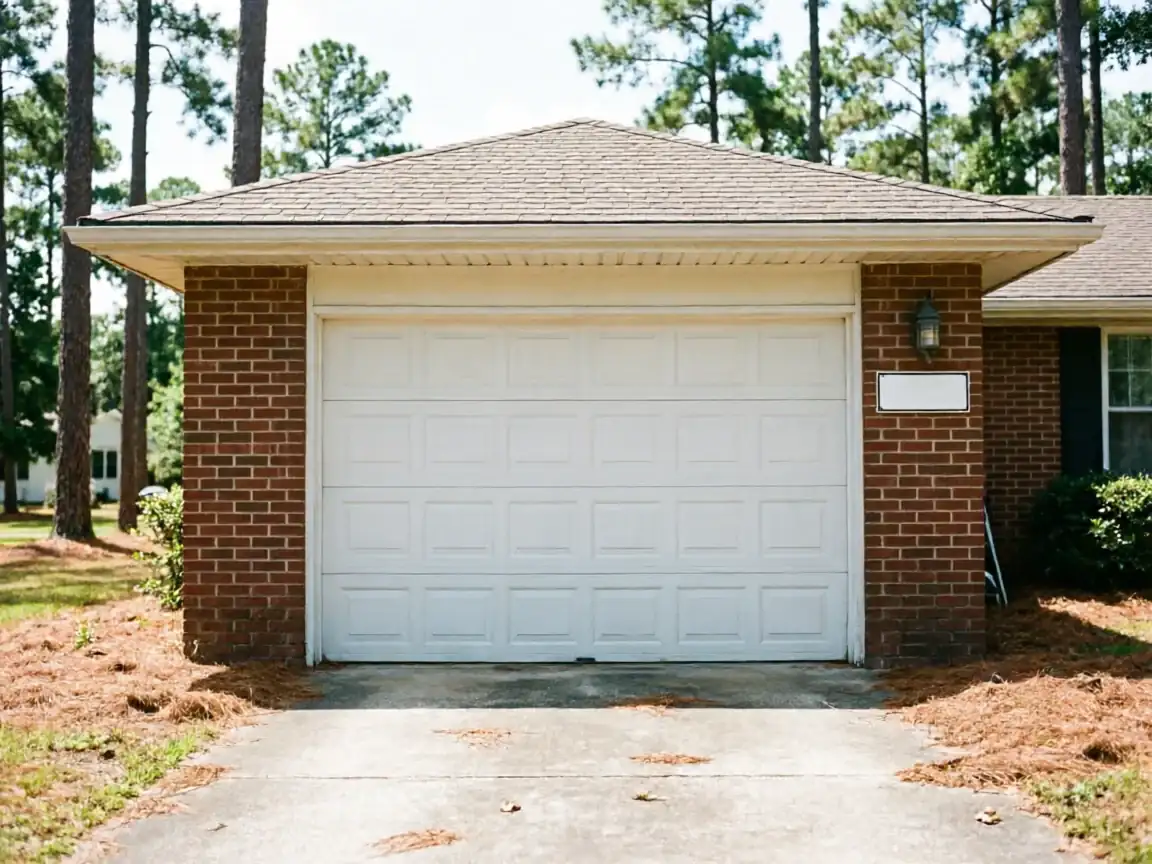
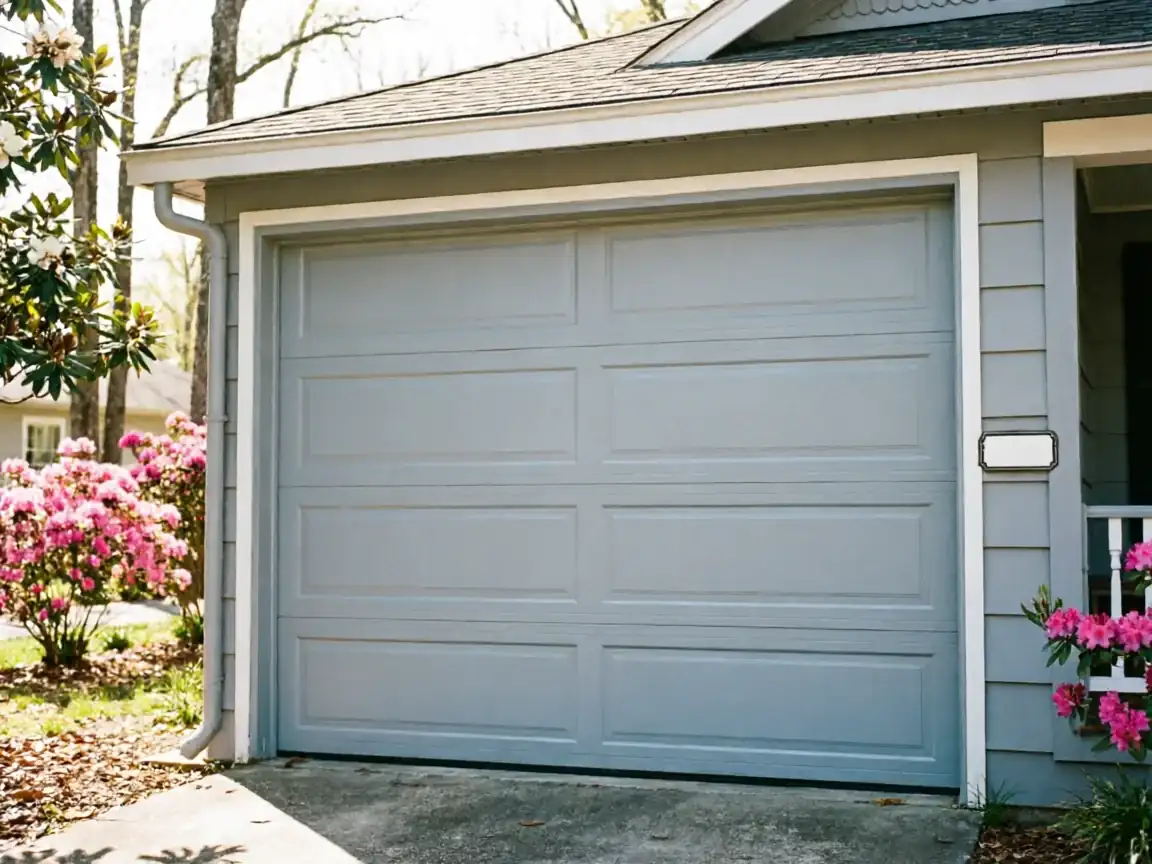
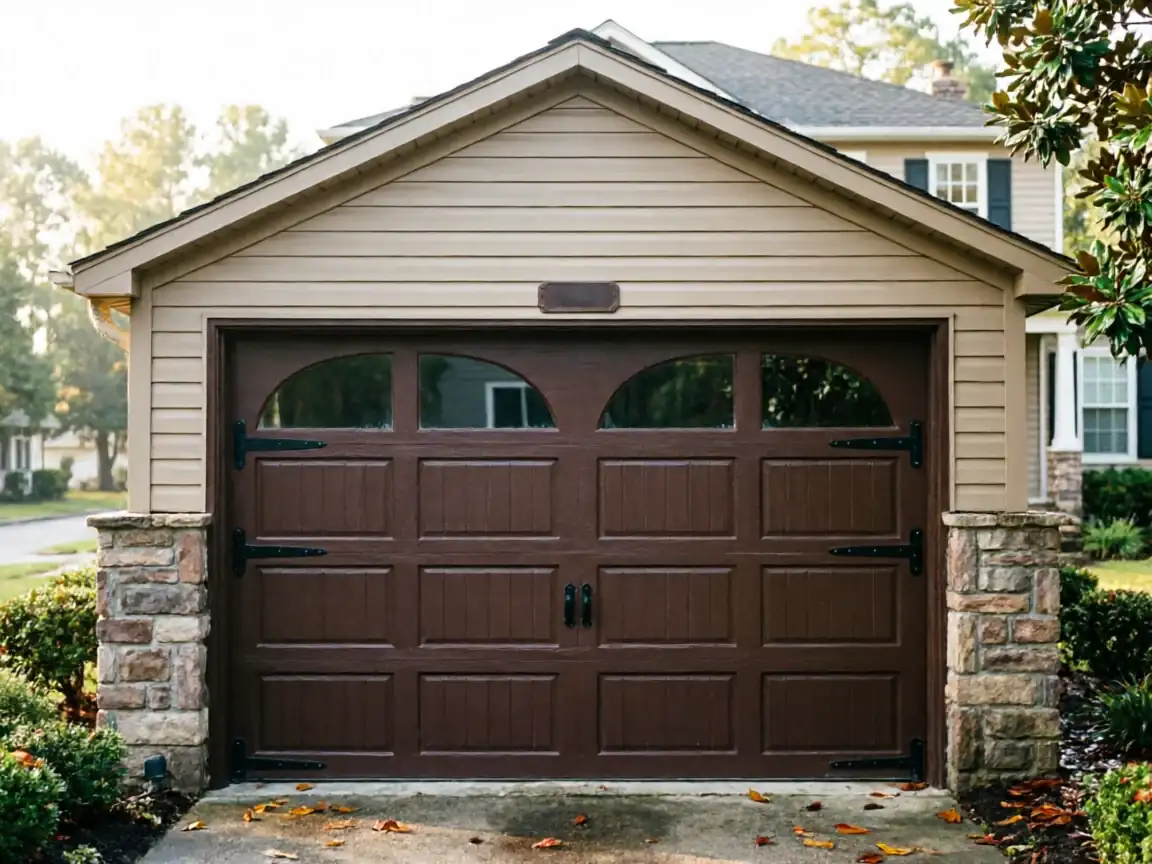
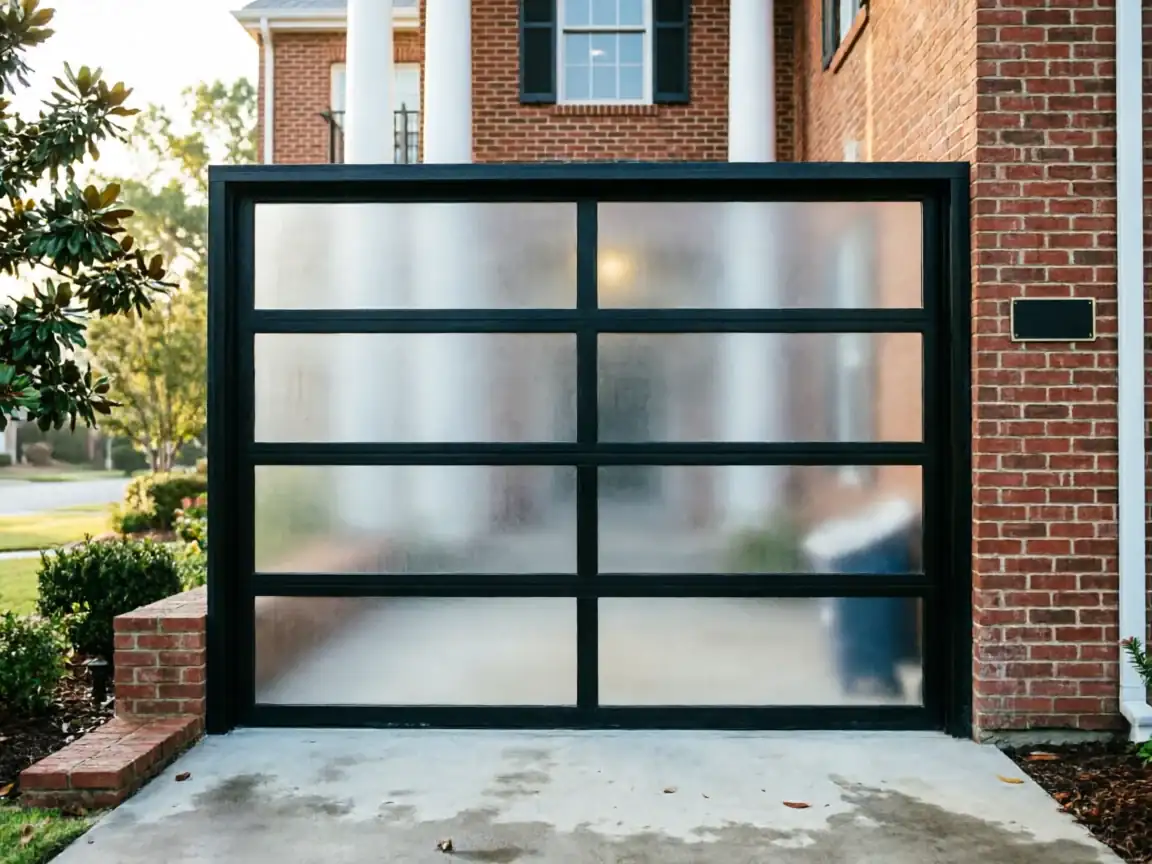
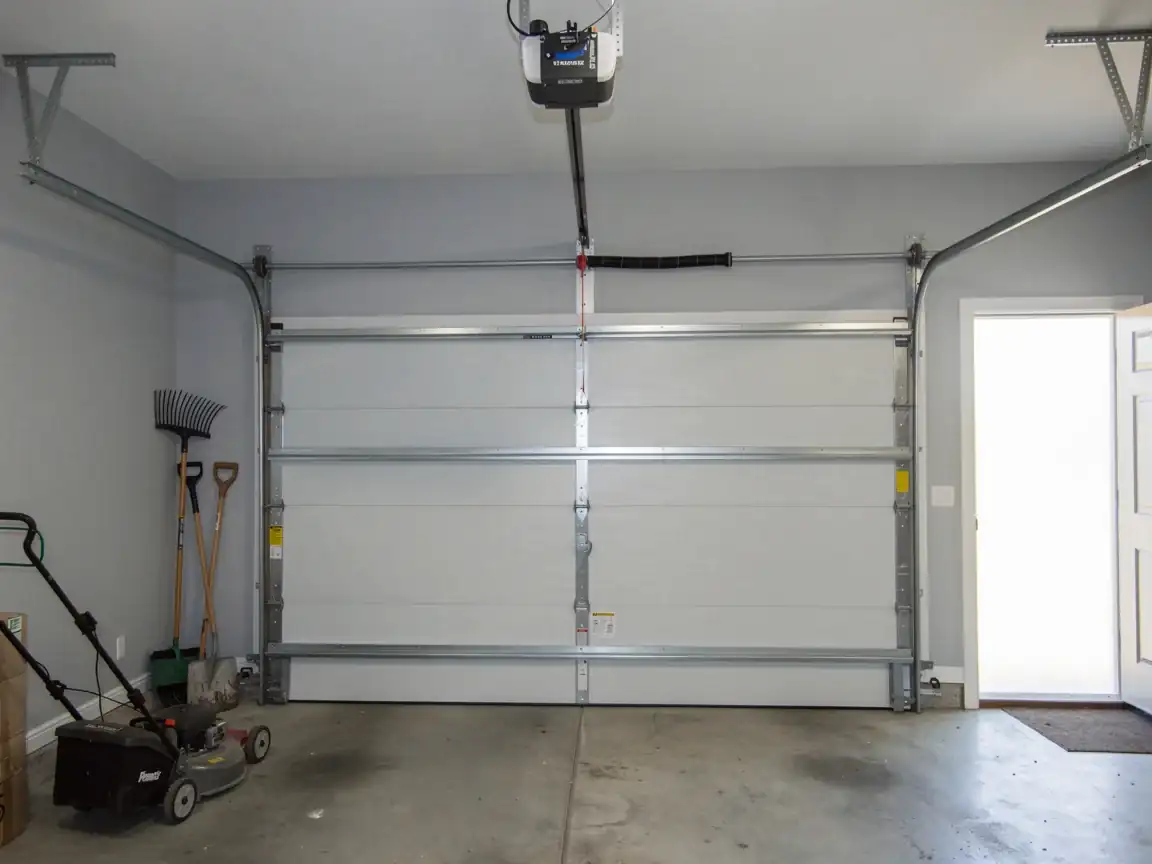
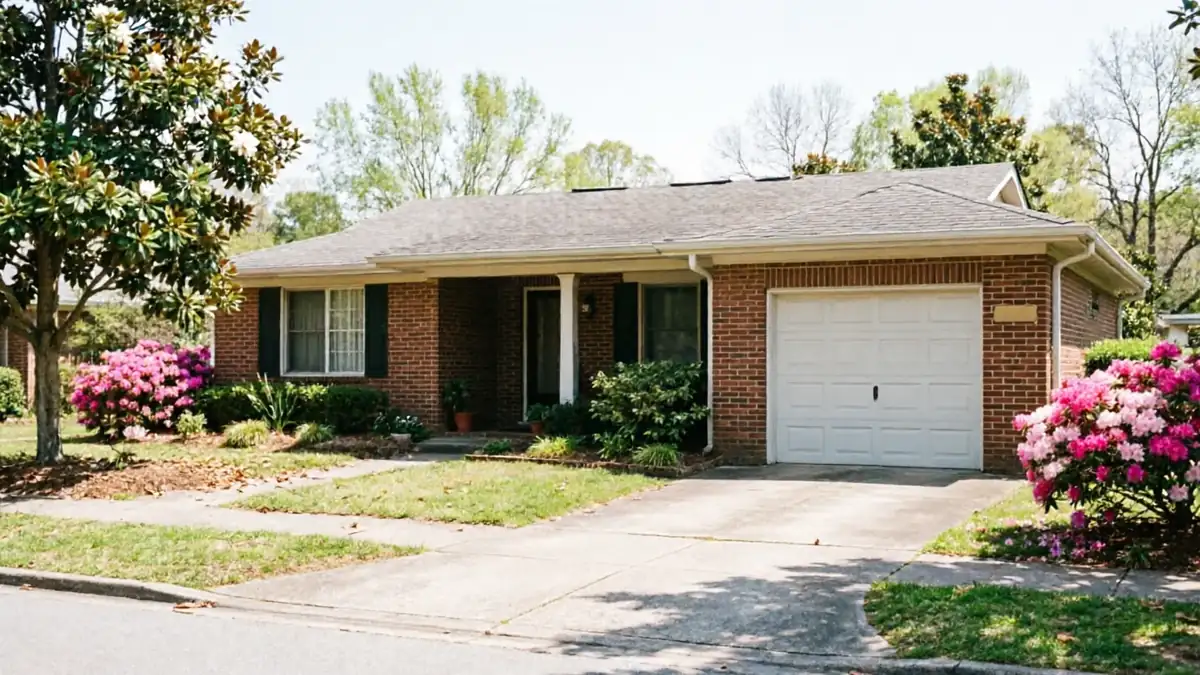
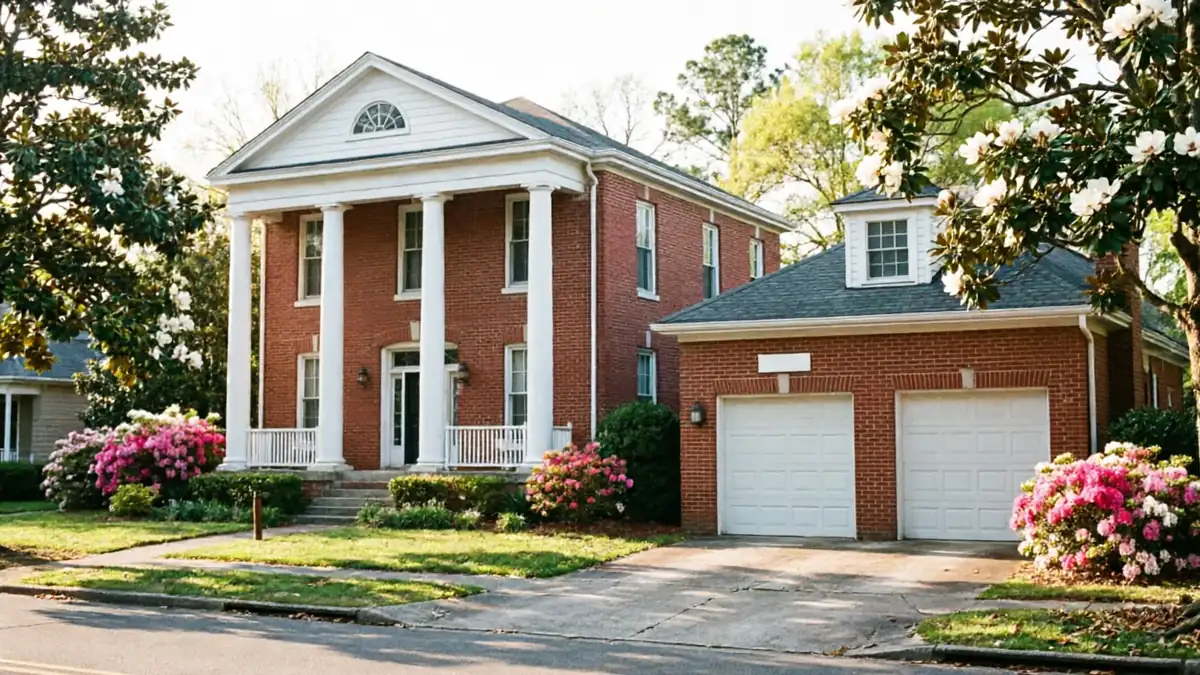
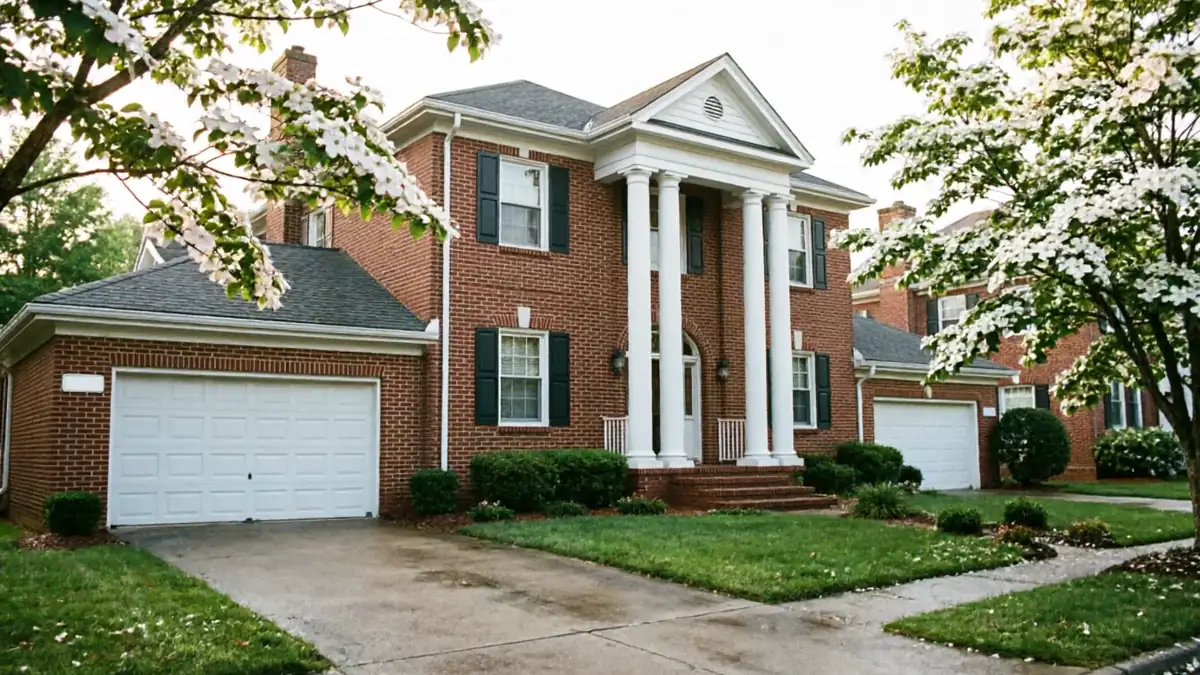
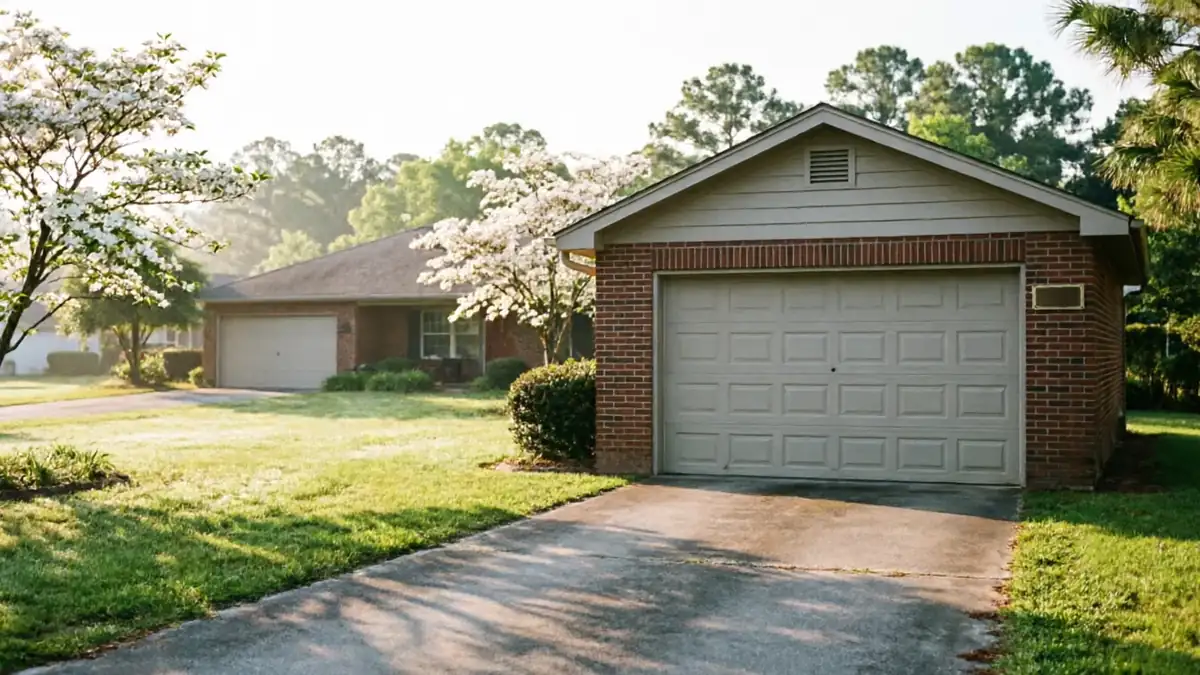
The median home in Erwin was built around 1959, noticeably older than the 1979 median across our wider coverage area. That twenty-year gap isn't trivia - it's the difference between a door and track system built for one generation of hardware and the newer torsion setups that came later. A house from 1959 was more likely to get a garage added or retrofitted over the decades, which means mismatched hardware: a newer door panel hung on an old track, or a spring sized for a lighter door than what's actually up there now. We see this kind of patchwork more in Erwin than in the newer subdivisions closer to Fuquay-Varina. When we come out, we're not just fixing the part that failed - we're checking whether the rest of the system was ever matched to begin with. Sometimes a repair that looks simple turns into a conversation about whether the track or opener bracket was even installed for the door that's on there now.
Common Jobs Here
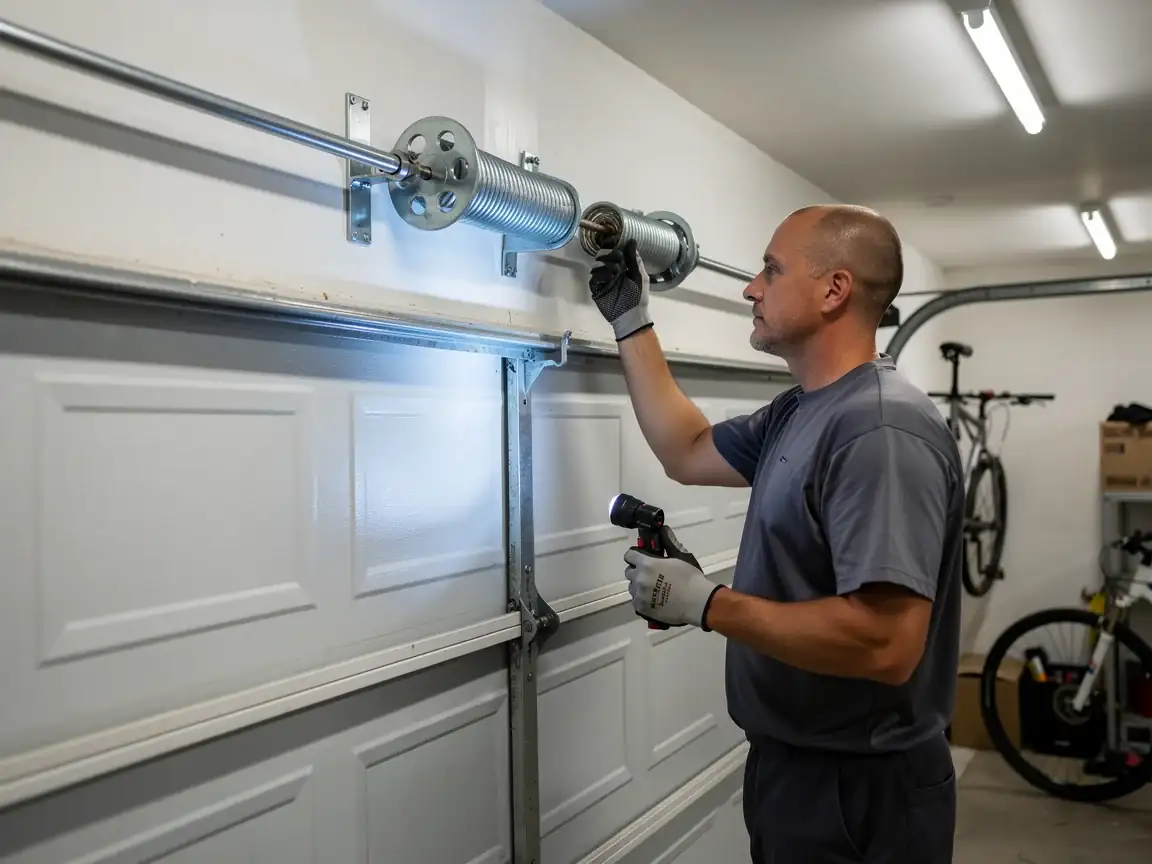
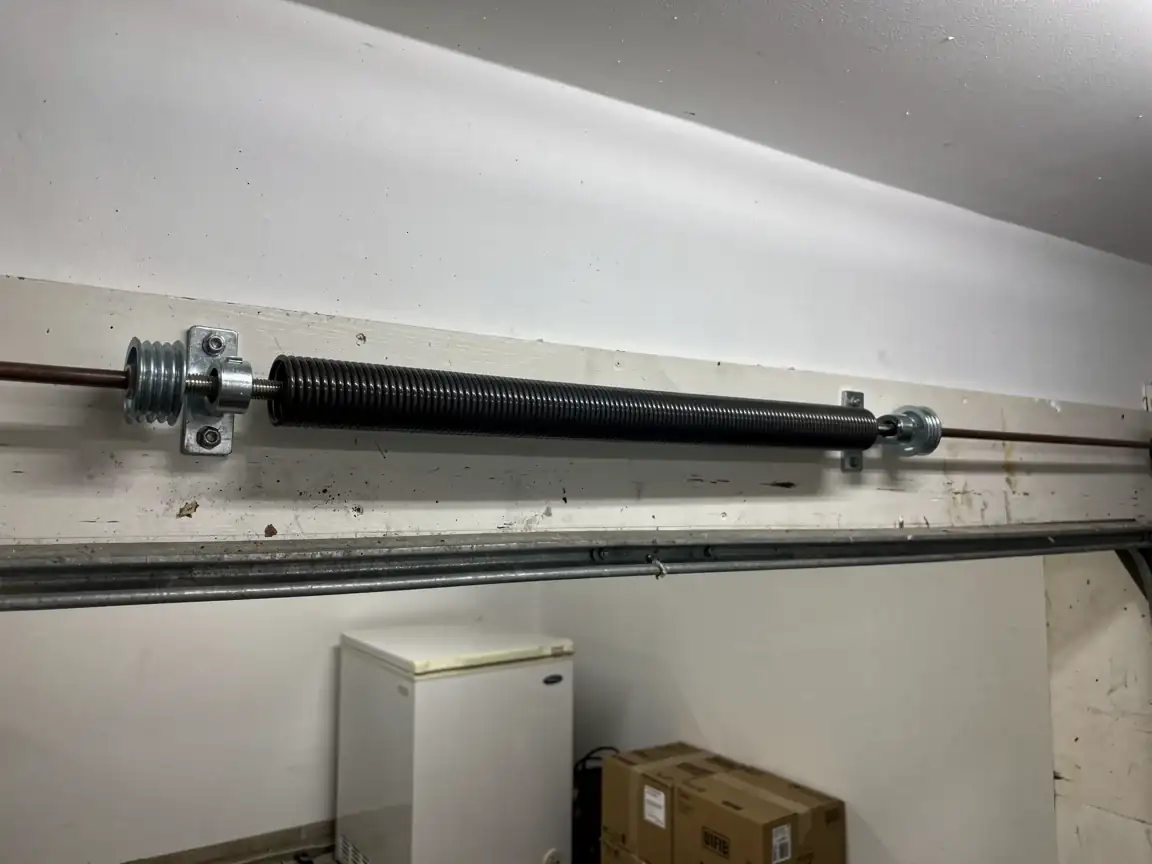
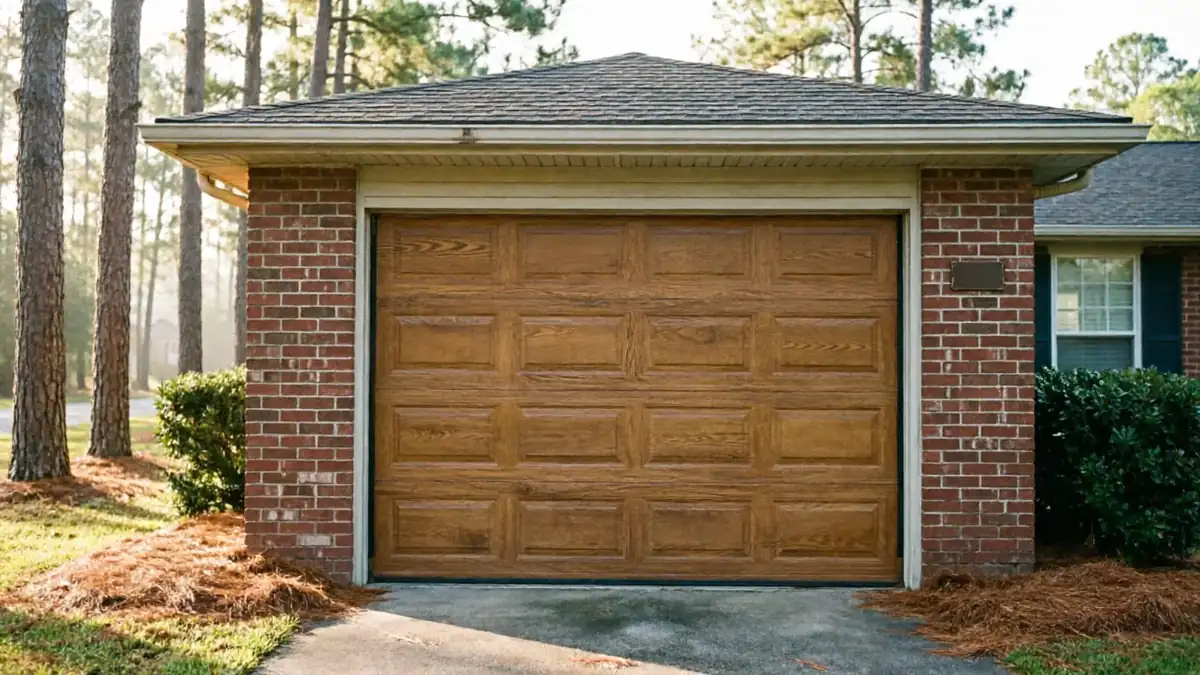
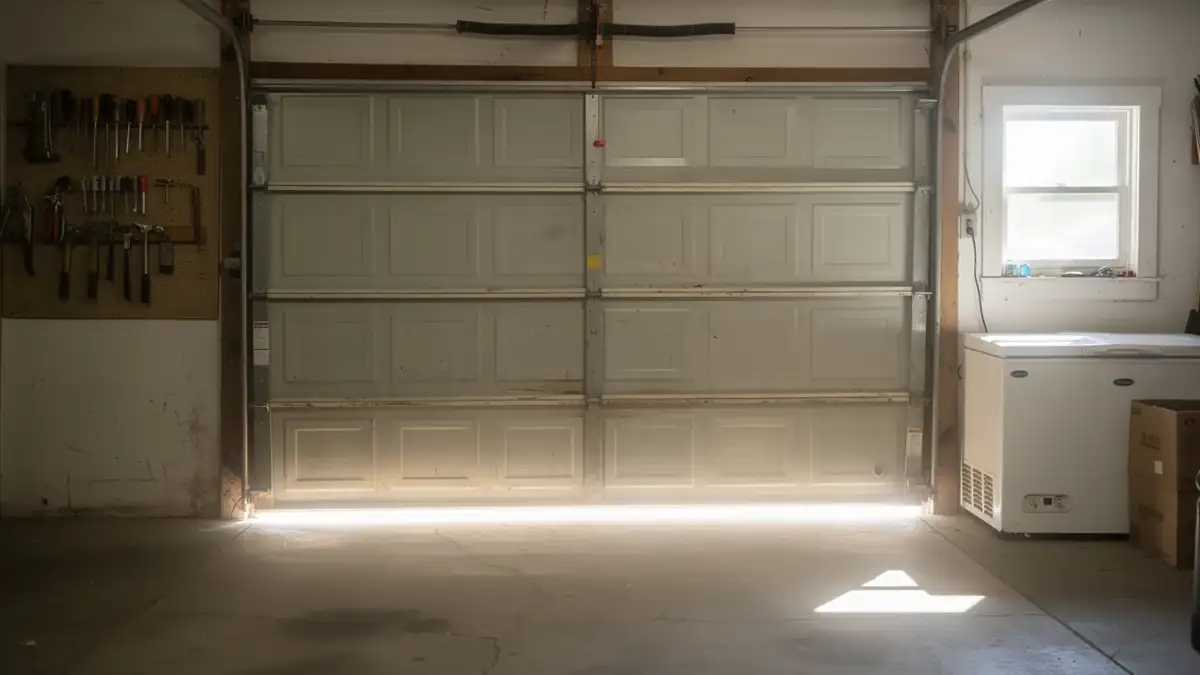
Given the age of housing in Erwin, the calls we get tend to run toward worn torsion springs that have simply outlived their cycle count, rollers that have gone from steel to the softer nylon style somewhere along the way, and openers that were swapped out once already but never had the travel limits reset properly for the door they're paired with. Cold-weather stiffening is part of it too - this area sits in a moderate cold climate band, and older lubrication or a slightly bent track shows up worse on a frosty morning than it would in July. We also get calls where a panel was replaced at some point and doesn't sit flush anymore, which throws off the balance on the whole door. These aren't exotic repairs. They're the ordinary wear you'd expect on a door system that's been in service since the Johnson or Nixon administration, patched along the way by whoever was available at the time.