How Local Conditions Play In
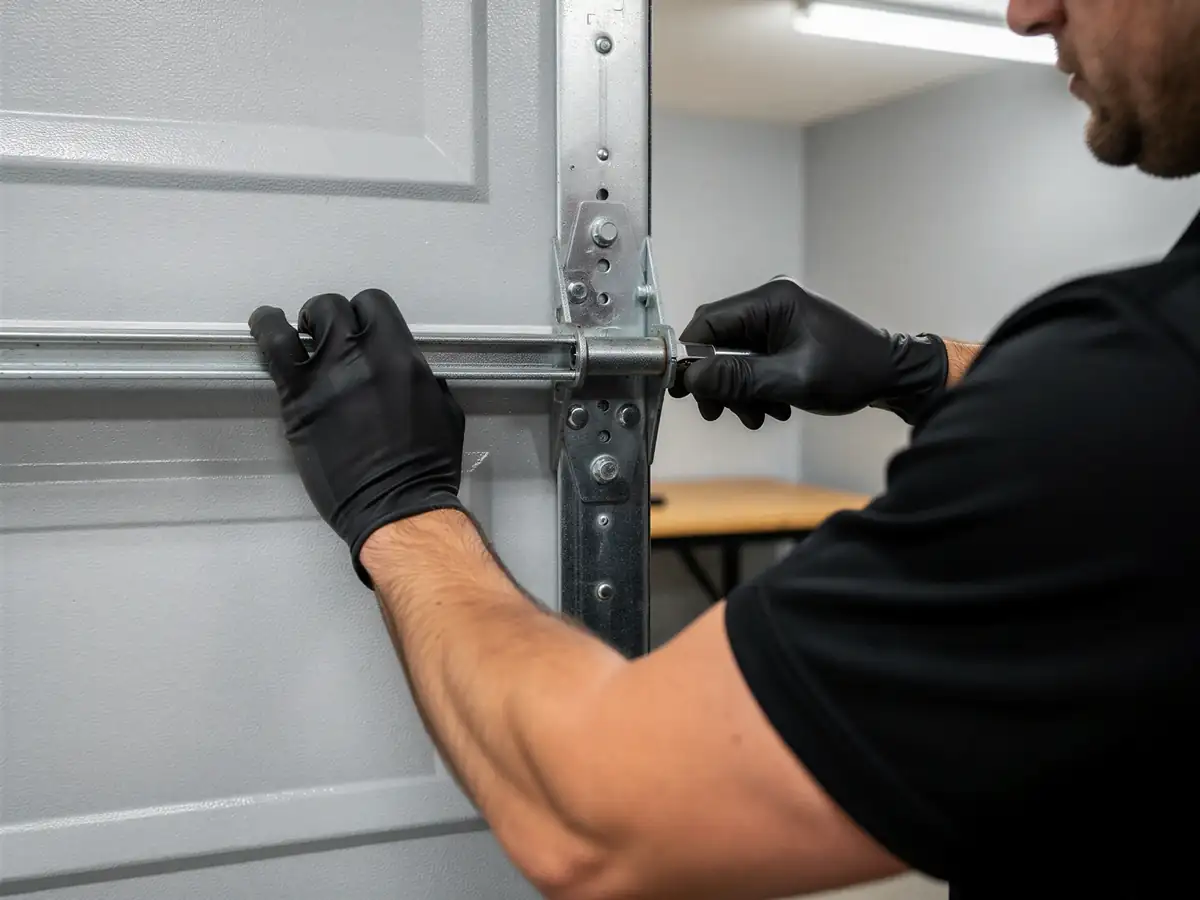
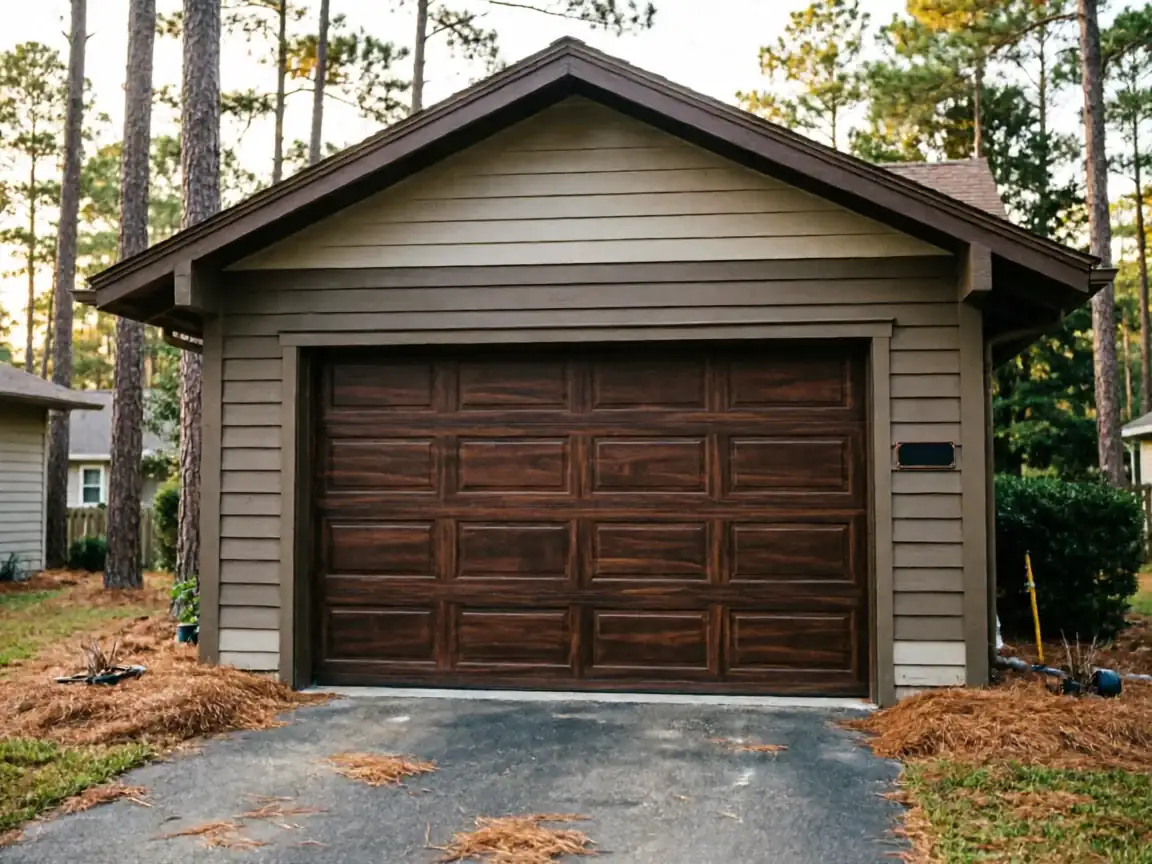
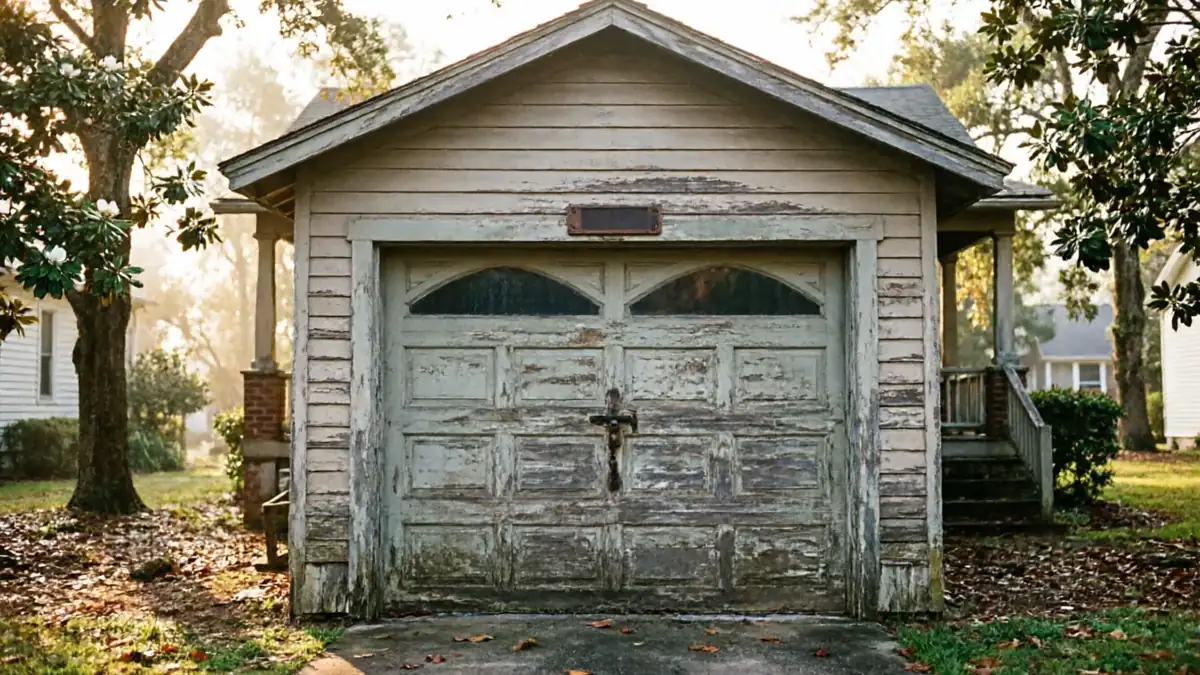
This area sits in a moderate cold climate band, not the deep freeze you'd get further north, but still enough seasonal swing to matter for a door that's been in the weather for decades. Steel panels and tracks go through real expansion and contraction across the year here, and on an older door that cycling works loose hardware that was never going to be touched again - hinges, roller brackets, track bolts. On houses built before the 1980s, insulation in garage doors usually wasn't standard, so the door has been taking that temperature swing directly for its whole life, not absorbing it through a foam core. That's one more reason a door from the early end of the 1959-2002 build range is more likely to show cracked panels or warped sections than a door installed in the last fifteen years, even if both have had the same amount of use.
Where People Go Wrong
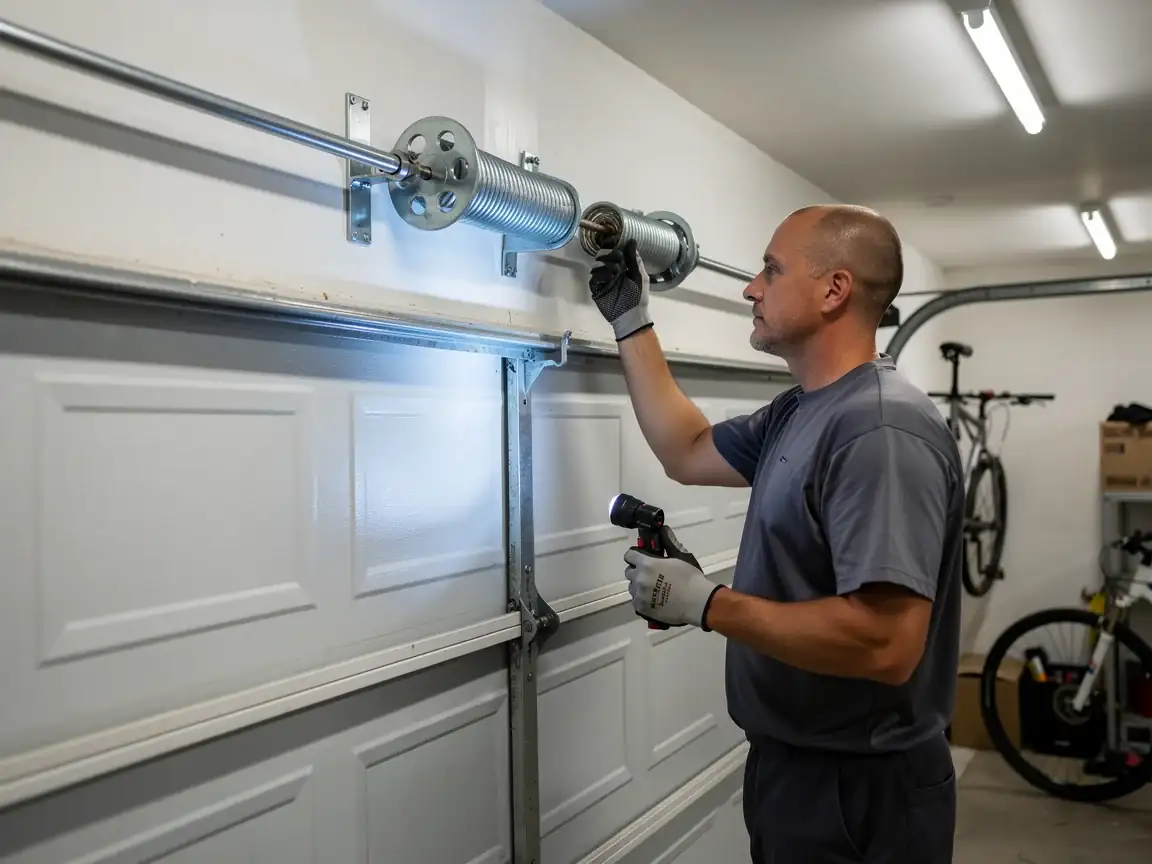
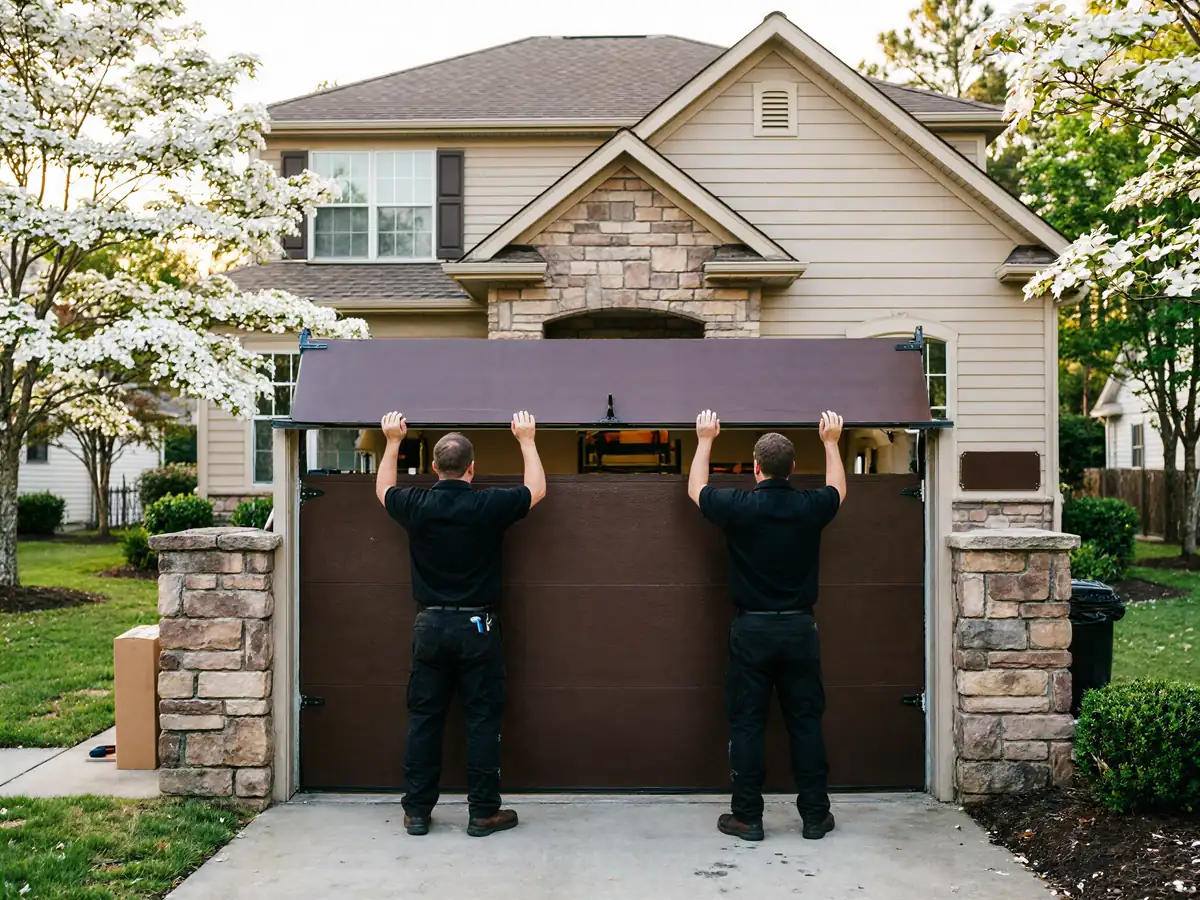
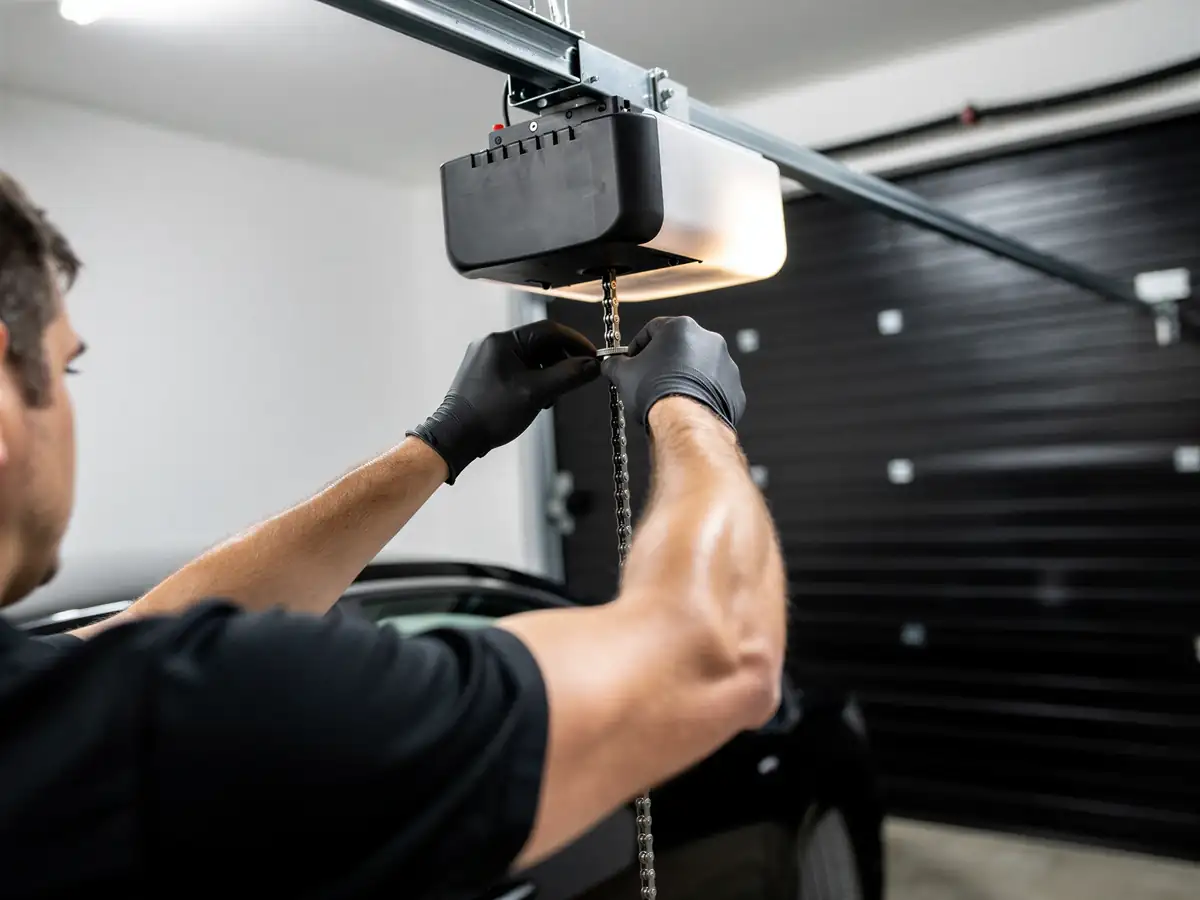
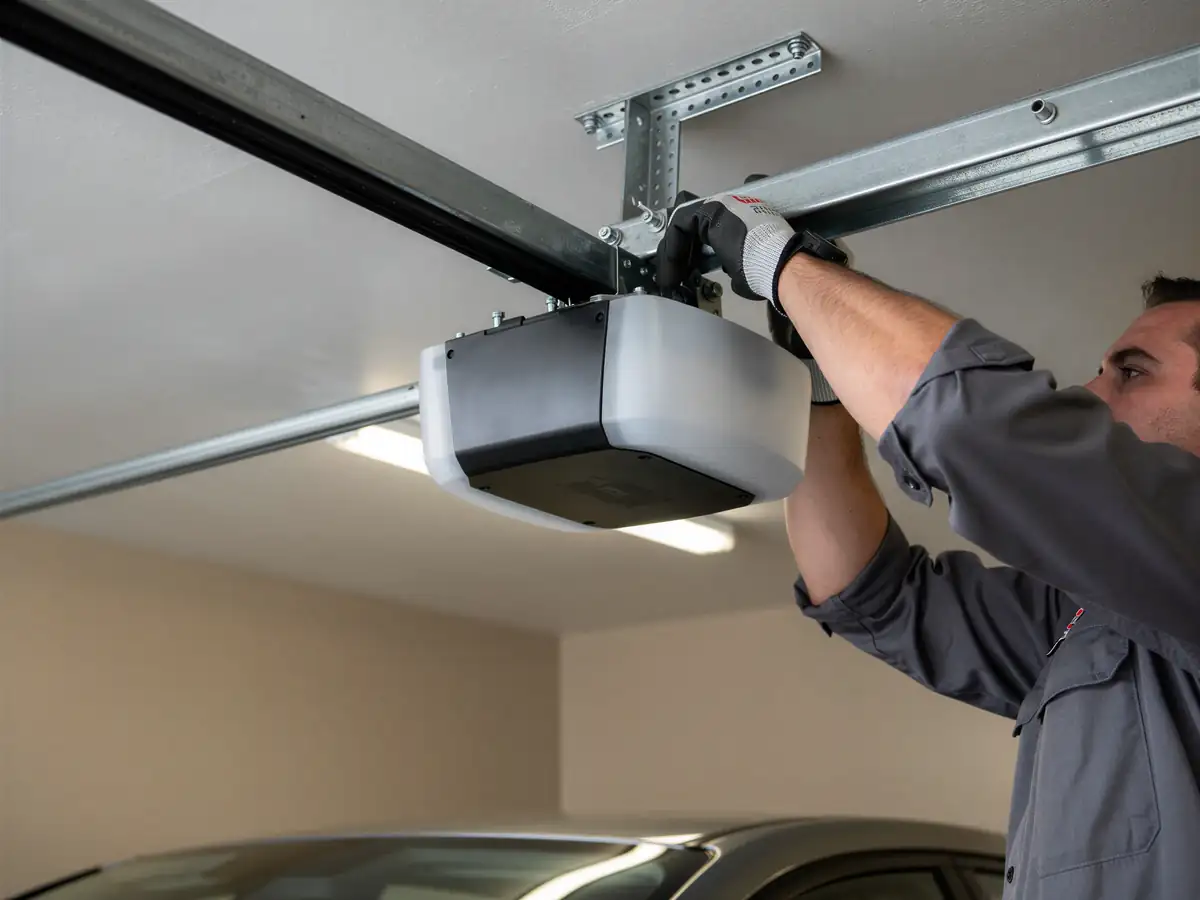
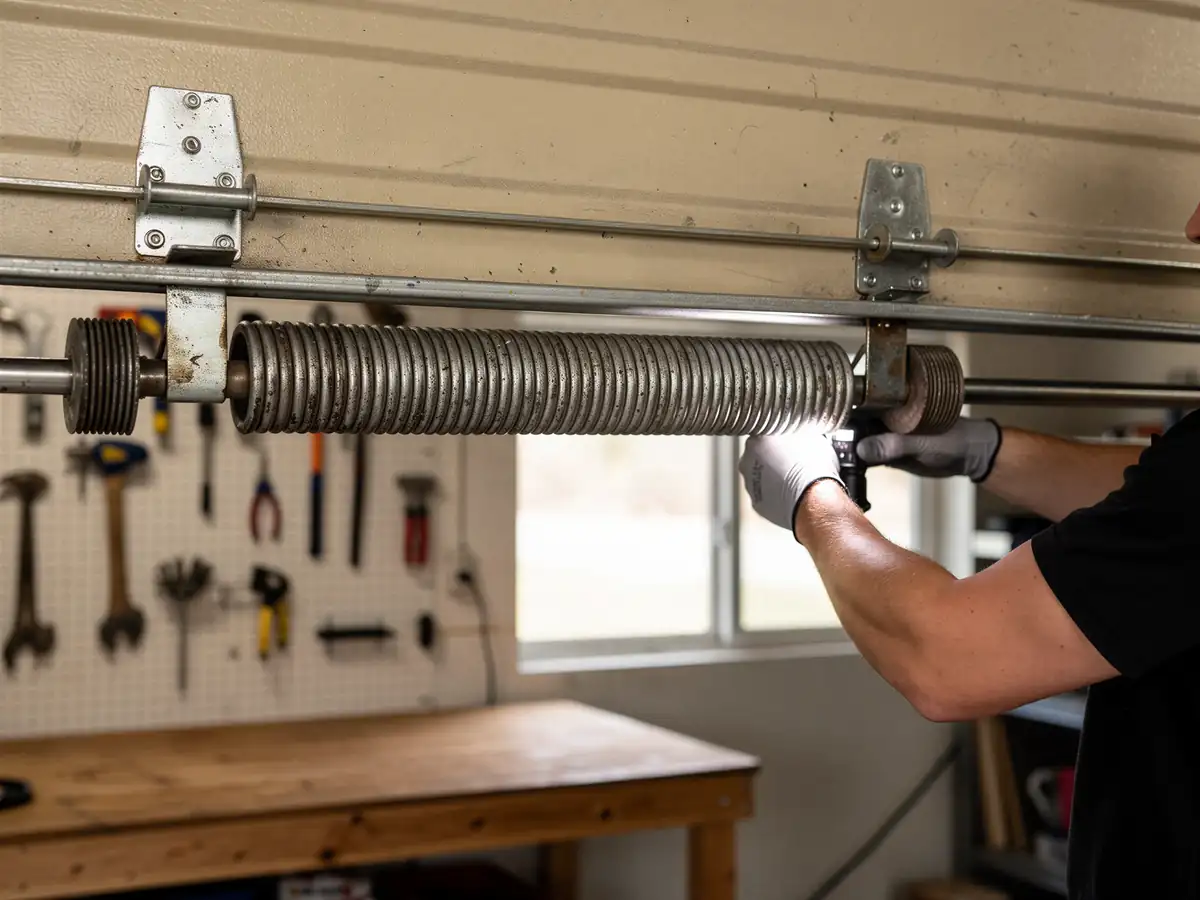
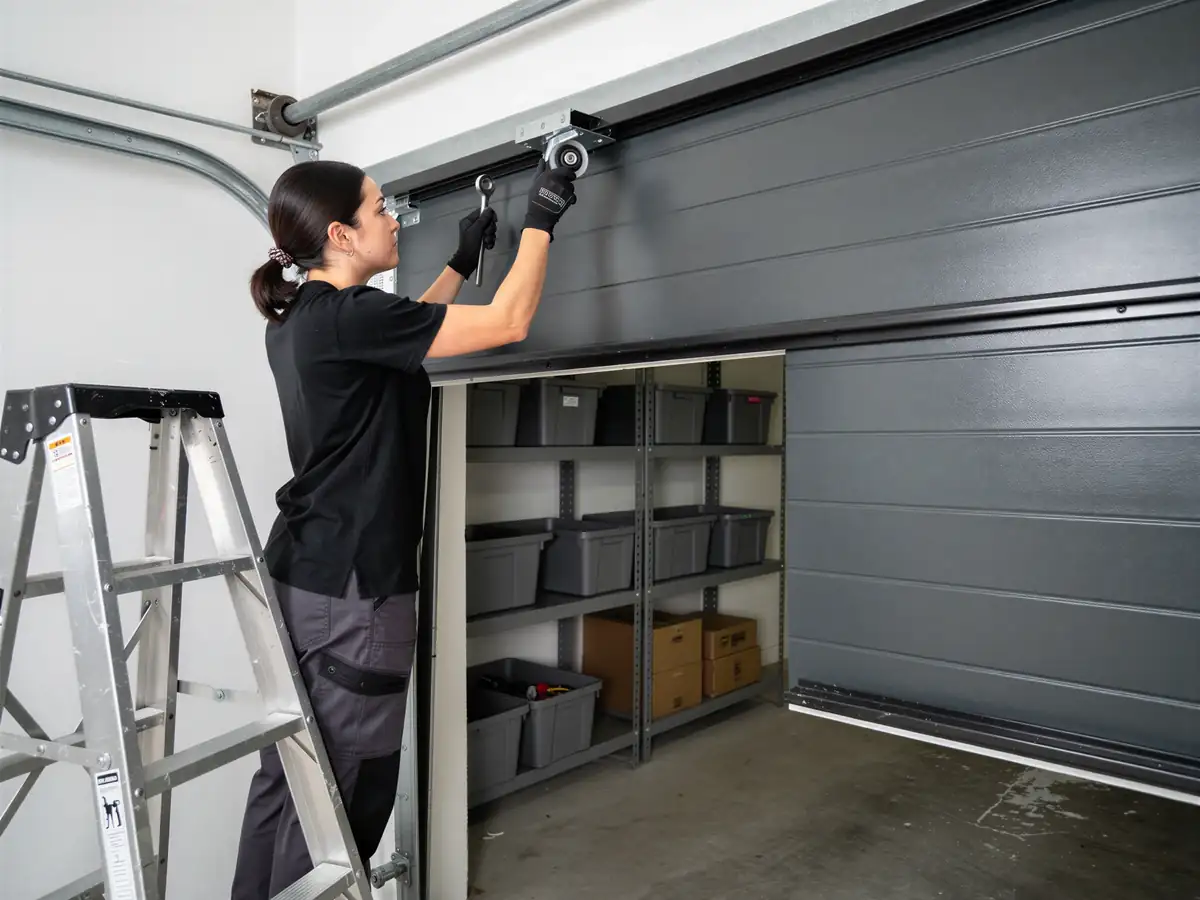
The mistake we see most is replacing the opener and calling the door fixed. An opener swap doesn't touch the springs, the track alignment, or the condition of the panels, and on a door that's been through forty-plus years of a moderate cold climate, those are usually the parts actually failing. The other mistake runs the opposite direction: treating every noise as a sign the whole door needs replacing when it's really one bad roller or a spring that's simply reached its cycle count. With nearly 4,600 owner-occupied houses in this service area and a median household income just over $52,000, most owners here are making a real budget call, not an impulse one, and that call should be based on what's actually broken, not on the door's age alone. A door from the 1970s stock can still be structurally sound. A door from the same decade with a cracked frame and rusted track is a different animal entirely.