Why It Happens Here
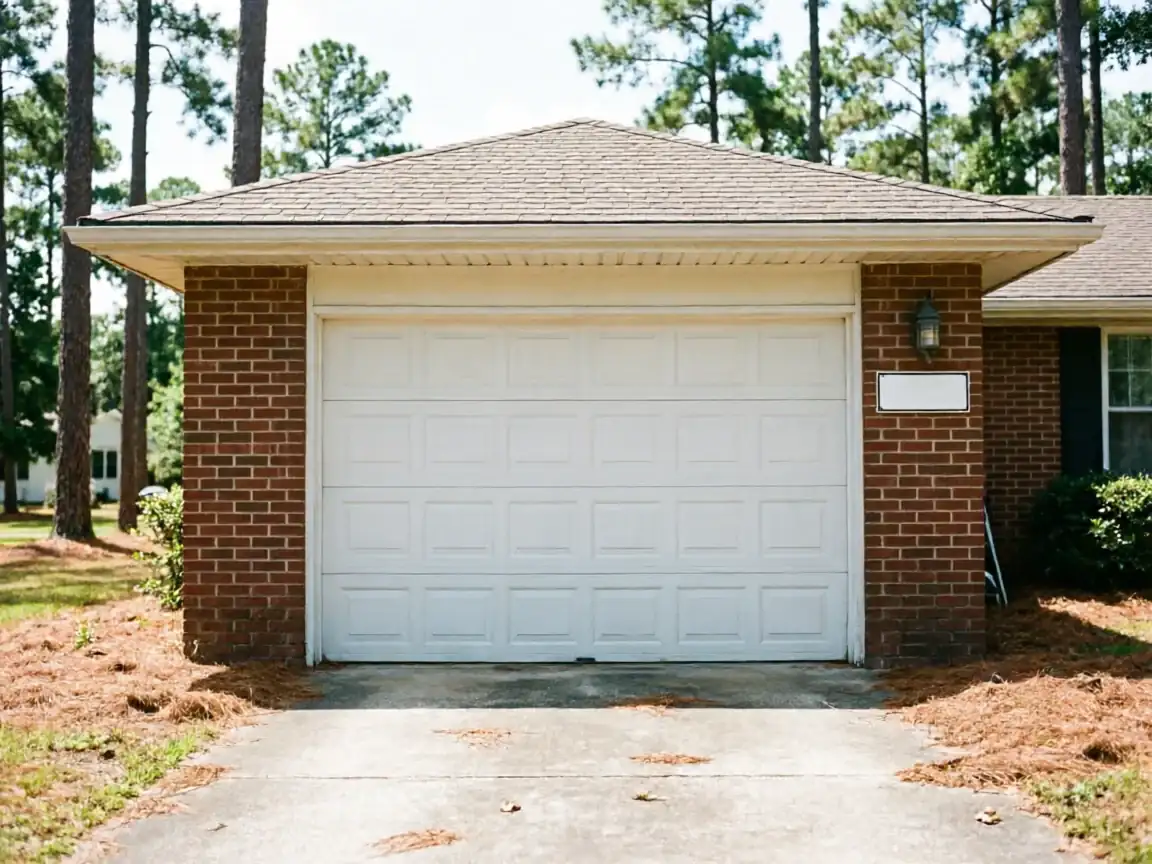
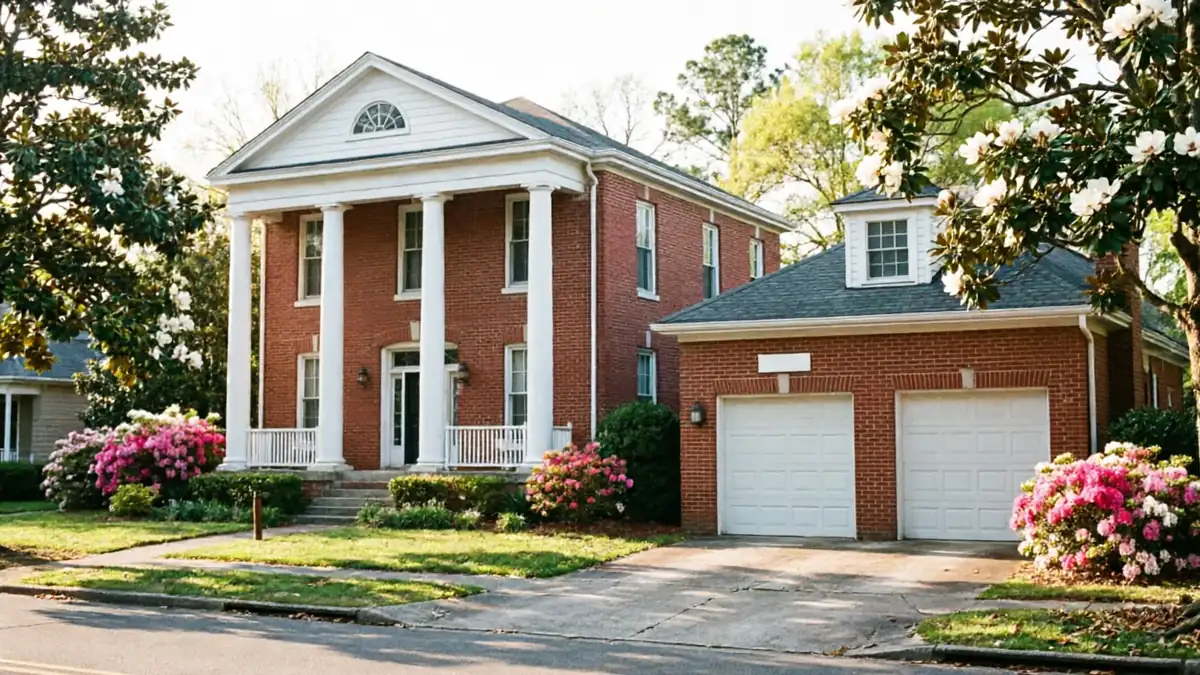
Most of the housing stock around Fuquay-Varina went up between 1959 and 2002
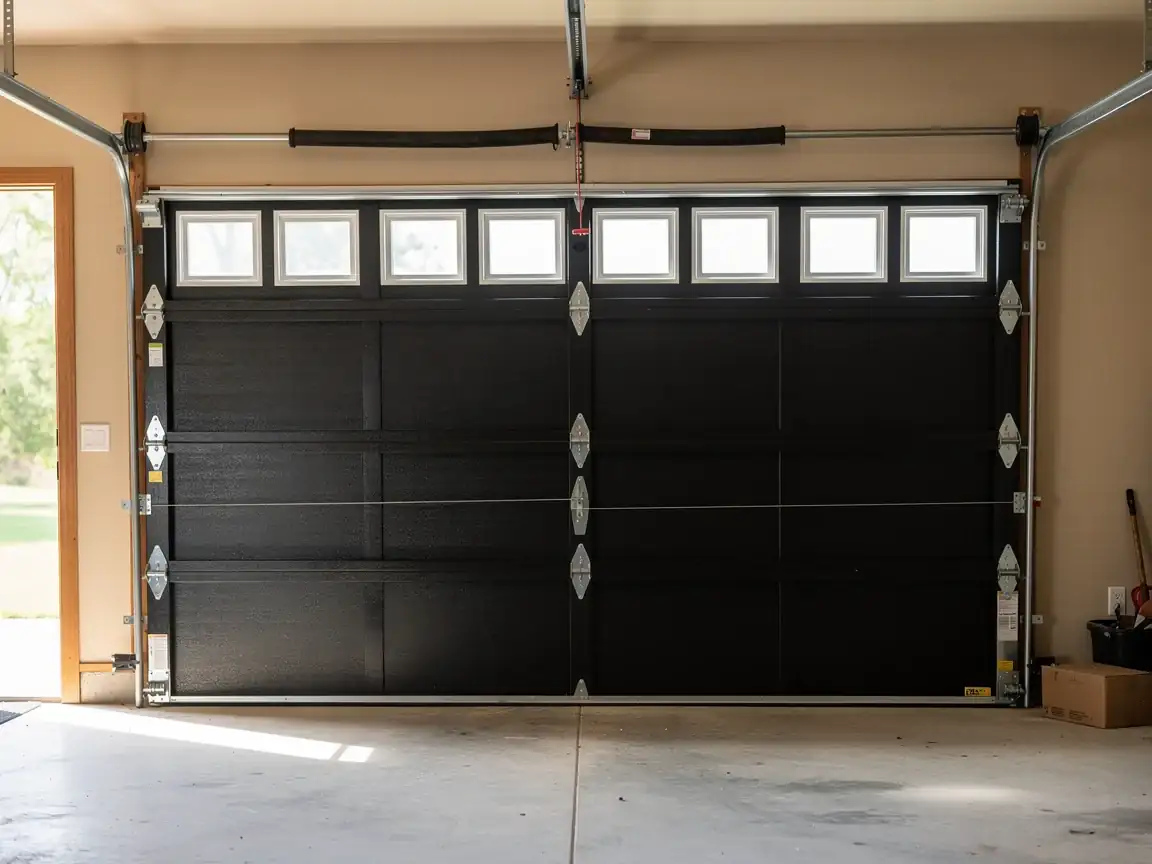
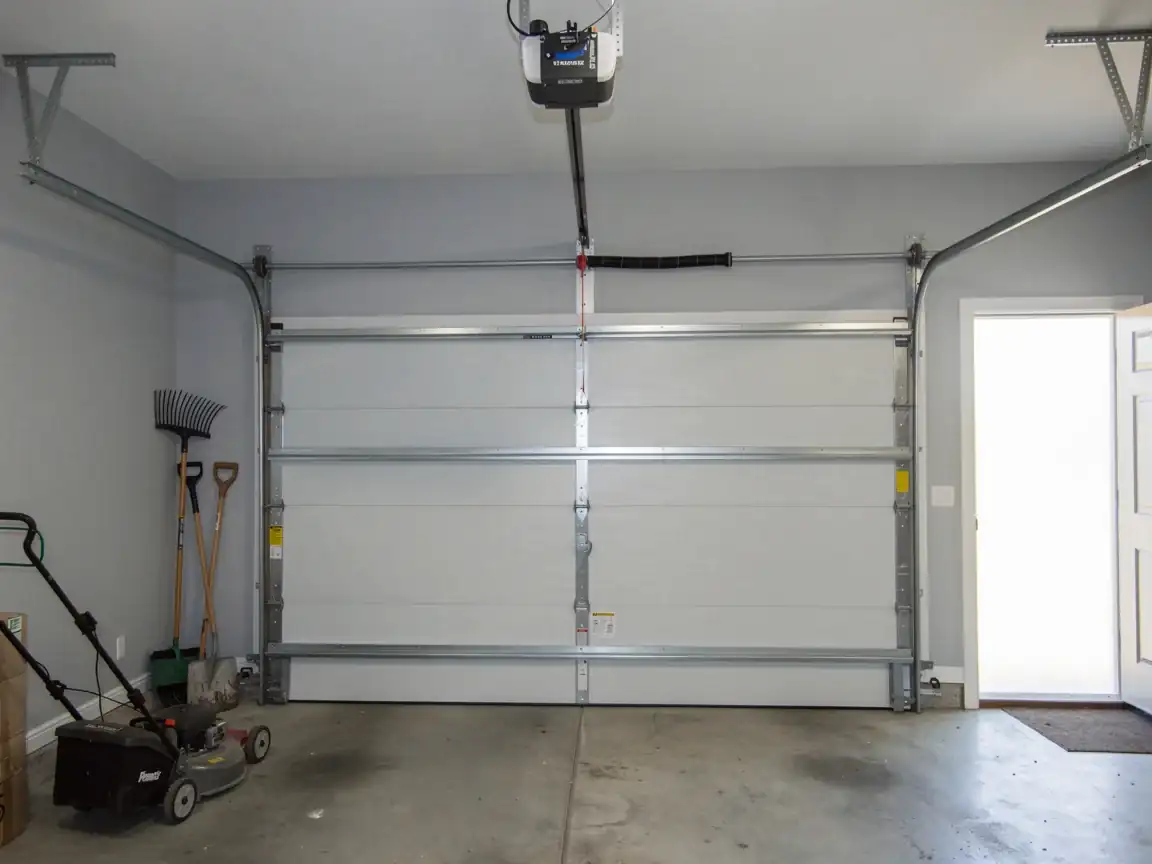
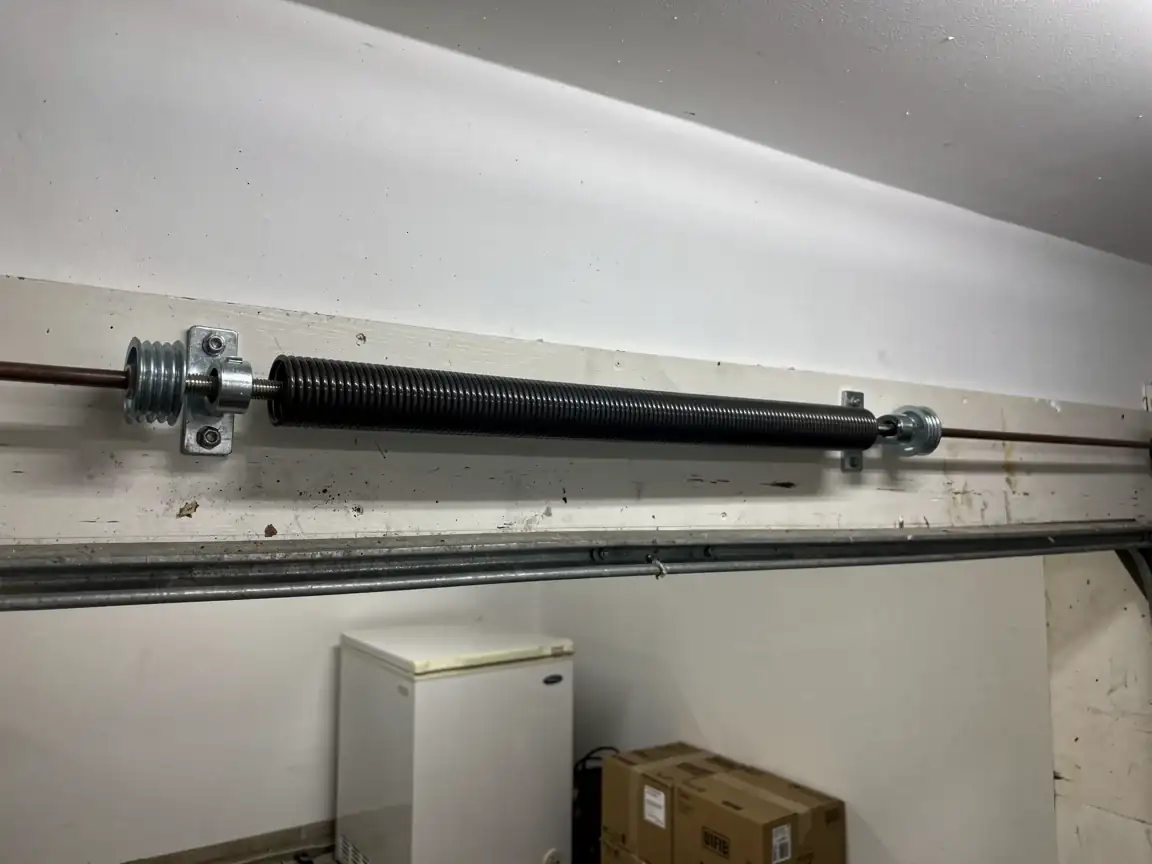
With the bulk of it dating to the 1960s and 70s across the area's seven named neighborhoods. That matters for garage doors because a torsion spring, a set of rollers, and an opener gear train all have a working life measured in cycles, not years, and houses built in the same decade tend to need the same repairs in the same decade. A spring rated for 10,000 cycles installed in 1972 has had fifty years to get there regardless of how well it was maintained.
The cold-moderate climate here adds a second stress
Grease inside an opener gearbox or along a torsion bar thickens when temperatures drop overnight and the door sits unused for hours, then has to move cold metal against cold metal on the first lift of the morning. That's a harder start than the same door gets in a climate that doesn't swing. Over years, that repeated cold-start load is part of why cables fray and springs lose tension unevenly rather than all at once. We see this pattern most in the original one-piece and sectional doors still running factory hardware from construction, not in doors that have already had a spring or opener swap.
None of this means a door built in 1979 is broken
It means it's due, and the signs show up gradually before they show up as a door that won't open at all.
What You Are Seeing
The early signs are small and easy to write off. A door that used to glide now hesitates partway up, or it drops the last six inches instead of settling. The opener runs longer than it used to, or it reverses for no reason you can see. One side of the door looks slightly lower than the other when it's down, which usually means the two springs or the two cables are no longer carrying equal load - common on a door old enough to have had one spring replaced at some point and not the other.
You might also notice the door is louder than it was, a grinding or popping sound as it travels, which often points to a roller or a bent track rather than the spring itself. None of these on their own mean the door is about to fail, but together on a door from the 1960s-70s building wave, they're the pattern of hardware reaching the end of its cycle life rather than a one-off glitch. A door that's been fine for decades and suddenly shows two or three of these signs in the same month is telling you something specific, not something random.
The DIY Question
Some of this is fair to handle yourself. Lubricating rollers and hinges, tightening visible bolts, clearing the photo-eye sensors, and testing the auto-reverse by hand are all reasonable homeowner jobs and won't void anything.
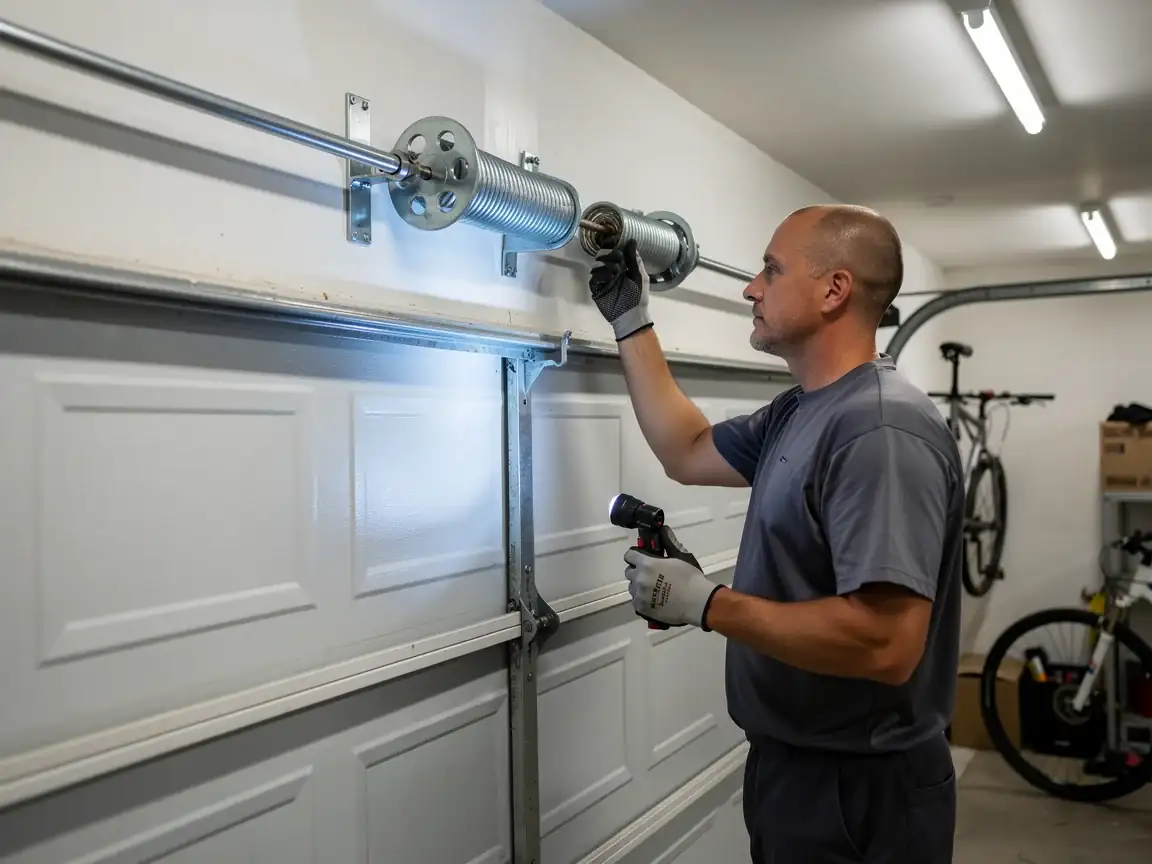
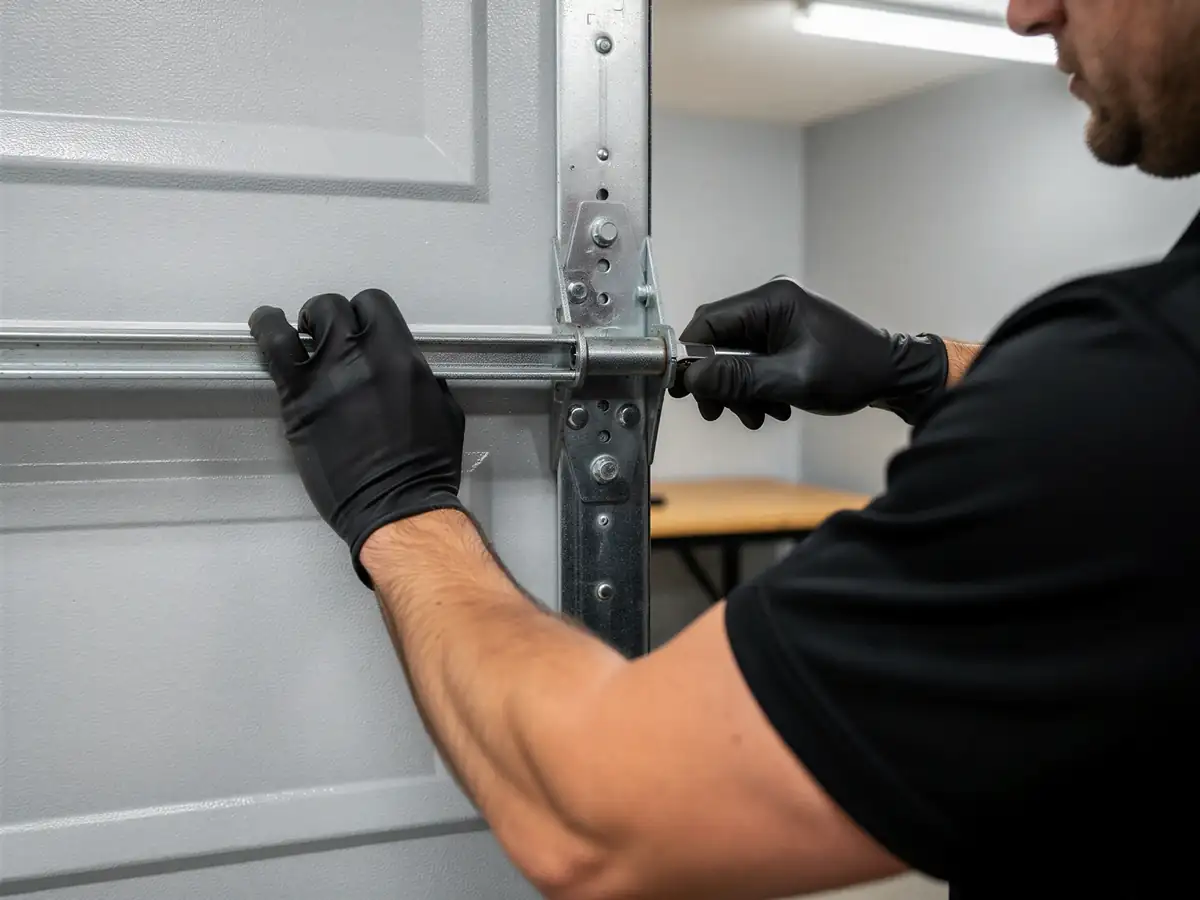
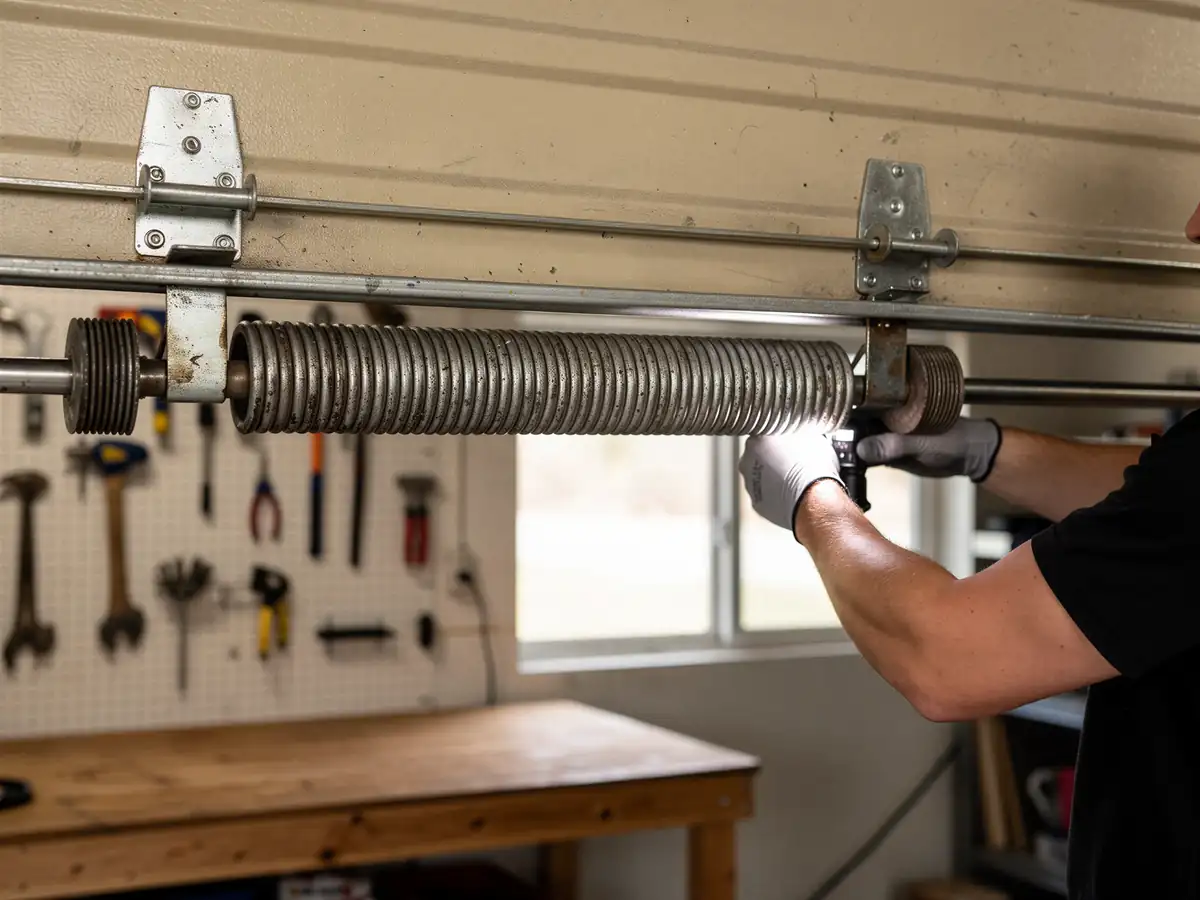
A torsion spring is not. It's under enough tension to cause a serious injury if it lets go while you're working on it, and on an older door you often can't tell how much life is left in it just by looking. Cable replacement carries the same risk for the same reason - the cable is holding back spring tension, not just door weight.
The honest limit here: if your door is original to a house built in the 1960s or 70s and you're looking at a spring, cable, or anything that requires releasing tension to get the door off its track, that's not a DIY job regardless of how handy you are. We'd rather tell you that upfront than have you call us after.
What the Fix Involves
A service call starts with figuring out which part of the system is actually failing
Since a sagging door can be a spring problem, a cable problem, or a track out of alignment, and they don't all get fixed the same way. On older doors we check both springs even if only one looks obviously worn, because mismatched spring age is a common cause of the uneven-lift symptom.
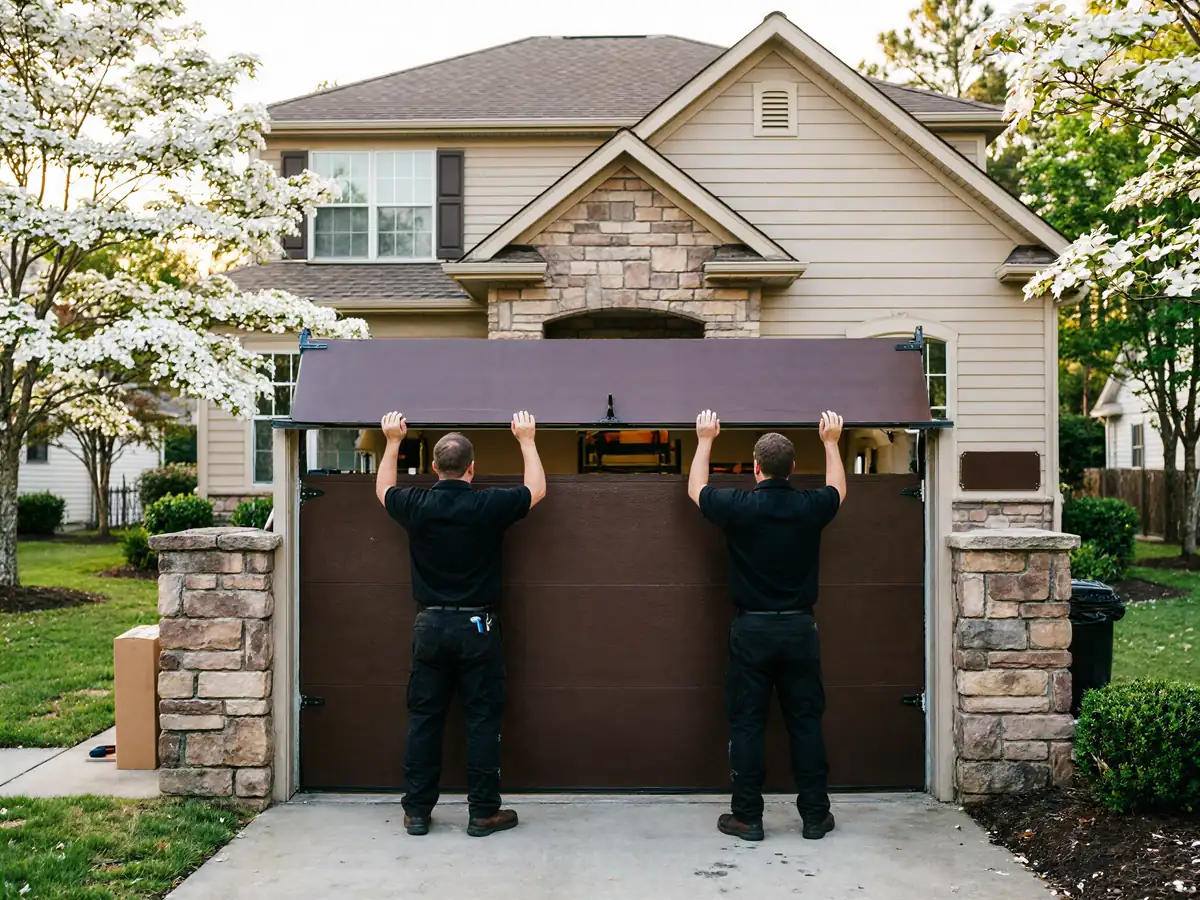
Most spring and cable jobs are done the same visit once we've confirmed the part
Opener issues take longer to diagnose if the problem is intermittent, since it may take watching the unit run a few cycles to catch what's actually happening. If a door's track is bent rather than just out of adjustment, that's a track replacement, not a tune-up, and we'll tell you which one you're looking at before we start any work rather than after.