The DIY Question
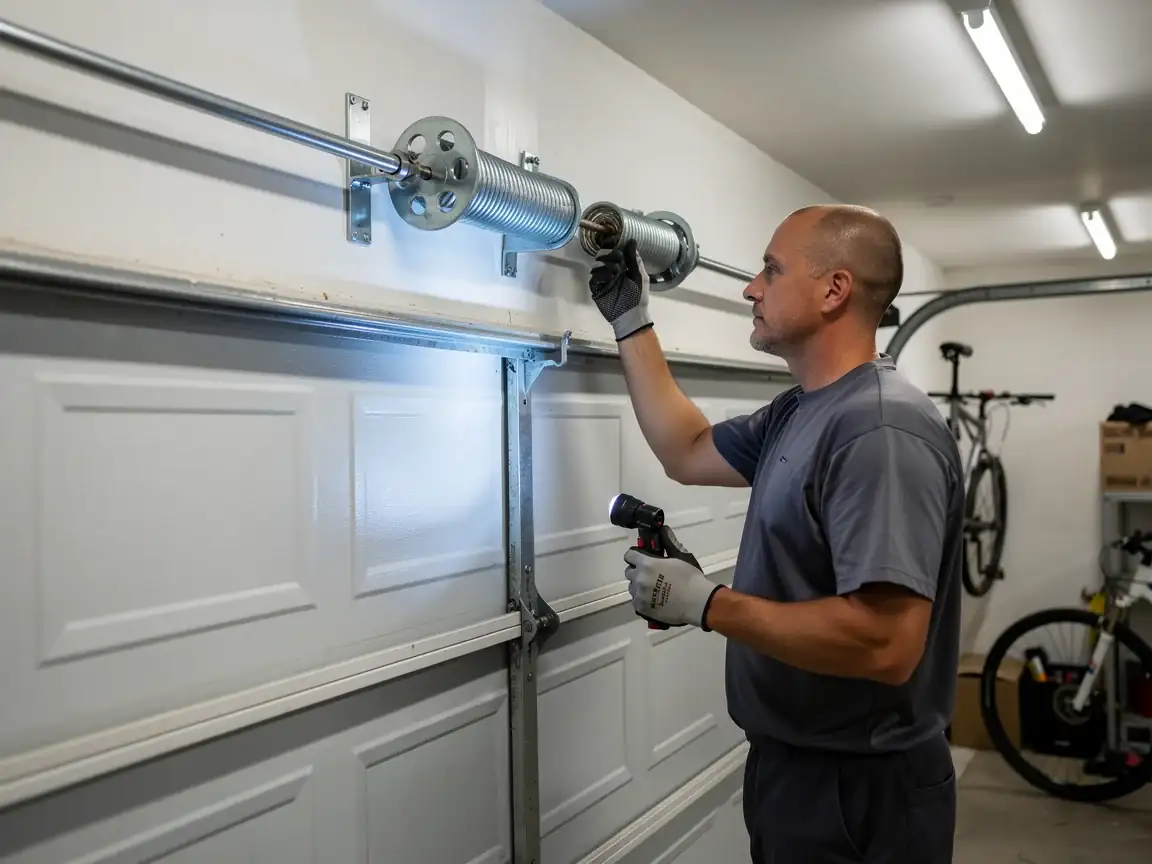
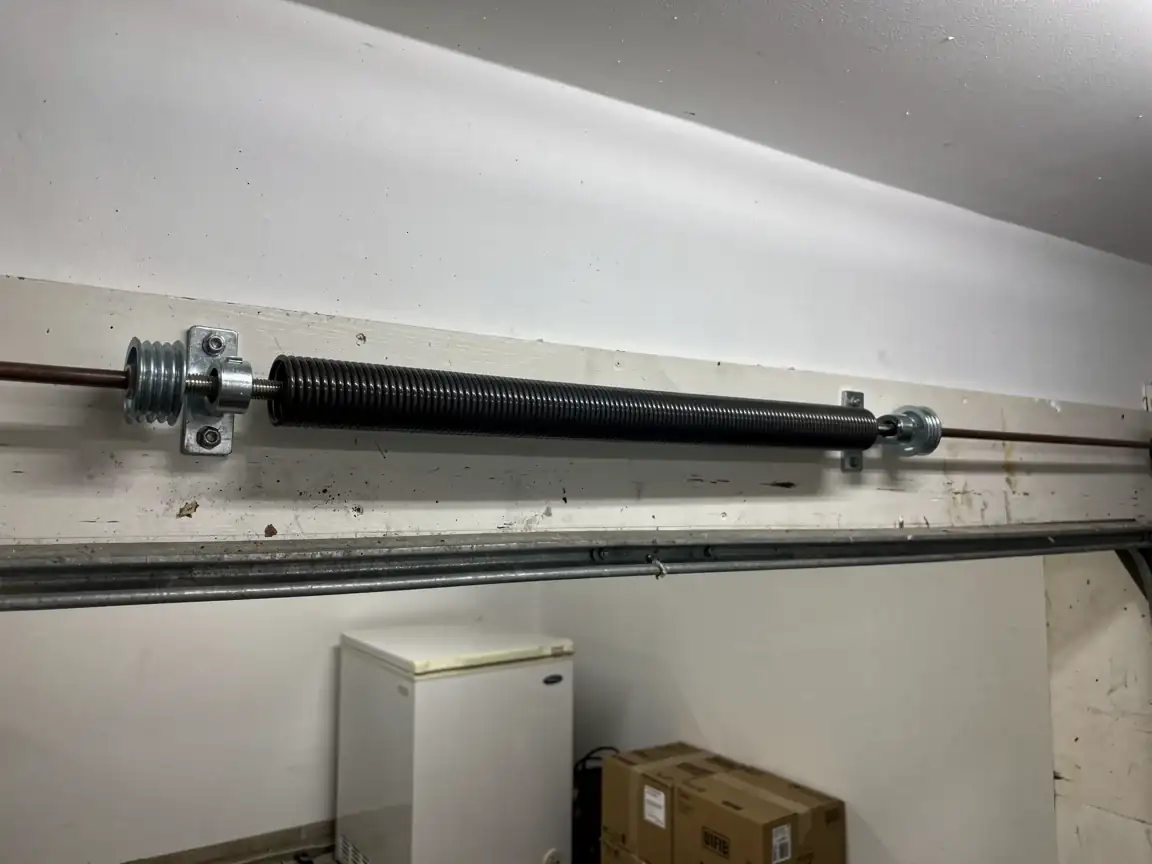
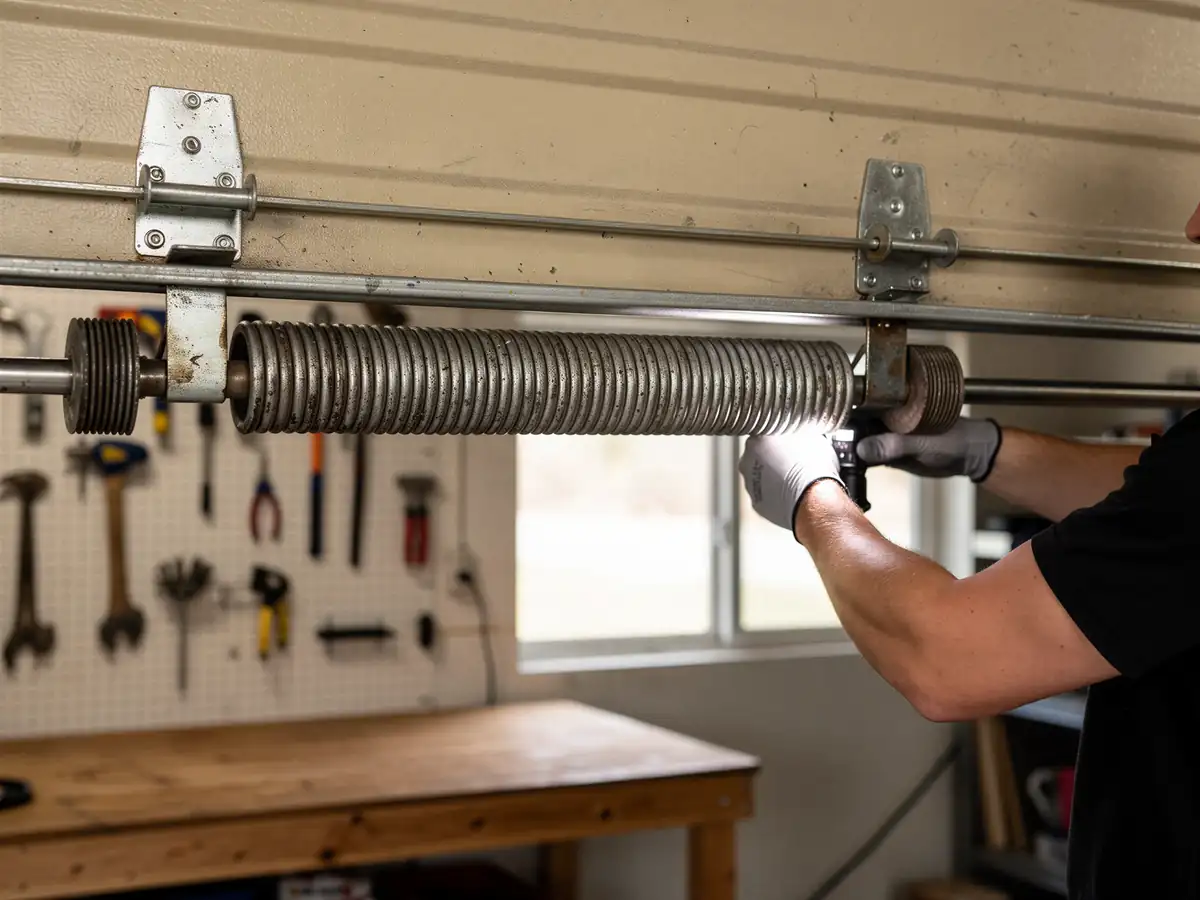
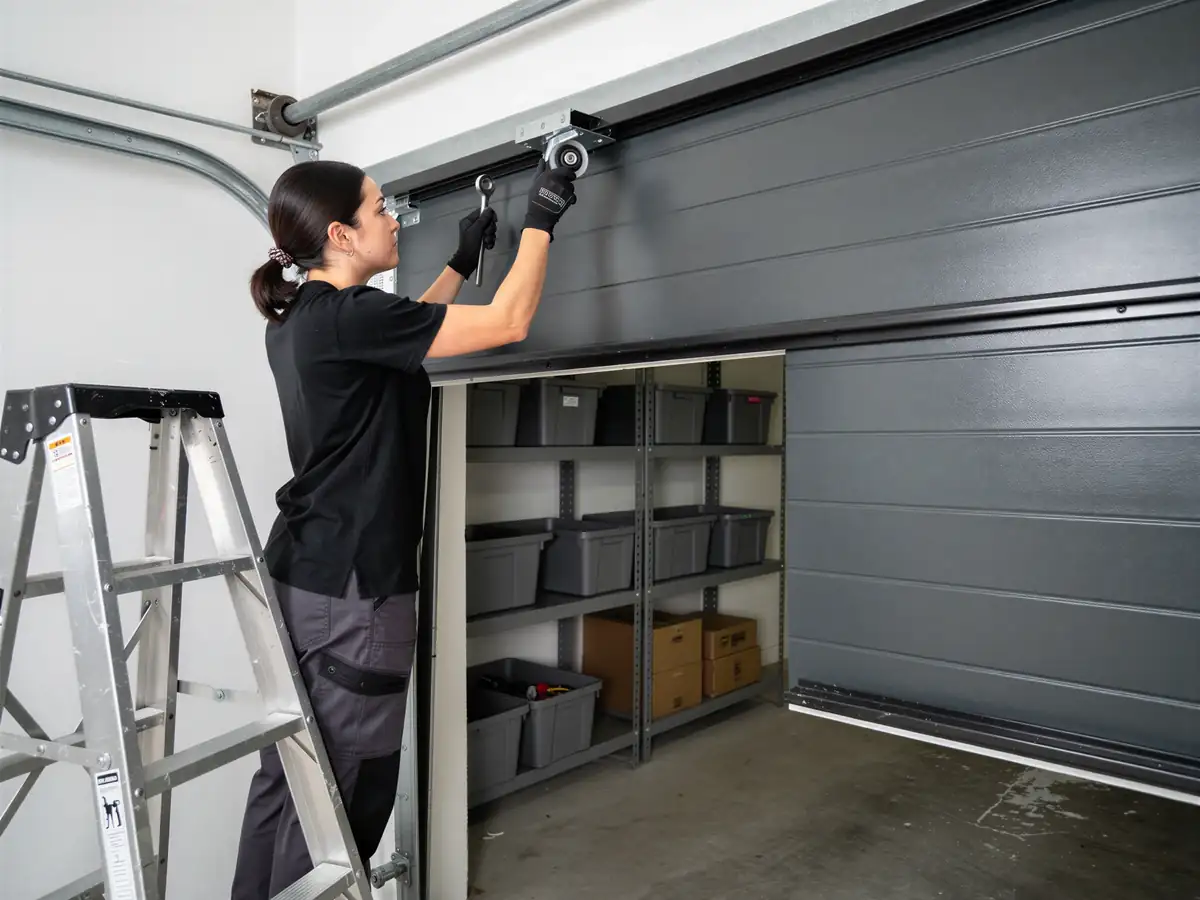
A lot of Erwin homeowners have the patience to pull an opener logic board or swap a roller themselves, and for houses from 1959 that's often a reasonable job - the hardware is simple and parts are commodity-sized. Where we tell people to stop is the torsion spring itself. A wound spring on even a modest door carries enough stored force to break a hand or worse, and on a 1959-era door with original side-mount hardware, the brackets have usually seen sixty-plus years of stress you can't eyeball for fatigue. Cables under tension are the same story. If the fix is a sticking track, a worn roller, or a sensor eye that's out of alignment, go ahead and try it. If it's a spring, a cable, or anything that requires removing the bottom bracket, that's the line where the tool you're missing is experience, not a wrench.
What It Costs
We don't publish flat prices for Erwin jobs because what a door needs depends on what's actually broken, and a 20-mile trip from Fuquay-Varina gets priced into the call rather than hidden in a surprise fee later. What we can say is that houses from the 1959-median build era in Erwin tend to need spring and cable work more often than opener electronics - the mechanical parts are the ones that have aged out, not the motors, which get replaced piecemeal over the years anyway. That shifts the typical repair toward hardware rather than circuit boards, which matters when you're deciding whether to fix or replace. We'll tell you plainly on site if a repair isn't worth doing against the cost of a new door section.
What the Fix Involves
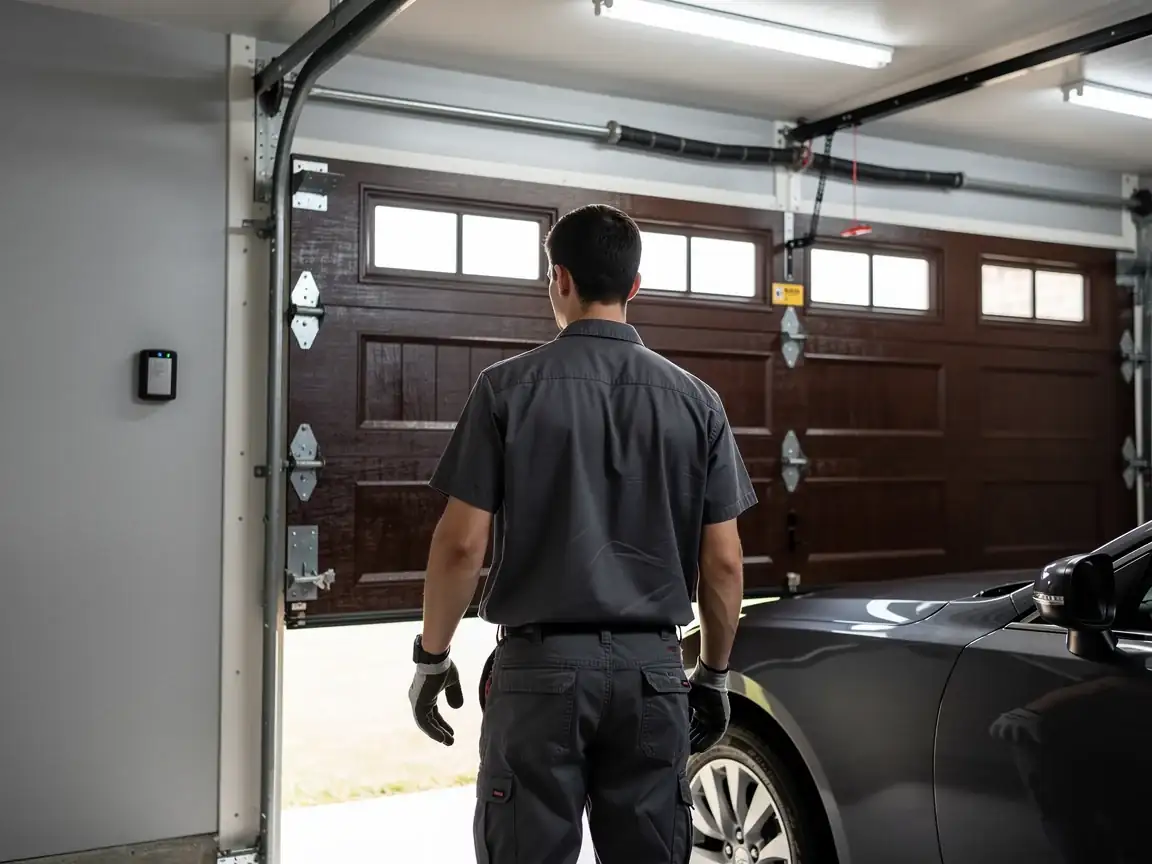
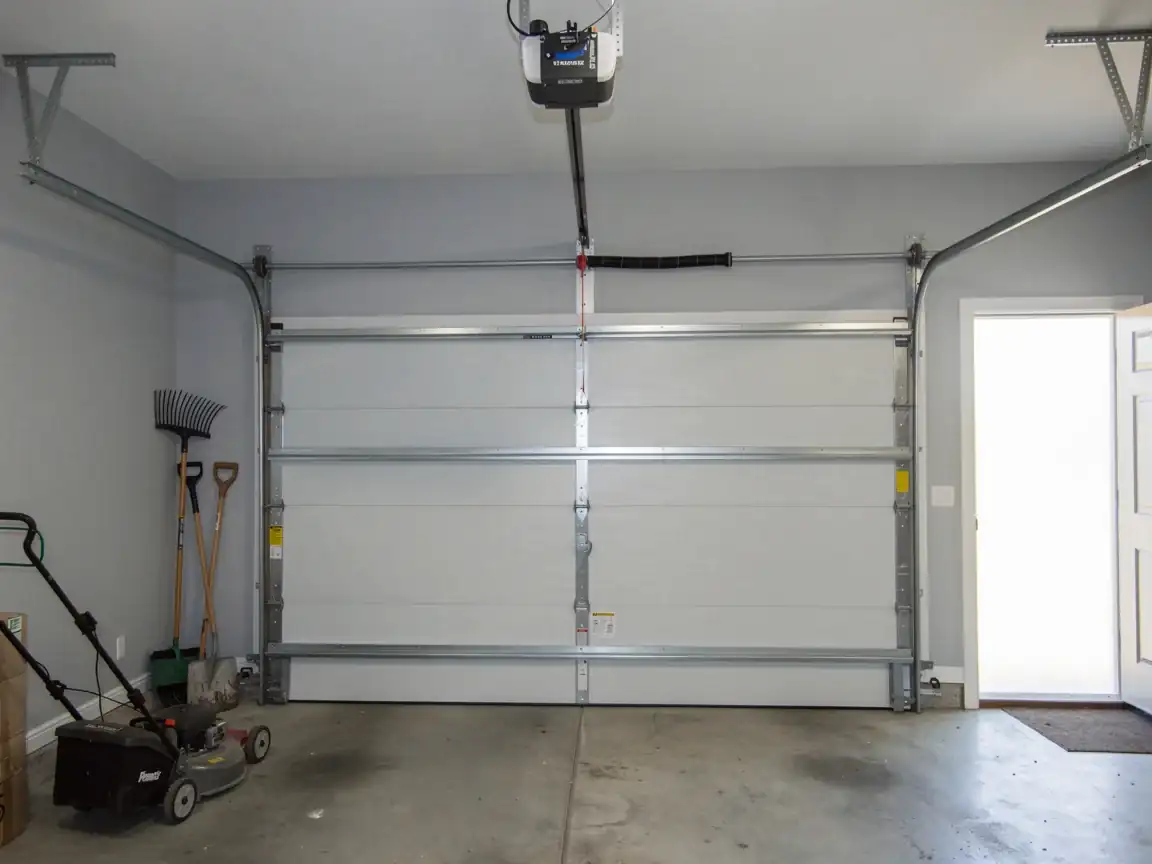
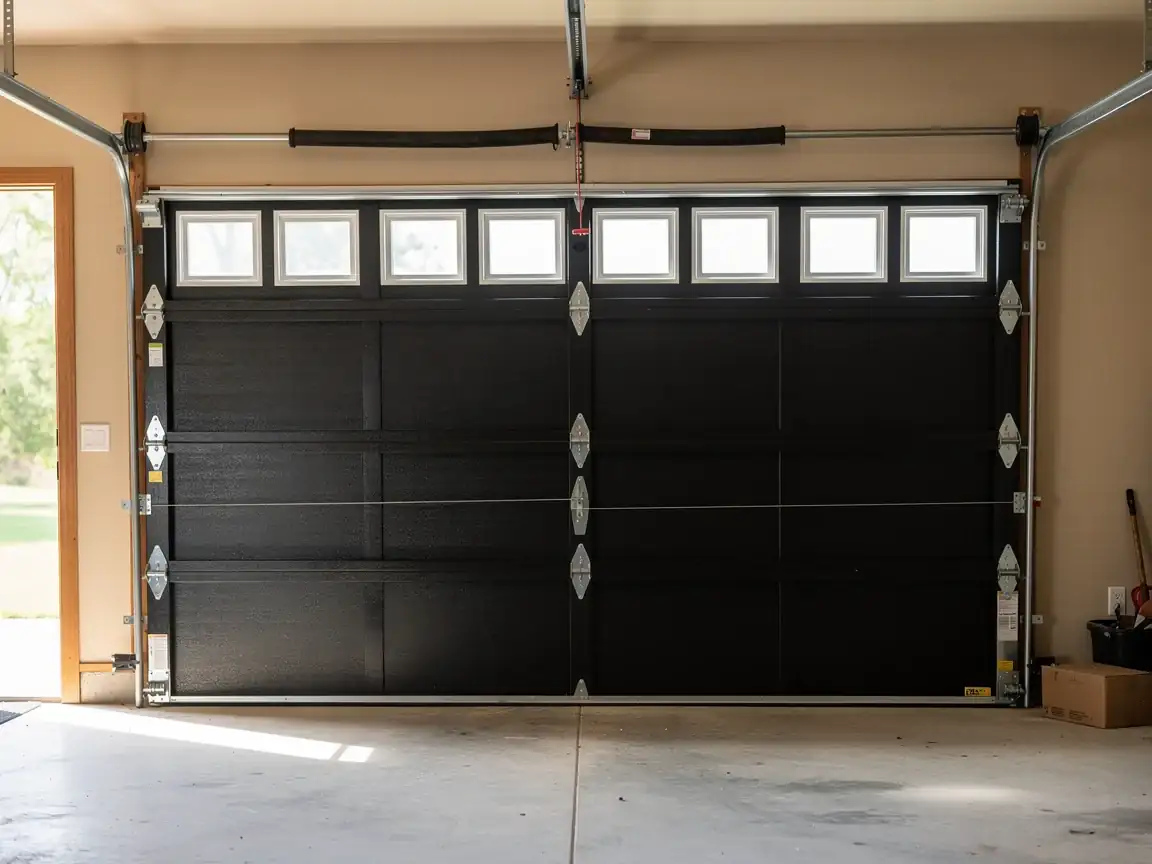
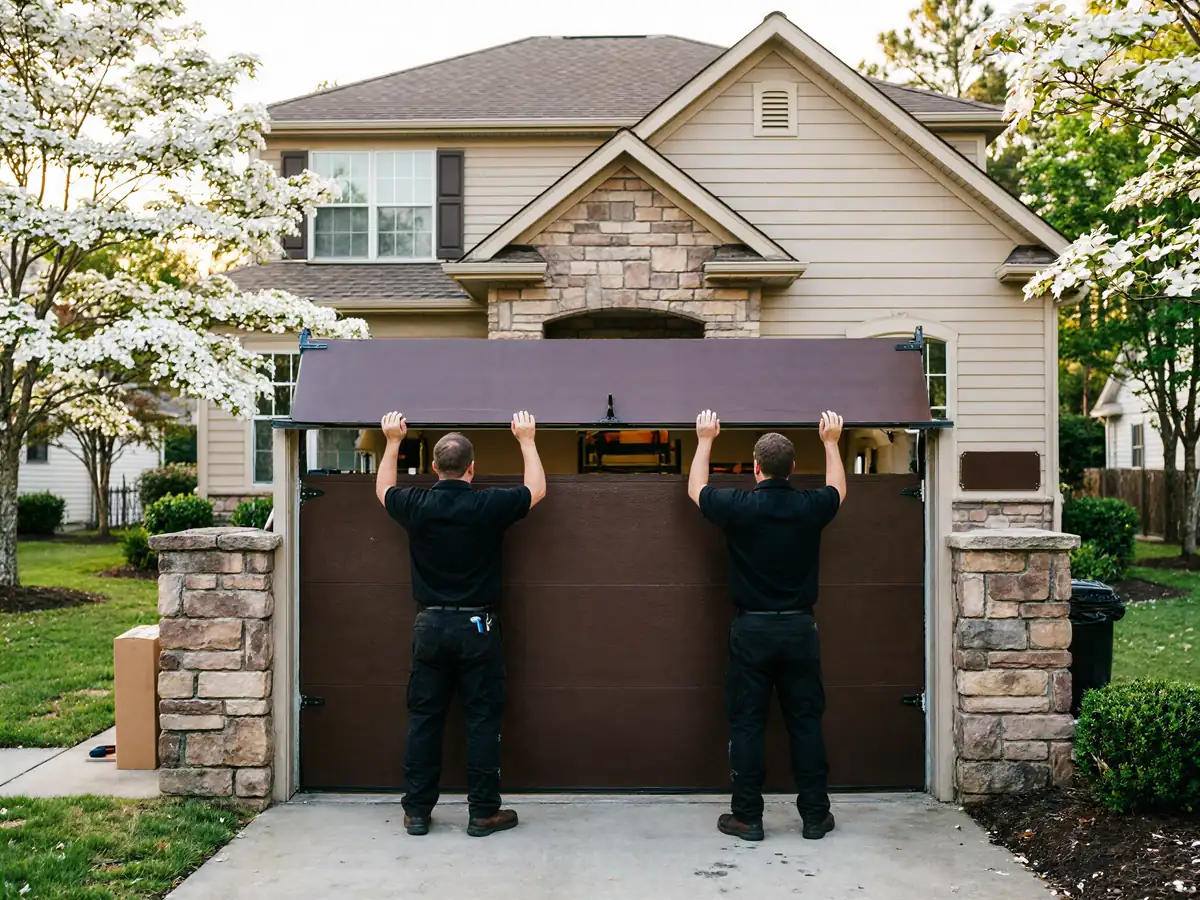
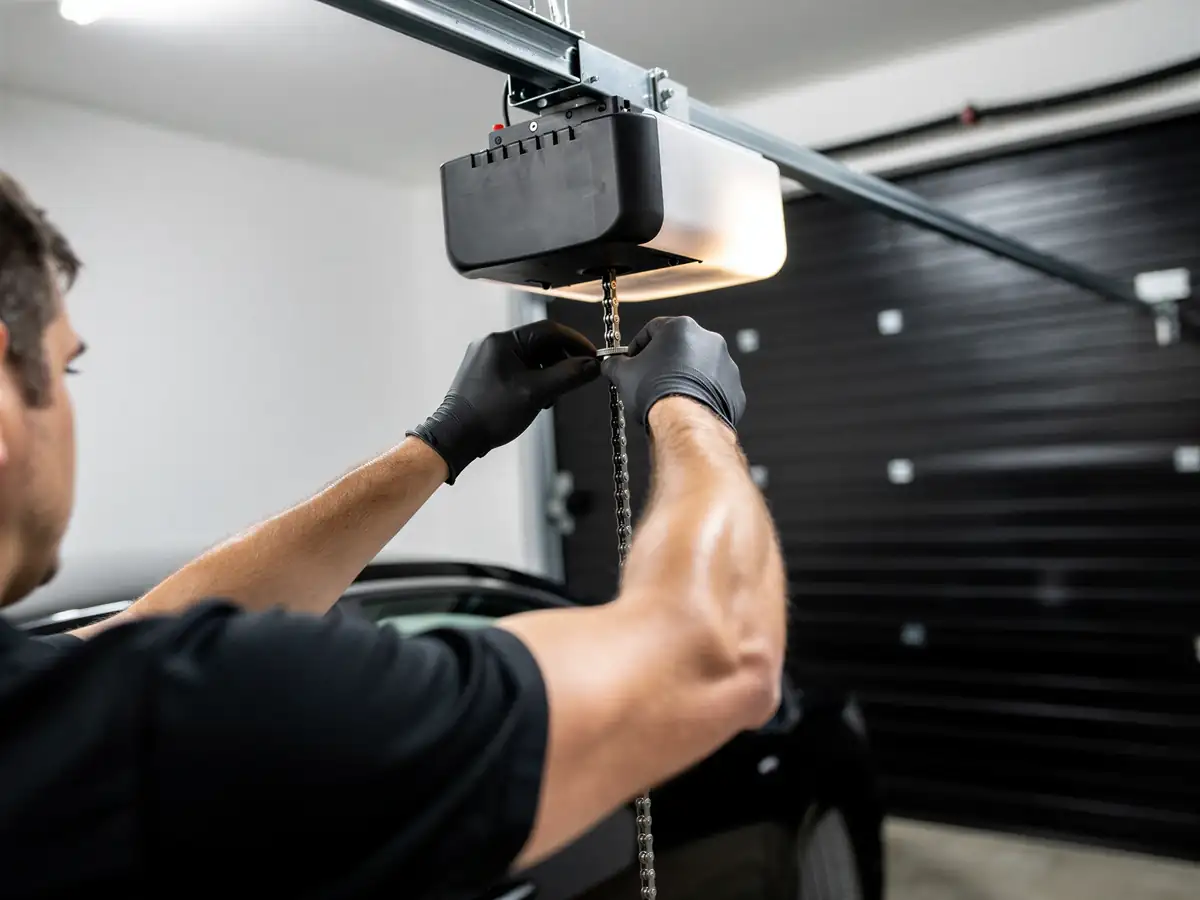
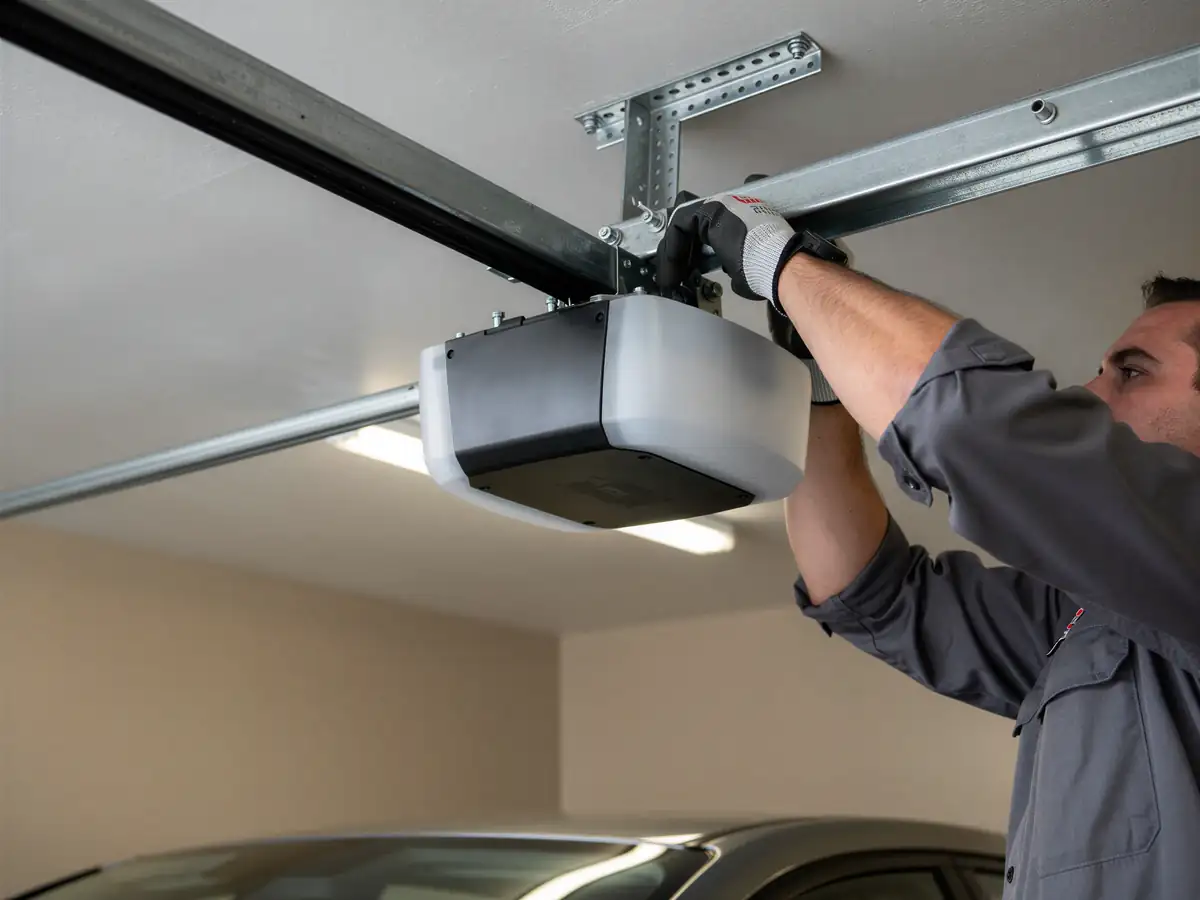
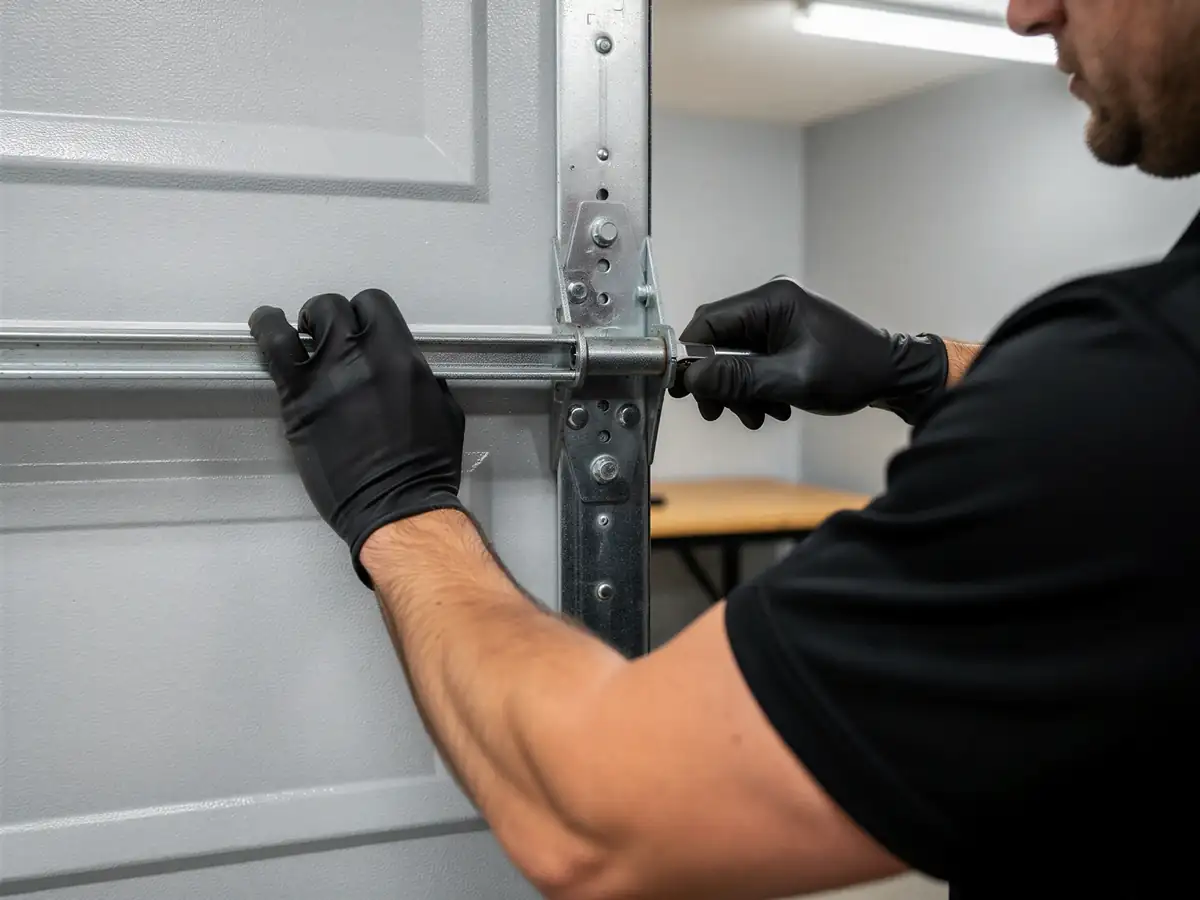
For a torsion spring job on Erwin's typical 1959-era door, the work starts with unwinding the old spring safely, pulling the worn cone and drum, and checking the shaft and bearing plates for wear before anything new goes on - on hardware this old, the shaft itself is sometimes the actual problem, not just the spring. We measure for the correct wire gauge and wind length rather than grabbing a generic replacement, since original door weights from this period vary more than modern doors do. If the bottom brackets show rust-through or bent flanges, we replace those at the same time rather than bolt new cable to compromised metal. A full opener swap, when it's called for, includes remounting the safety sensors to match current eye height, since older houses here often have them set non-standard from decades of ad hoc repairs.
Why It Happens Here
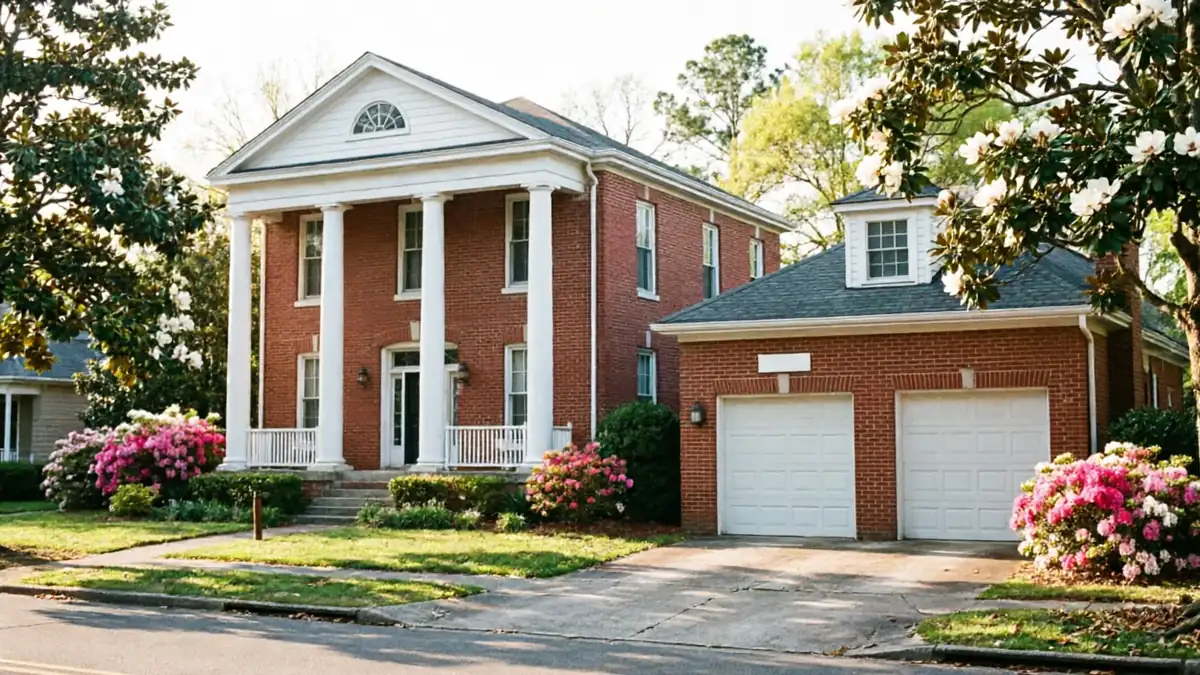
Erwin's housing stock centers on 1959, decades older than the newer construction common elsewhere in the broader service area, and that age gap is the whole reason the failures look different here. Cold-climate temperature swings work on steel hardware over sixty-plus years in a way that shows up as brittle springs, pitted cables, and seized rollers rather than the electronics failures that dominate newer-build neighborhoods. A median household income of $50,077 also means a lot of owners here have kept original doors running through repair rather than replacement, which is a reasonable call on a mechanically simple door - but it does mean more of the hardware we open up has outlived at least one prior fix already.