Why It Happens Here
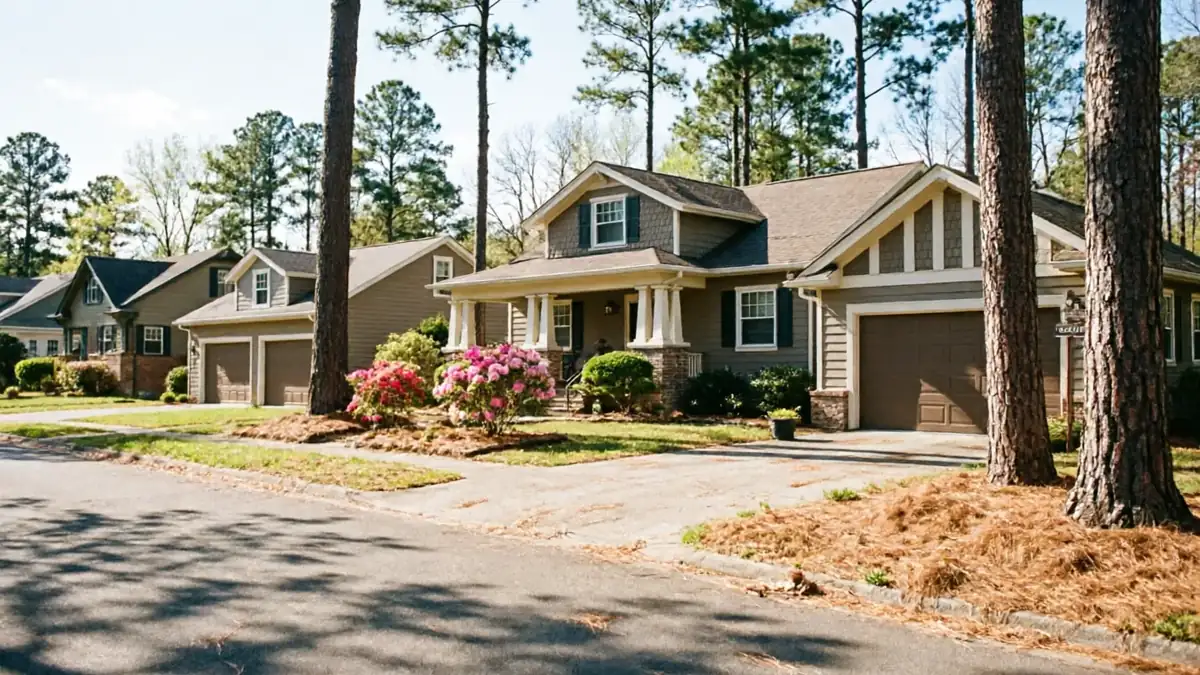
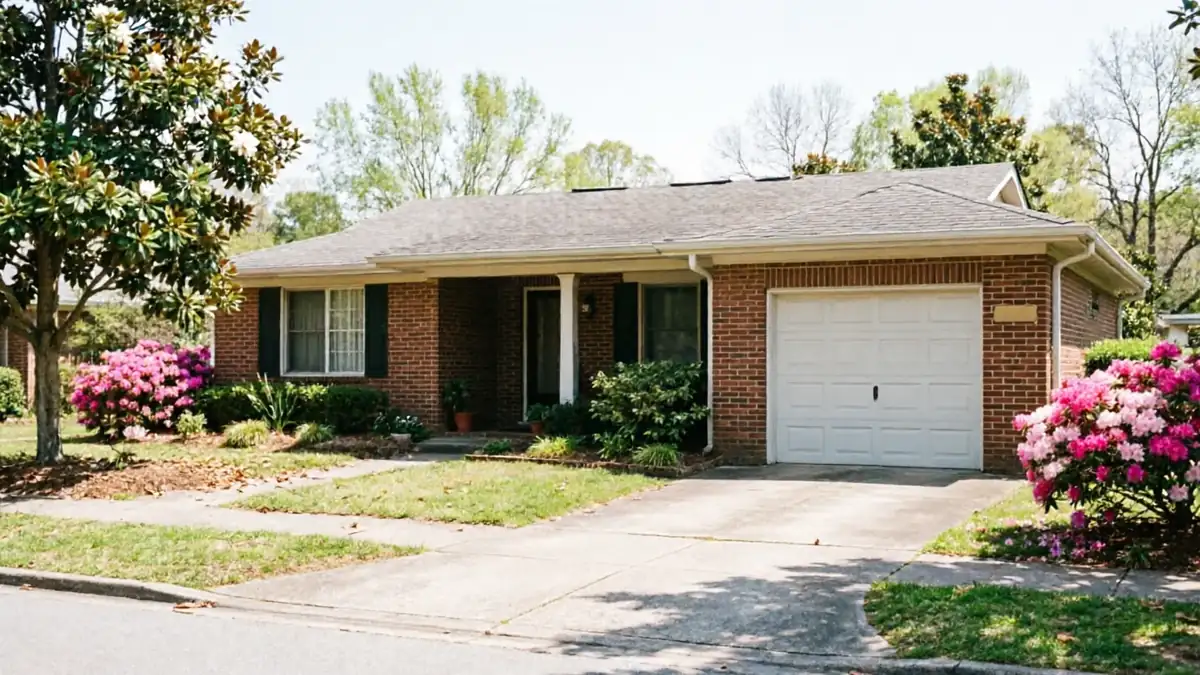
Most of the housing stock around Fuquay-Varina went up between 1959 and 2002
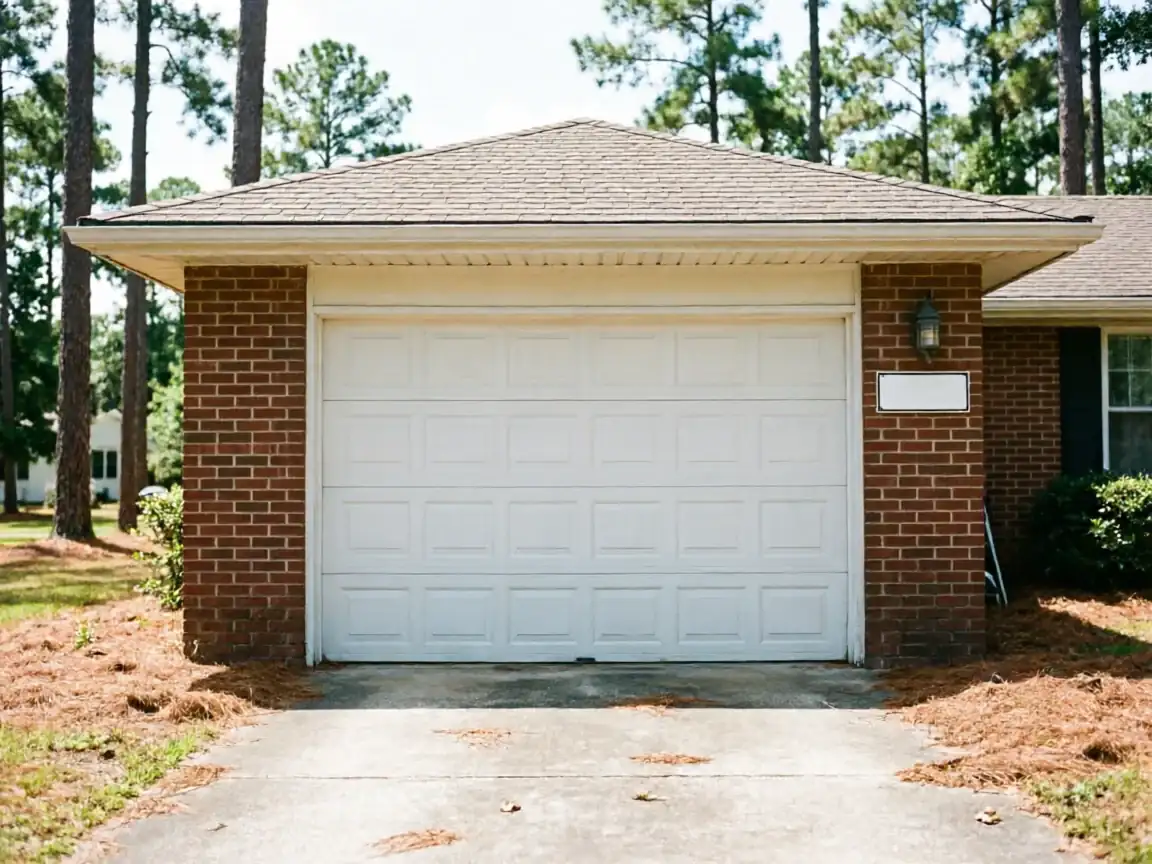
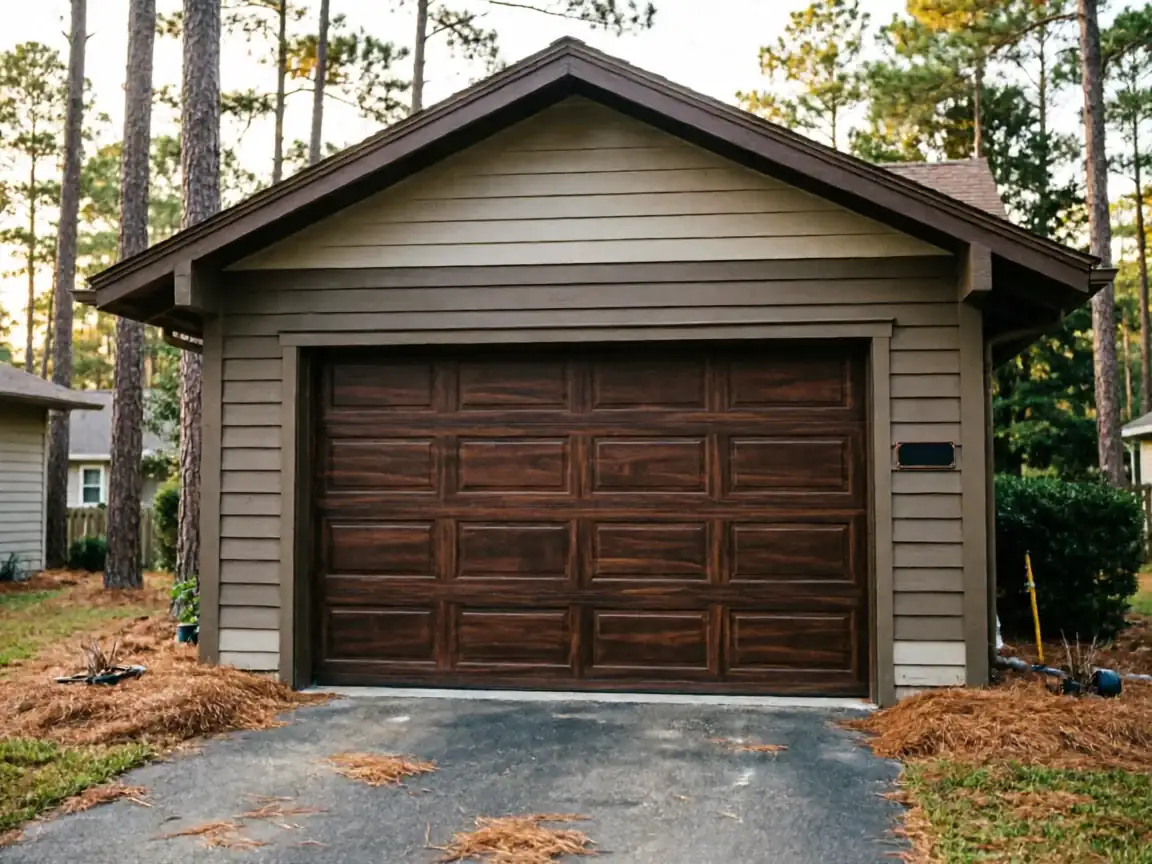
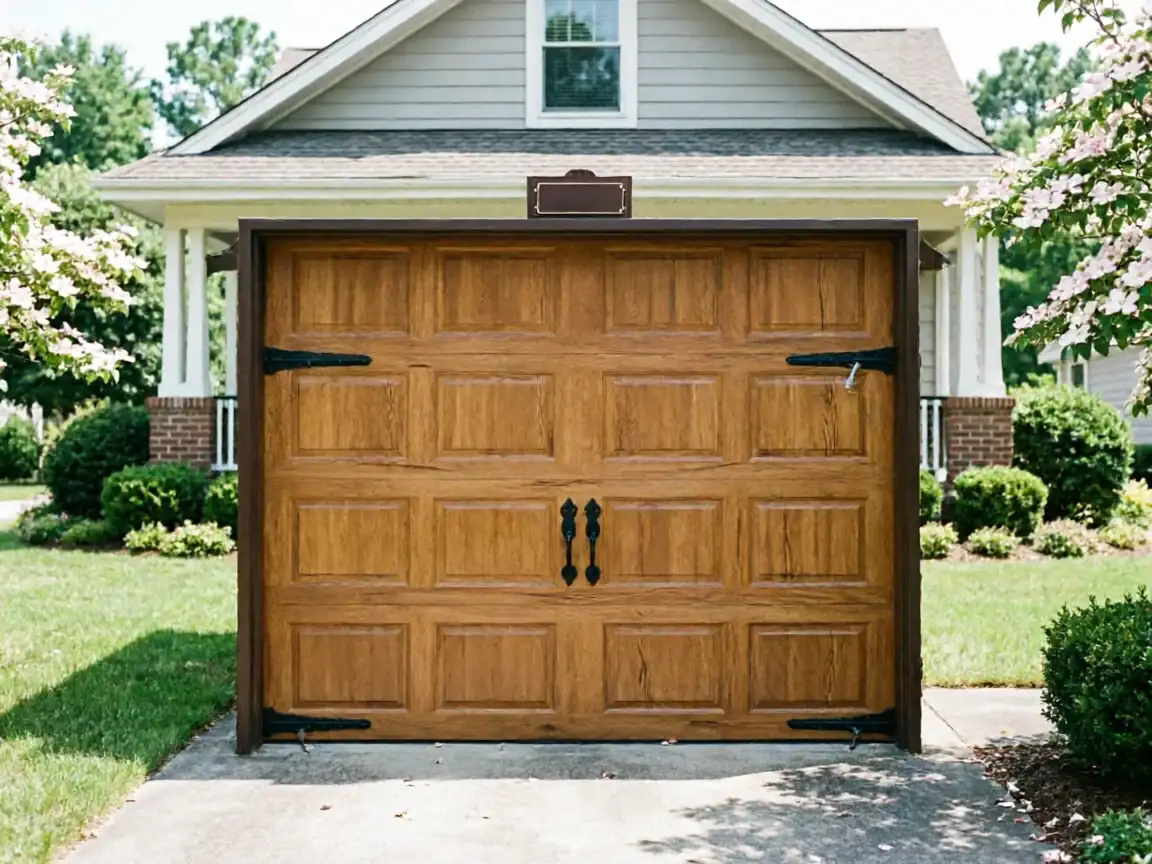
With the median build landing around 1979, and a lot of it clusters in that classic 1960s-70s run across the seven neighborhood pockets we work in regularly. Doors from that era were built for a different set of expectations: single-layer steel or wood panels, no insulation core, and hardware sized to openings that don't always match what's on the shelf at a big-box store today. Forty-plus years of lifting and lowering wears that hardware down to the point where patching it stops making sense.
The cold-moderate climate here adds its own pressure
A non-insulated door from the 1970s does fine on a mild afternoon, but it lets a lot of cold air sit against the inside wall of the garage through the winter months, and that temperature swing is part of what warps thin steel panels and cracks old wood ones over the years. When a door has been through three or four decades of that cycle, installation of a new door stops being an upgrade and starts being the actual fix.
What You Are Seeing
If your house falls in that 1959-2002 build window, the signs usually show up the same way. Panels that bow out at the bottom corners, a door that feels noticeably heavier to lift by hand than it used to, or daylight visible around the edges even when the door is shut all the way. Sometimes it's simpler than that - the door still runs, but it's the single-layer type with no insulation, and you can feel the temperature difference standing next to it in January.
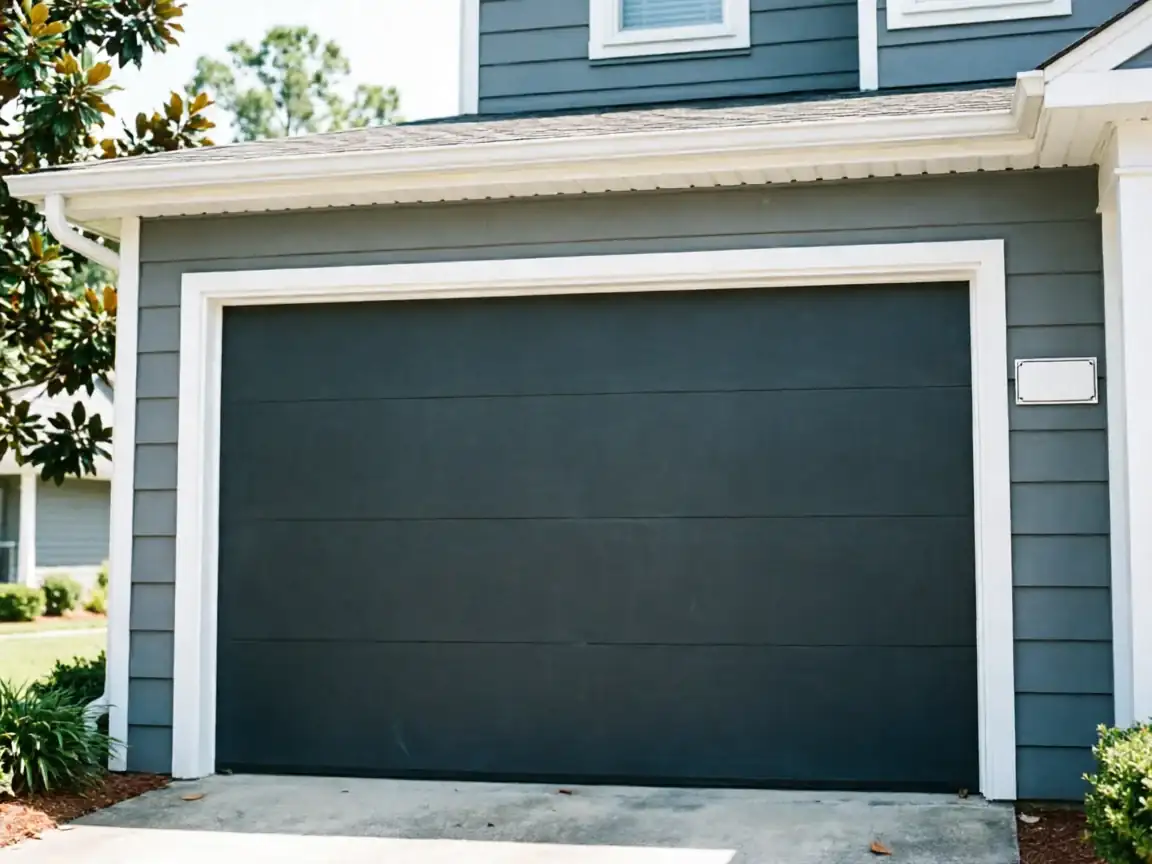
On a lot of these older builds we also see openings that are slightly off from today's standard sizes, which is part of why a straight swap-in replacement from a stock size doesn't always fit clean. If your door is sticking in the track, the track itself has pulled away from the jamb, or the whole unit just looks tired next to a house that's otherwise been kept up, that's usually the point where installation makes more sense than another round of patch repairs.
The DIY Question
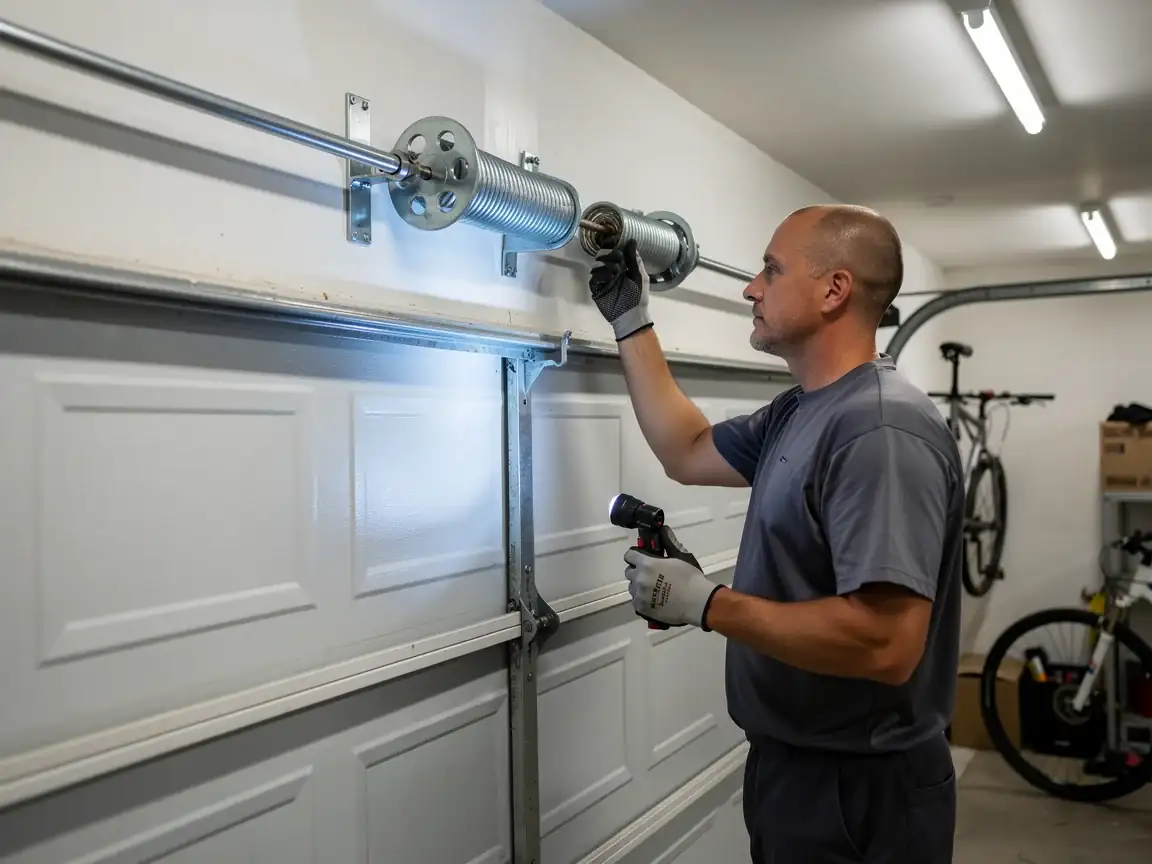
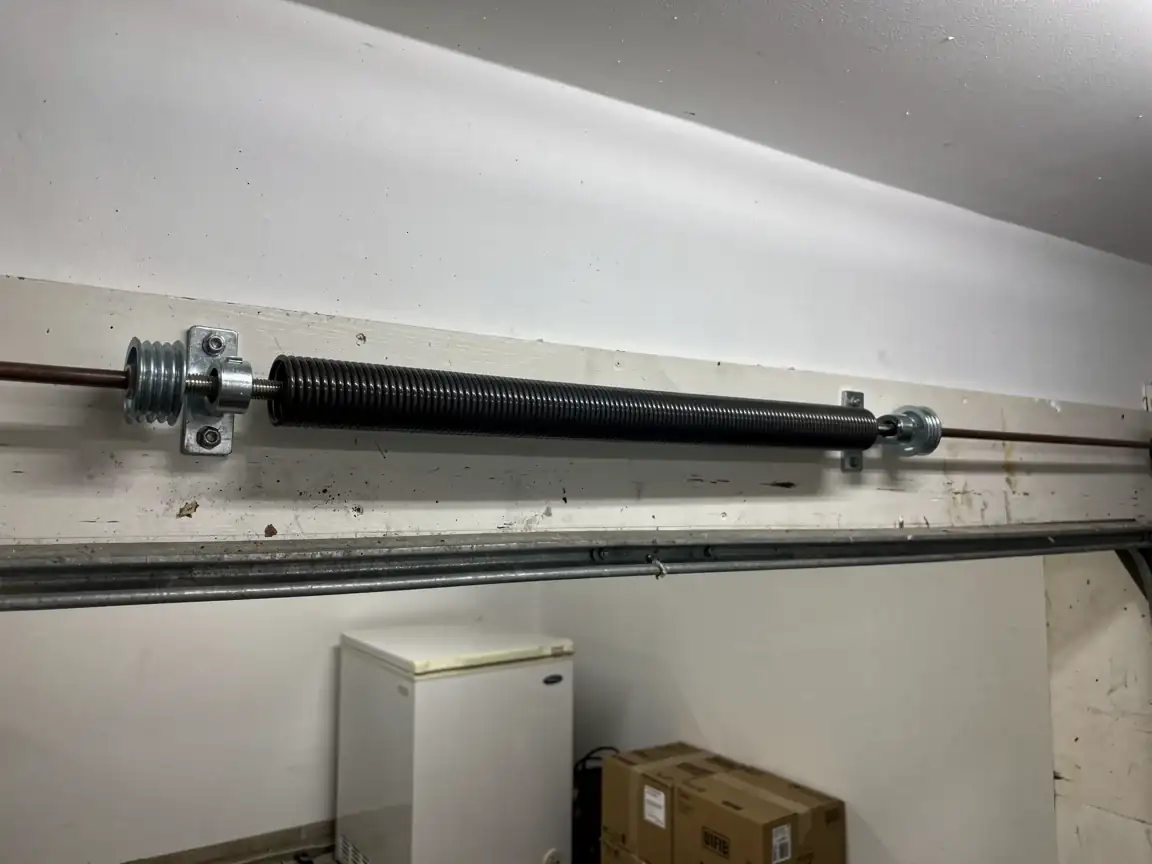
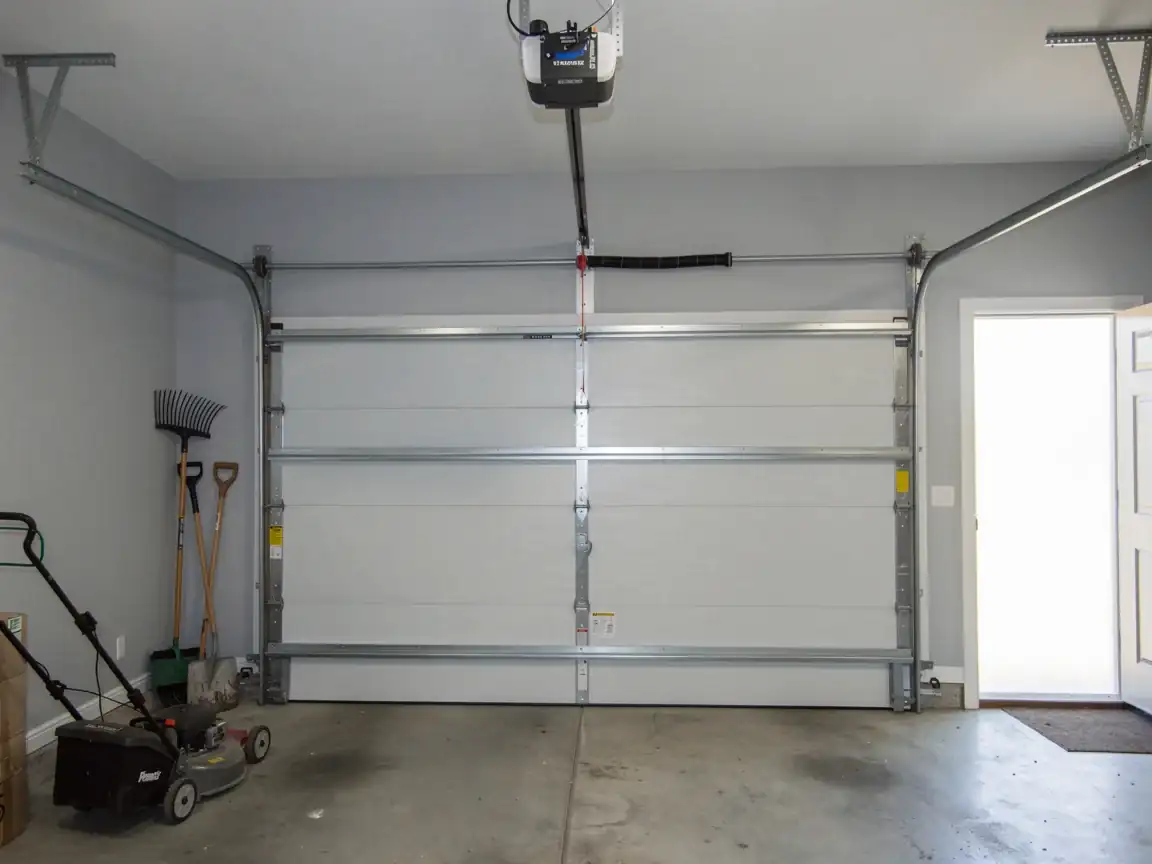
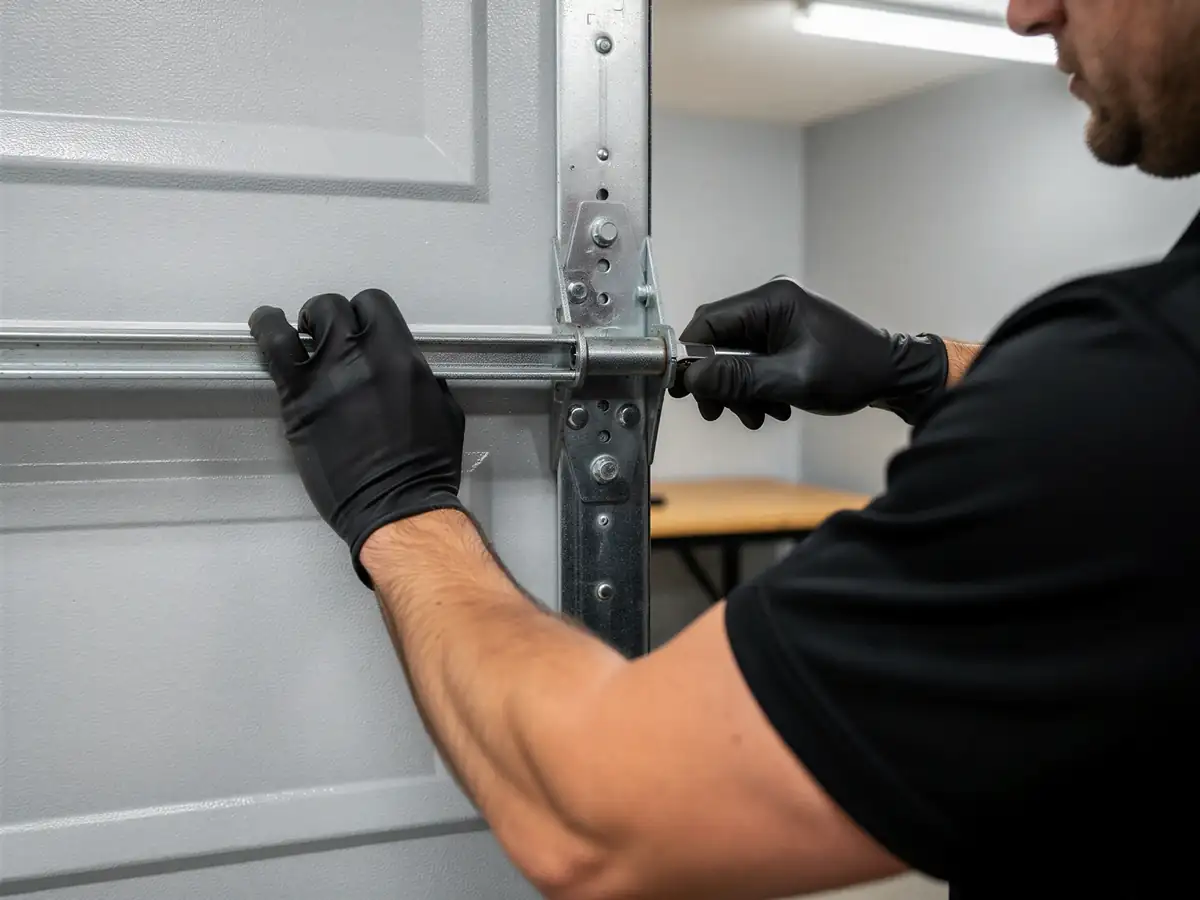
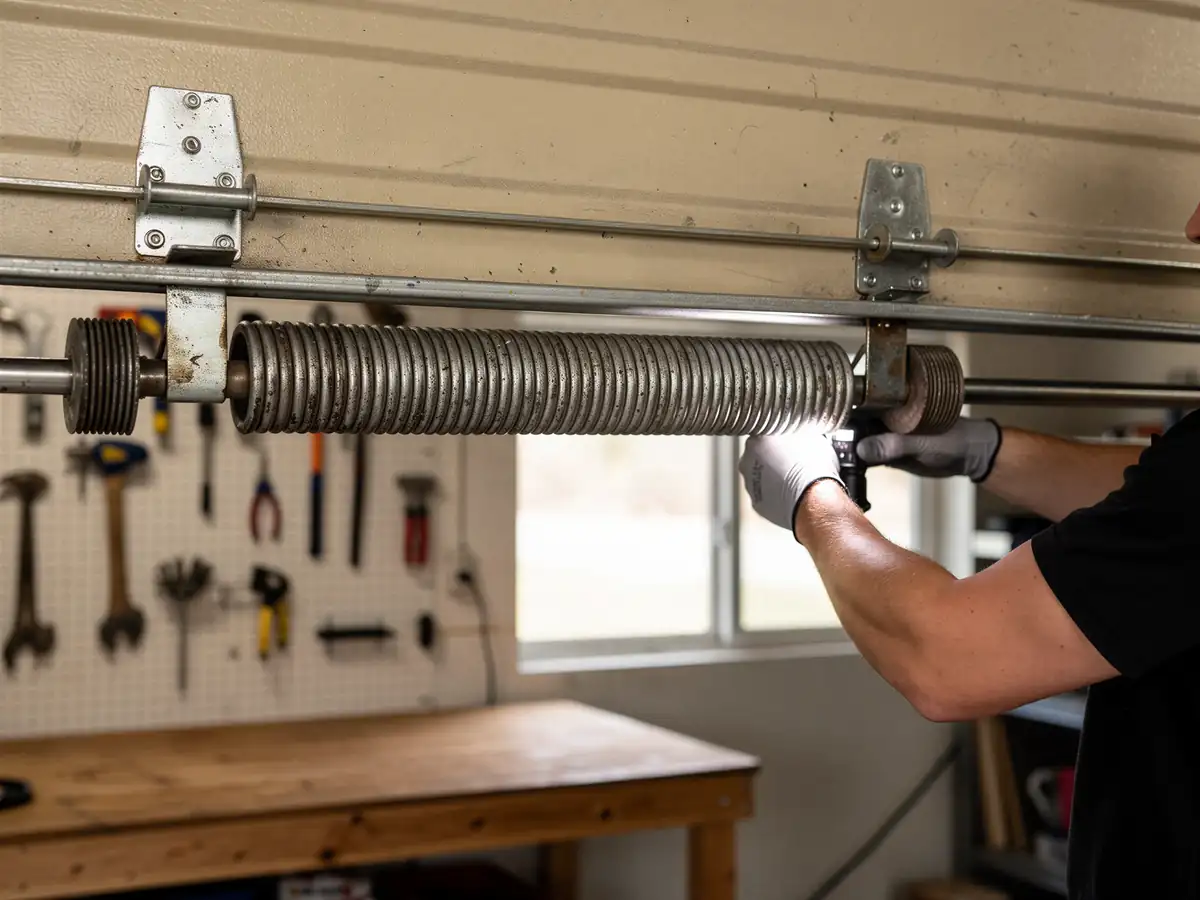
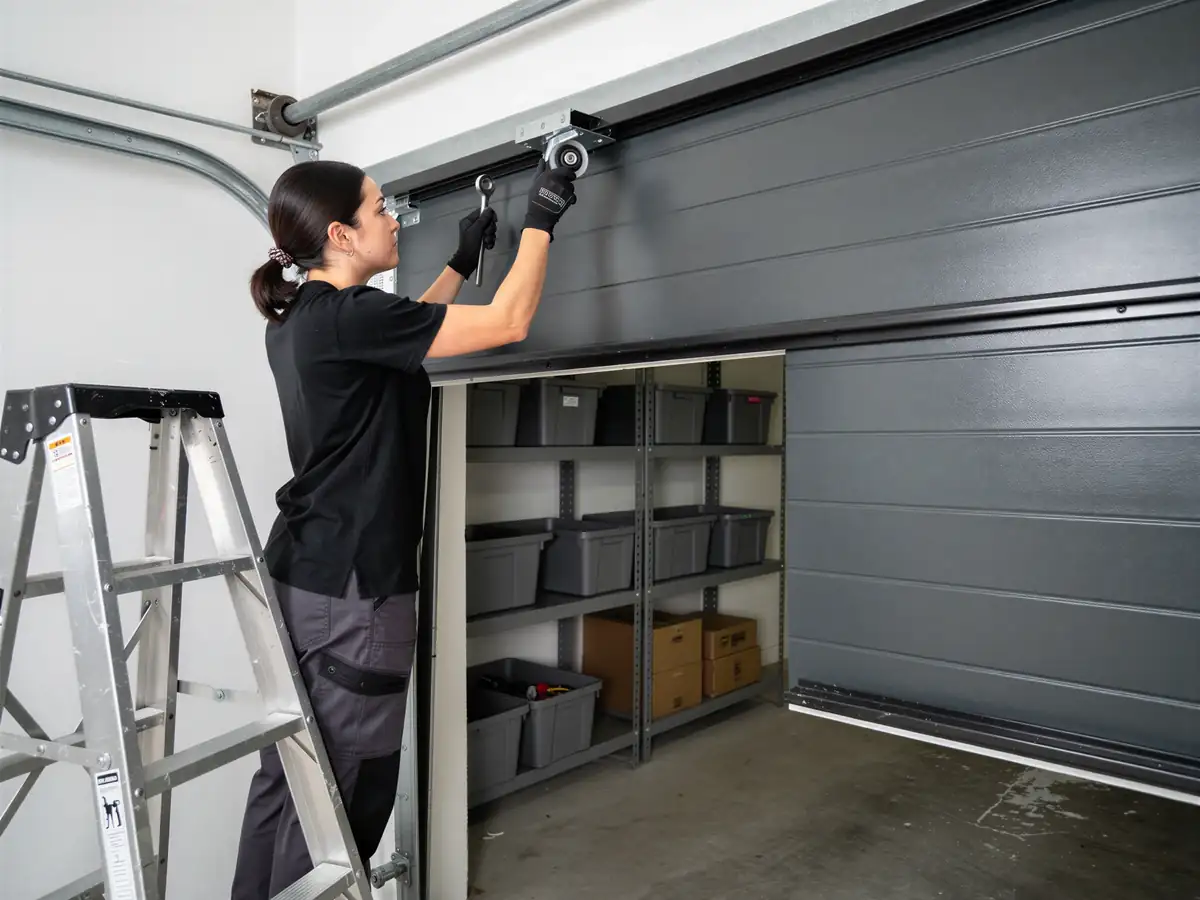
A garage door is not a weekend install in the way people assume. The door itself can run well over a hundred pounds, the torsion spring is under enough tension to cause a serious injury if it lets go while you're working on it, and getting the track plumb on both sides matters more than it looks like it would. On the older 1960s-70s homes in this area, there's an added wrinkle: openings that run slightly non-standard mean the new door and track sometimes need shimming or minor framing adjustments that aren't obvious until you're mid-job.
We'll be straight with you - we don't talk anyone out of trying it, but we also don't carry every custom size or trim kit on the truck for a same-day job, so if your opening turns out to need a special-order door, that part takes longer no matter who's doing the install. If you're set on doing it yourself, at minimum get another set of hands for the spring and track work. That's where most injuries and most do-over calls happen.
What the Fix Involves
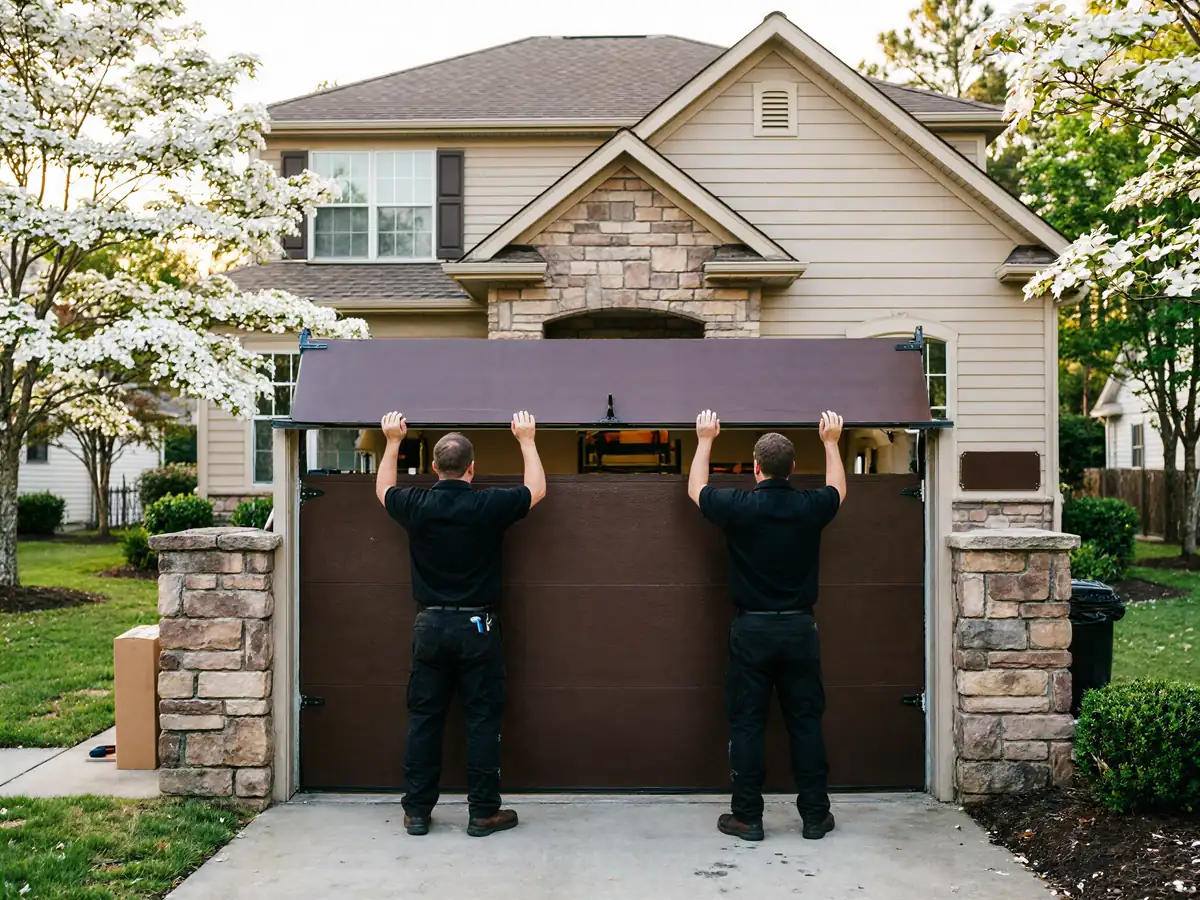
Installation starts with measuring the actual opening, not just going by the door that's coming out
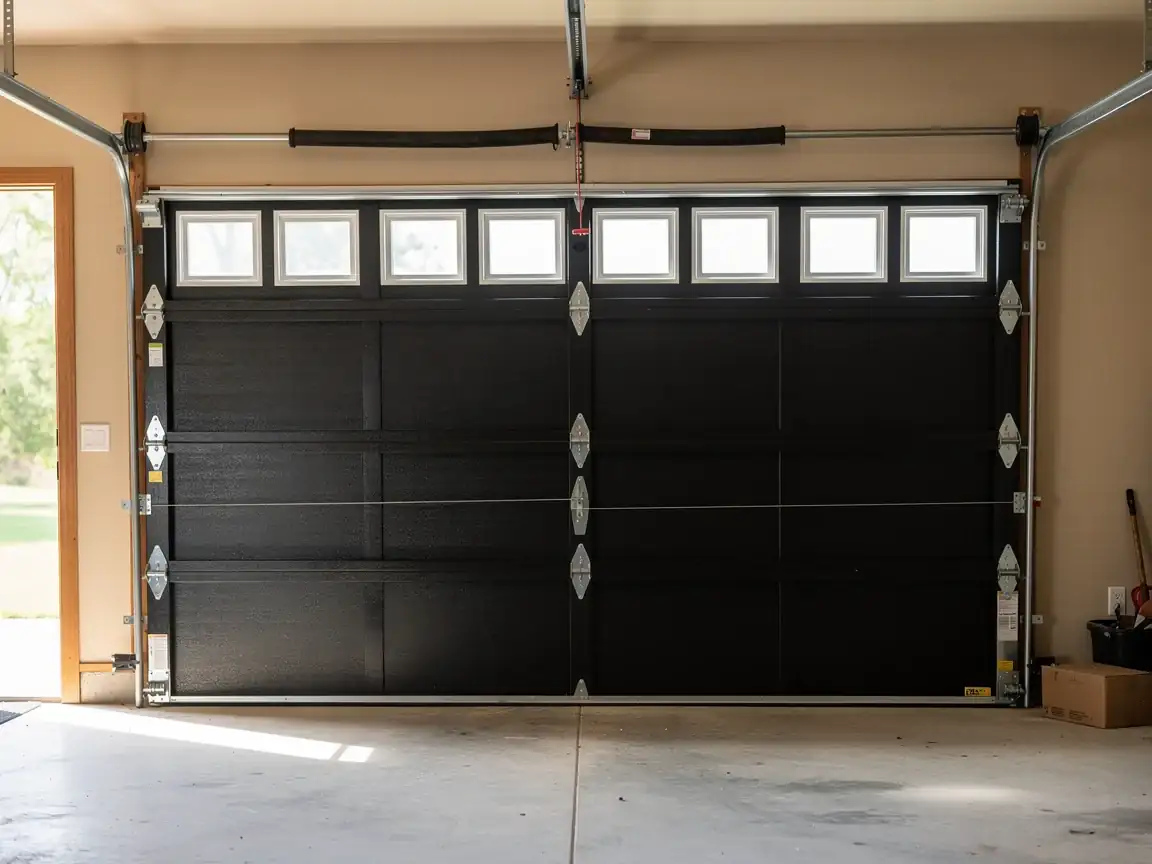
On a lot of these older Fuquay-Varina houses that opening has settled a little over fifty-plus years, so we check square and plumb before anything gets ordered. From there it's removing the old door and track, confirming the new door and spring size match the weight and width of what's going in, and setting the new track so it's anchored into solid framing rather than just the old bolt holes.
For homes carrying the older single-layer doors
We'll talk through insulated options given the cold-moderate winters here - it's not required, but it does cut down on that cold-wall feeling in an attached garage. Once the door's hung, we balance the spring tension, run the opener through a full cycle, and check the safety reversal. We serve the area out to Angier, Lillington, Buies Creek, Coats, Broadway, Benson, and Erwin, so travel time factors into scheduling on installs further out.