The DIY Question
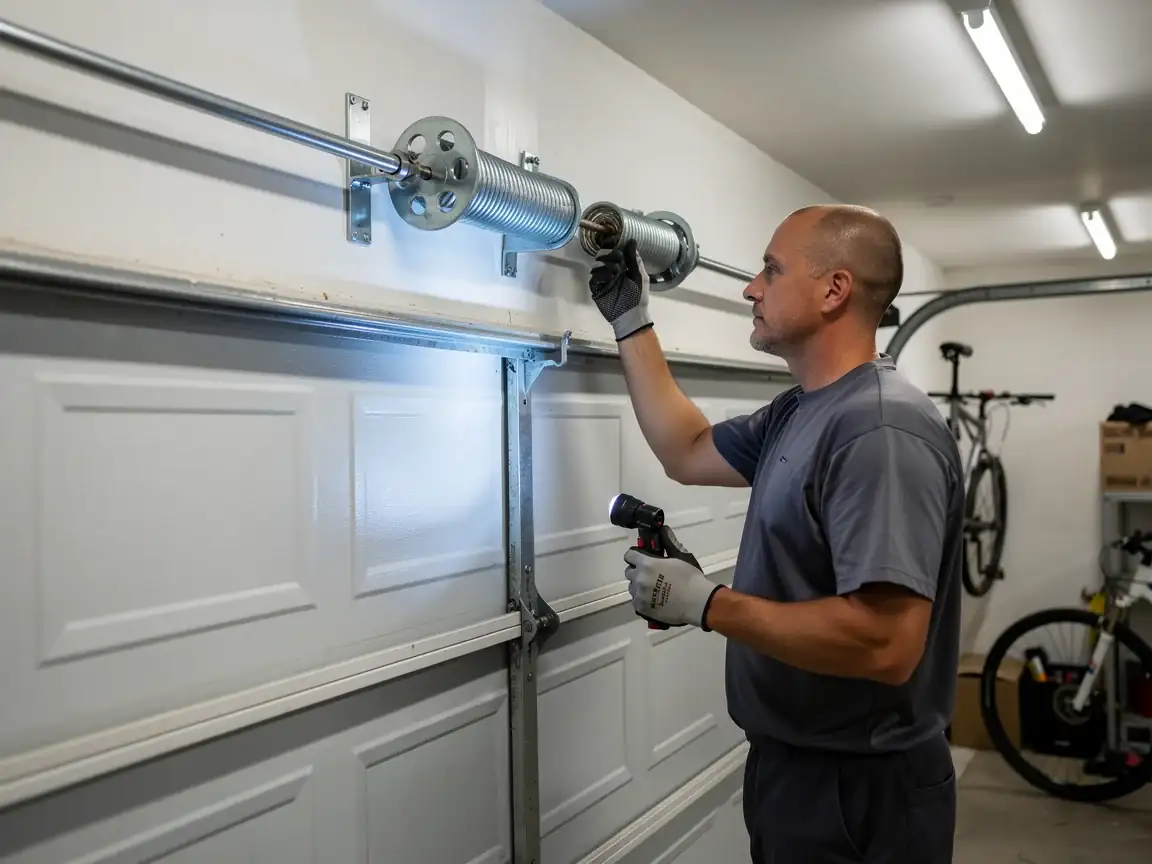
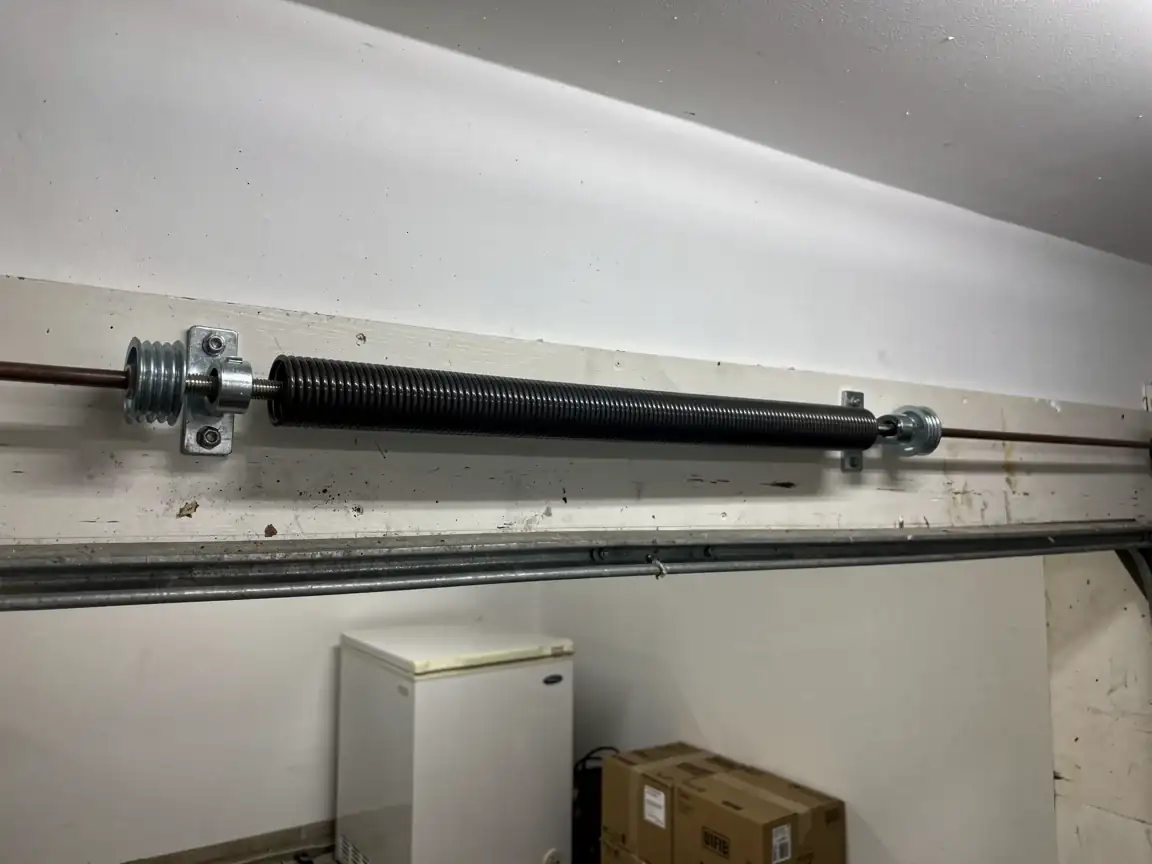
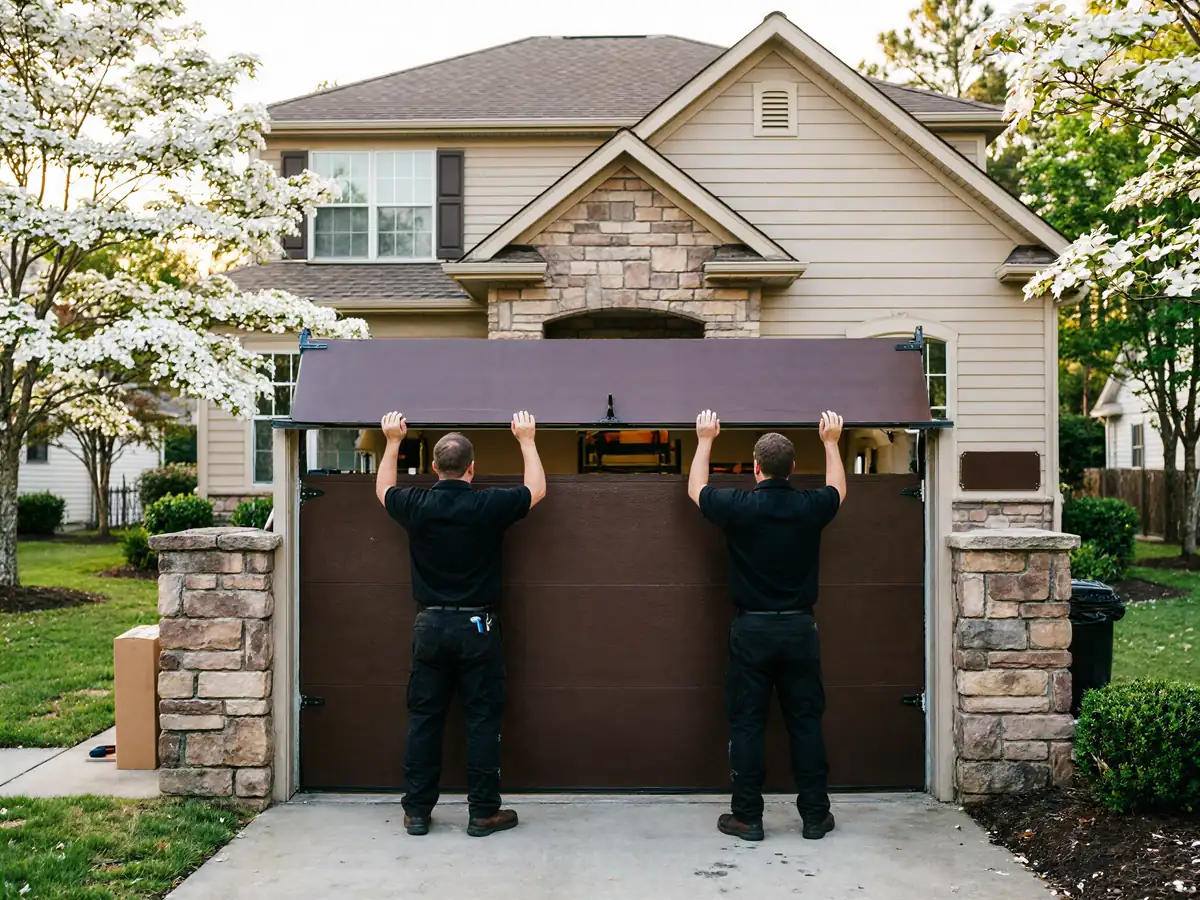
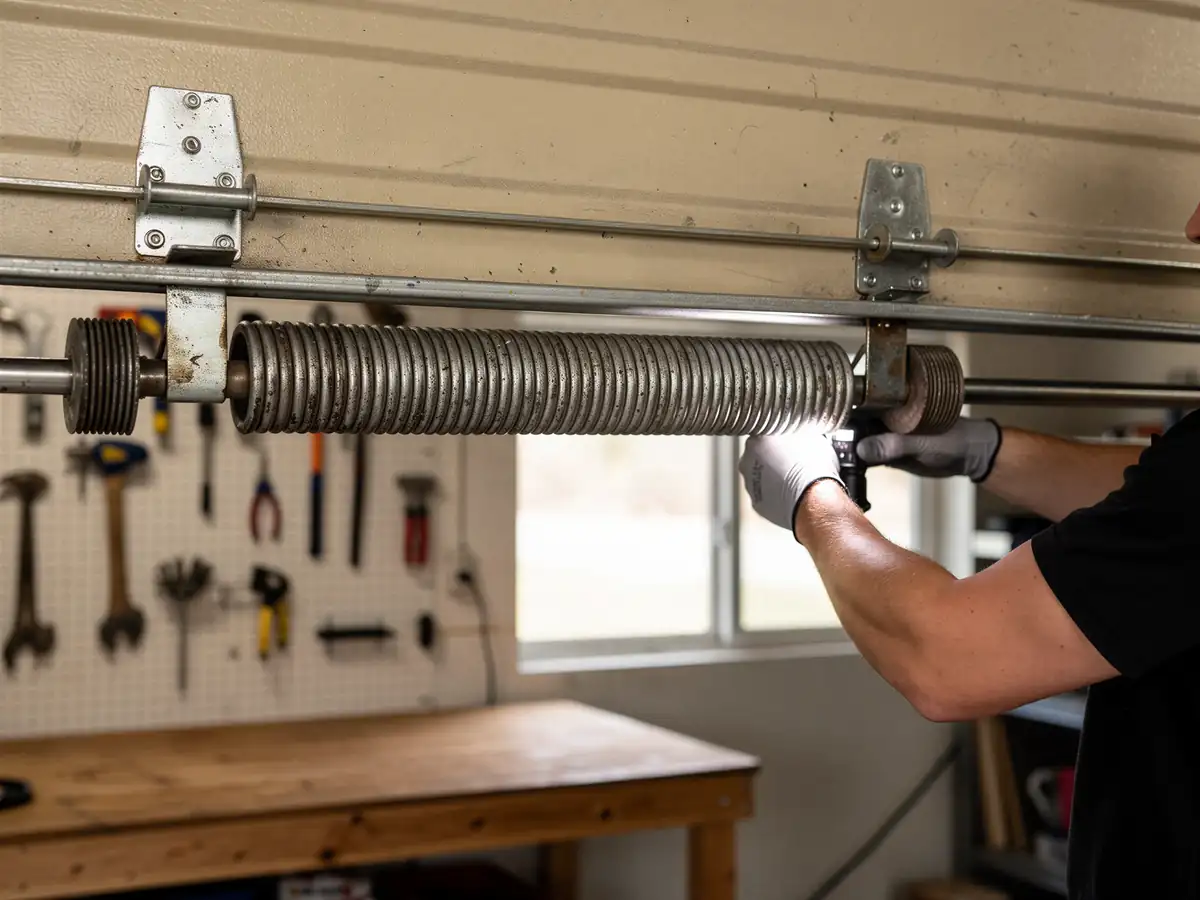
Swapping a roller sounds simple until you're the one with the door half-open and a spring under tension six inches from your hand. If a single bottom roller has worn through, and you can get the door down safely first, it's a reasonable DIY job for someone comfortable with hand tools. Replacing multiple rollers on a door this age usually means the track brackets need attention too, and that's where things go wrong fast for an owner working alone. We won't talk you out of trying one roller. We will tell you that on a 1959-era door, what looks like a roller problem is often a bent track from decades of that same worn roller riding sideways, and that part of the diagnosis is hard to do accurately without pulling the door apart.
What It Costs
We don't post a flat number for roller replacement because the job varies with how many rollers are worn, whether steel or nylon, and whether the track brackets need replacing alongside them - which, on housing from Erwin's 1959 build era, is common enough that we check it every time. A single roller swap is a small job. A full set of ten rollers plus bent track correction is a different job entirely, and pricing that over the phone without seeing the door would be a guess, not a quote. We give a firm number after we've looked at the actual hardware, not before.
What the Fix Involves
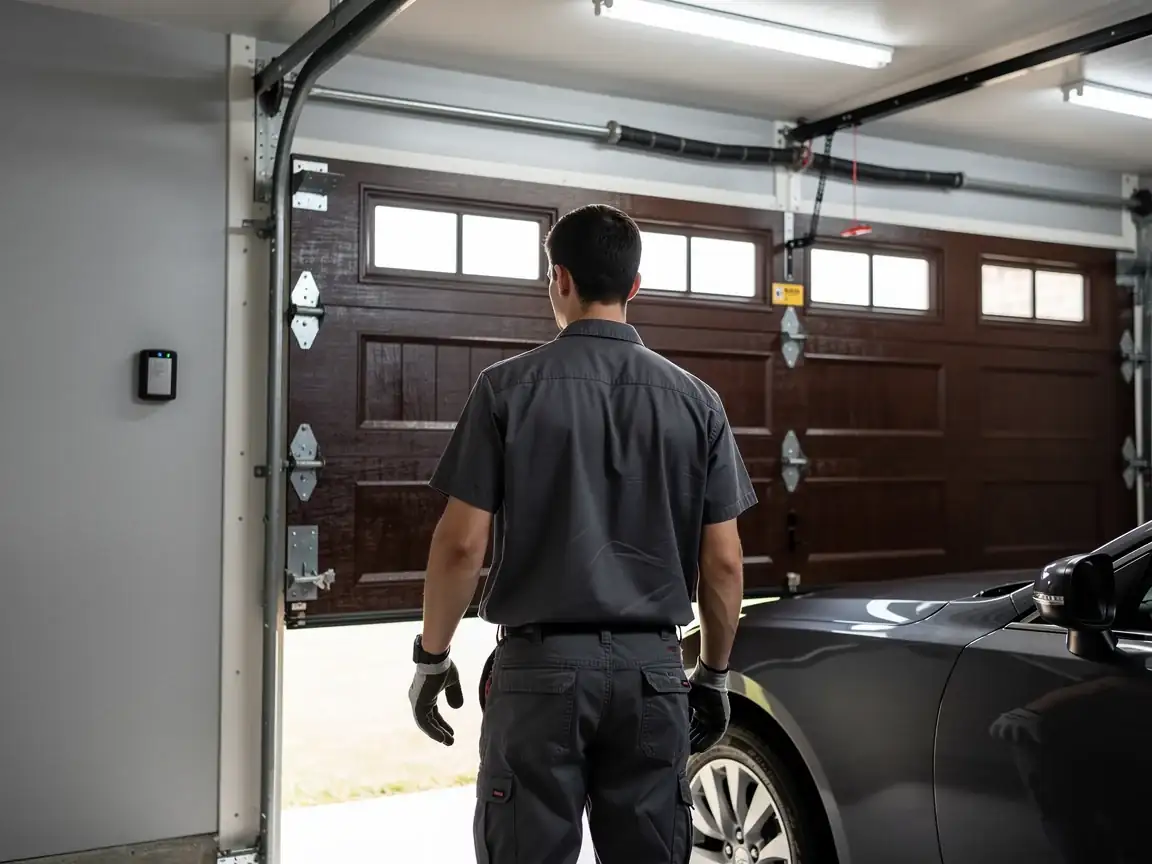
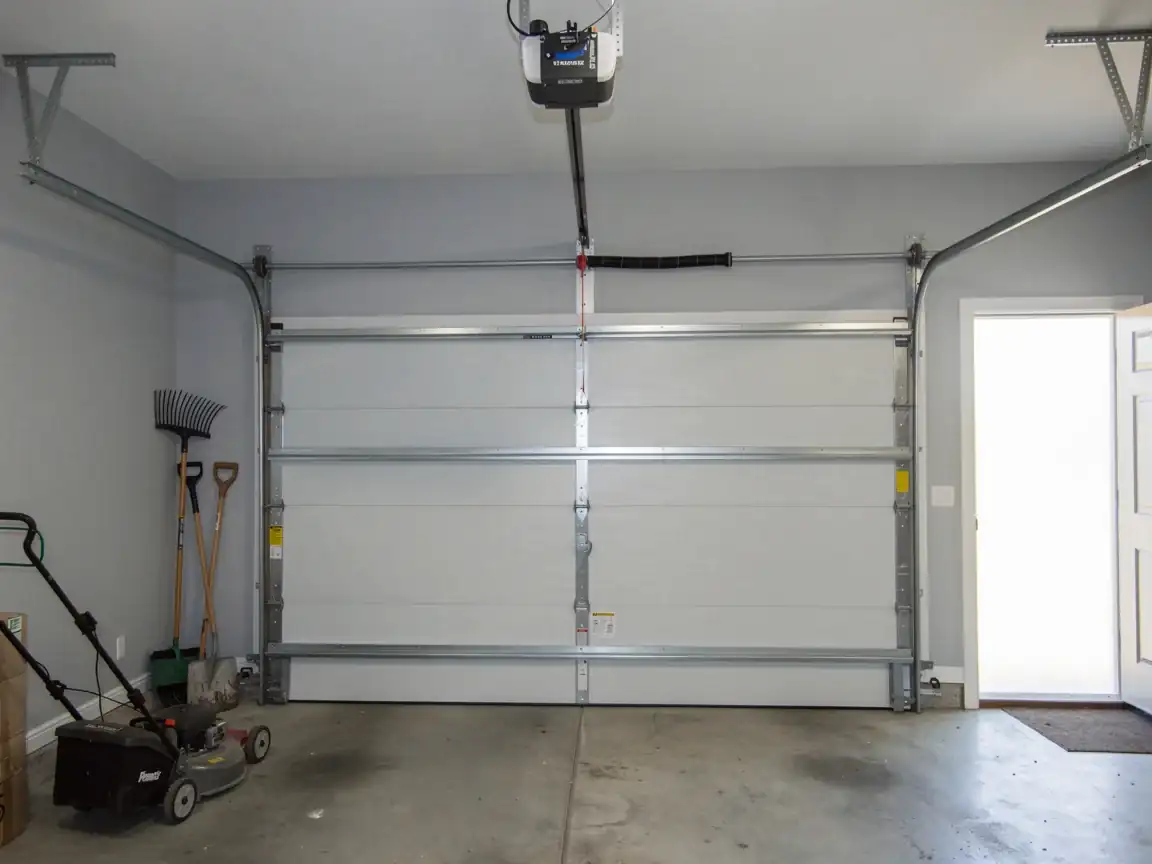
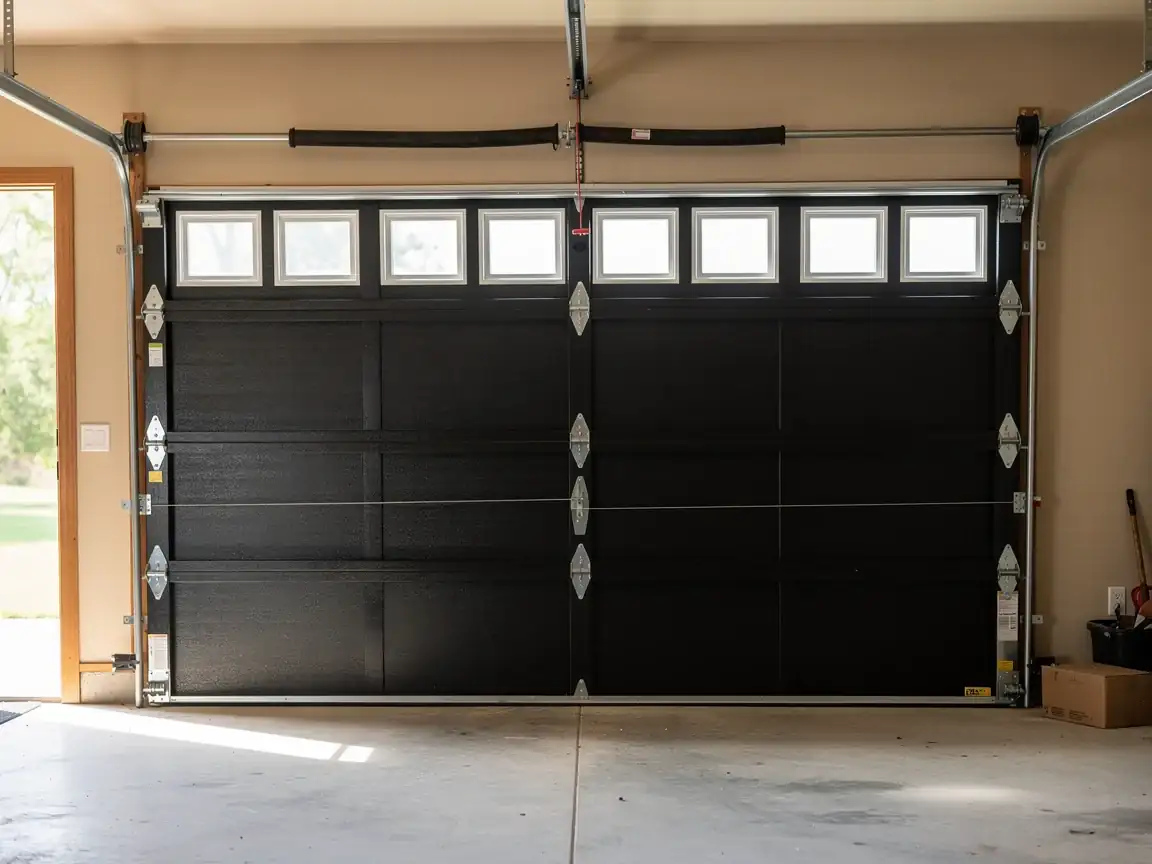
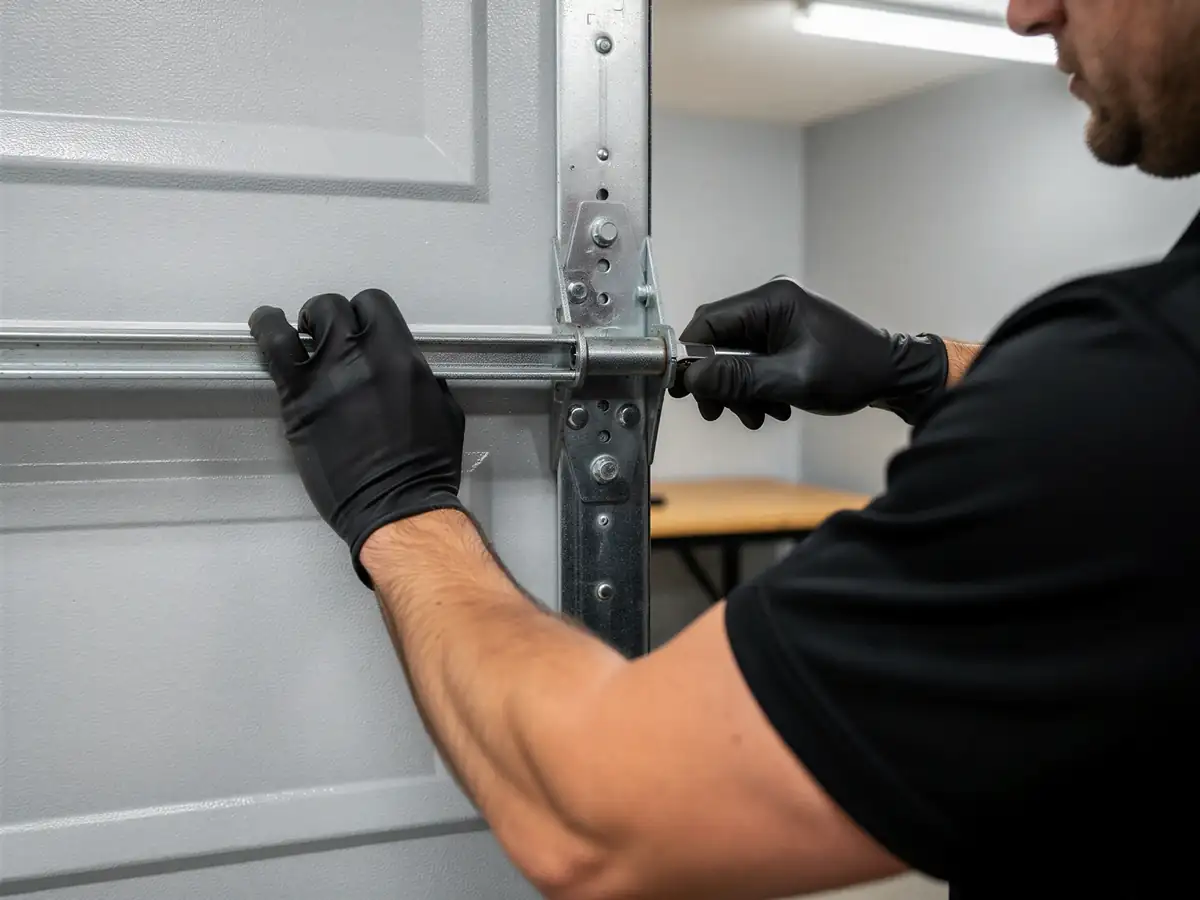
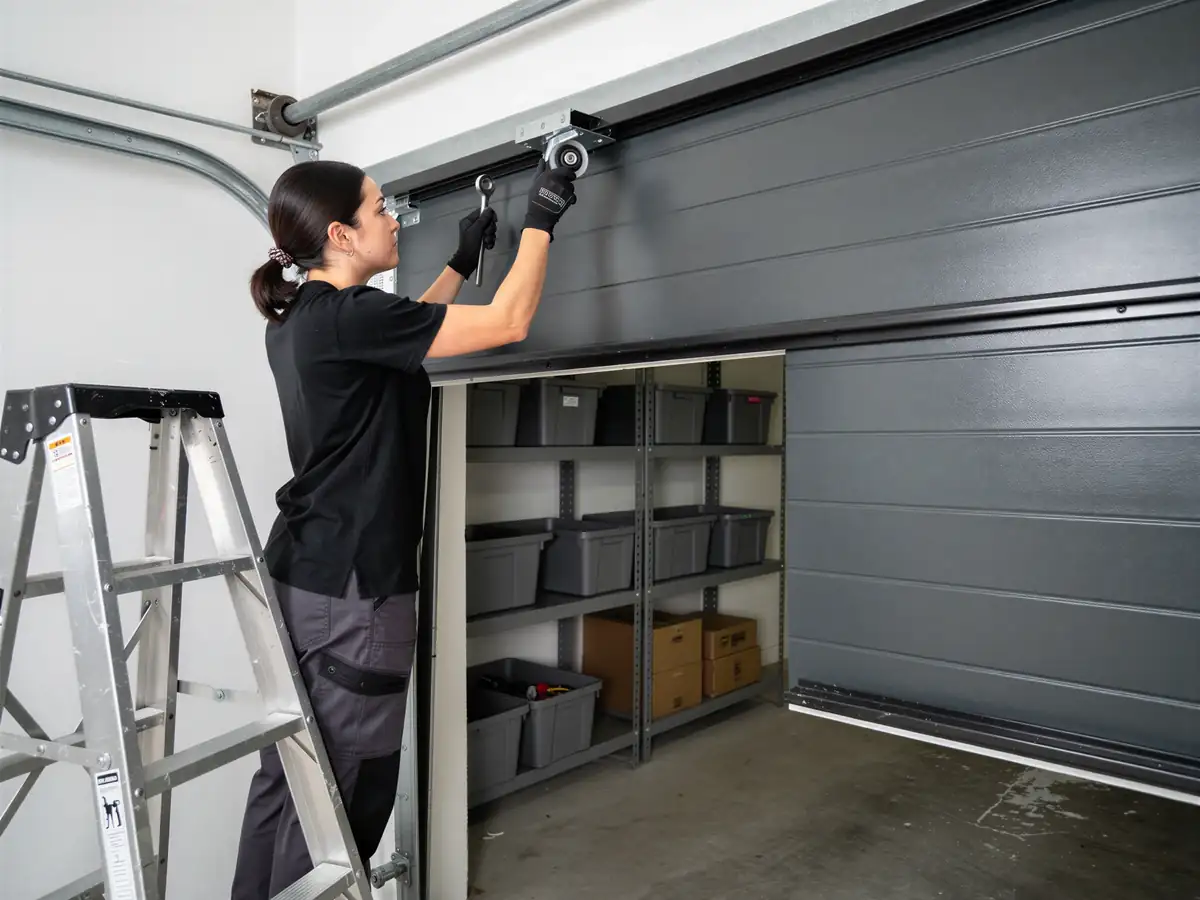
We start by running the door manually, off the opener, to feel where it drags - that tells us more about track condition than looking at the rollers alone. Then we check each roller for play in the stem and wear on the wheel face, check the brackets for cracked welds or stripped screws, and sight down both tracks for bends. On a door from Erwin's 1959-era stock, we're also checking whether the track width matches a modern roller or needs the older narrow-track part. Replacement itself is quick - pull the bracket, swap the roller, reseat it - but we do it one roller at a time with the door supported, not all at once with the door hanging open. If the track is bent, we correct that before putting new rollers in it; new hardware in a bad track fails again within months.
Why It Happens Here
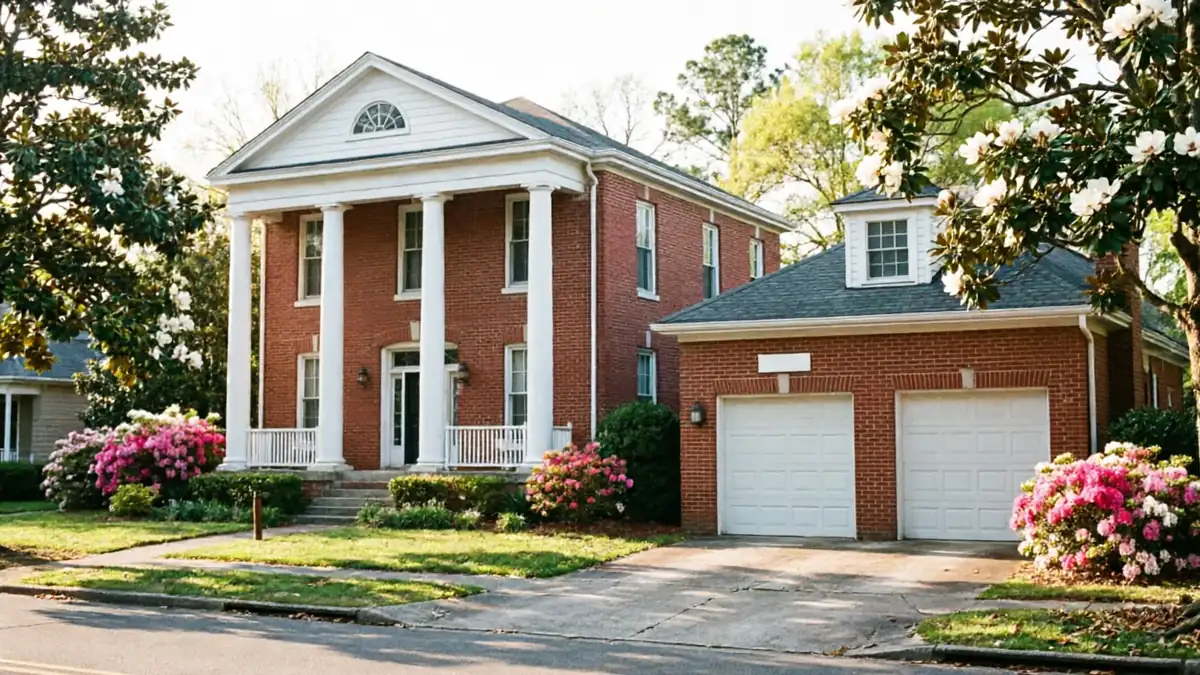
Erwin's median year built sits at 1959, noticeably earlier than the broader service area's 1979 median, and that fifteen-plus years shows up directly in roller wear. Steel rollers from that era weren't sealed, so decades of this region's cold-moderate winters and humid summers have worked grit into the bearings. A door that's run on the same unlubricated steel rollers since the Eisenhower years has had a lot more freeze-thaw cycles to work with than a door built in 1979. We travel the 20 miles from Fuquay-Varina for this work because it's common enough on Erwin's older stock to be worth the trip, not because there's a branch here - just the truck and the parts for hardware this age.