Why It Happens Here
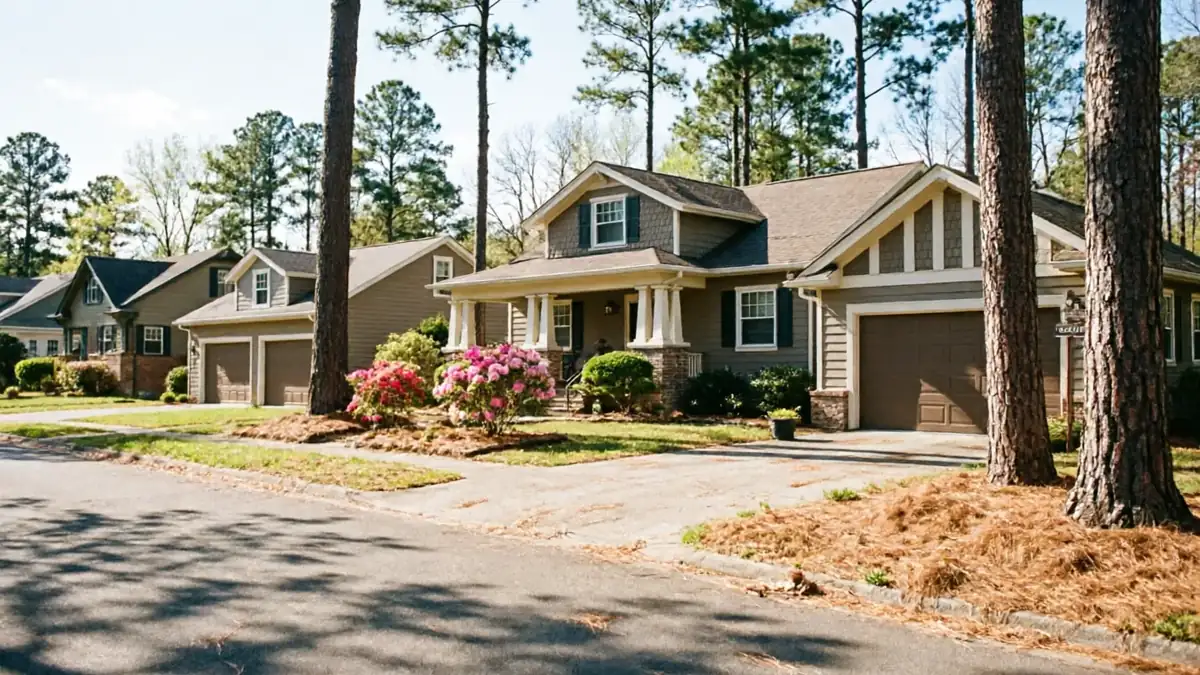
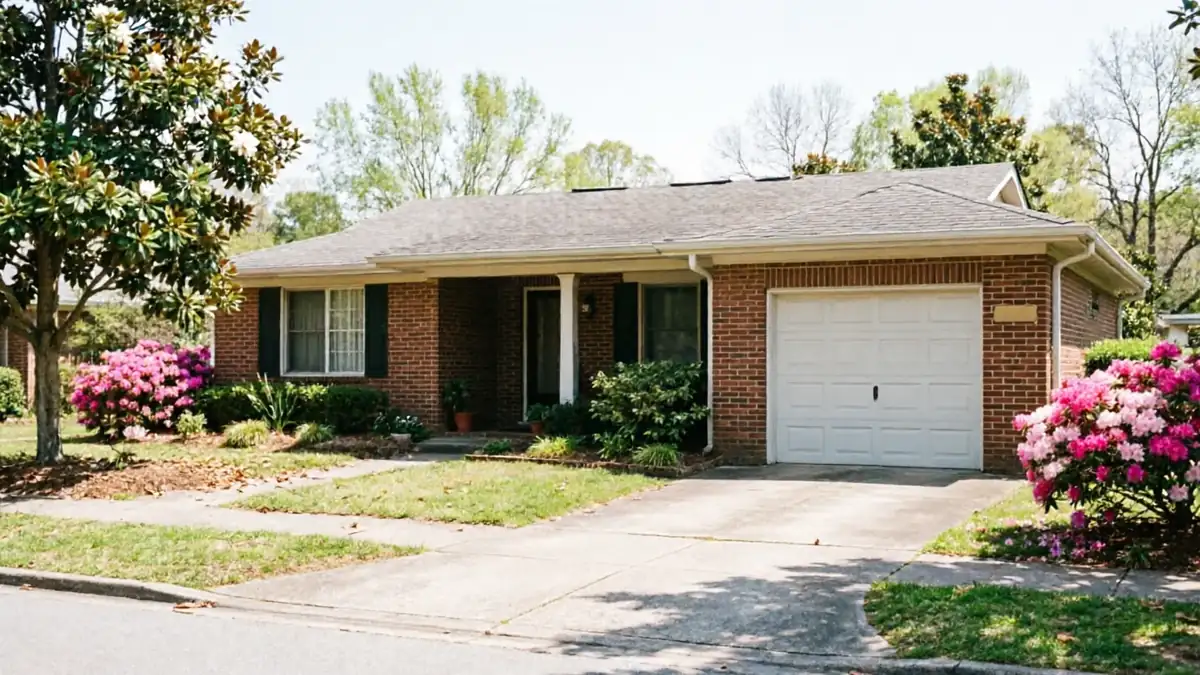
Most of the garage doors we get called out on in Fuquay-Varina sit on houses built somewhere between 1959 and 2002
With the bulk of that going up in the 1960s and 70s across the older sections of town. That stretch of construction matters more than people think. A door and opener installed in 1975 is running different spring wire gauge, different drum sizes, and often a different mounting style than something put in during the 1990s building wave that filled in the newer subdivisions. Spring counterbalance systems degrade on a cycle count, not a calendar, so a torsion spring from that mid-century build is well past its rated life by now even if nobody's touched it.
The cold-moderate climate band we sit in adds its own wear pattern
We don't get the brutal freeze-thaw of further north, but winter nights still bring enough temperature swing to stiffen lubricant in older bearings and tighten steel cable just enough to start fraying at the drum. Combine a 40-to-60-year-old spring with a cold snap and a door that's been fine all year suddenly won't lift. That's not bad luck - it's the age of the housing stock meeting the season.
What You Are Seeing
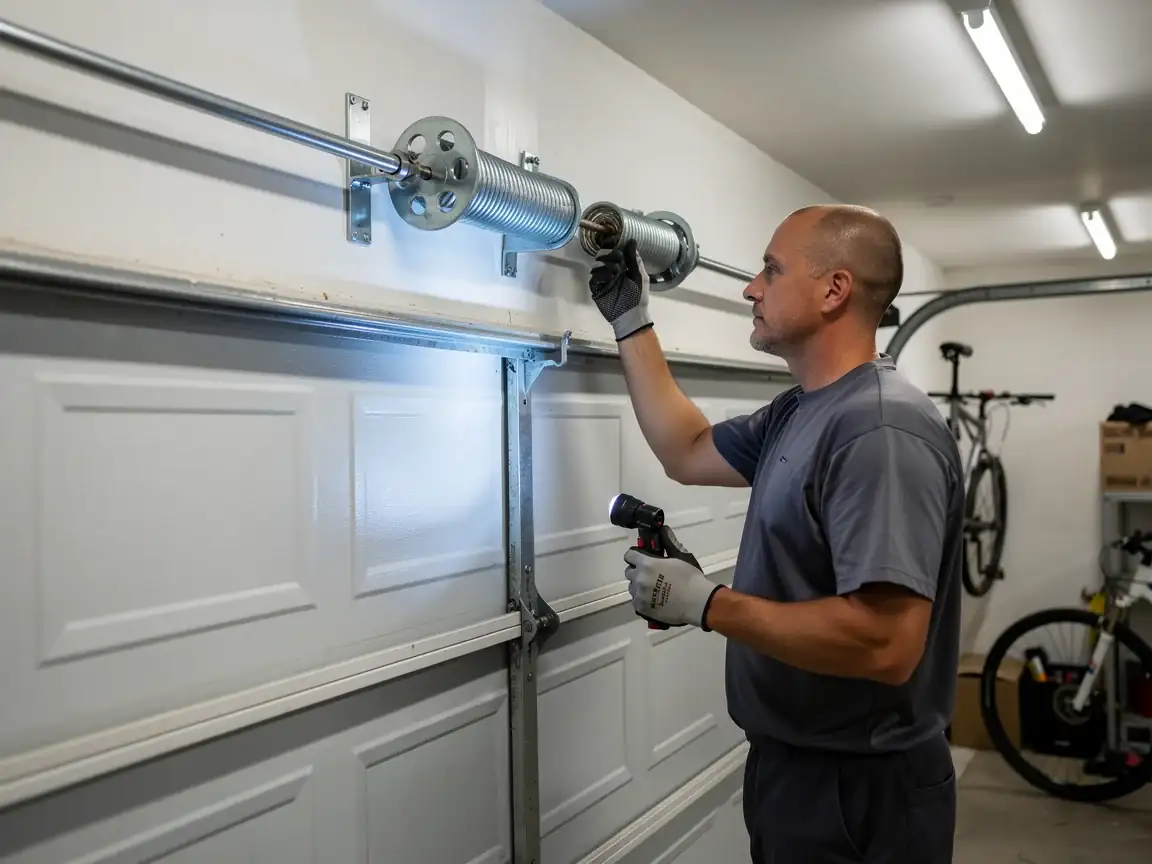
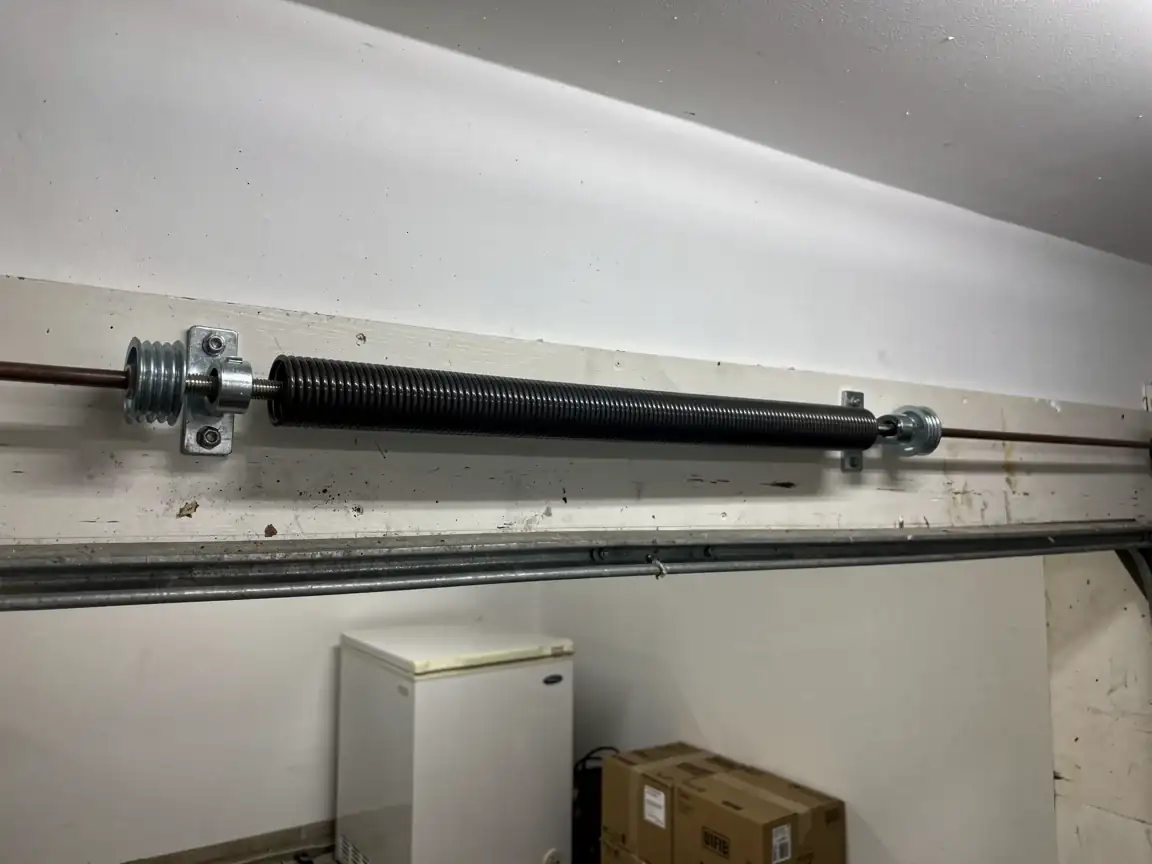
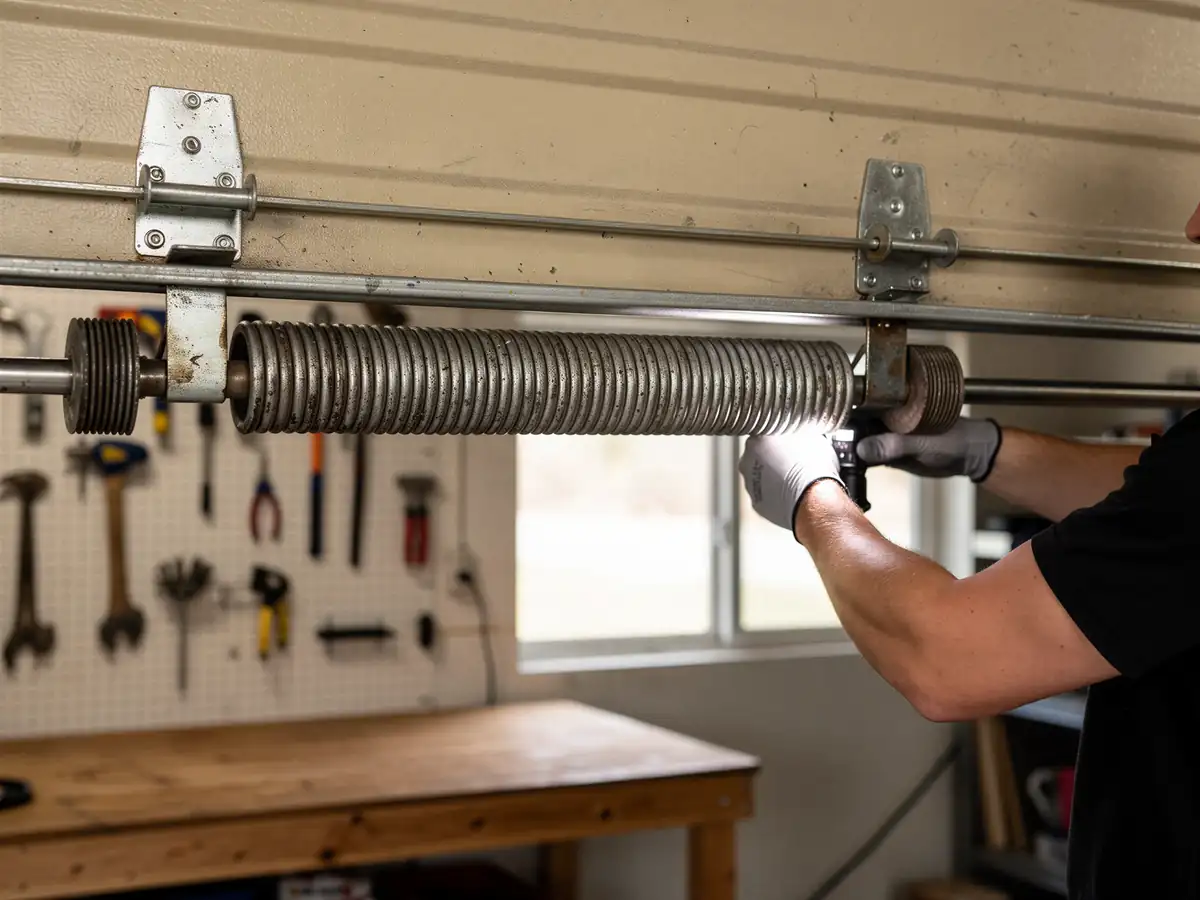
If your door is heavy to lift by hand, or the opener strains and reverses halfway up, that's usually a torsion spring that's lost tension - common on the older end of our housing range where the original spring has never been replaced. A loud bang from the garage followed by a door that won't budge is almost always that same spring letting go outright.
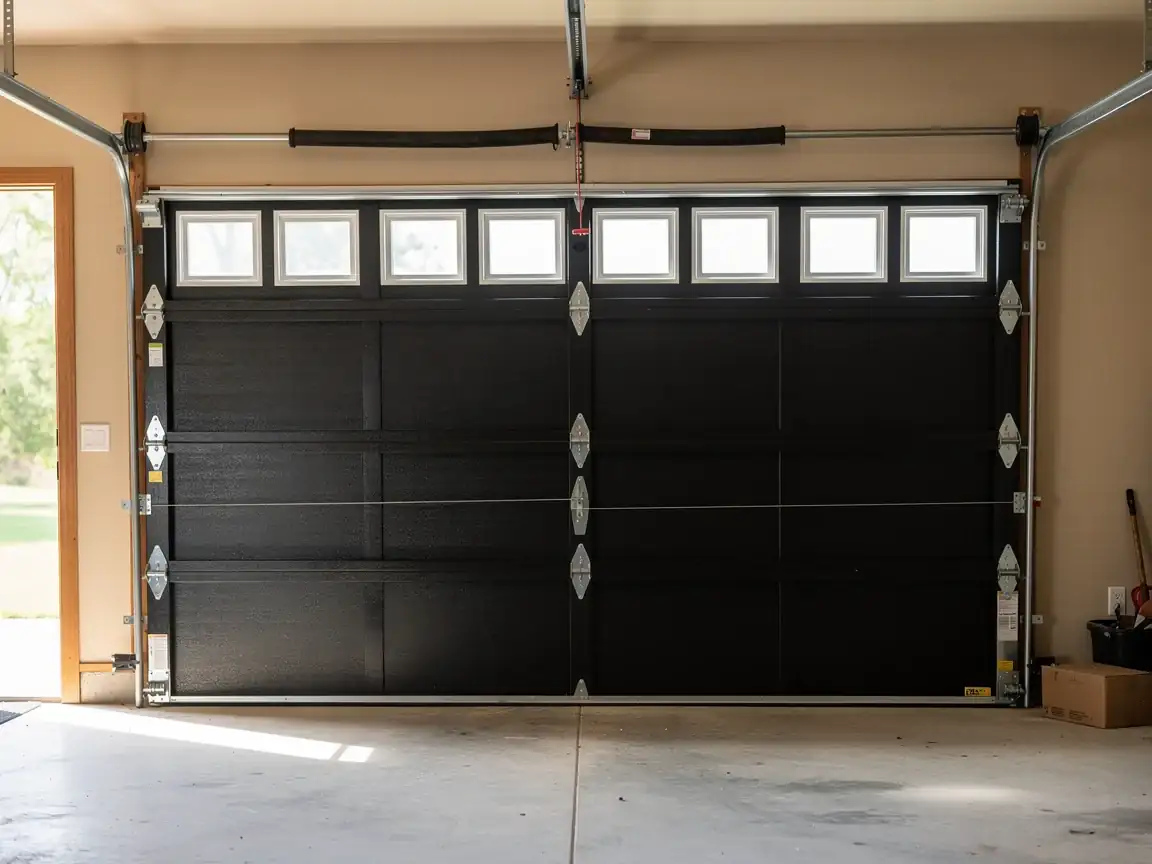
Cables that look frayed or have jumped off the drum tend to show up on doors from the earlier part of our 1959-2002 build window, where galvanized cable has had decades to work. On the newer side of that range, closer to doors installed in the 1990s, we see more opener-related complaints: grinding gears, a motor that runs but the door doesn't move, or remotes that stop responding. Tracks bent from a car bump or a door that's started walking sideways on worn rollers are common across the board regardless of age, since that's driver error more than materials.
A door that opens fine but closes crooked, or reverses for no reason, usually points to a misaligned safety sensor or a bent section of track rather than the spring system.
The DIY Question
A torsion spring holds enough stored tension to break a bone or worse, and that doesn't change no matter how old or new the door is. We don't recommend homeowners touch spring replacement, winding bars or not. Cable work on the drum carries the same risk.
What you can reasonably handle yourself: checking that the track is clear of debris, tightening visible hardware that's rattled loose, lubricating hinges and rollers with the right product, and testing the auto-reverse safety feature by placing a block under the door. Those are maintenance tasks, not repairs, and they genuinely extend the life of a door that's already in decent shape.
Here's the honest limit: if your opener is original to a house built in the earlier part of our 1959-2002 range, parts for that exact model are often discontinued. In that case we're not chasing down a 1970s part - we're pricing a new opener against the labor to keep hunting, and most of the time replacement wins on cost per hour spent.
What the Fix Involves
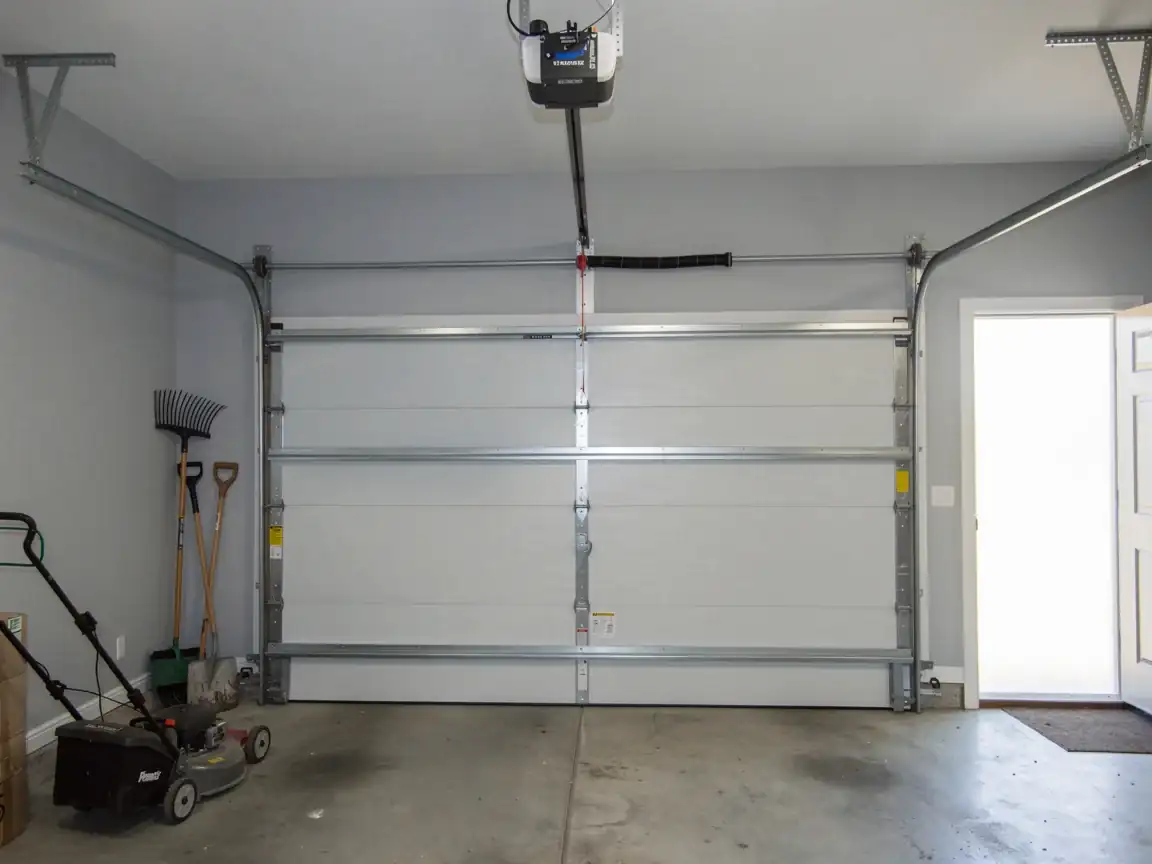
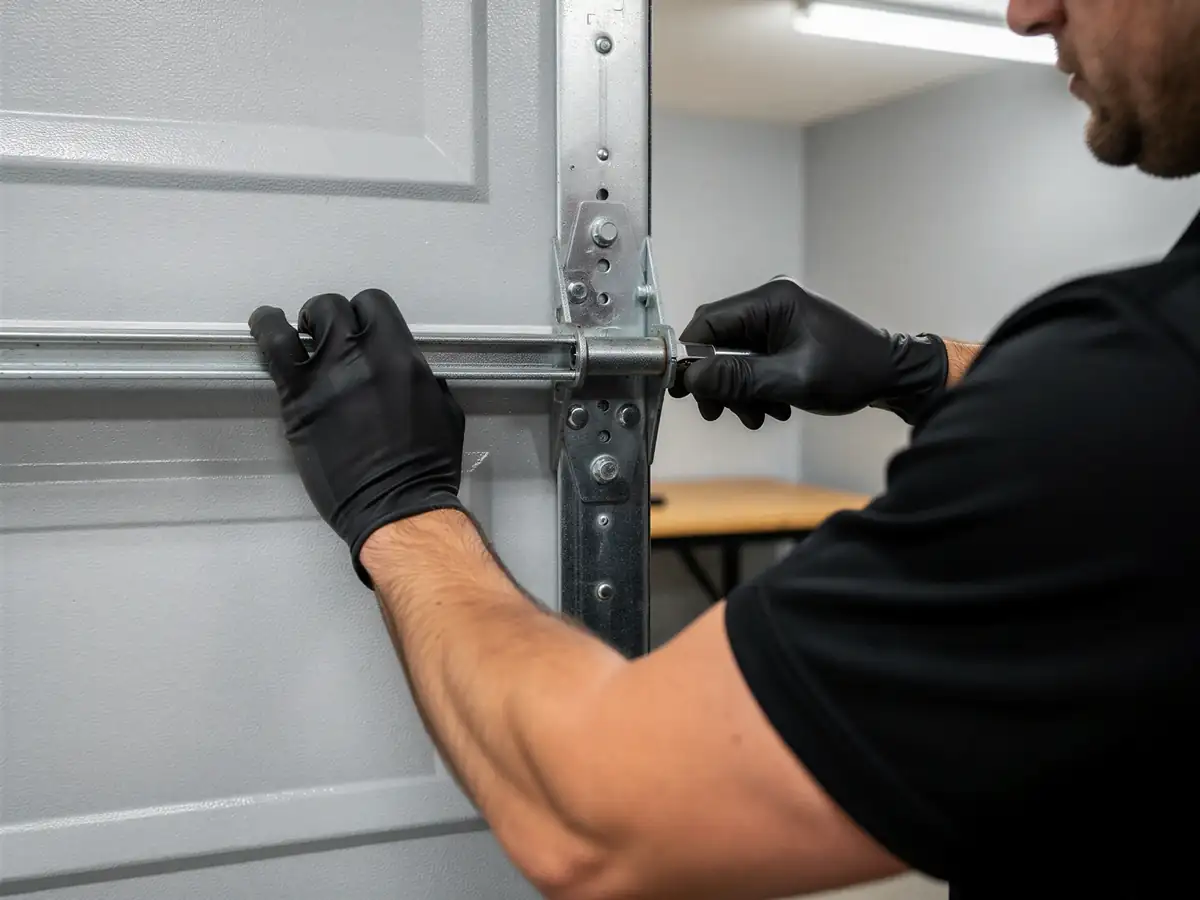
For a broken torsion spring, the job means releasing residual tension safely, pulling the old spring, and matching wire size and length to the door's actual weight and the drum setup already on the house - not a generic size off a shelf
Doors from the 1960s-70s stock often run different drum diameters than the ones installed closer to 2000, so we measure rather than guess.
Cable replacement follows the same logic
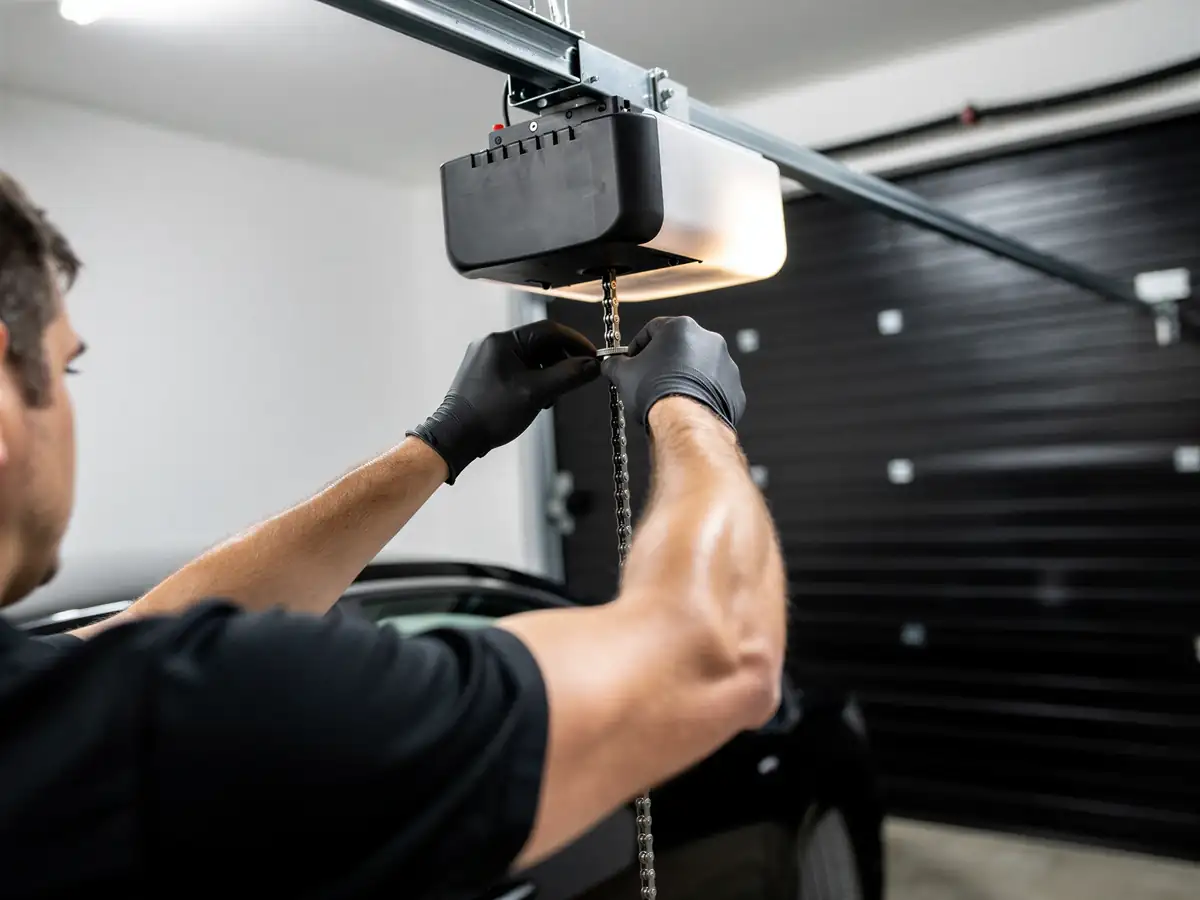
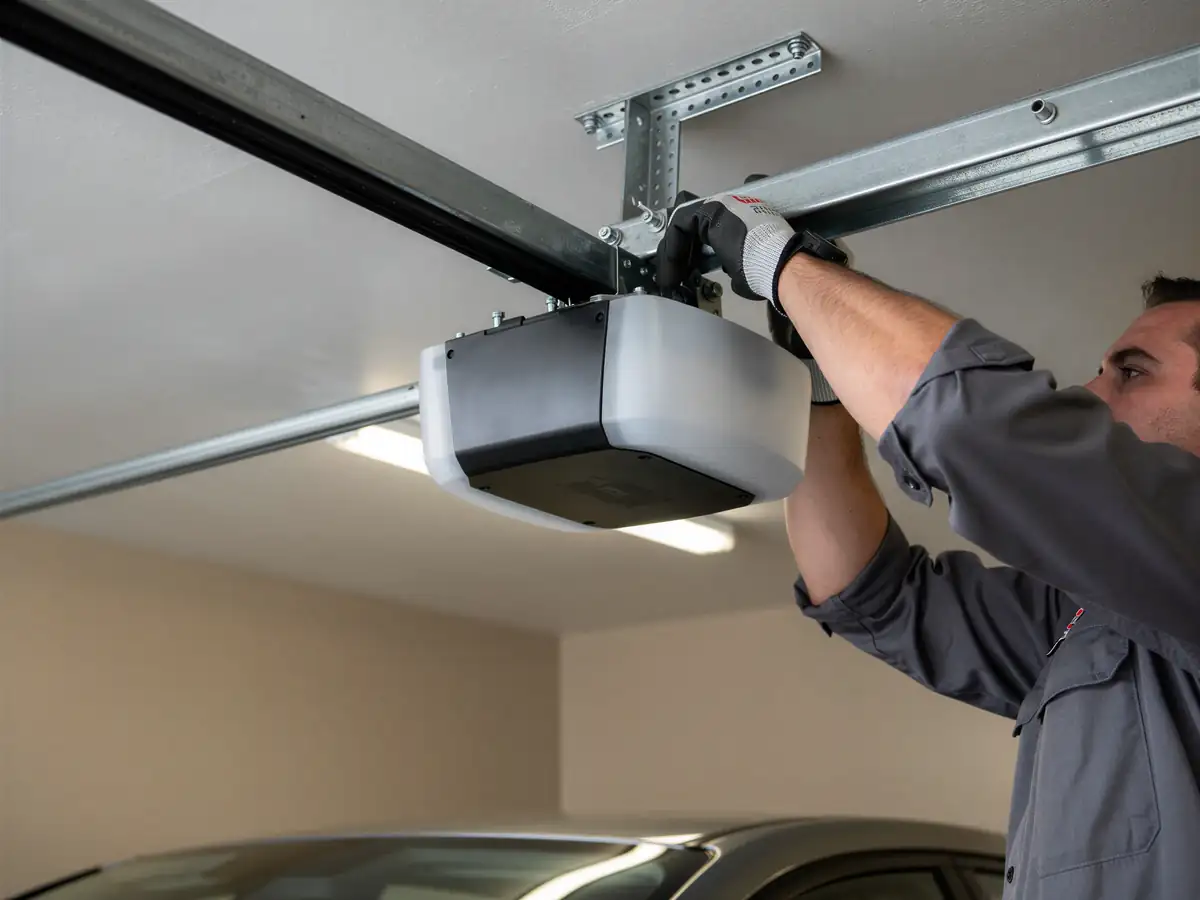
Matched length, correct drum seating, and a check that the other side isn't close to failing too, since cables on a matched pair usually age together. Opener repairs or swaps involve checking the circuit board, gears, and sensor alignment before we recommend a full replacement - we don't sell an opener when a $30 sensor realignment solves it.
We work out of Fuquay-Varina and cover the surrounding area
Including Angier about 6 miles out, Lillington and Buies Creek around 13 miles, Coats at 14, and Broadway, Benson, and Erwin in the 18-to-20 mile range. Travel time factors into same-day scheduling depending on where you sit in that radius.