What the Housing Means for Your Door
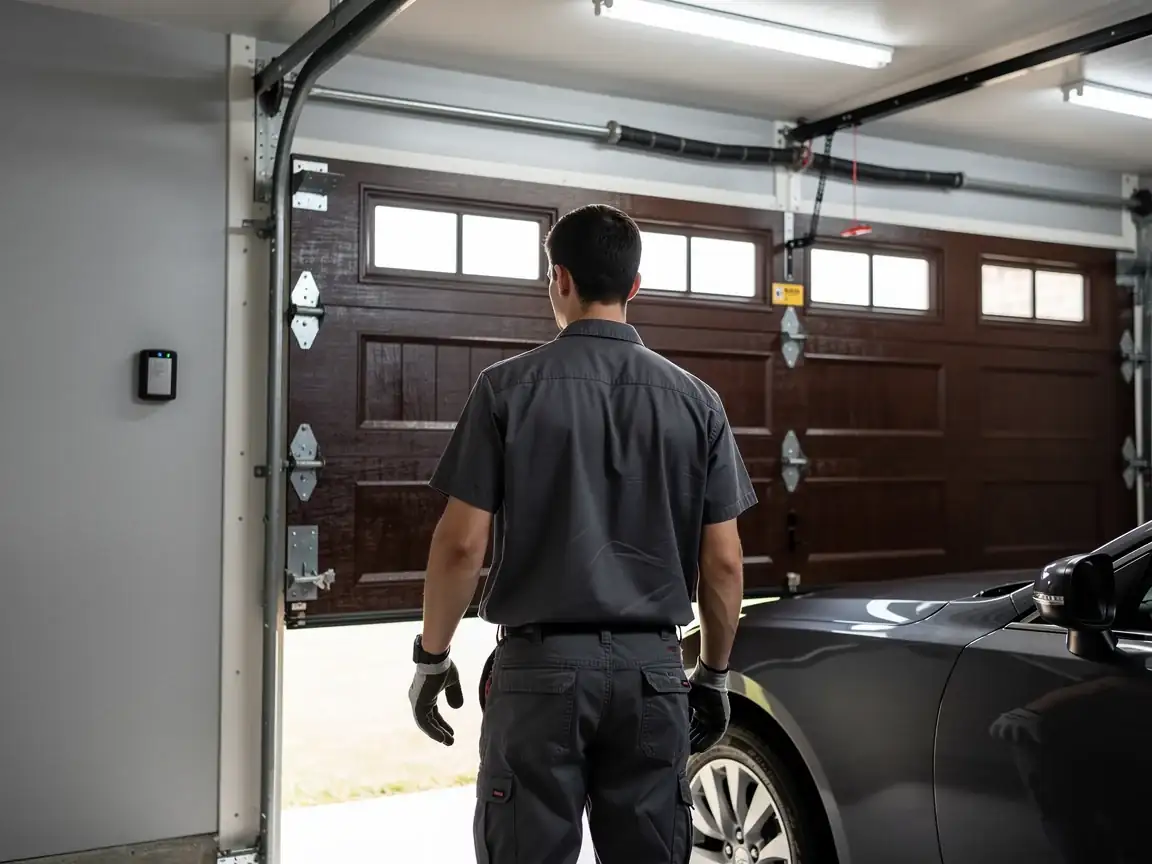
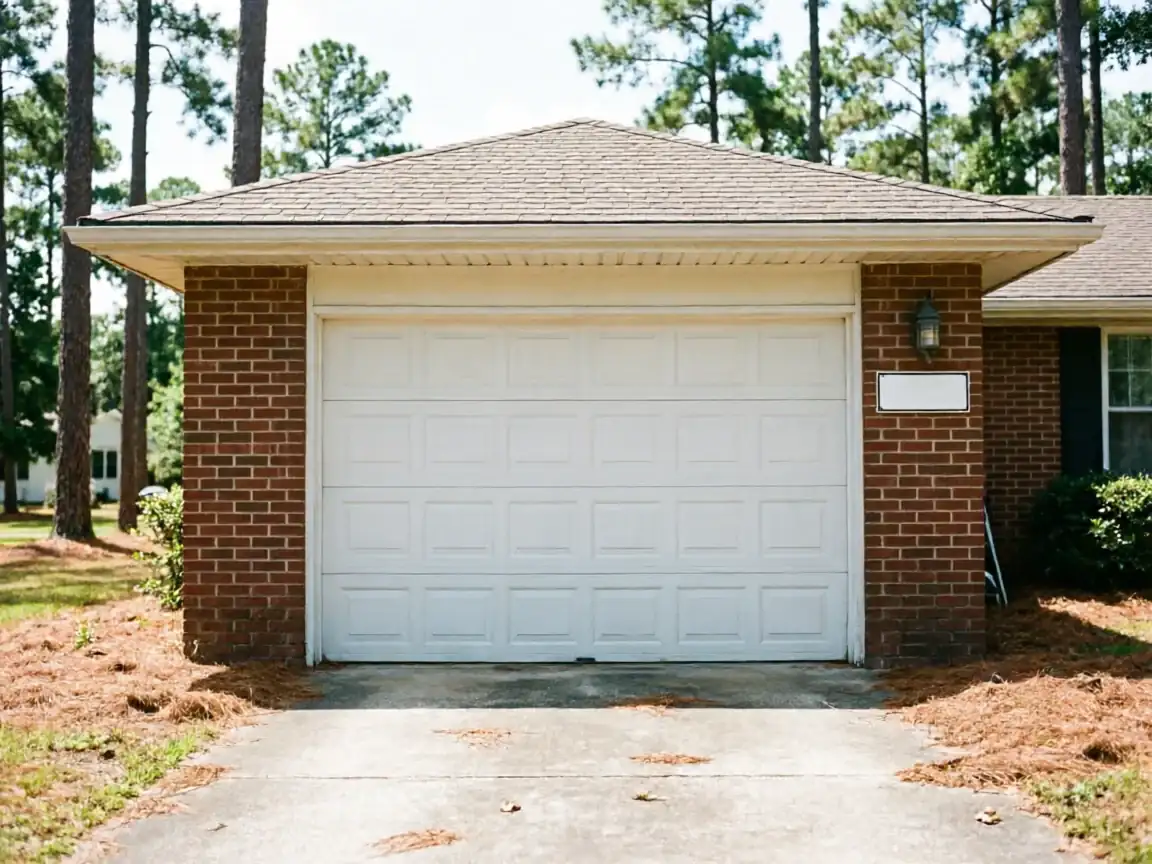
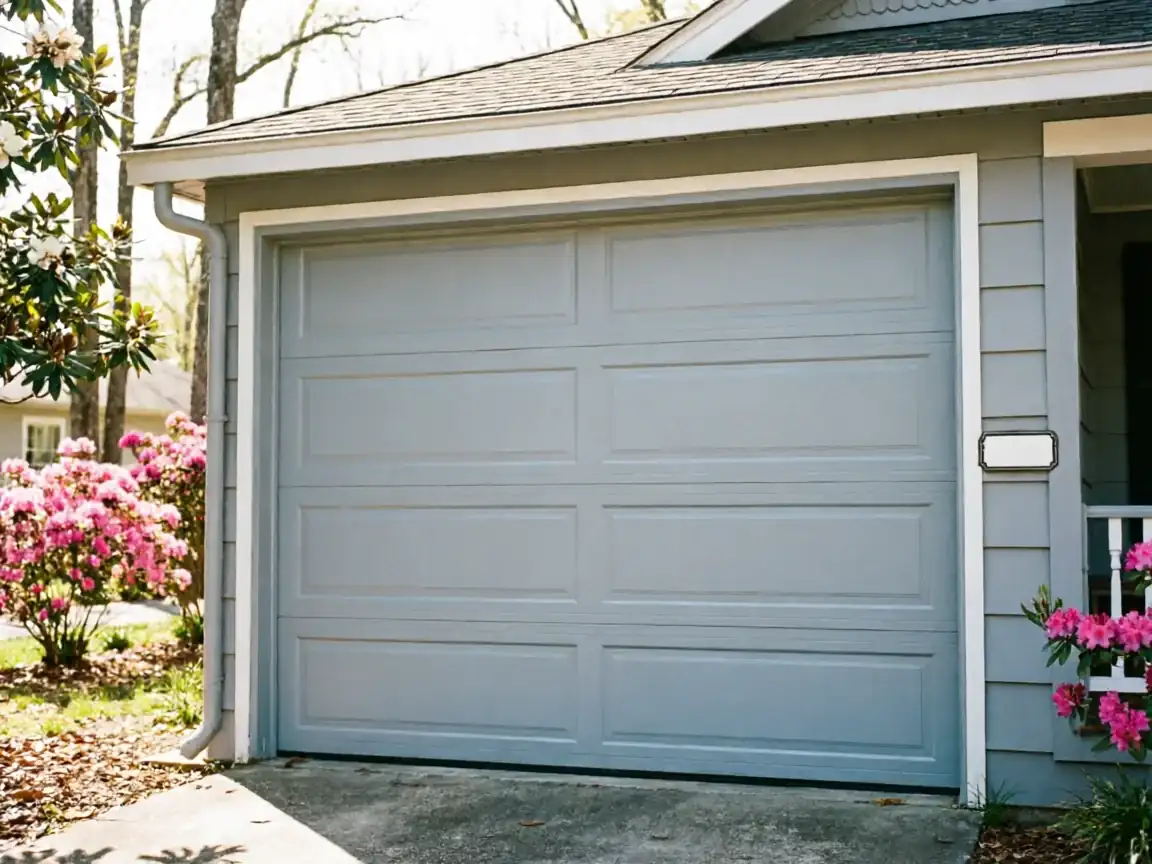
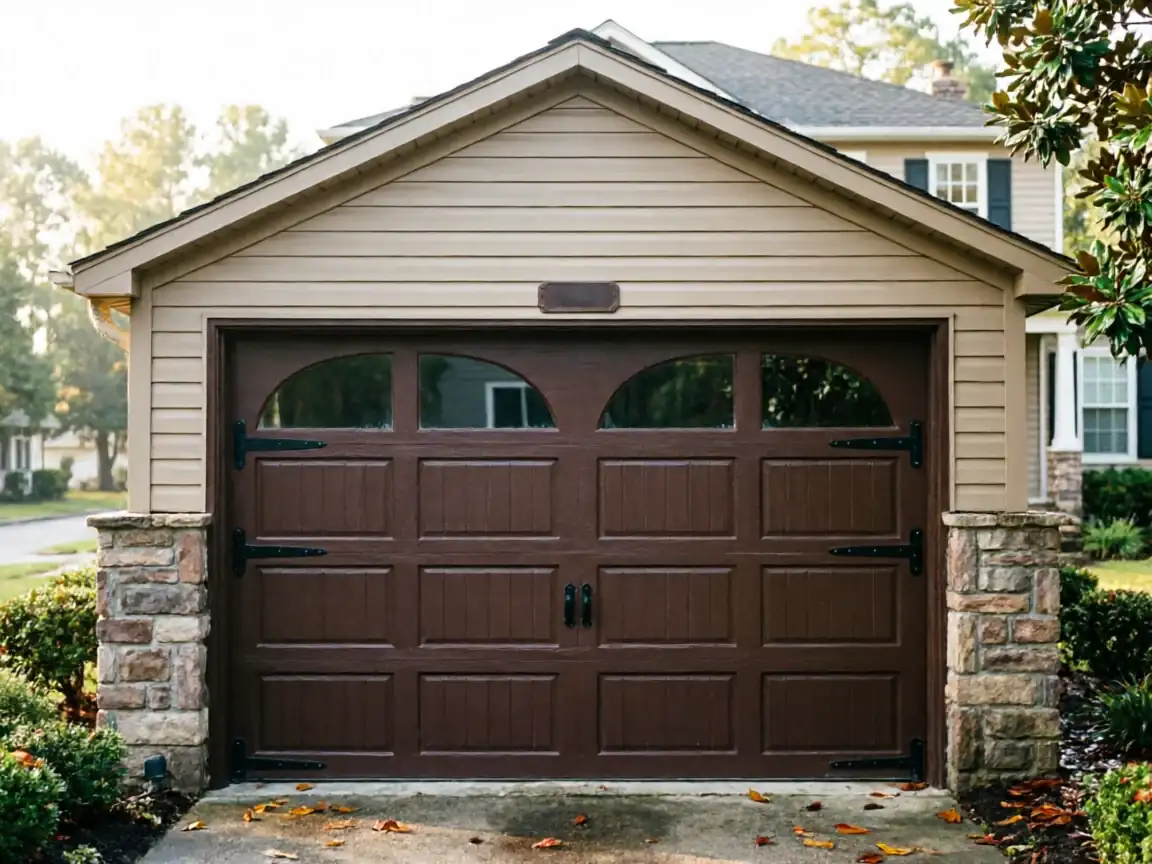
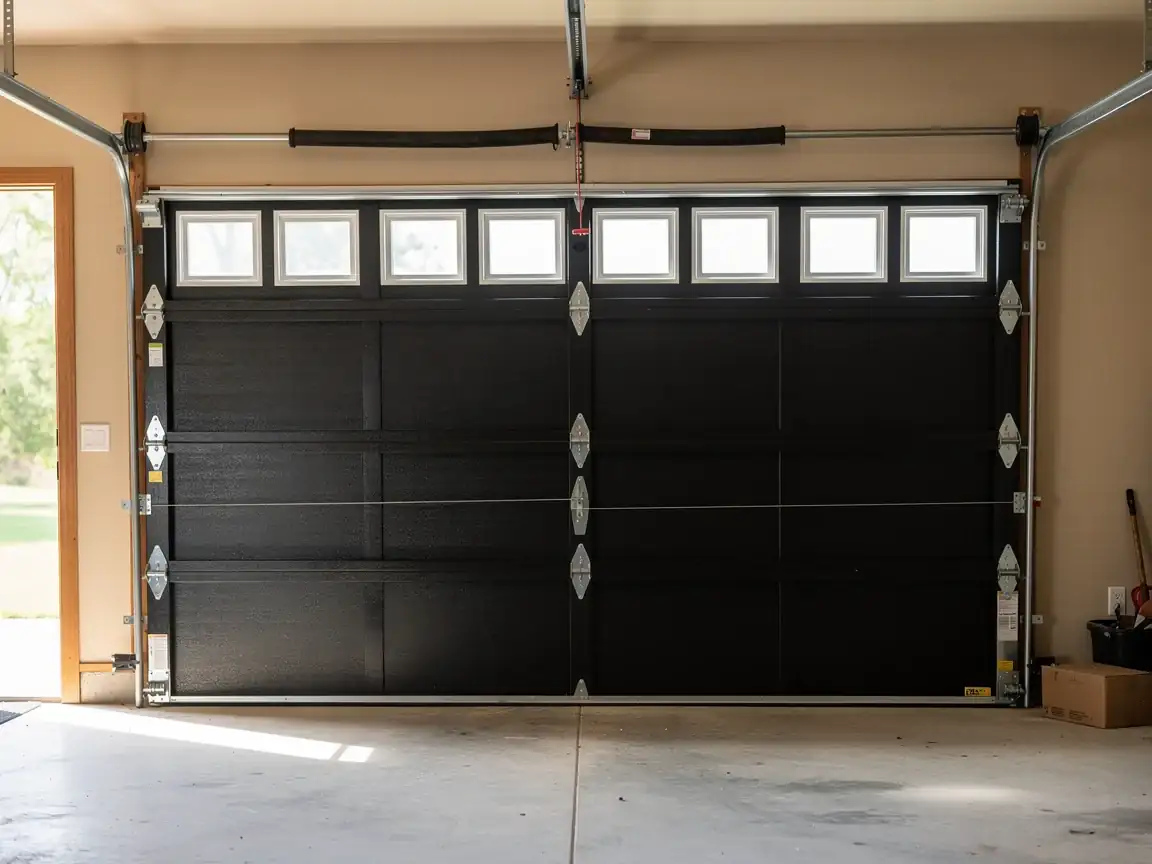
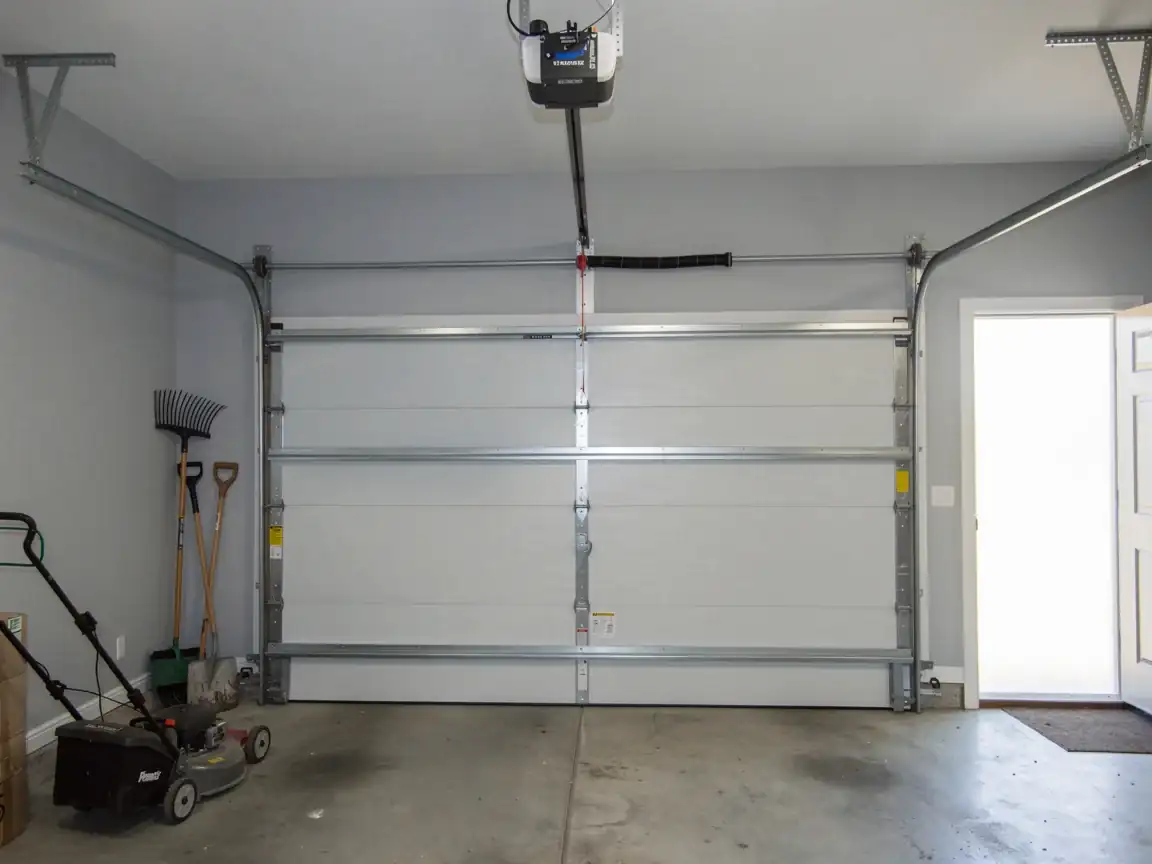
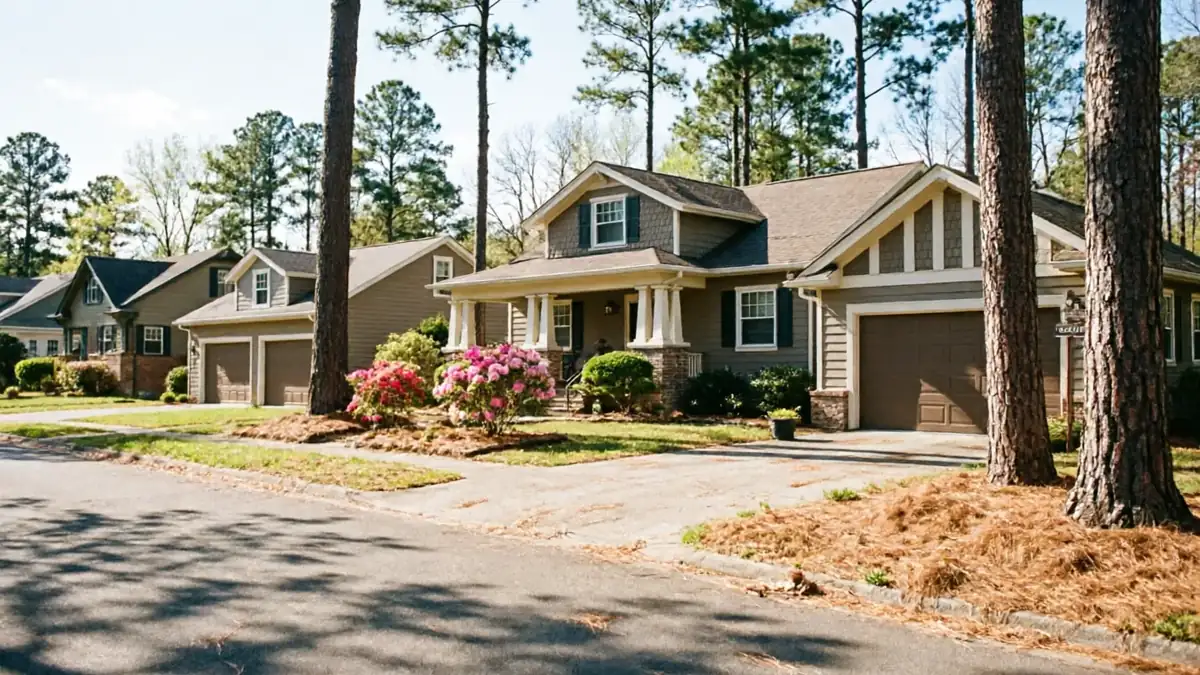
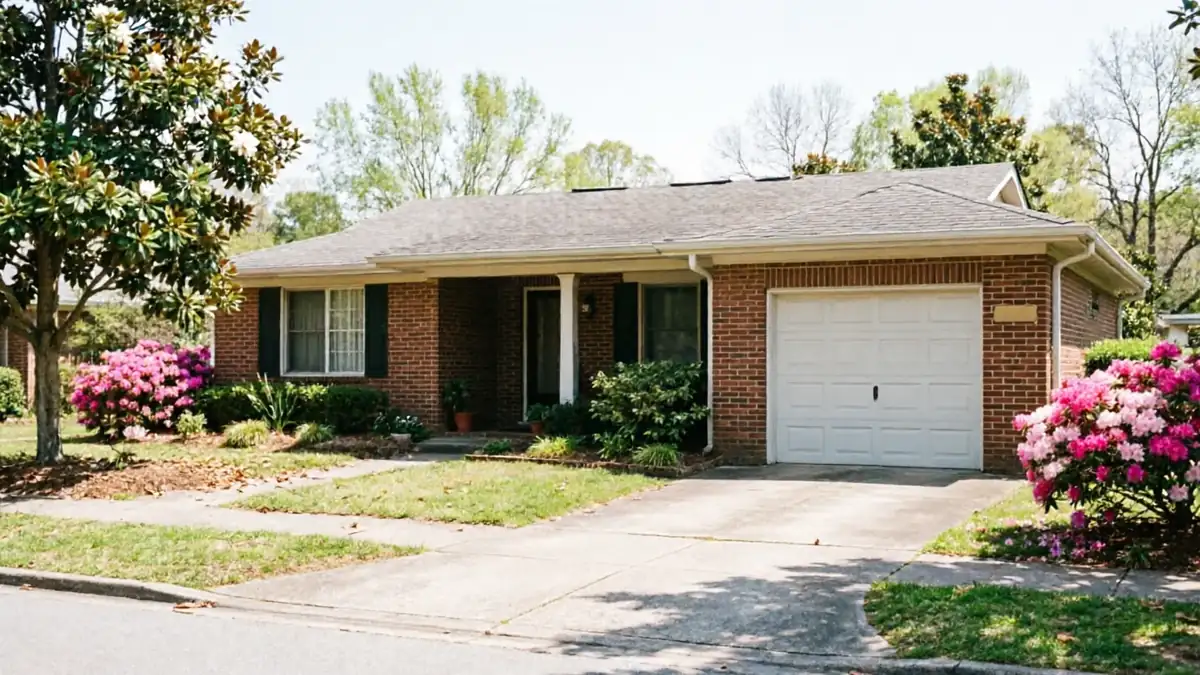
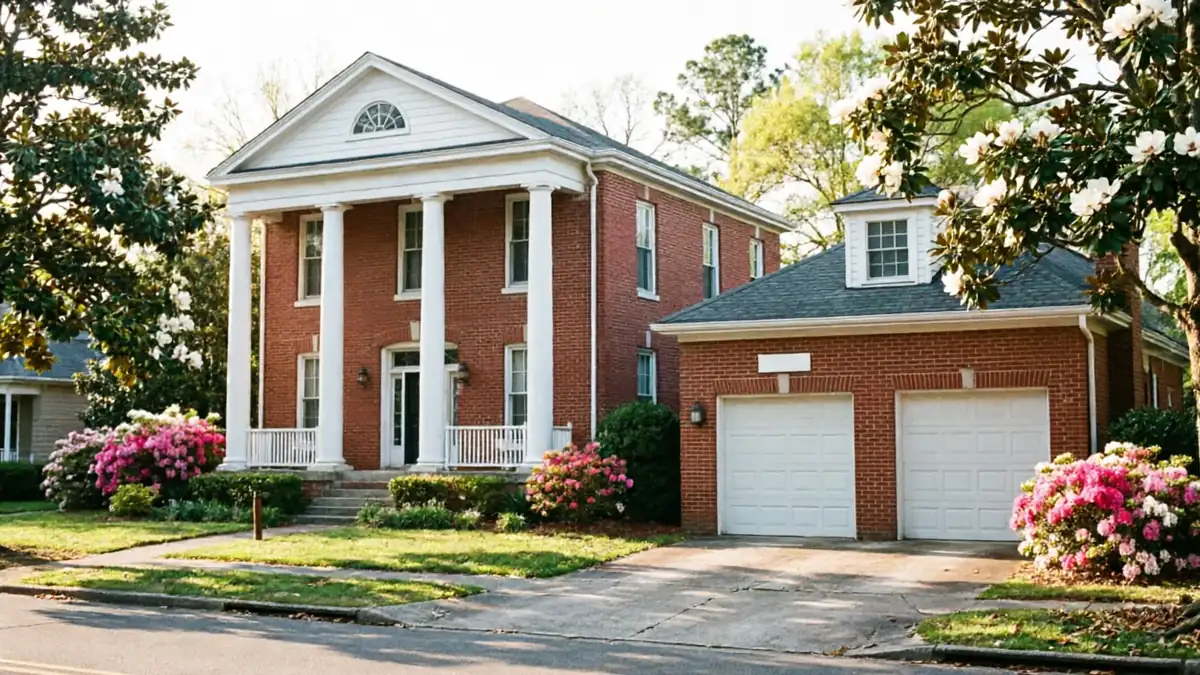
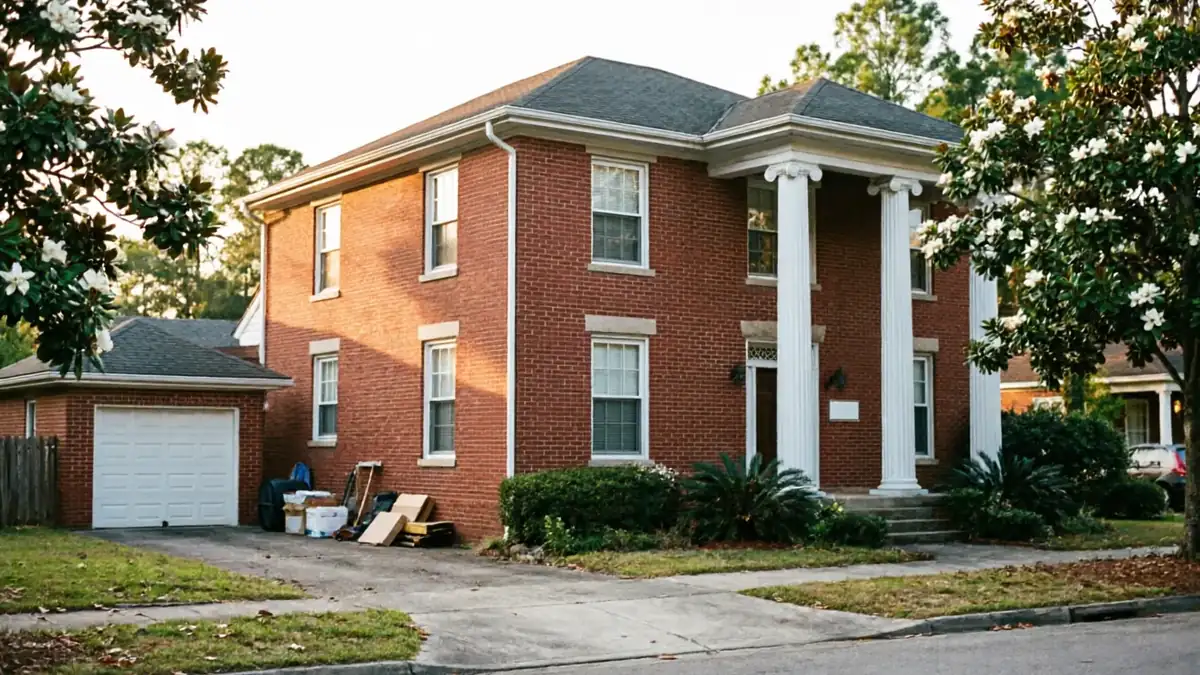
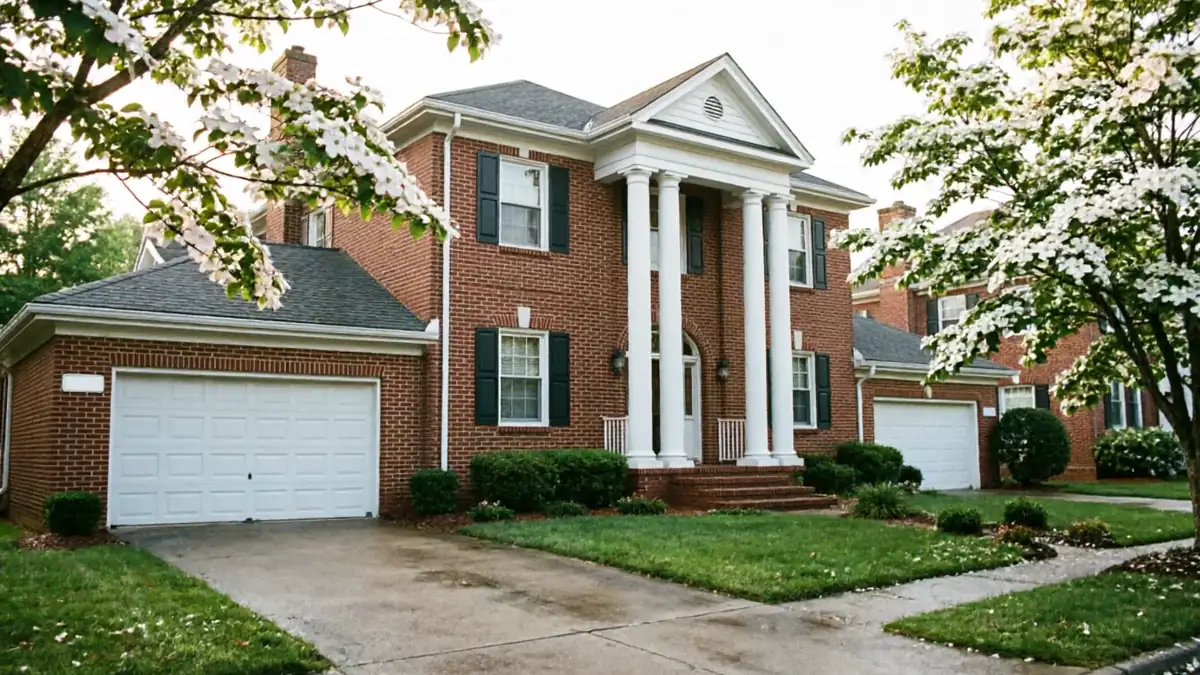
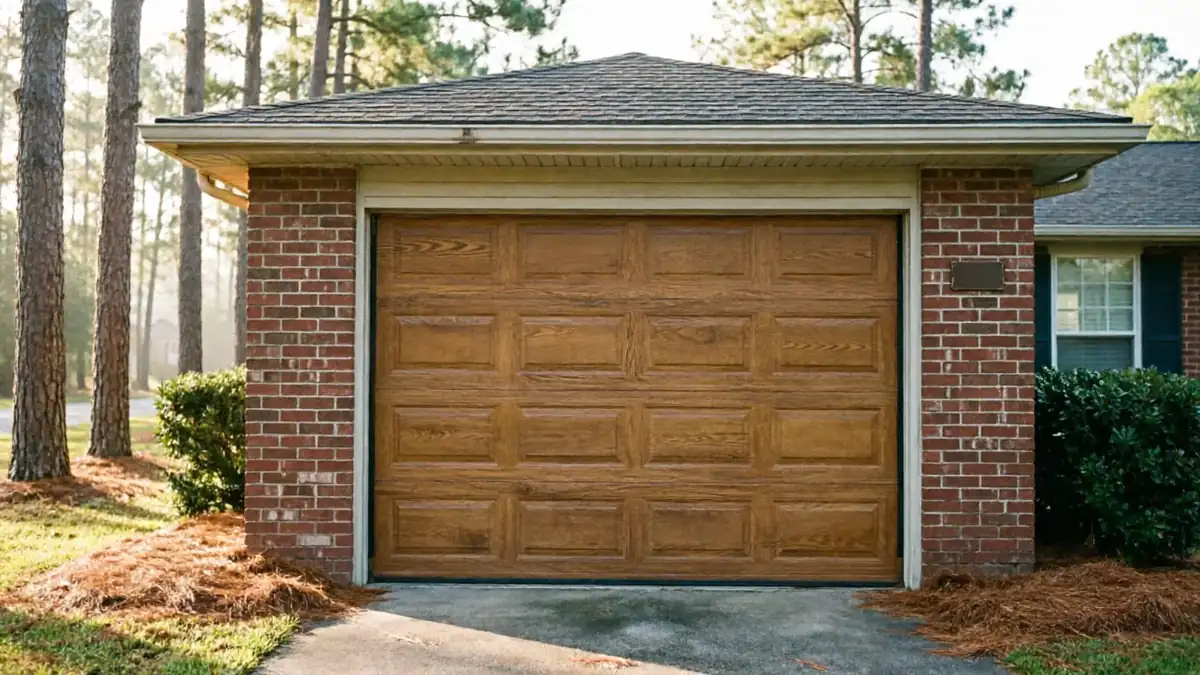
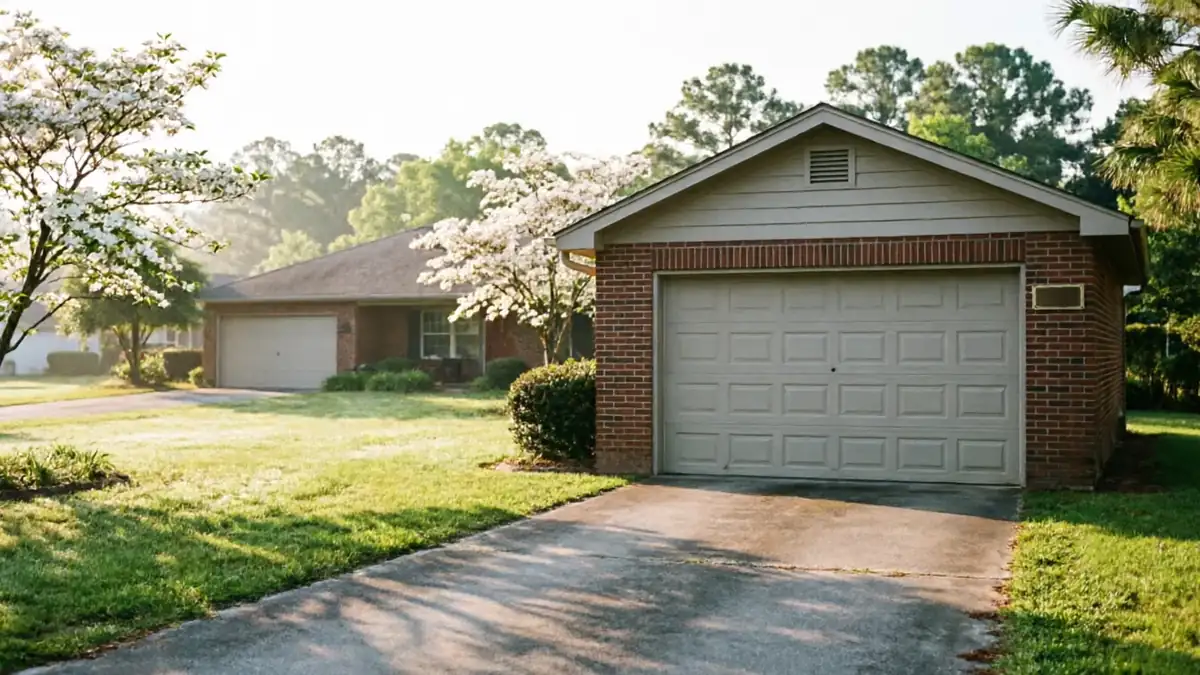
This is the section that actually separates Buies Creek from most of the rest of our coverage area. The median year built here runs around 2002, a good two decades newer than the 1979 median across our wider service territory. That gap matters more than it sounds. Doors and openers installed from the late 1990s through the 2000s are typically steel sectional panels on extension or torsion spring setups with chain or belt-drive openers - not the older one-piece or side-mounted torsion hardware you'd find on a 1960s or '70s house. Parts for this generation are still in normal production, which means repairs tend to be straightforward and inventory isn't the holdup it can be on older stock. The failure points we see are the ones you'd expect on a 20-plus-year-old door: worn rollers, stretched cables, opener logic boards that have simply aged out, and springs reaching the end of their cycle count.
Common Jobs Here
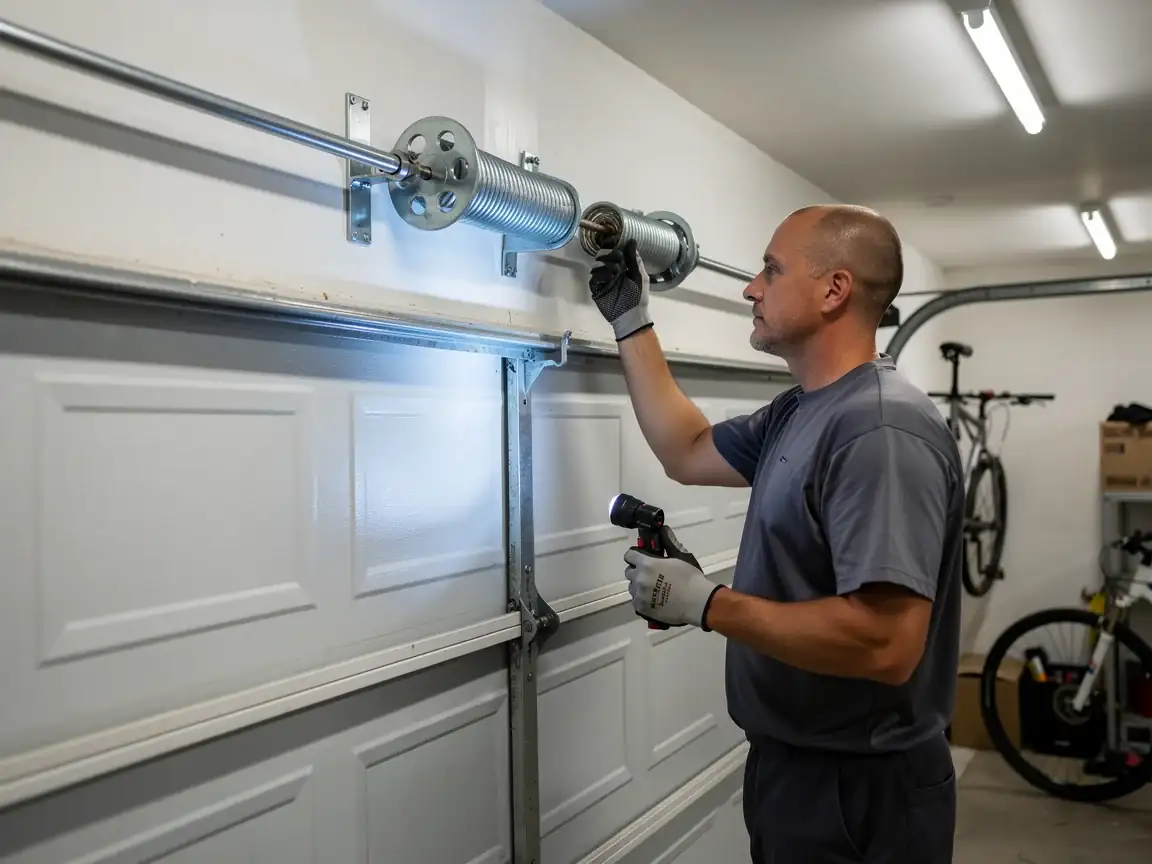
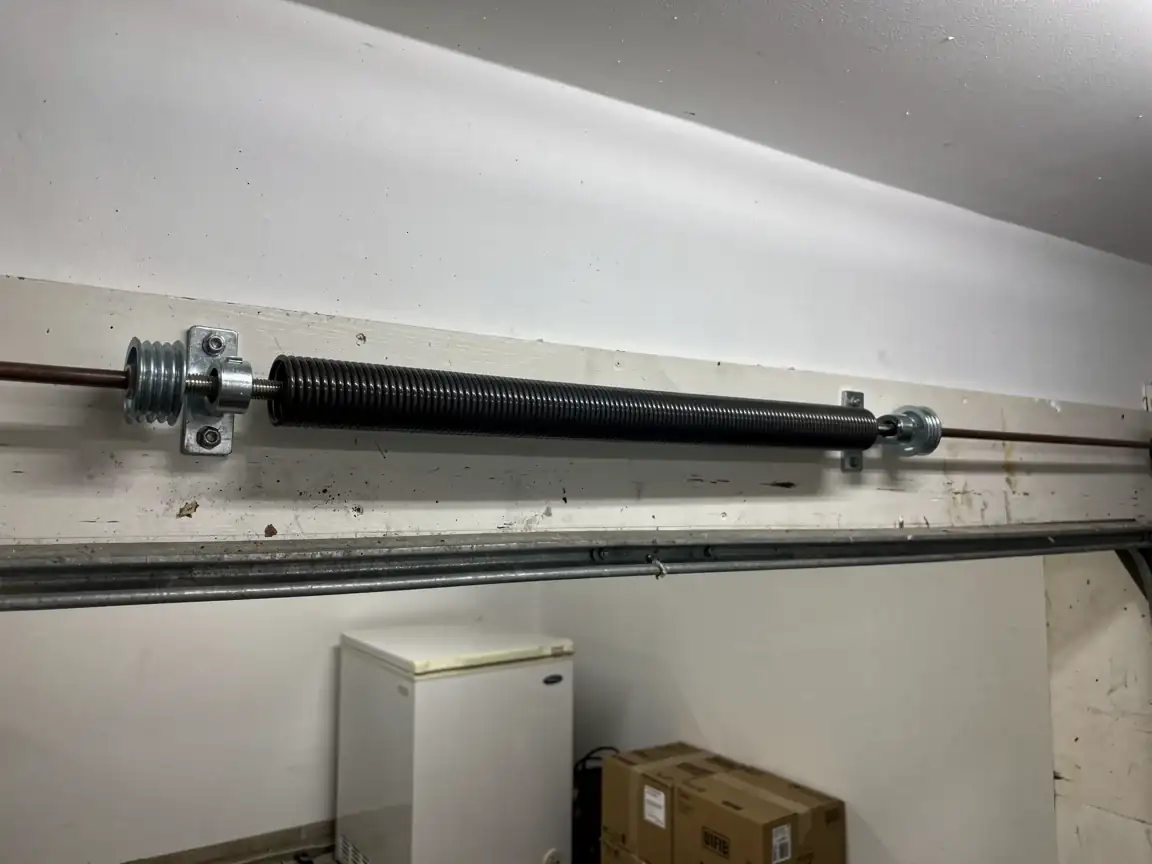
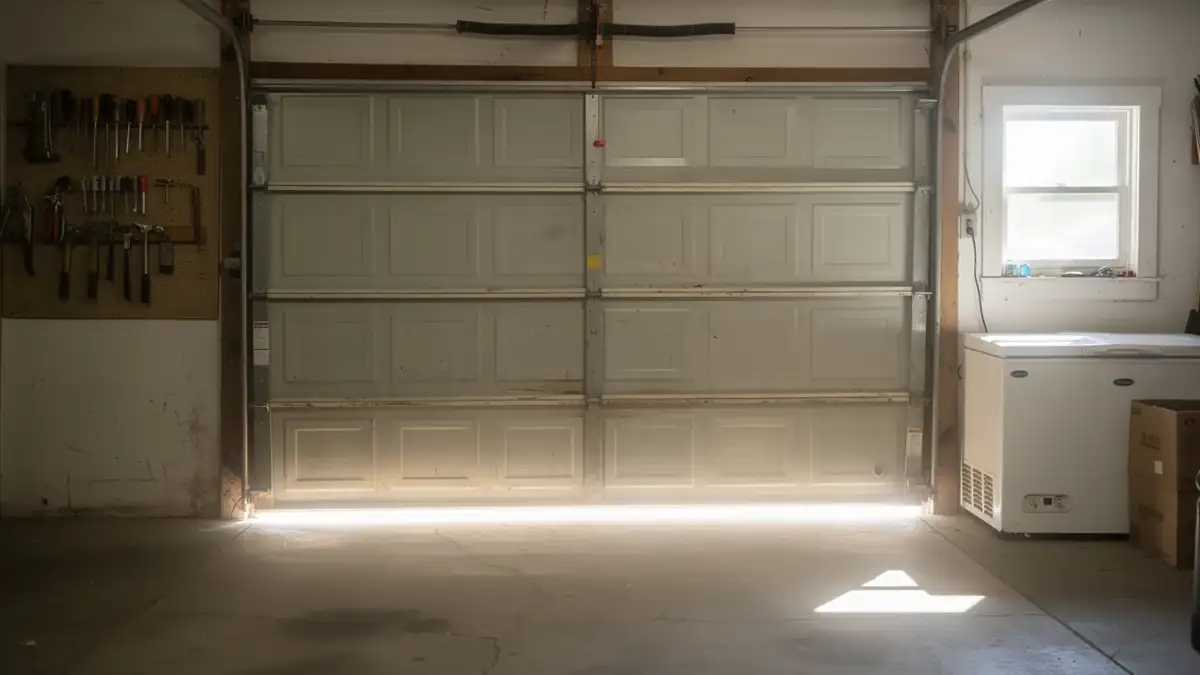
Given the age of the housing, the calls out here run toward mechanical wear rather than hardware replacement. Torsion springs that have put in two decades of cycles are a frequent one - they don't fail dramatically most of the time, they just get slower and heavier to lift by hand before they finally let go. Opener issues are common too: circuit boards, drive gears, and sensors on units installed when these houses were new are reaching the point where repair isn't always worth it compared to a straight swap. Our region sits in a cold-moderate climate band, which plays into this - temperature swings through the year add stress to weatherstripping and to opener electronics that weren't built for extremes either way. We also see track and roller wear from basic daily use, since a 20-year-old door has been through a lot more open-close cycles than anyone thinks about until it starts binding.