The DIY Question
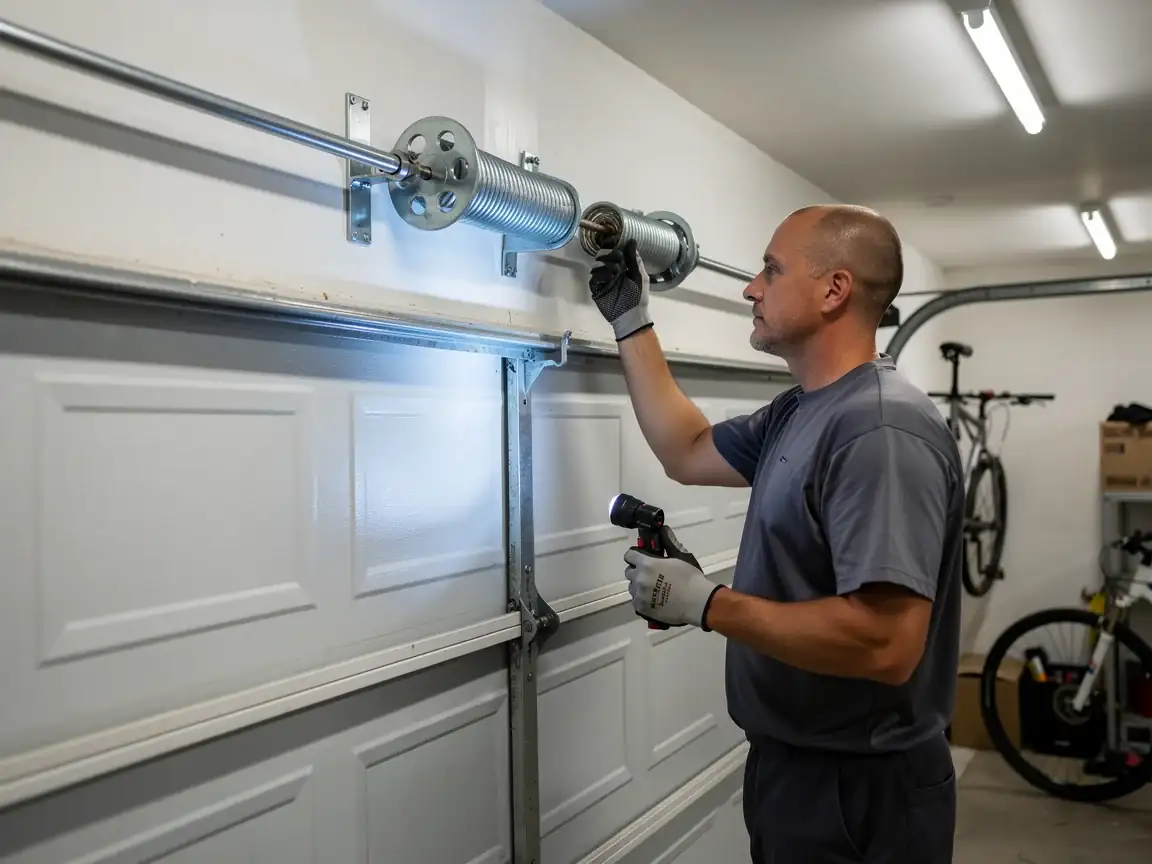
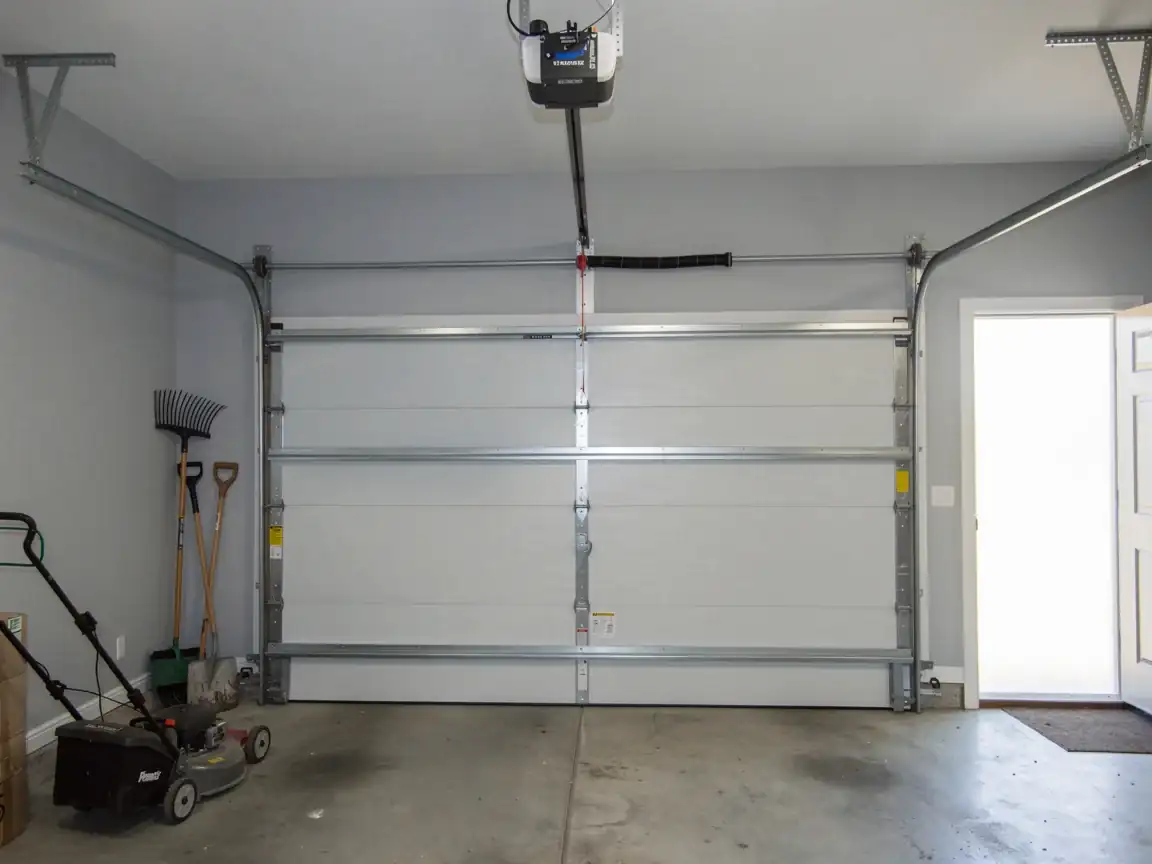
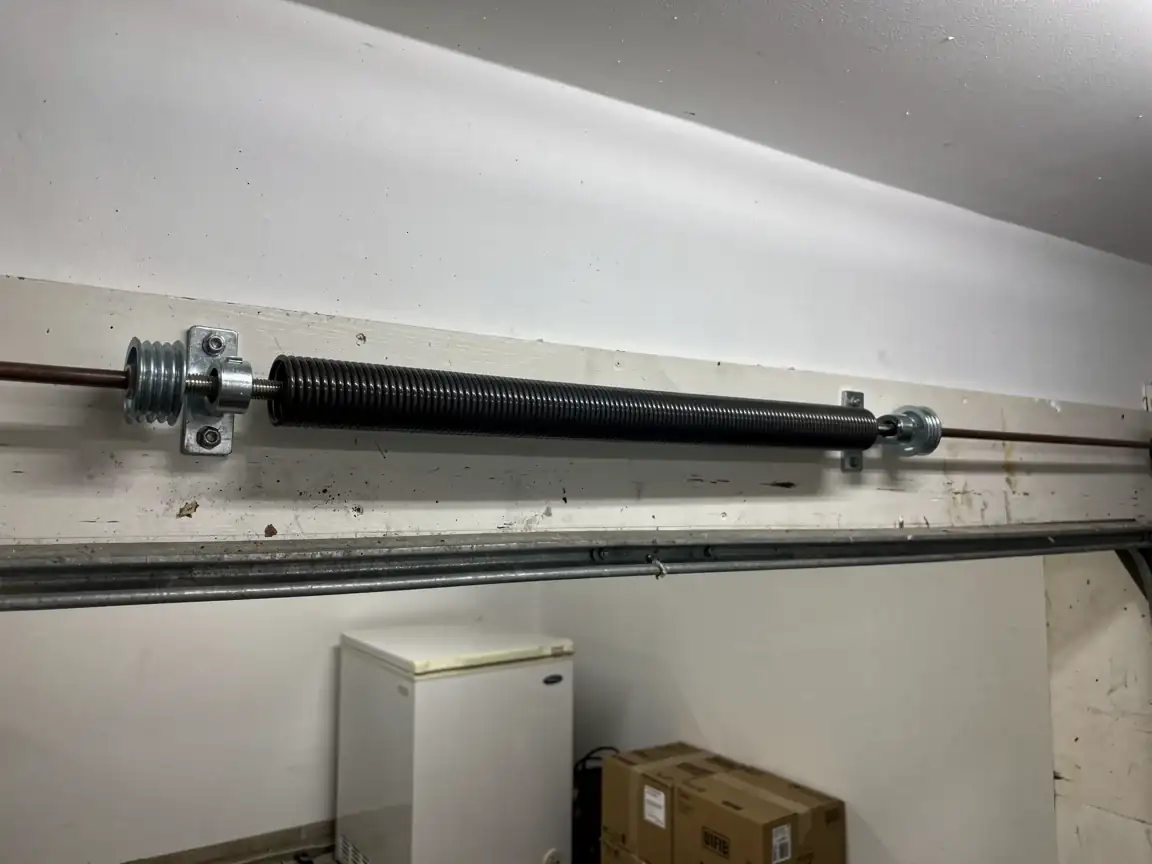
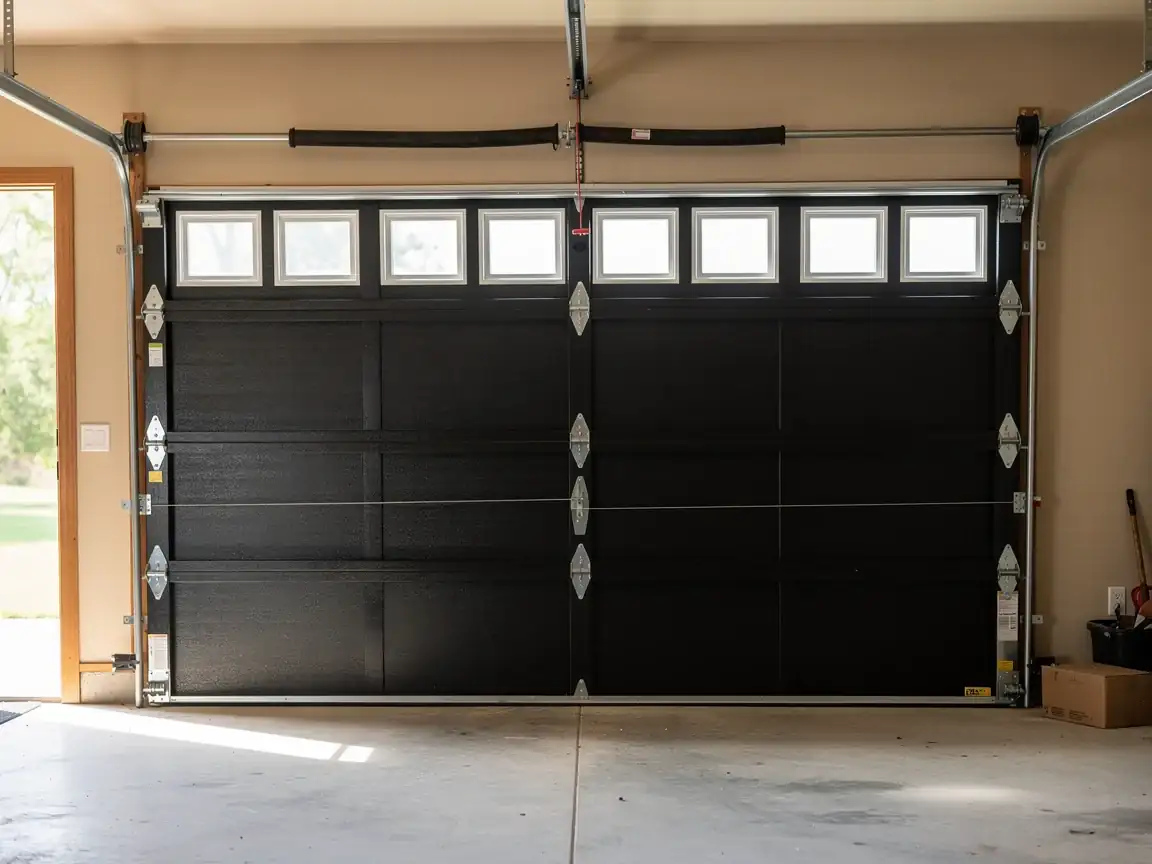
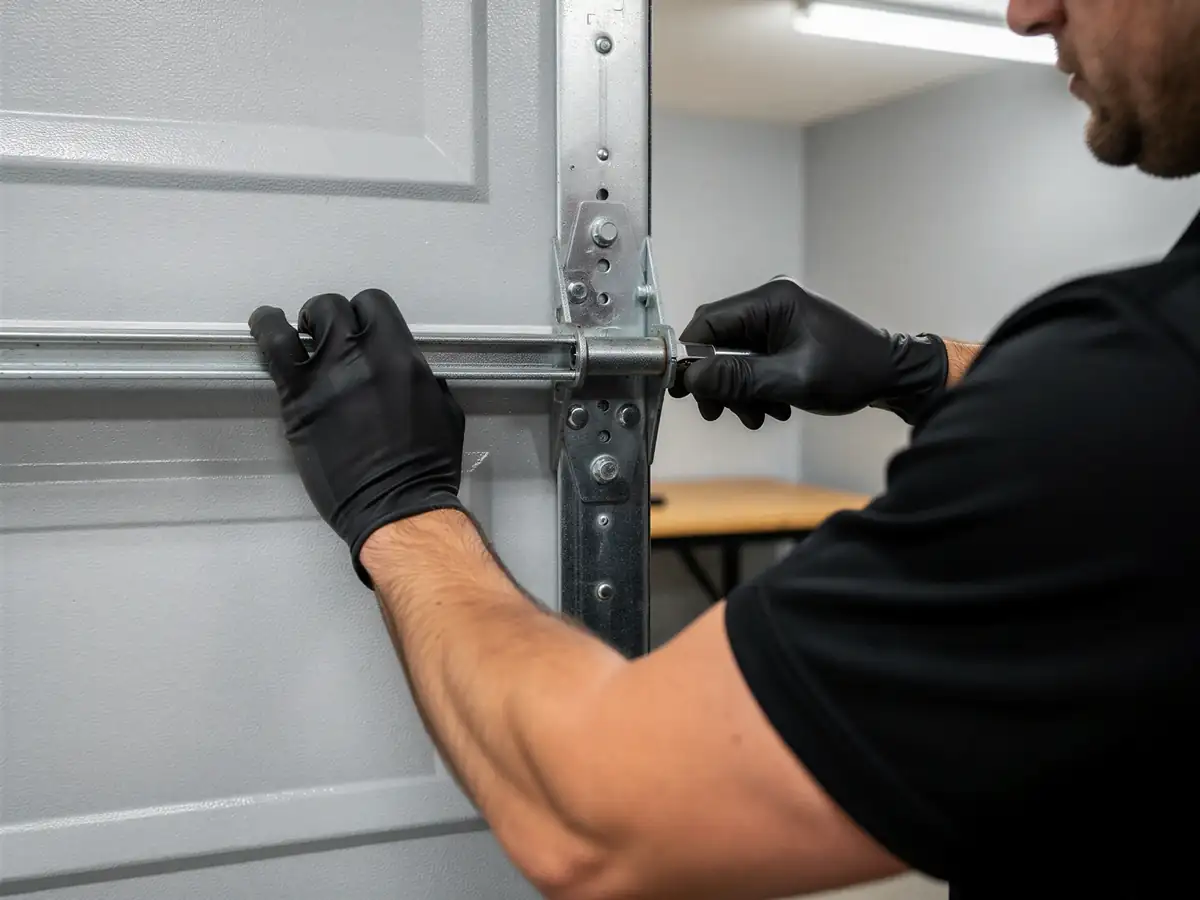
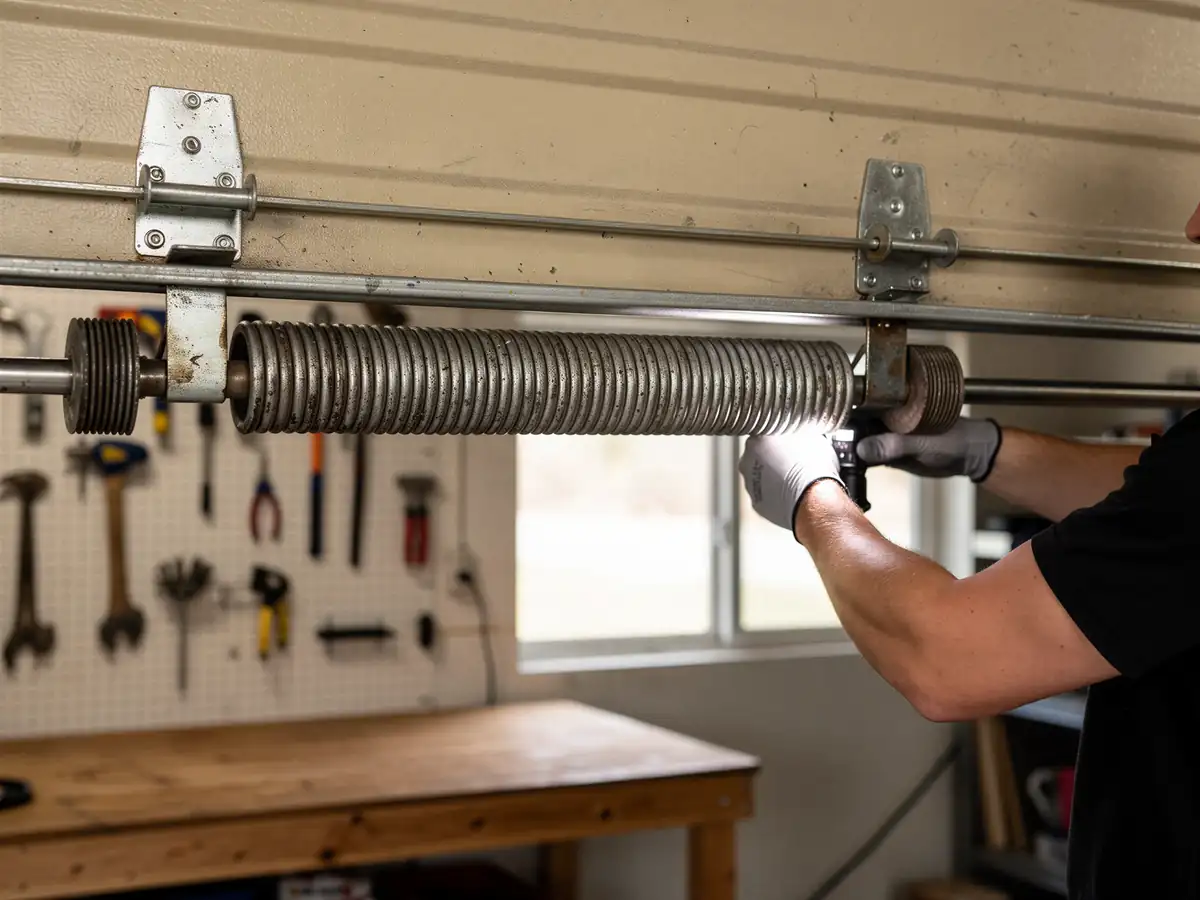
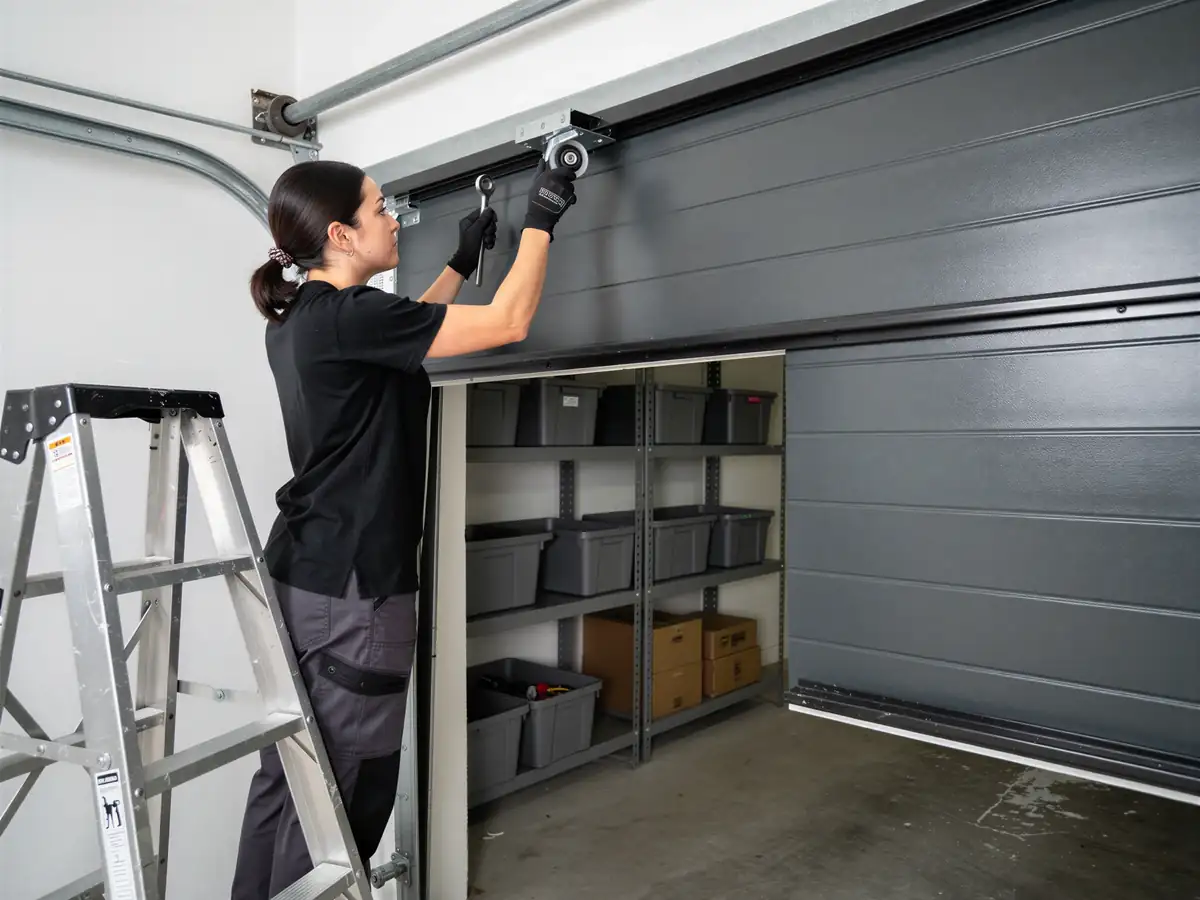
Some of this you can do yourself. Lubricating rollers and hinges, tightening loose bolts on the track, and clearing debris from the sensor eyes are all reasonable weekend jobs, and doing them regularly on a door this age buys you real time. What you shouldn't touch is the torsion spring itself. On a door built around the same era as most of Erwin's housing stock, the spring has usually been wound tight for decades, and the hardware holding it isn't always in great shape. Loosening a winding cone on a spring that old, without the right bars and without knowing its wind direction, is how people end up in the ER, not how they save a service call. Cable replacement is the same story - low cost part, high consequence mistake. If a panel is dented or a track is bent, you can sometimes bang it back close to straight, but on a door this old that's usually a short-term patch, not a fix. We'd rather you call before you start than after.
What It Costs
We're not going to put a number here that we can't back up - pricing depends on what's actually broken, the spring size, whether the opener needs attention too, and we don't have a flat rate to quote sight unseen. What we can say is that the income picture in Erwin, median household income of $50,077, shapes how we talk through options on-site. On a lot of these jobs the honest answer is repair, not replace: a new torsion spring and a set of rollers on a structurally sound door from the 1960s or 70s often costs a fraction of a full replacement and buys years more use. Replacement only makes sense when the door itself has failed - rotted wood panels, a frame that's racked, or a track system that's been bent one too many times. We'll tell you straight which category your door is in before any work starts, and we won't talk you into a new door when a $200 part would do the job just as well.
What the Fix Involves
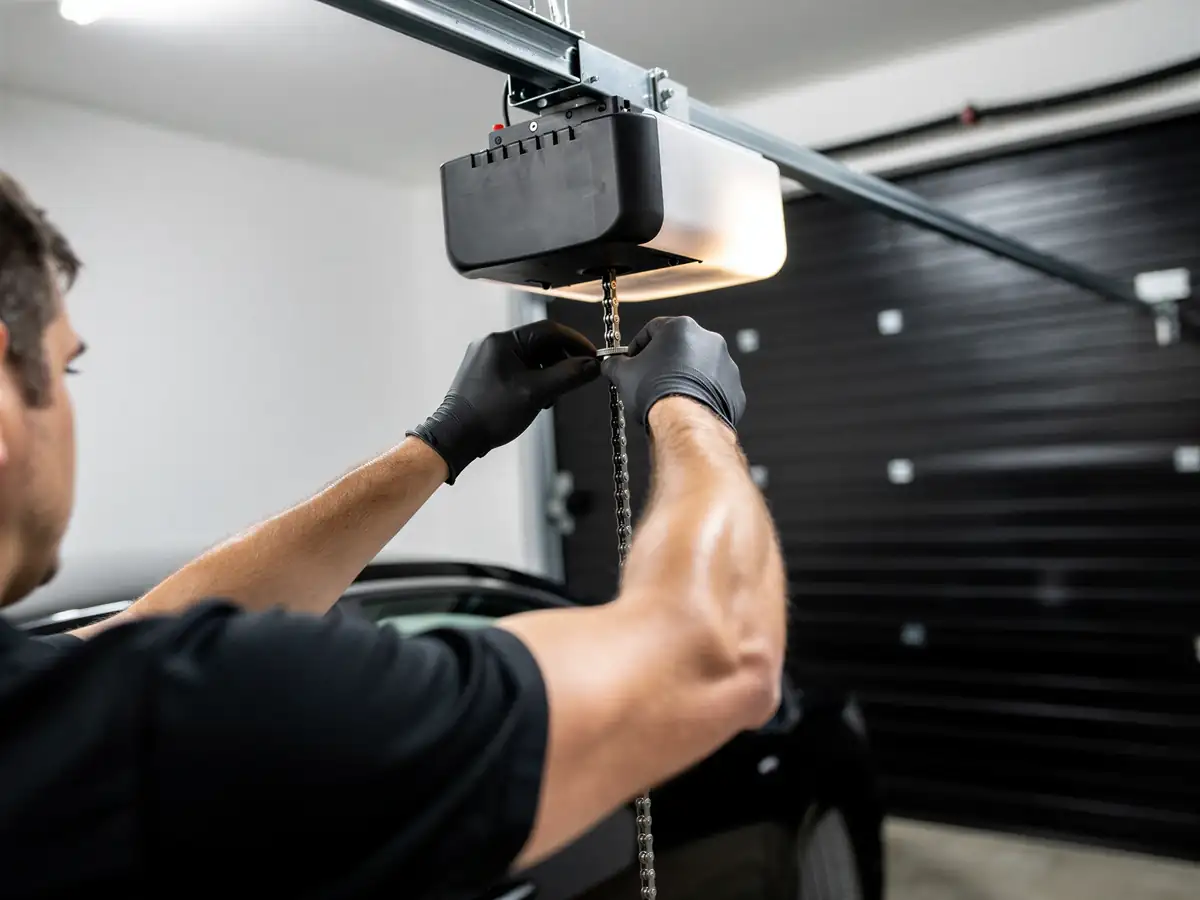
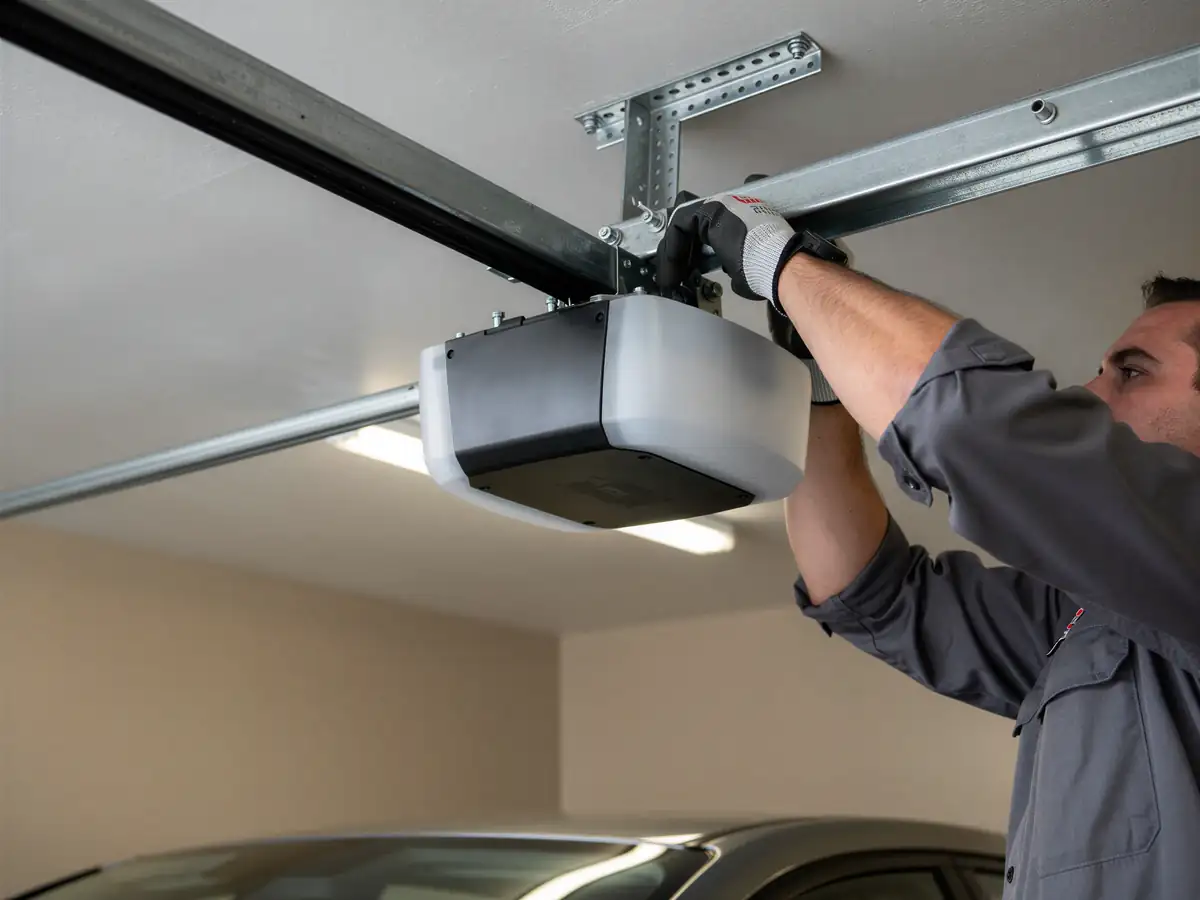
For a standard torsion spring replacement on a door from Erwin's era, the process starts with unwinding the old spring safely with winding bars, pulling the cable drums, and checking the shaft and bearing plates for wear before anything new goes on - on a door built around 1959, that hardware has usually taken four or more decades of cycles and it's common to find a worn bearing plate even when the spring was the original complaint. New spring goes on sized to the door's actual weight, not just a swap-in-kind, since doors get heavier over the years as owners add insulation or replace panels. Cables get replaced as a pair even if only one failed, because the other one is on borrowed time. We check the opener's force settings last, since a new spring changes how hard the opener has to work, and leaving the old settings in place is a common reason doors seem fine for a week and then start binding again. The whole job gets tested through a dozen open-close cycles before we call it done, not just one.
Why It Happens Here
Erwin sits in the same cold-moderate climate band as the rest of the service area, which means real temperature swings across the year rather than the mild, narrow range you'd get further south. Steel contracts in cold weather, and on a torsion spring that's already decades old - not unusual on a house built around 1959 - that contraction adds stress to metal that's already fatigued. Combine that with the age of the housing stock itself: Erwin's homes predate the 1979 median for the wider seven-area footprint by a couple of decades, so the springs, cables, and track hardware in a lot of these houses have simply had more winters to work through than hardware on newer builds. None of this is unique to any one house in town, but it's the pattern we see consistently on calls out here - age of the hardware plus a climate that cycles hot and cold, doing what it always does to steel under tension.