What the Housing Means for Your Door
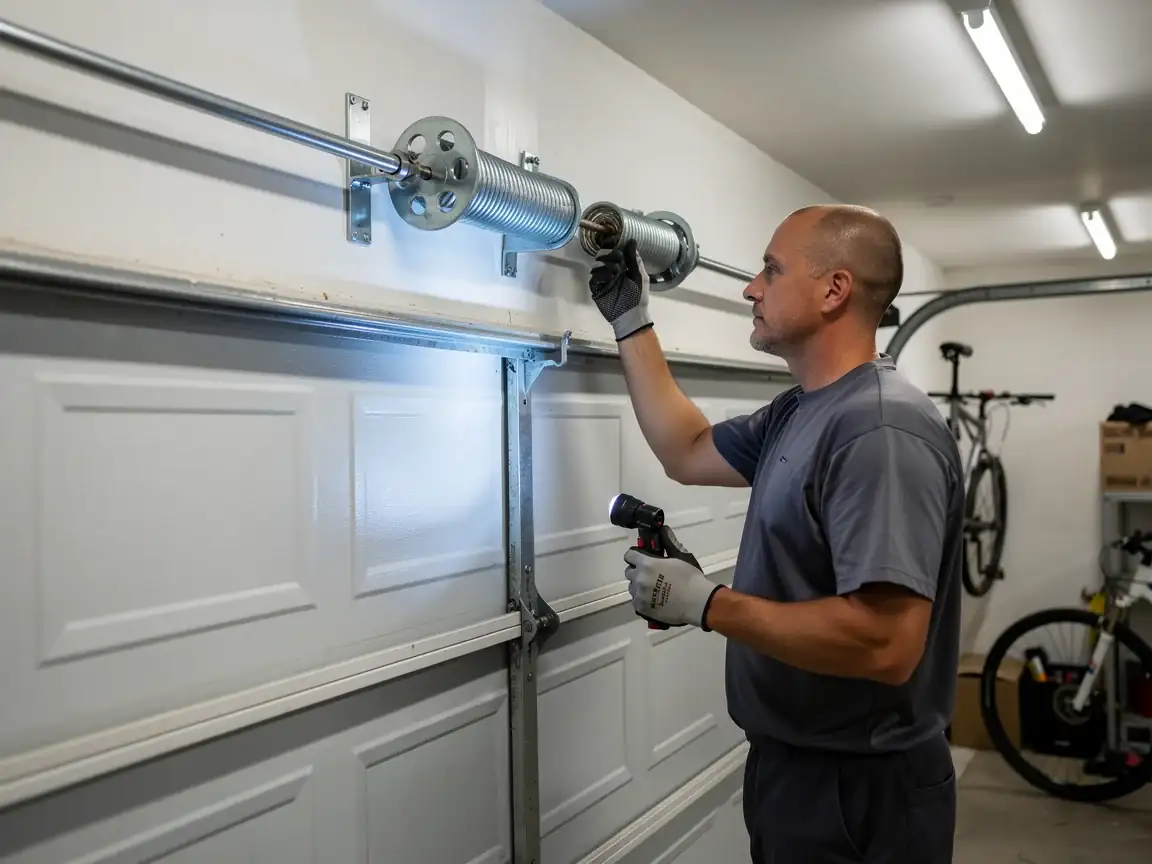
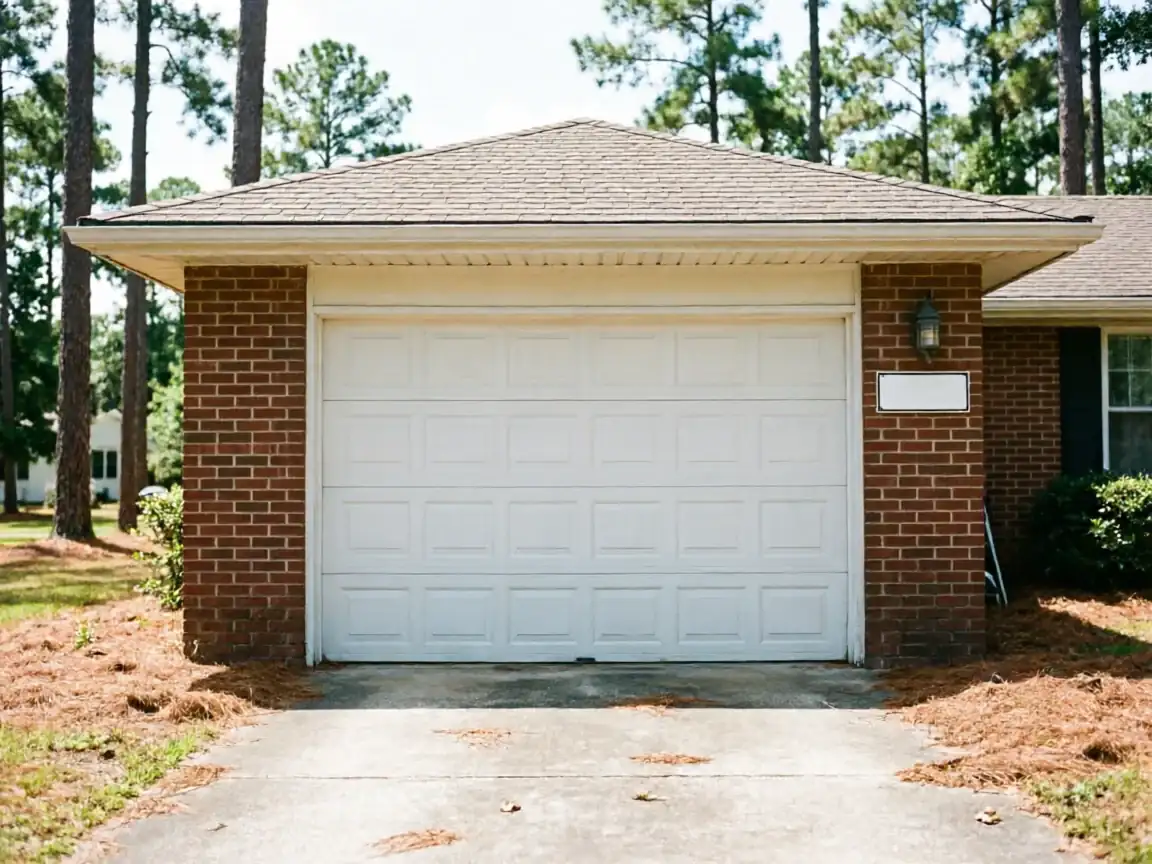
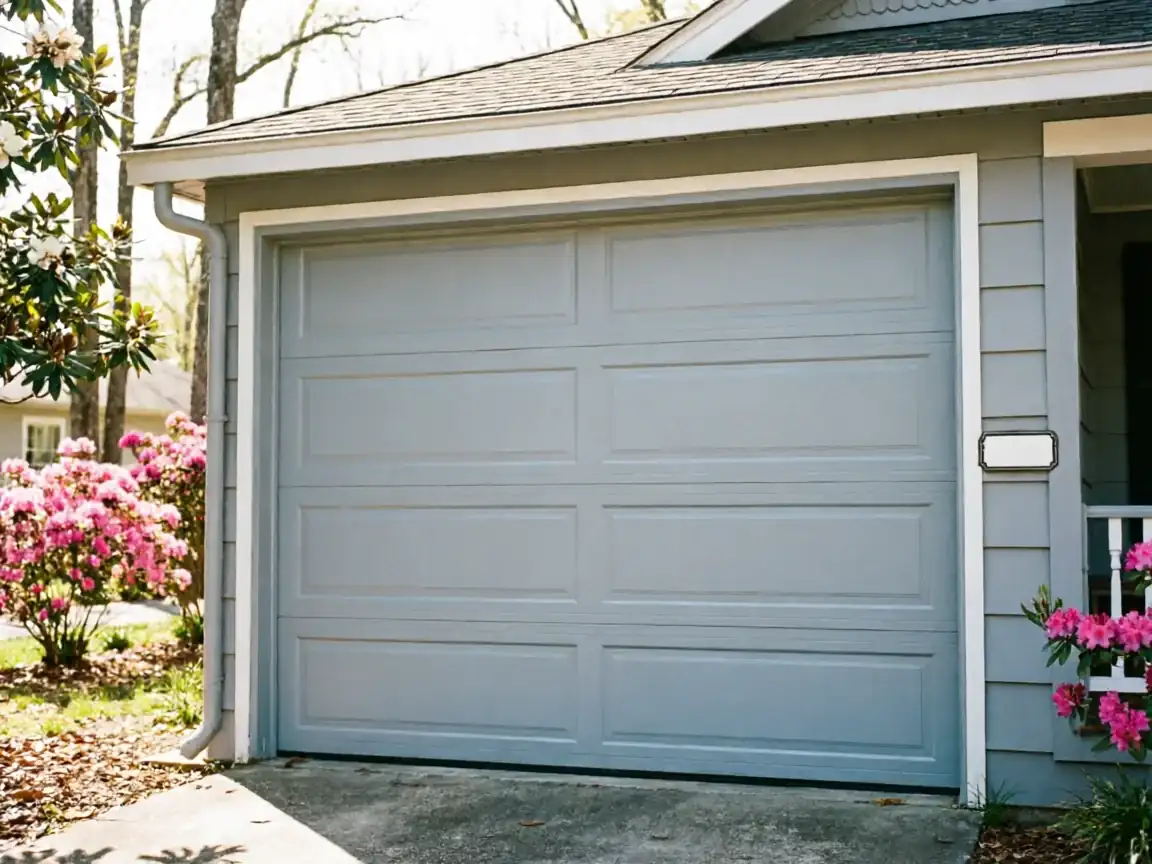
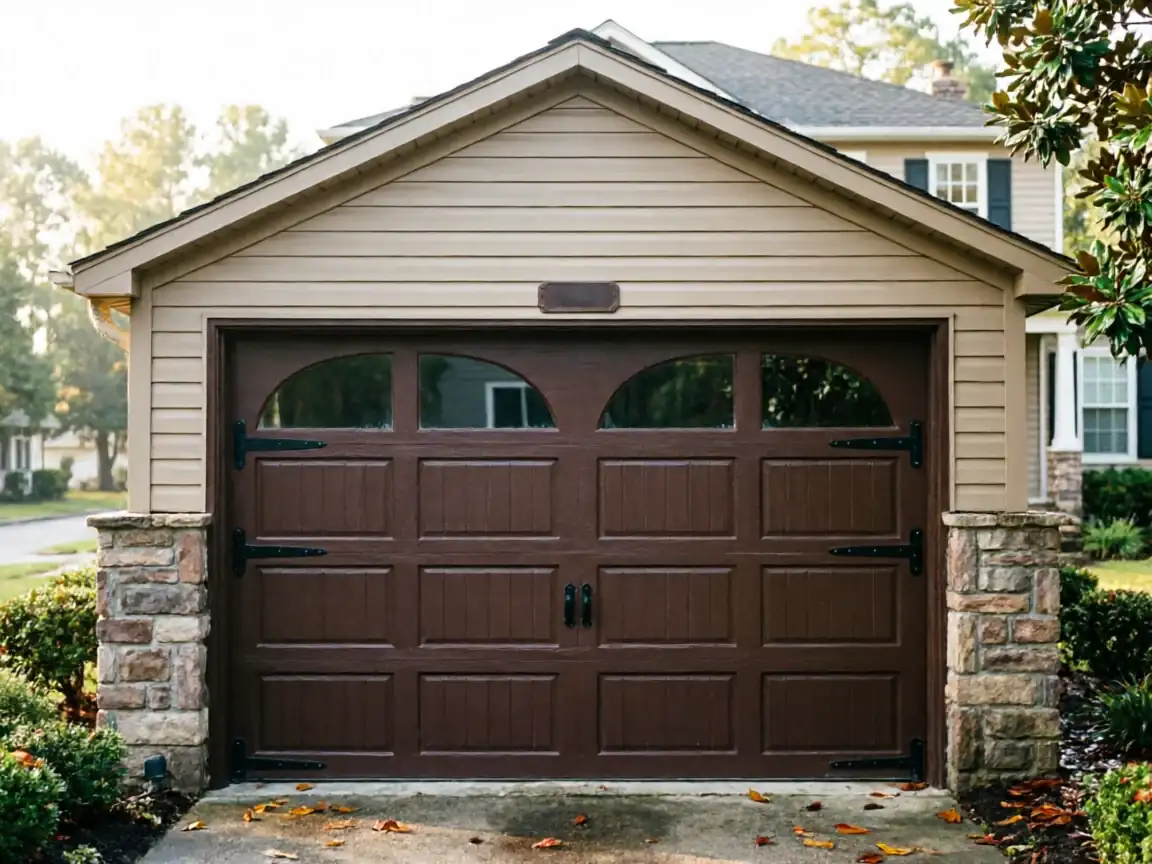
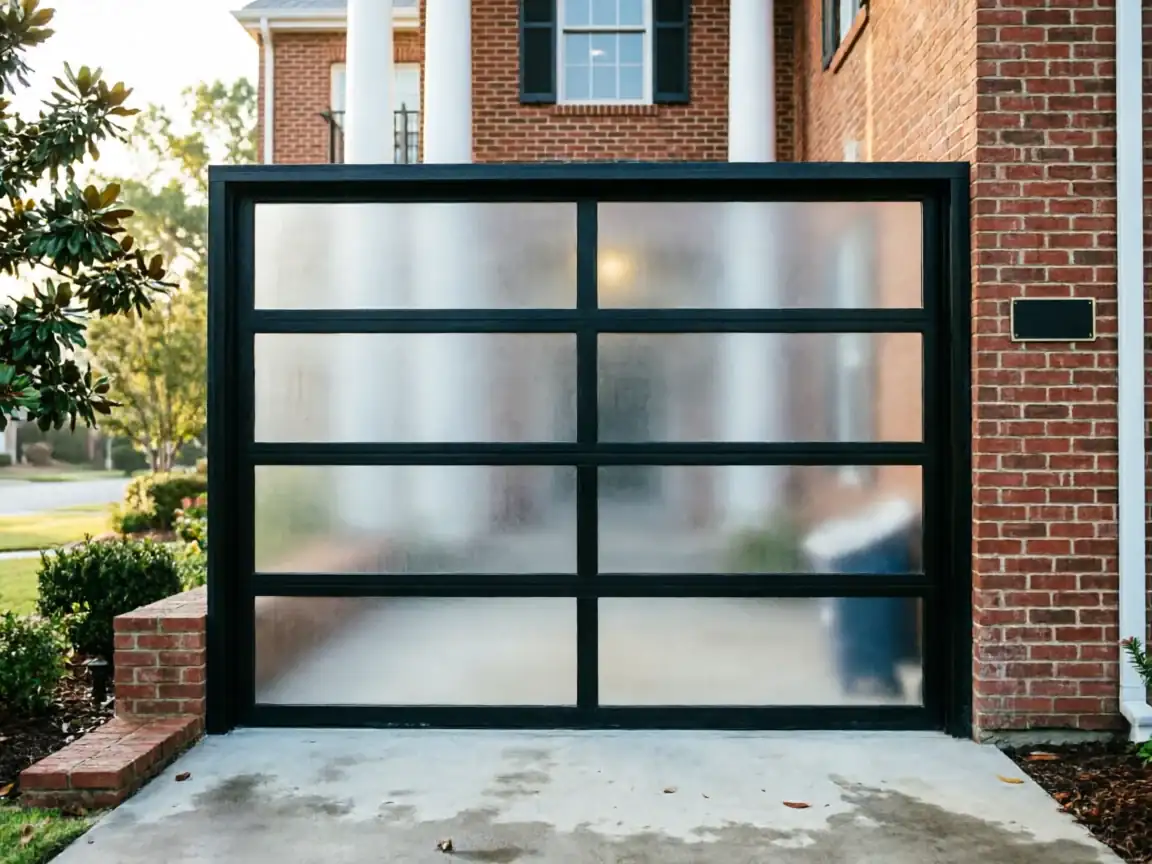
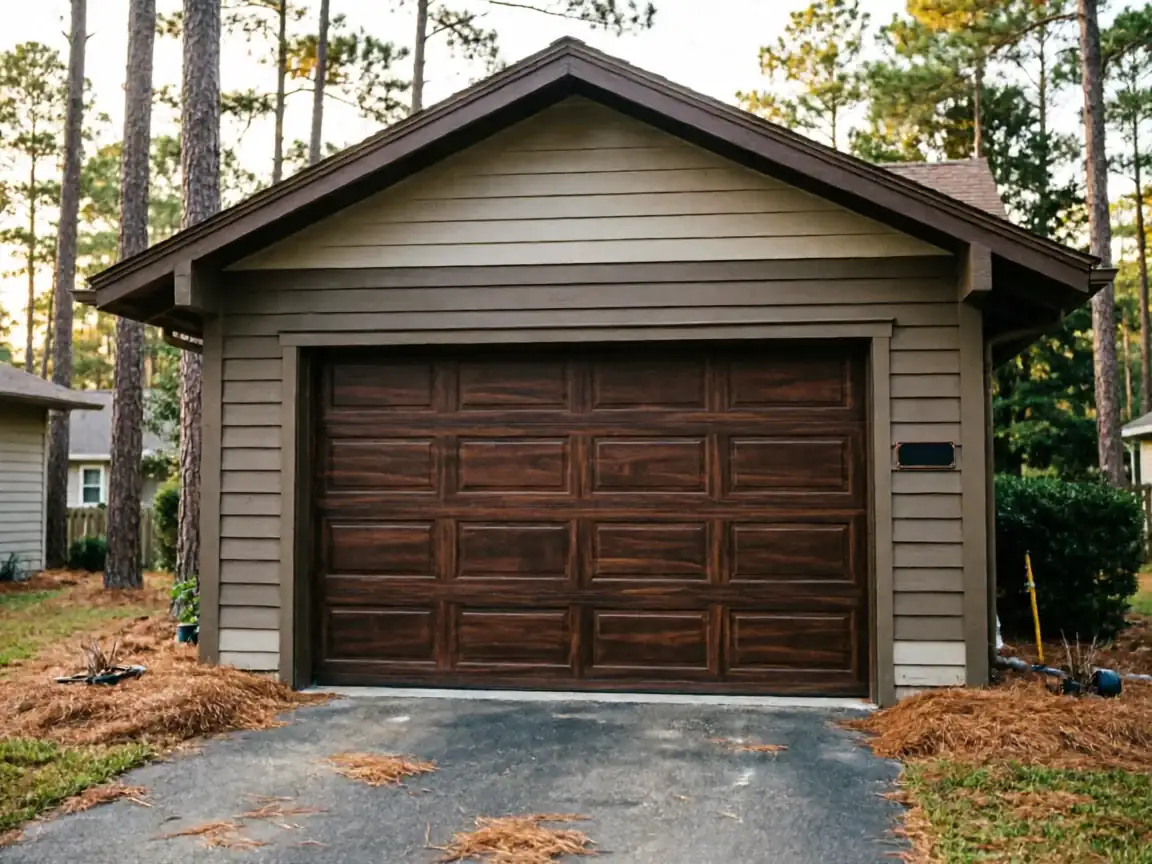
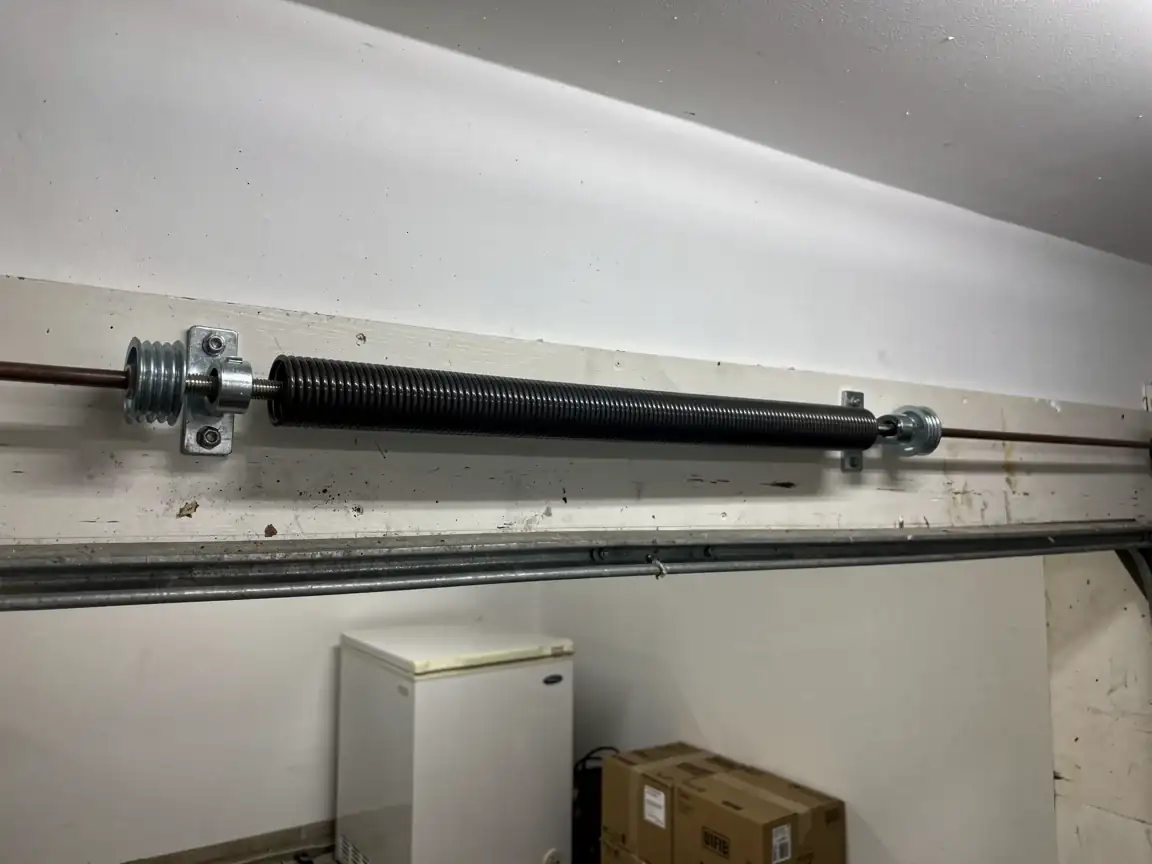
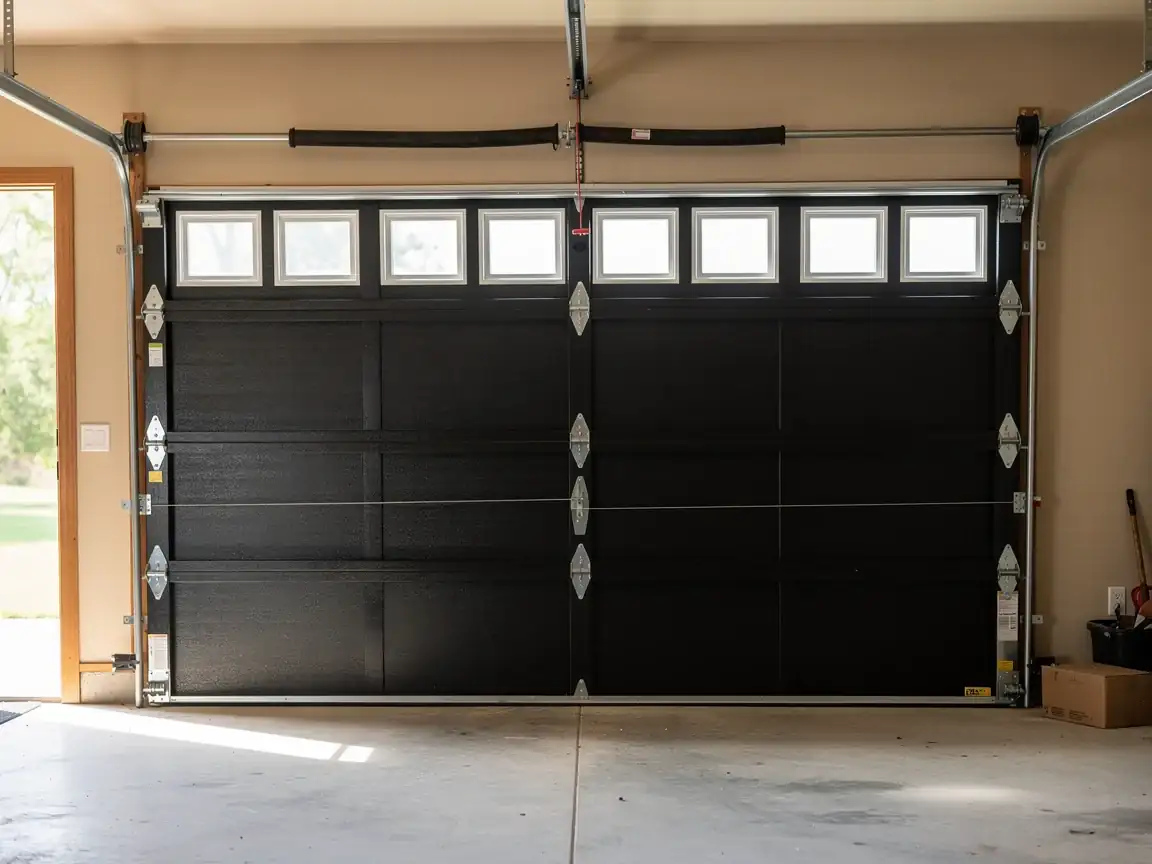
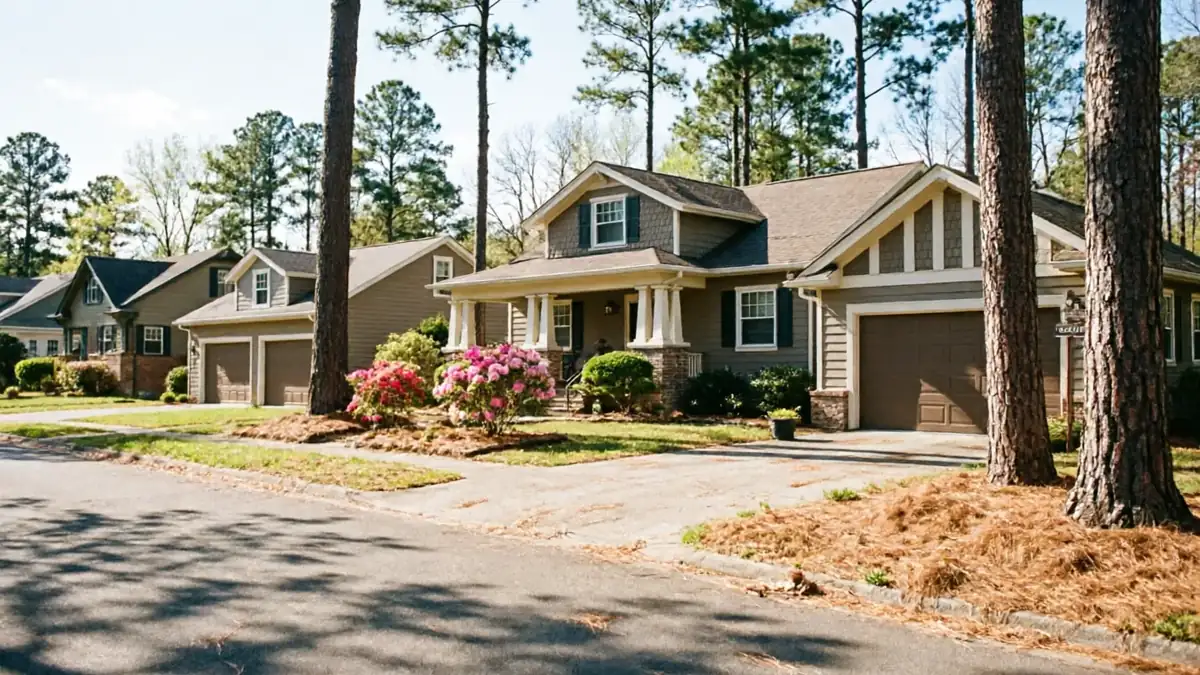
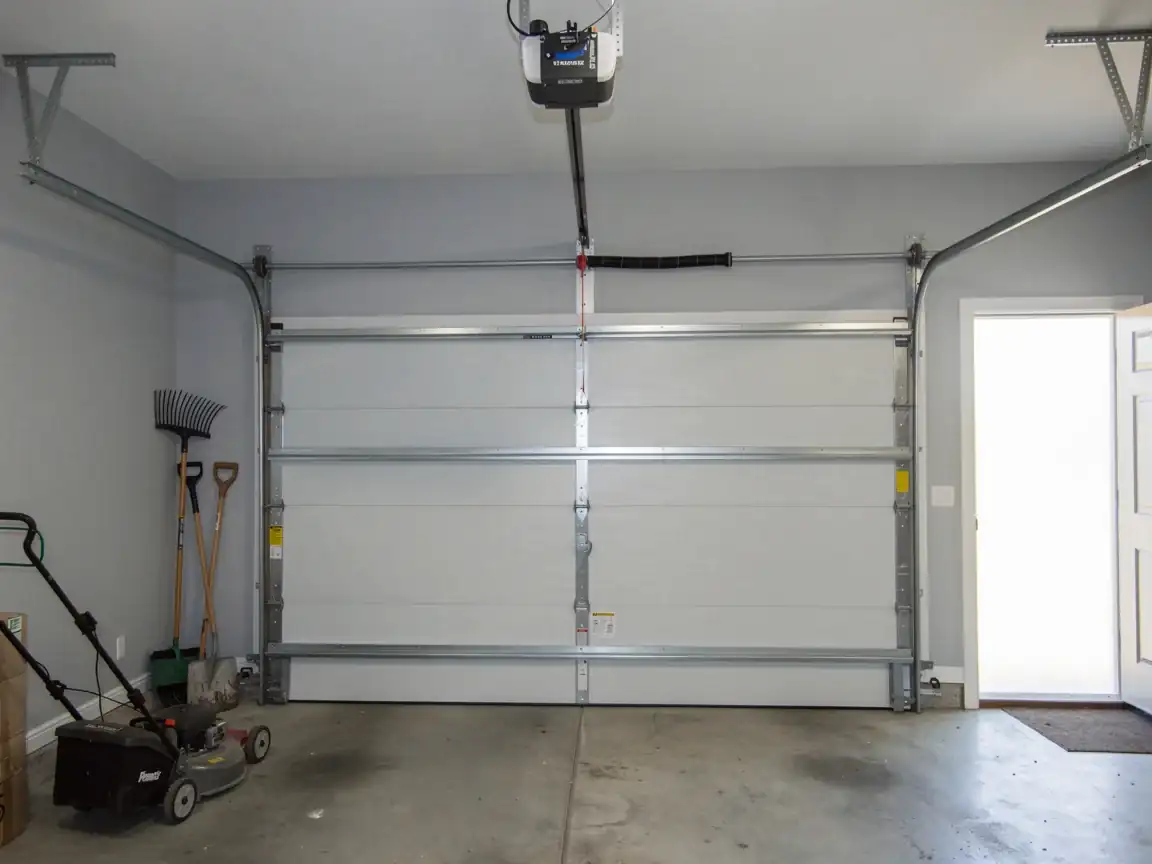
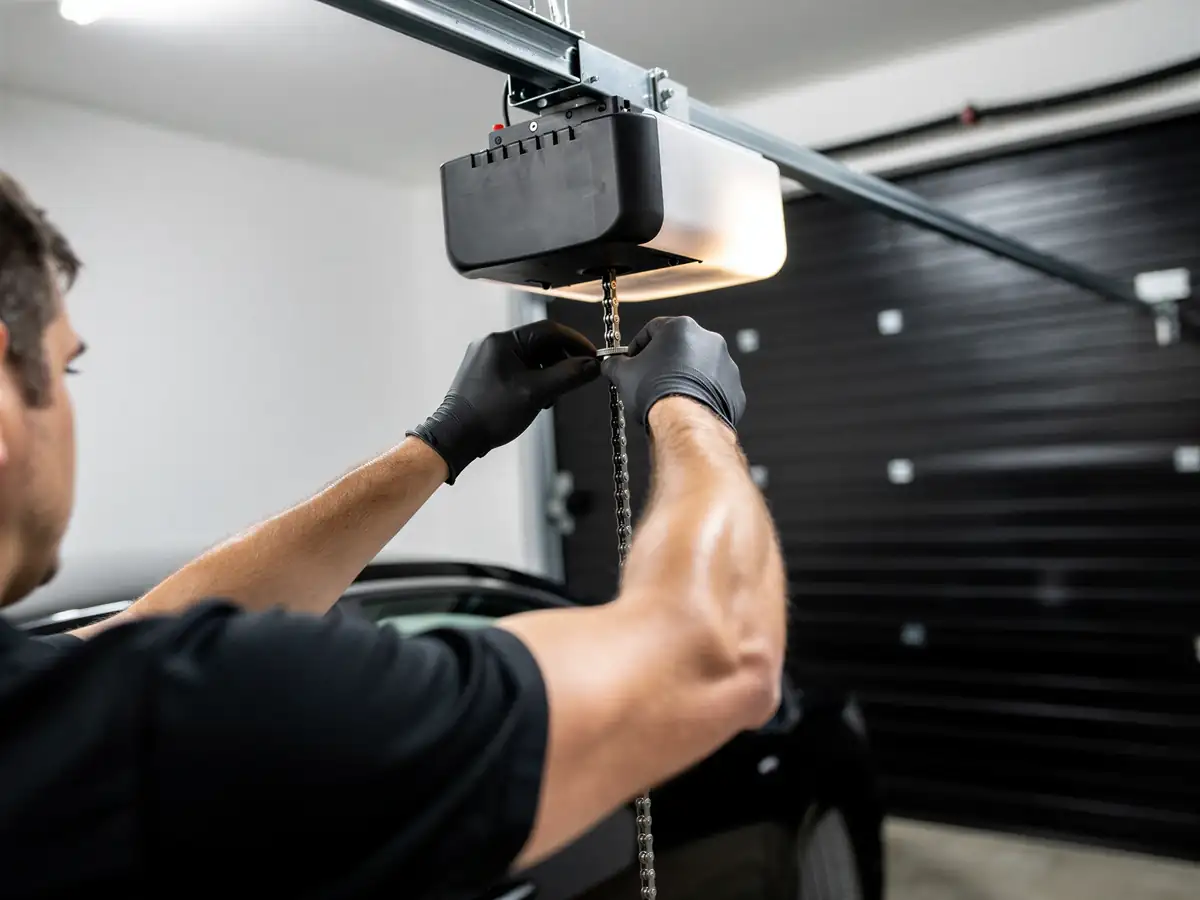
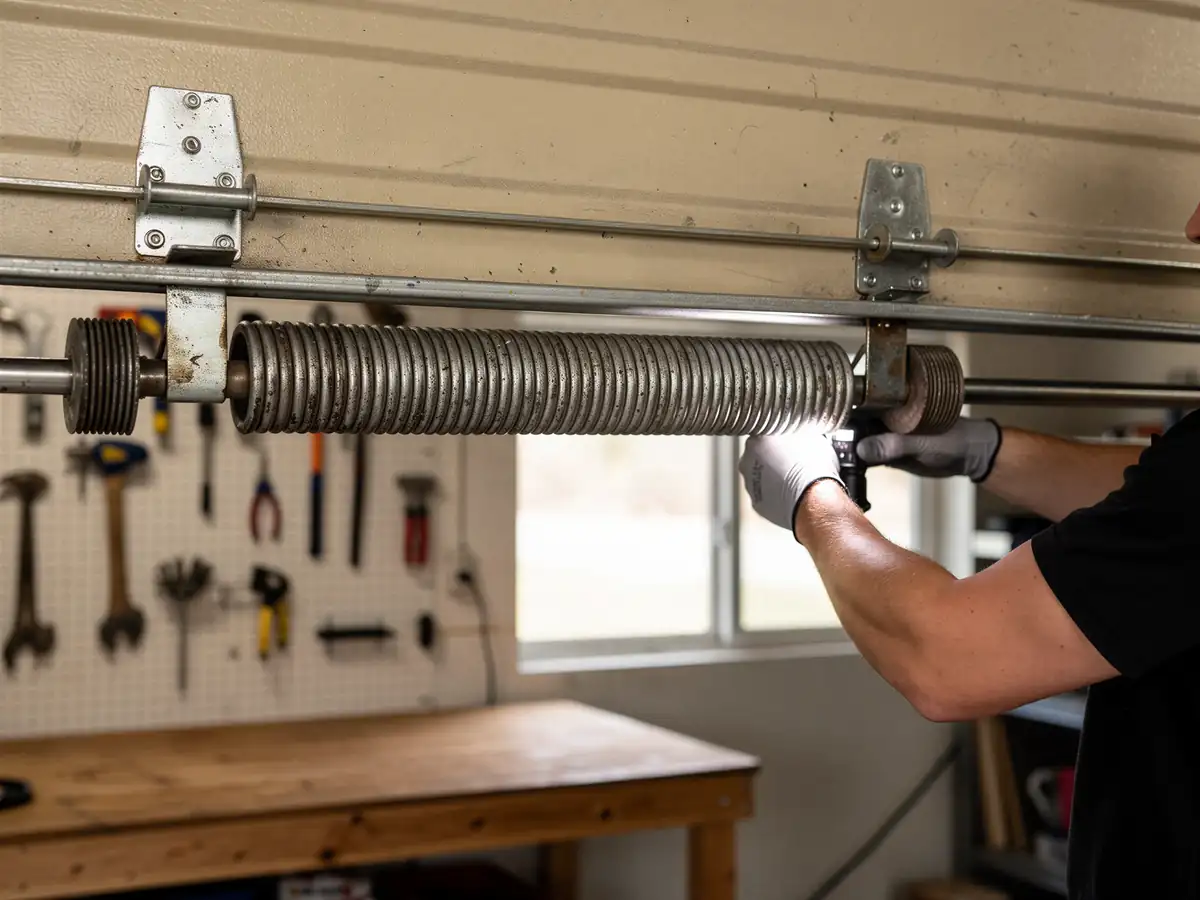
The broader service area has houses going back to 1959, but Angier itself skews newer - the median build year here is 1997, a good eighteen years past the area-wide median of 1979. That matters more than people think. A door hung in 1997 is almost certainly on a factory-standard torsion spring setup with a lifted steel track, not the older extension-spring, flat-track hardware you'd find on a house from the 60s or 70s. The openers are more likely chain or belt drive units from the late 90s or 2000s rather than the screw-drive relics still hanging on in some of the older pockets of this area. That's good news for parts availability - 1997-era hardware is still commonly stocked - but it also means when something fails, it's usually wear, not age for age's sake. A spring rated for a certain cycle count that's finally given out, a nylon roller that's worn through, that kind of thing.
Common Jobs Here
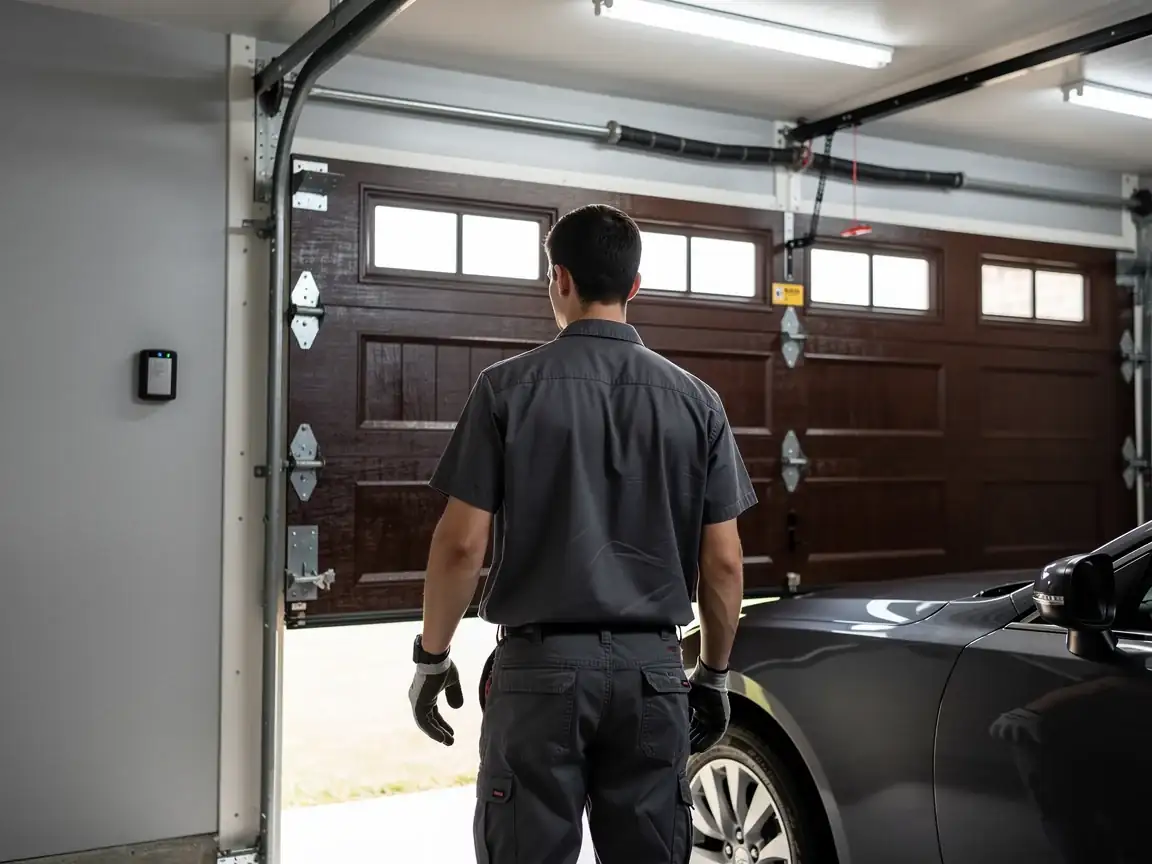
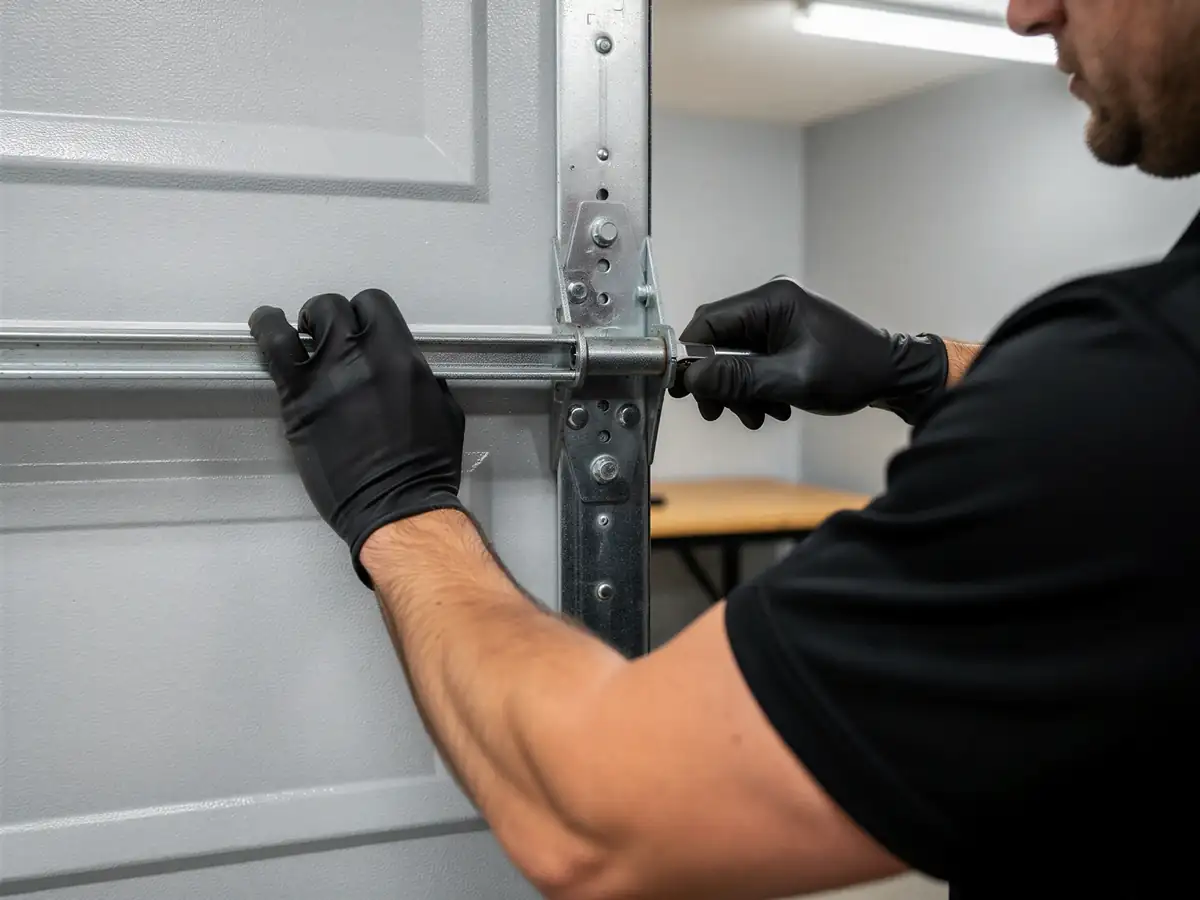
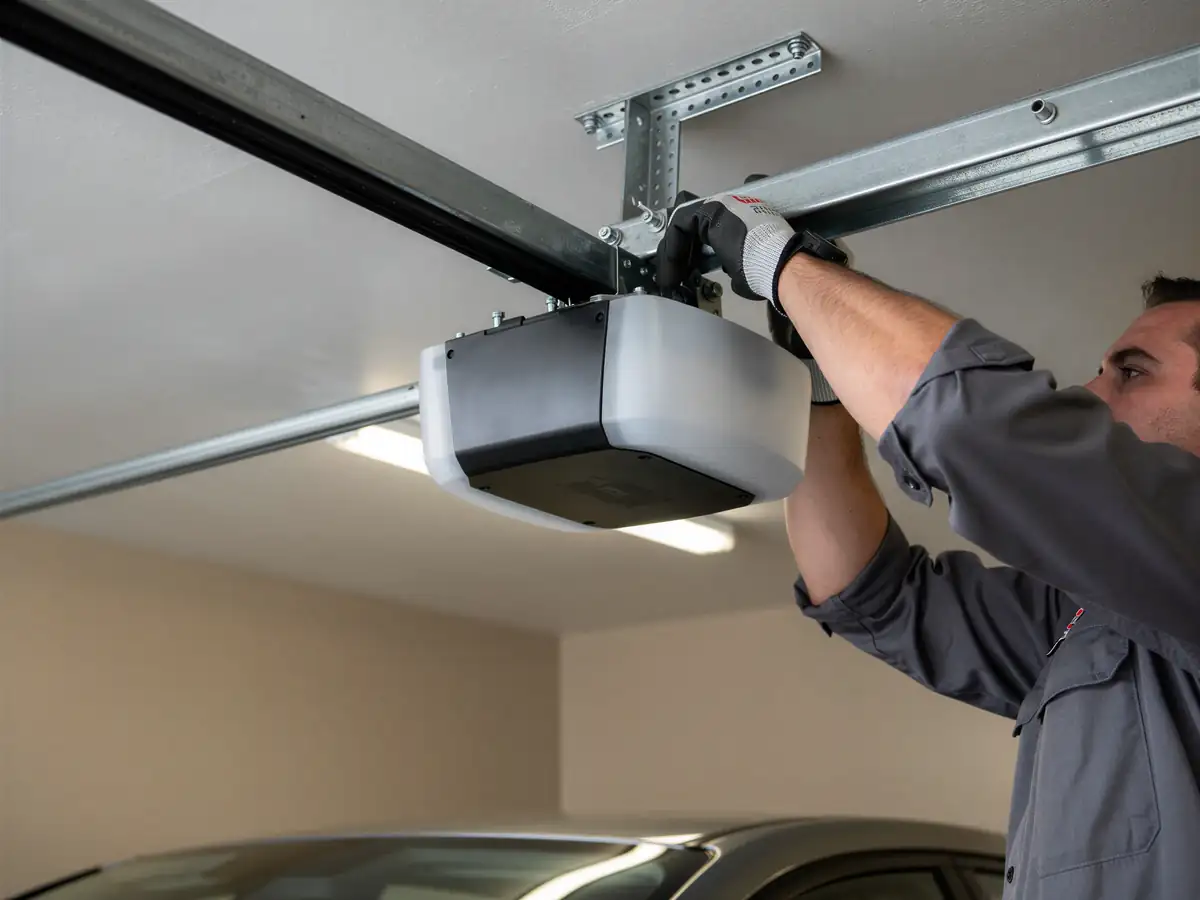
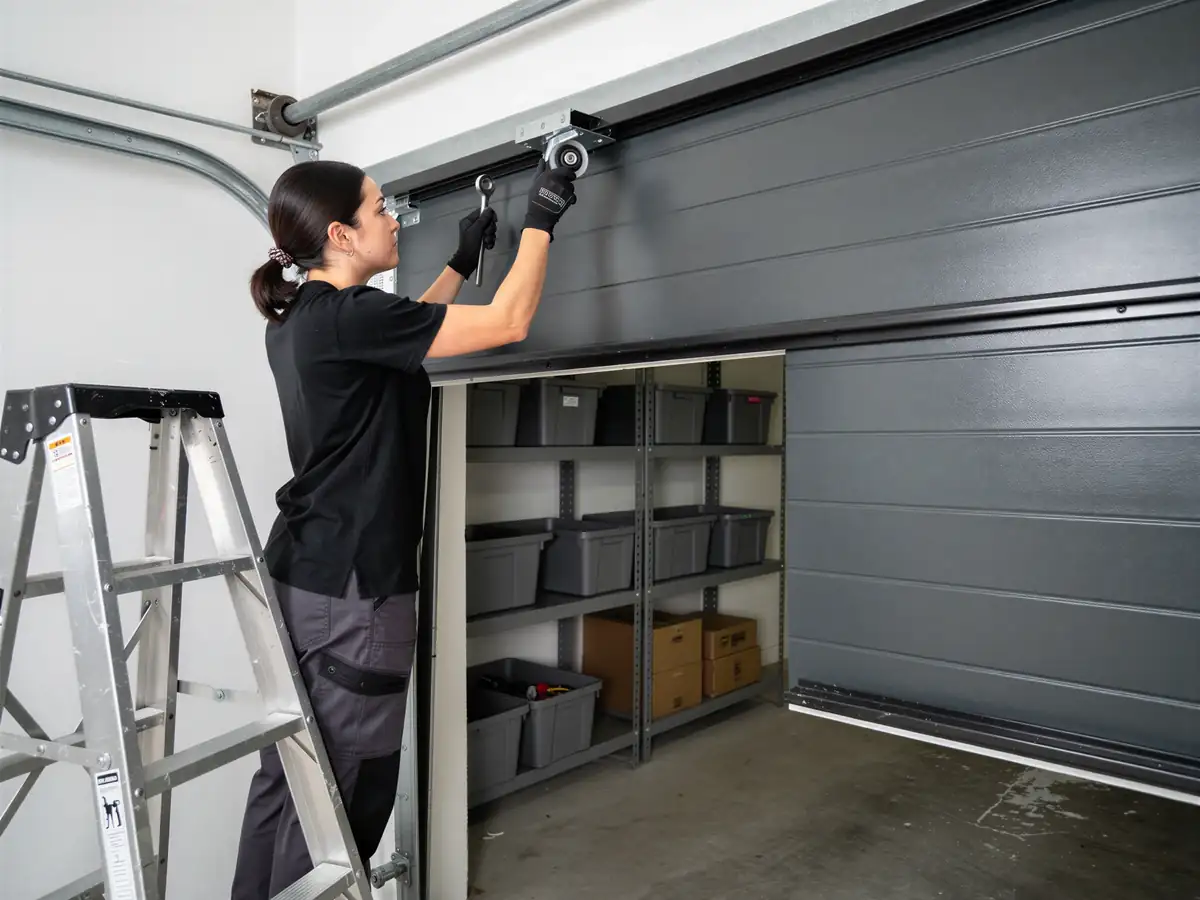
Given the housing stock, the calls we get from Angier lean toward torsion spring replacement on doors that have logged their expected cycles, opener circuit board failures on units that are 15-20 years old, and worn rollers or hinges on doors that get used daily. We also see a fair number of safety sensor issues - photo-eye brackets that have been bumped out of alignment by a car bumper or a stored bike, which is a cheap fix but a common one. What we don't see as much here, compared to older sections of the wider area, is the kind of one-piece door or flat-track hardware replacement that comes up on 1960s and 70s houses. Climate-wise, this is a moderate cold-weather zone, so we don't deal with the extreme freeze-thaw cycling that cracks seals and warps panels the way you'd see further north - but winter cold still stiffens grease and can make a marginal spring feel like it's failing faster than it actually is.