What Is Going On
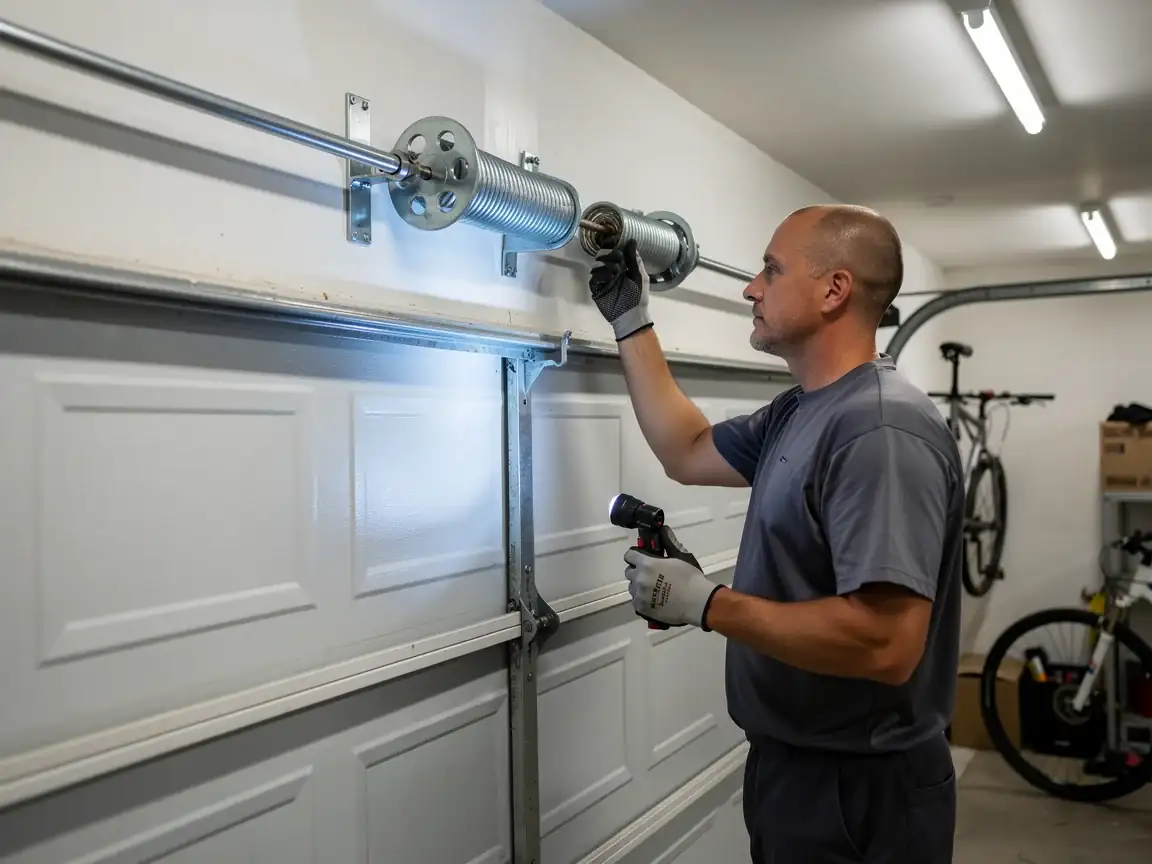
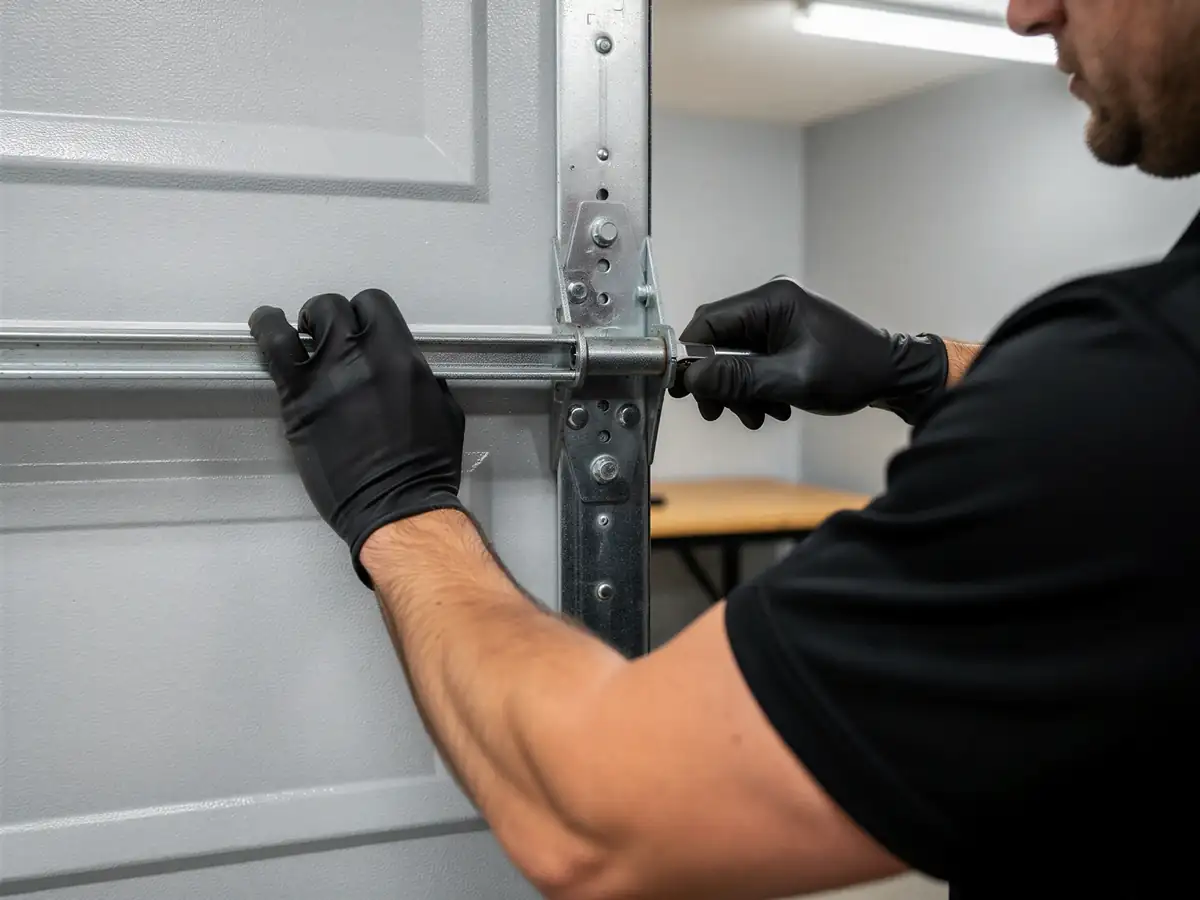
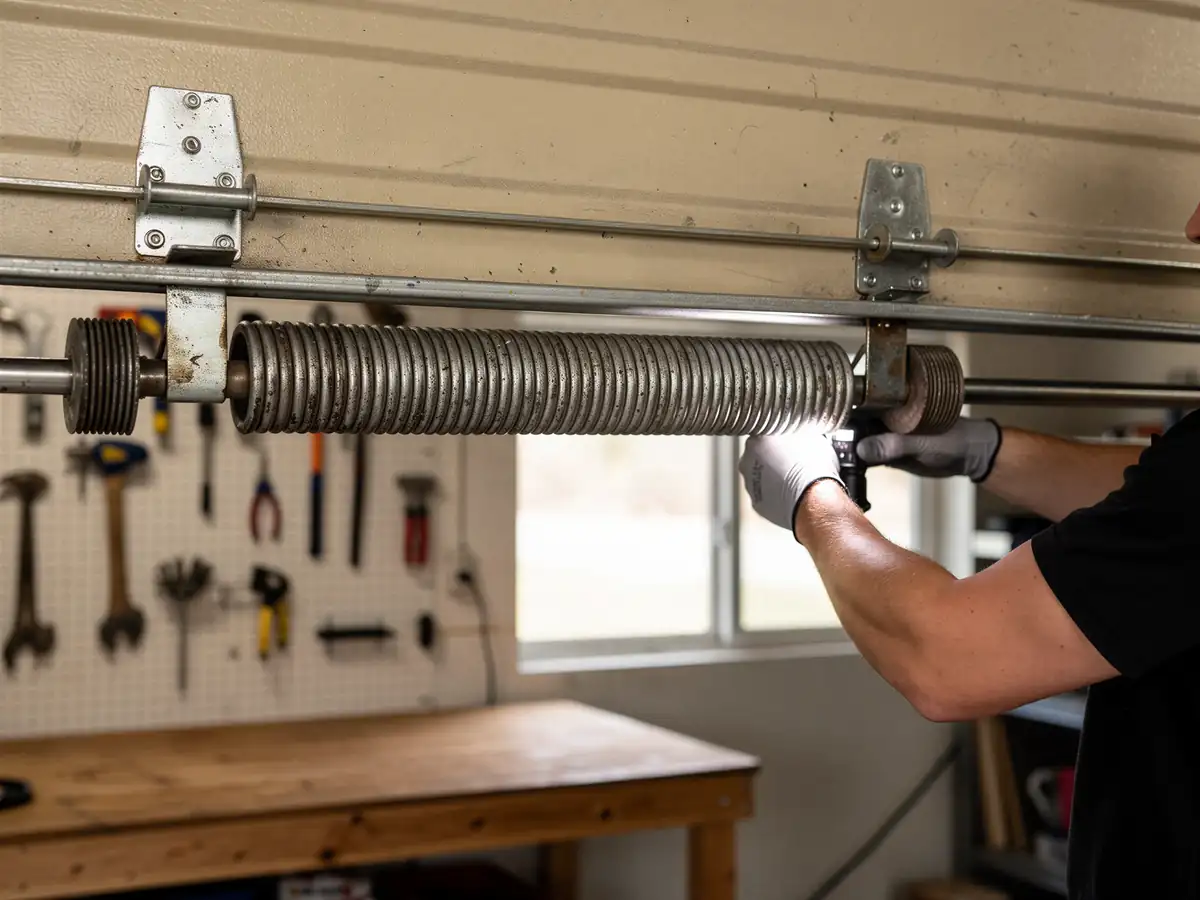
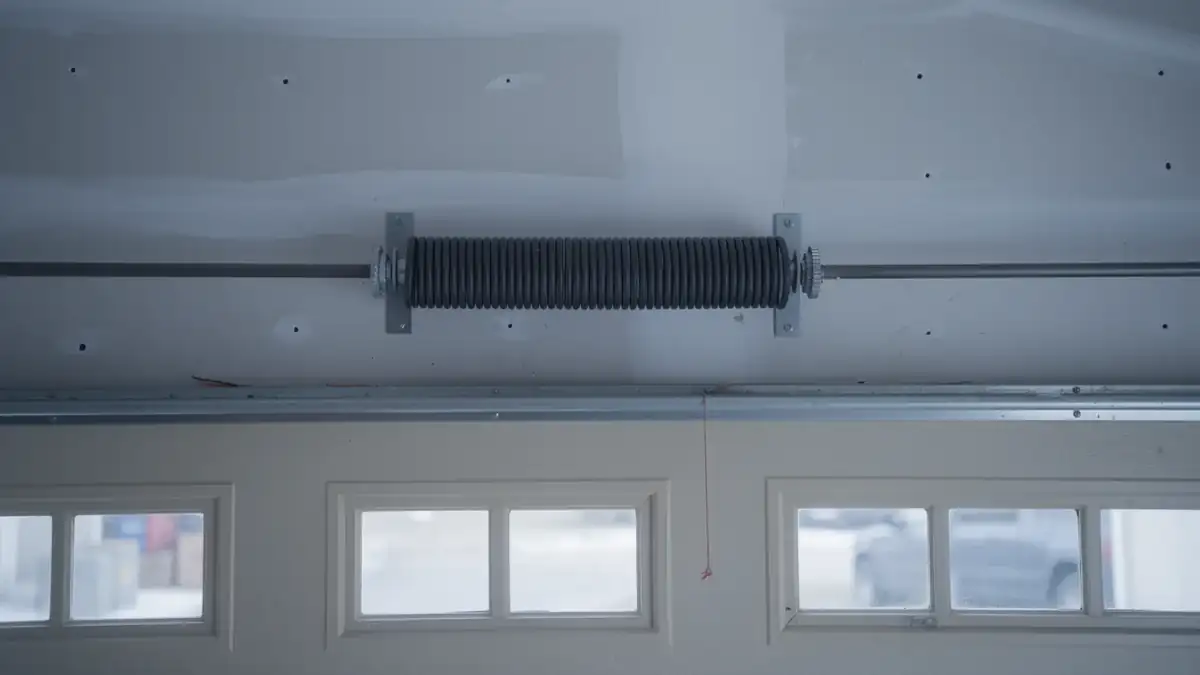
A torsion spring stores energy by twisting steel wire under load
Thousands of cycles over its life. Cold makes that steel less forgiving. Metal contracts slightly and loses a bit of flex, so a spring that's been creeping toward the end of its cycle count is more likely to snap on a cold morning than a mild afternoon. It isn't that cold weather alone breaks springs - it's that cold weather is the final push on a spring that was already near the end of its rated life.
Fuquay-Varina sits in a moderate-cold climate band, not the deep-freeze territory you'd find further north
But we do get enough cold mornings each winter to matter. The temperature swing between a 30-degree morning and a 55-degree afternoon is routine here, and that swing is exactly the kind of stress that finds a weak spring. If your door has felt heavier on cold mornings lately, or the opener has started straining on the first lift of the day, that's usually the spring talking before it actually breaks.
How Local Conditions Play In
Housing in this area was mostly built between 1959 and 2002, with the bulk of it going up through the 1960s and 70s across the seven named sections of town. That matters because a lot of those original garage doors and their hardware are well past any reasonable spring life, even where the door itself still looks fine. A spring rated for 10,000 cycles doesn't care how the door looks - it cares how many times it's been wound and unwound, and a house built in 1972 has had a lot of winters since then.
The moderate-cold band we're in doesn't bring the kind of ice-and-snow load that cracks panels or freezes tracks solid, but it does deliver repeated temperature swings through the winter months, and that's the stress that matters for spring steel. You're less likely to see a door frozen shut here than you are to see a spring that finally gives out on the coldest stretch of a January week, simply because that's when the stress catches up with wire that was already fatigued.
Where People Go Wrong
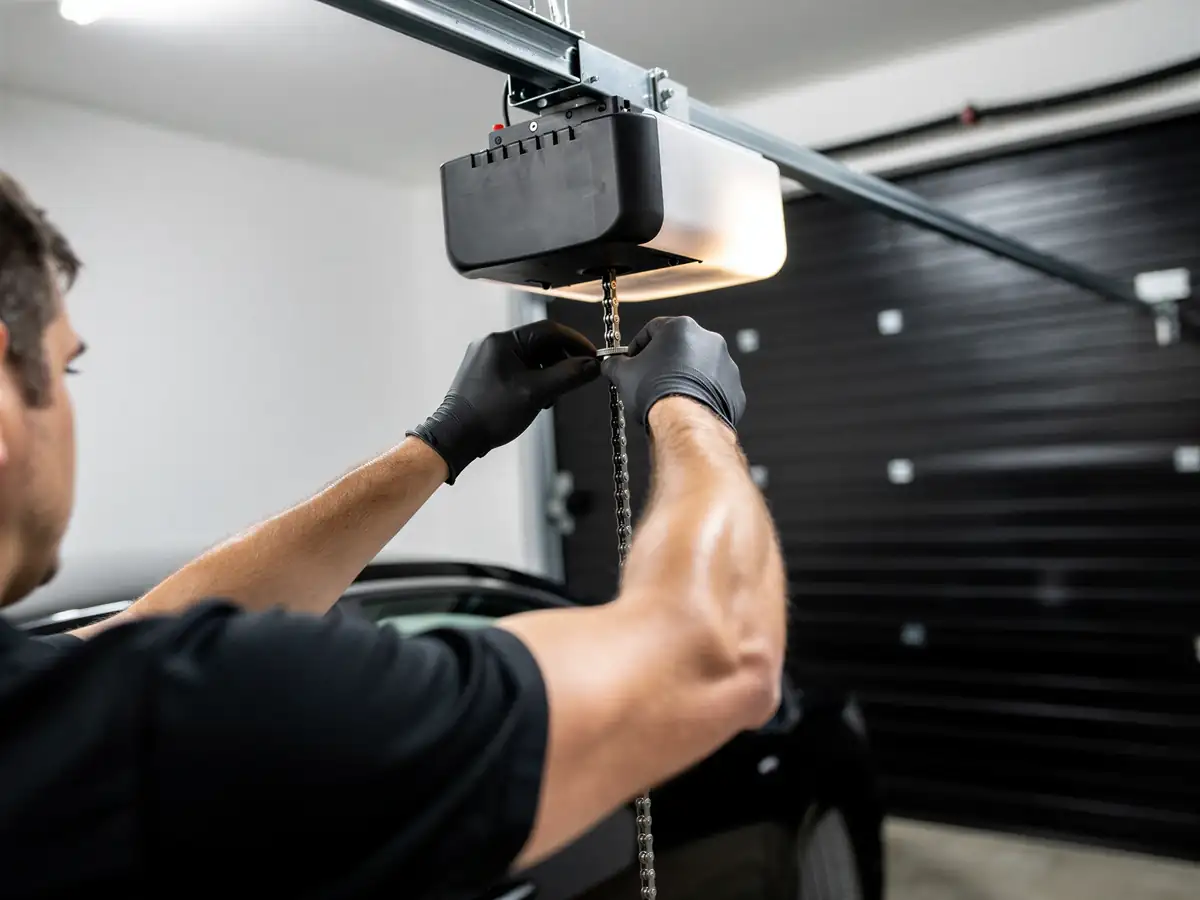
The most common mistake is waiting for the door to feel heavy and assuming that's normal for cold weather. It isn't - a properly balanced door should lift with roughly the same effort in January as it does in July. If you're noticing the difference, the spring is already telling you something, and running the opener against that extra resistance for weeks just wears the opener's gears down too.
The second mistake is lubricating the spring itself hoping that'll quiet things down or ease the lift. Spring coils aren't the problem lubrication fixes - the wire fatigue underneath is mechanical, not a friction issue, and no amount of oil changes how many cycles are left in the steel.
The third is trying to adjust or wind a torsion spring without the right bars and experience. These springs hold enough stored energy to cause serious injury, and on an older system - the kind common in houses from the 1960s and 70s era around here - the mounting hardware itself is often as tired as the spring, which changes how it should be handled.