Why It Happens Here
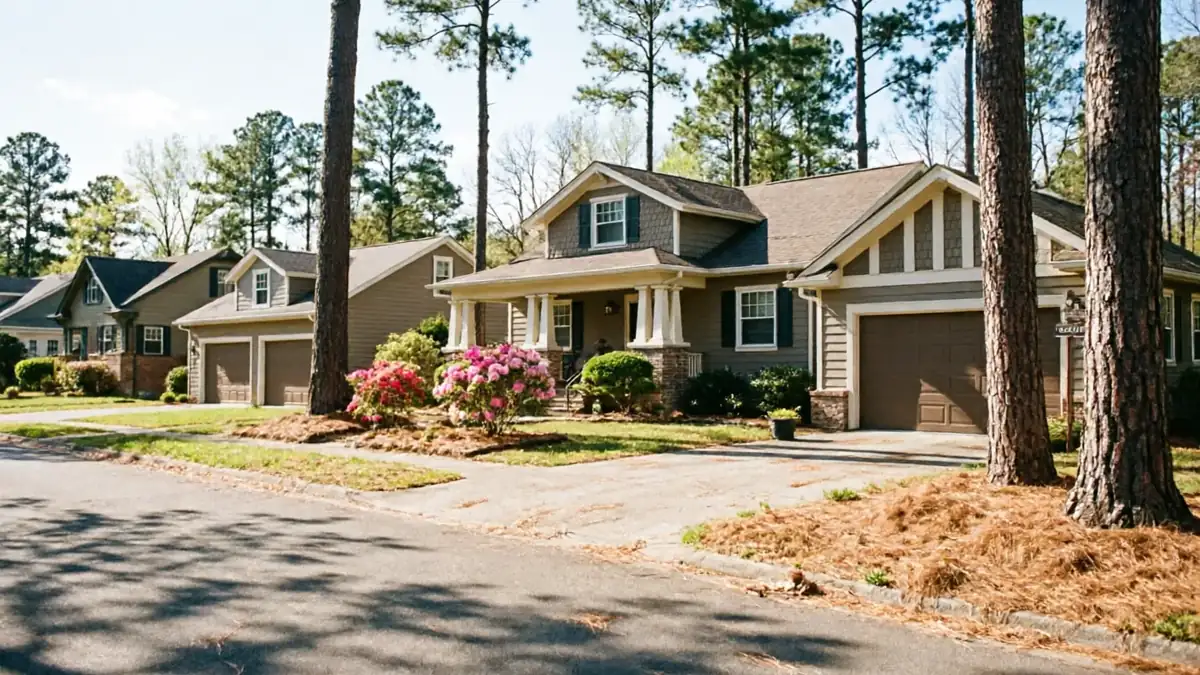
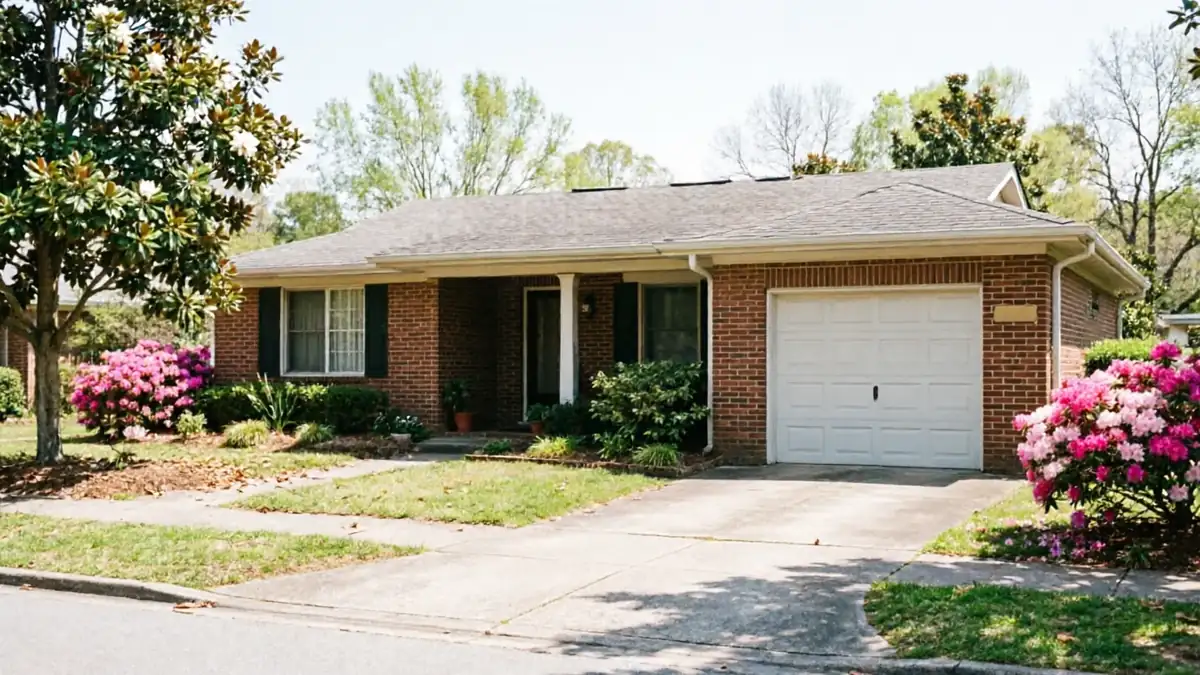
Most of the housing stock in this service area went up between 1959 and 2002
With the bulk clustered in the 1960s and 70s across the seven areas we cover. That matters for openers more than most owners realize. A house built in 1972 likely has had at least two openers since, and whichever one is on the ceiling now was probably installed to match hardware that's already a generation or two old - different rail length, different logic board mounting, sometimes a different voltage draw than what's sold today.
Add the climate band here
Which the federal data classifies as cold-moderate, and you get openers doing real work twice a year: summer humidity swelling wood jambs and tightening the door's resistance against the opener's motor, winter cold thickening the grease in gears that haven't been serviced since they were installed. A chain-drive opener from the 1980s wasn't built to fight either condition for forty years straight. It was built to open a door. Eventually the motor, the gear set, or the logic board gives out from exactly that cycle, not from one dramatic event.
This is a service-area pattern, not a one-house problem
Across roughly 4,607 owner-occupied houses in the area we work, the opener failures we see track almost exactly with build decade - older sections of the stock call more often, and for the same handful of reasons.
- 4,607 owner-occupied
What You Are Seeing
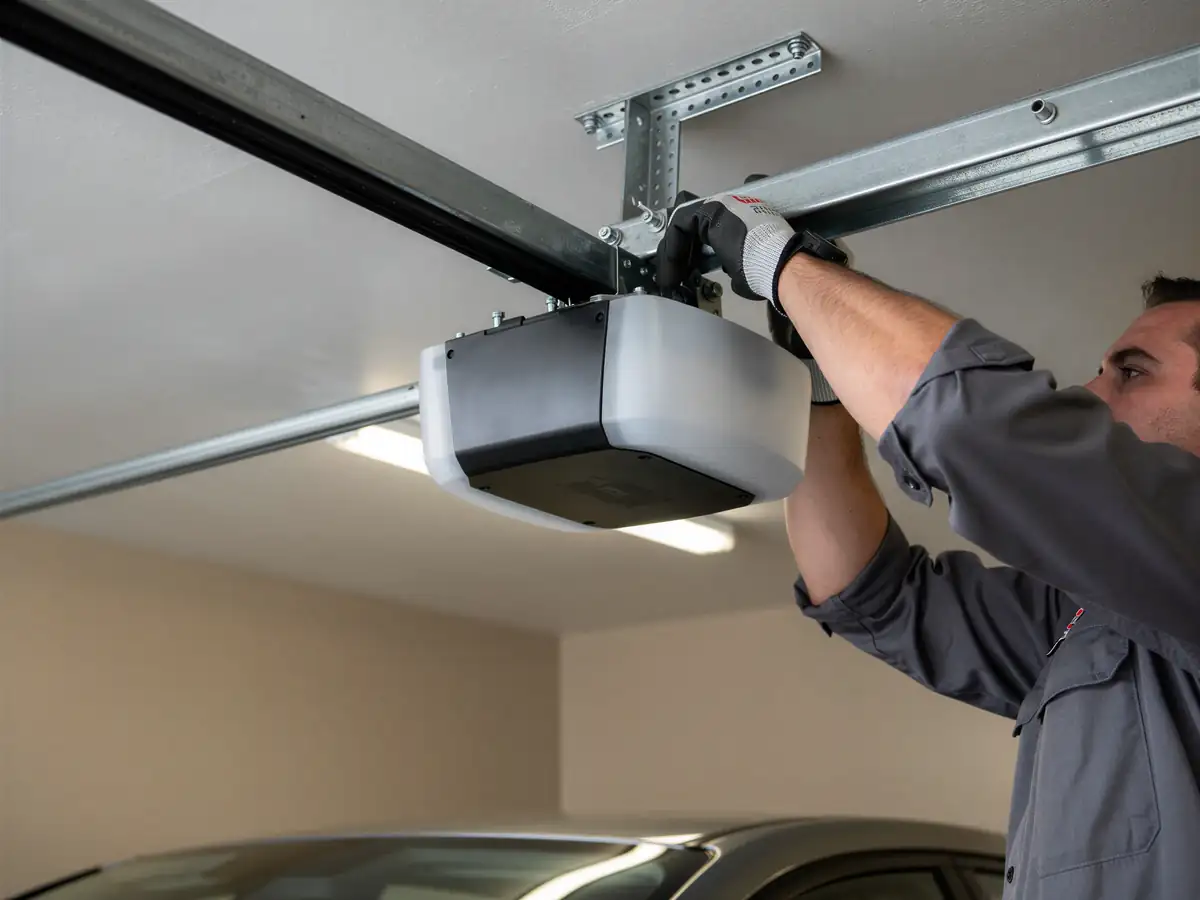
The most common call is an opener that hums or runs but the door doesn't move - usually a stripped drive gear, which is a wear part on any chain or belt unit and shows up more on openers original to houses from the 1960s-70s cluster we see across this area. Close behind is a door that won't respond to the remote or wall button at all, which can be the logic board, the antenna, or something as simple as a battery, and you can't tell which from the driveway.
Some owners describe a door that reverses right after it starts closing - that's the safety sensors, either misaligned or blocked, and it's worth checking before anything else since it's the one failure mode that's often not a parts problem at all. Grinding or knocking noises usually point to the gear set or a worn sprocket, and on an opener old enough to predate 2002-era housing turnover, that's a sign the whole unit's drive train is near the end, not just one part.
Less common but real: an opener that trips the breaker, which is an electrical issue inside the unit and not something to keep resetting and running again.
The DIY Question
Some of this is fair to try yourself. Checking the sensor alignment, replacing the remote battery, and testing whether the wall button works independently of the remote are all things you can rule out in ten minutes with no tools.
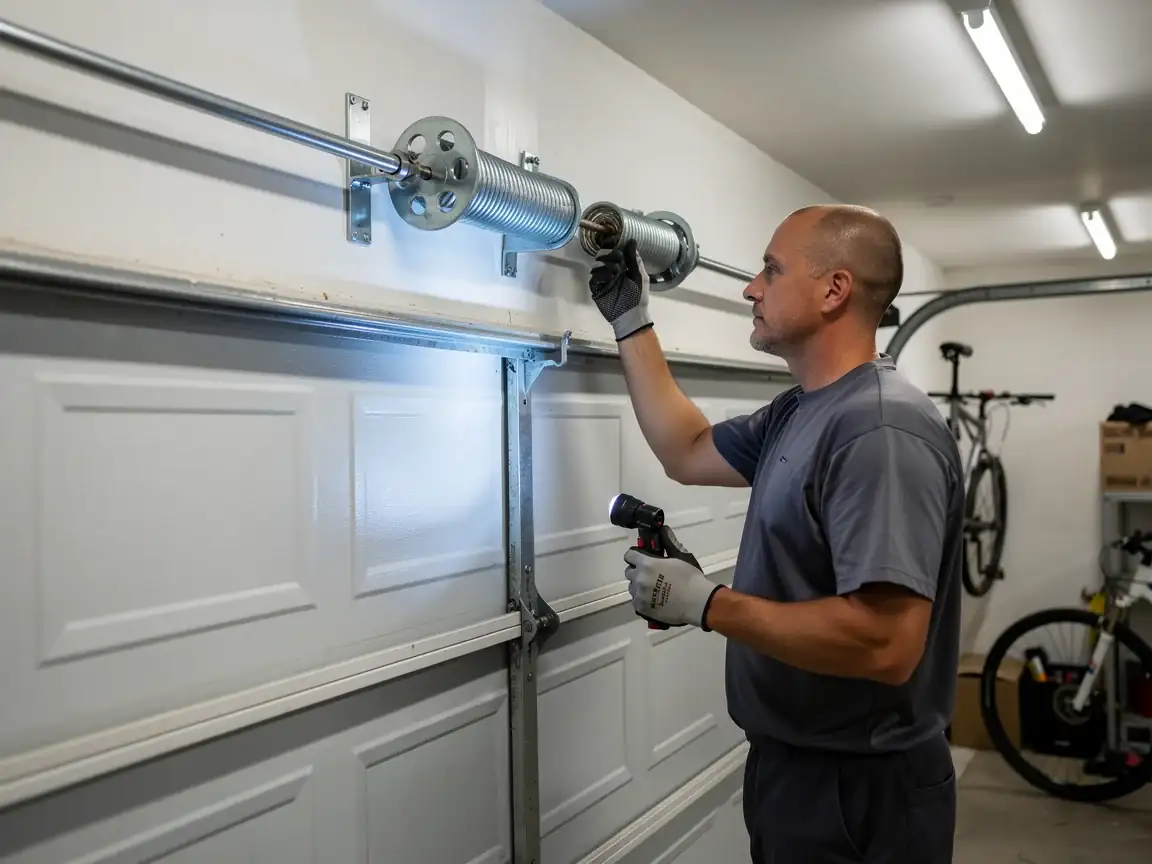
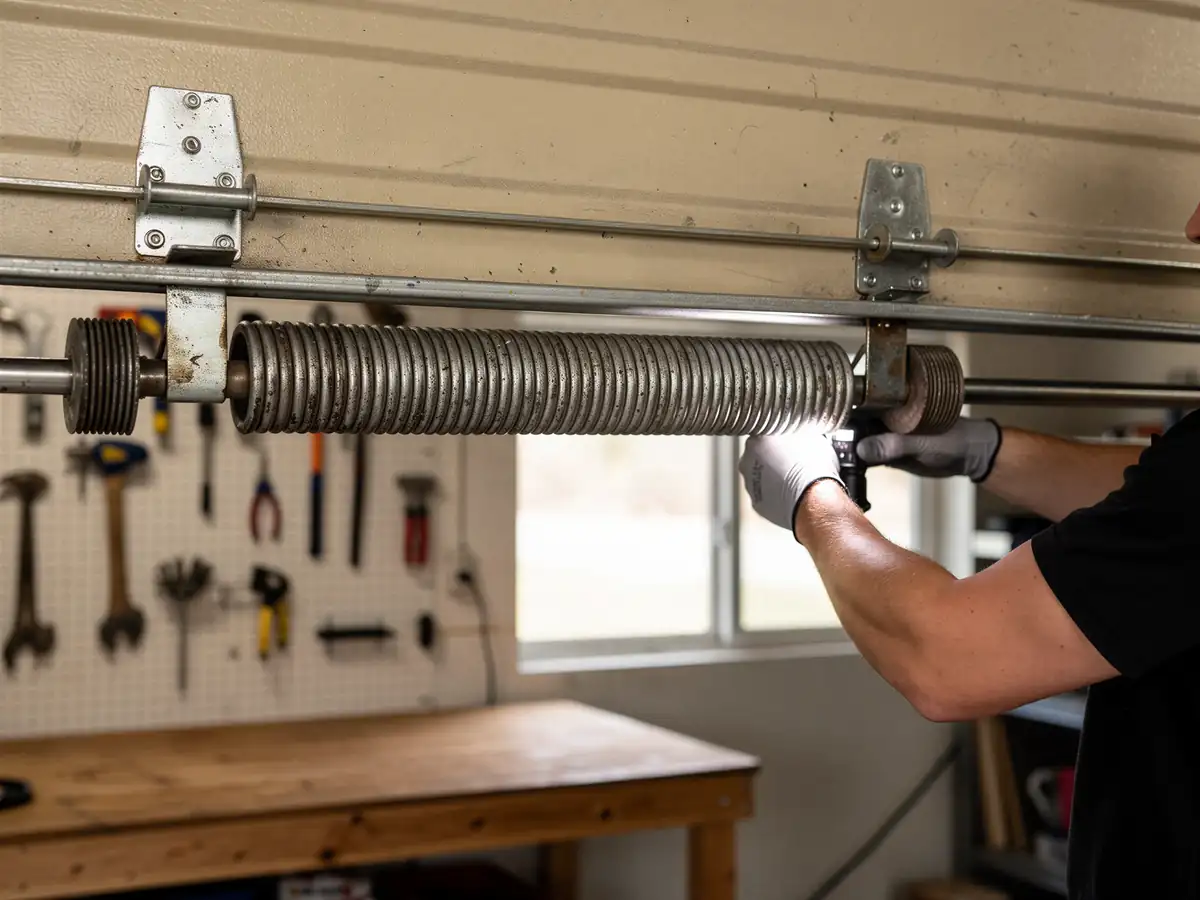
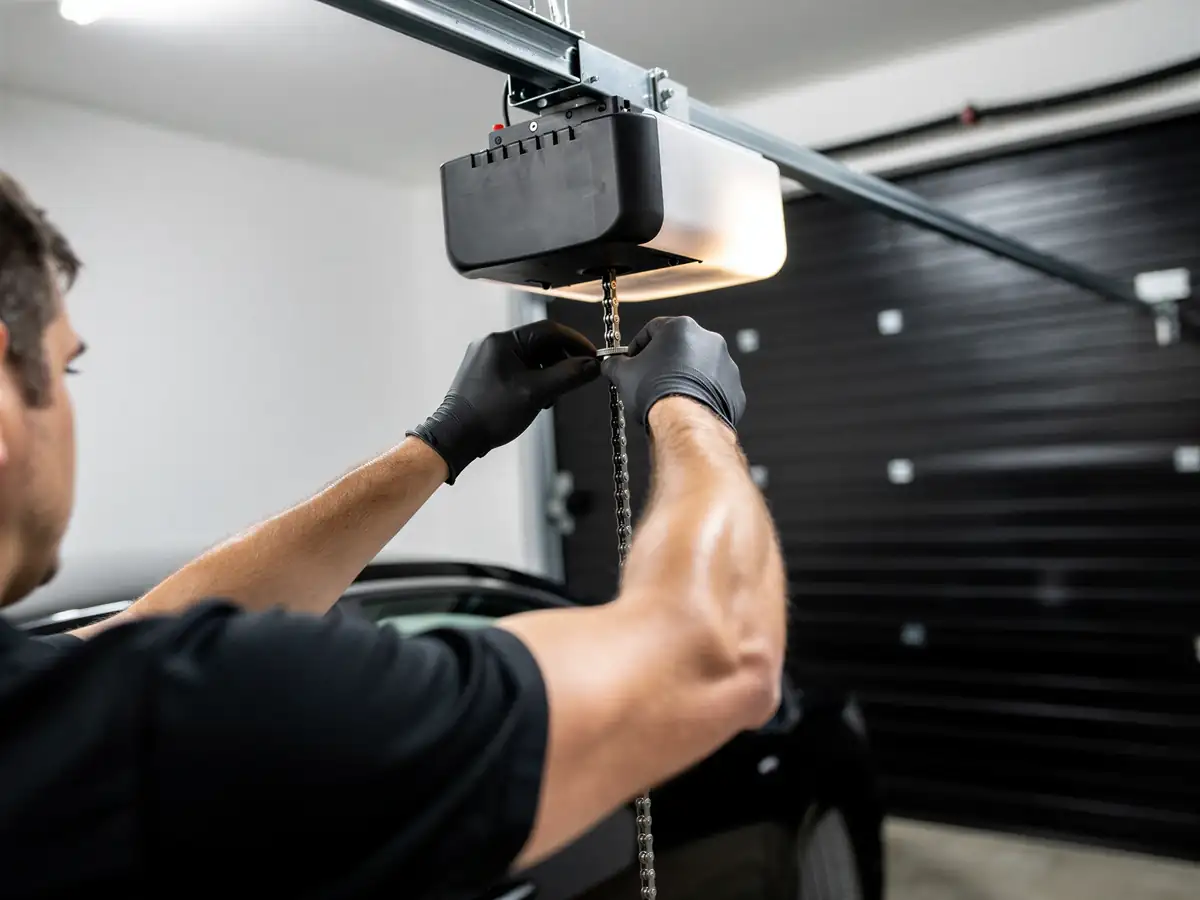
Where we tell owners to stop: anything involving the logic board, the motor housing, or the gear set itself. These openers carry spring tension through the drive system even when the door itself isn't under direct spring load, and a gear or sprocket job done wrong can let the door drop unexpectedly. We also won't try to source a replacement logic board for a chain-drive unit old enough to have come with a house built in the 1960s or 70s - those boards often aren't made anymore, and chasing a part that doesn't exist costs you more time than a straight replacement would. That's the honest limitation: we repair what's repairable, and we tell you plainly when a 40-year-old opener is a replacement, not a repair.
What the Fix Involves
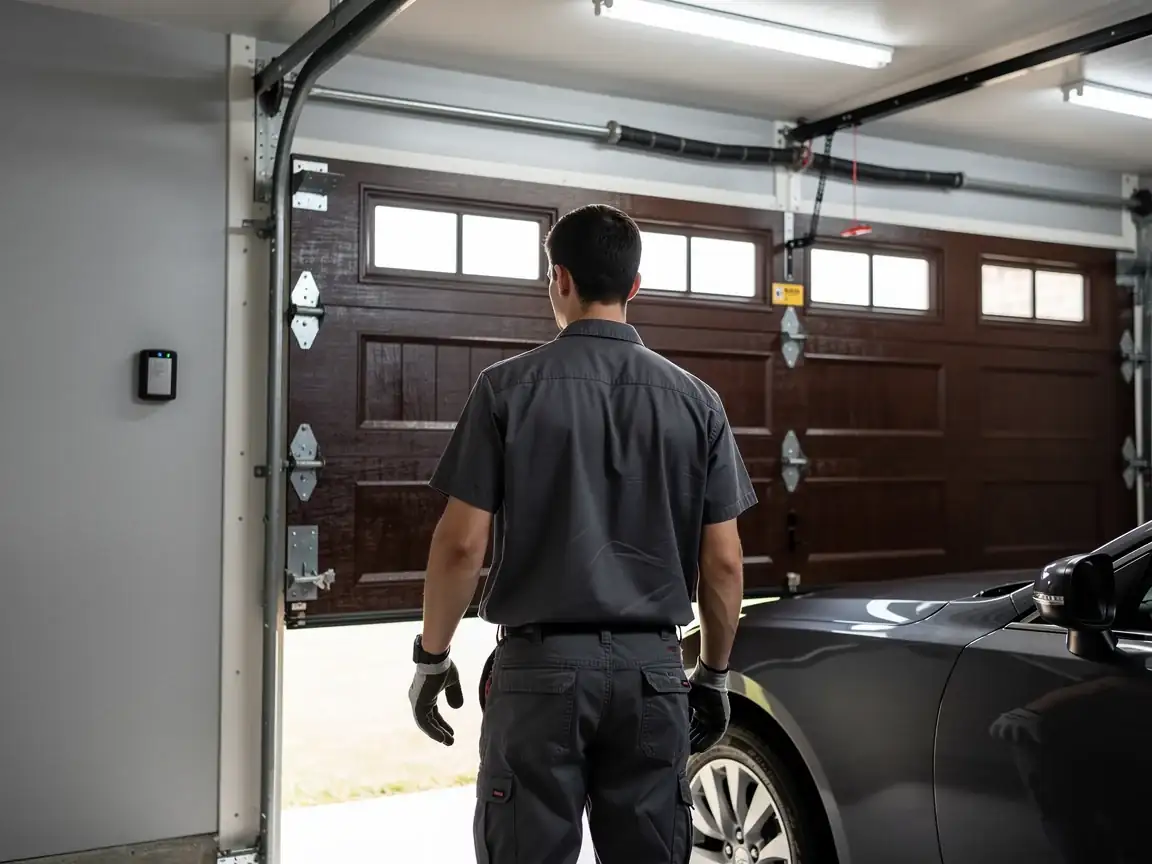
A proper opener call starts with running the unit through its full cycle to isolate whether the fault is mechanical, electrical, or in the safety sensors
Three different problems that look identical from the kitchen doorway. From there it's a gear replacement, a sensor realignment, a logic board swap where the part is still available, or a straight opener replacement when it isn't.
Parts availability is the real variable across a service area with housing stretching back to 1959
Current openers are generally easy - same-day parts. Units original to older houses sometimes aren't, and that's where we're upfront about whether a repair is worth doing versus putting in a new opener that'll outlast the one it replaces. Either way, you get told which situation you're in before anything gets taken apart, not after.