The DIY Question
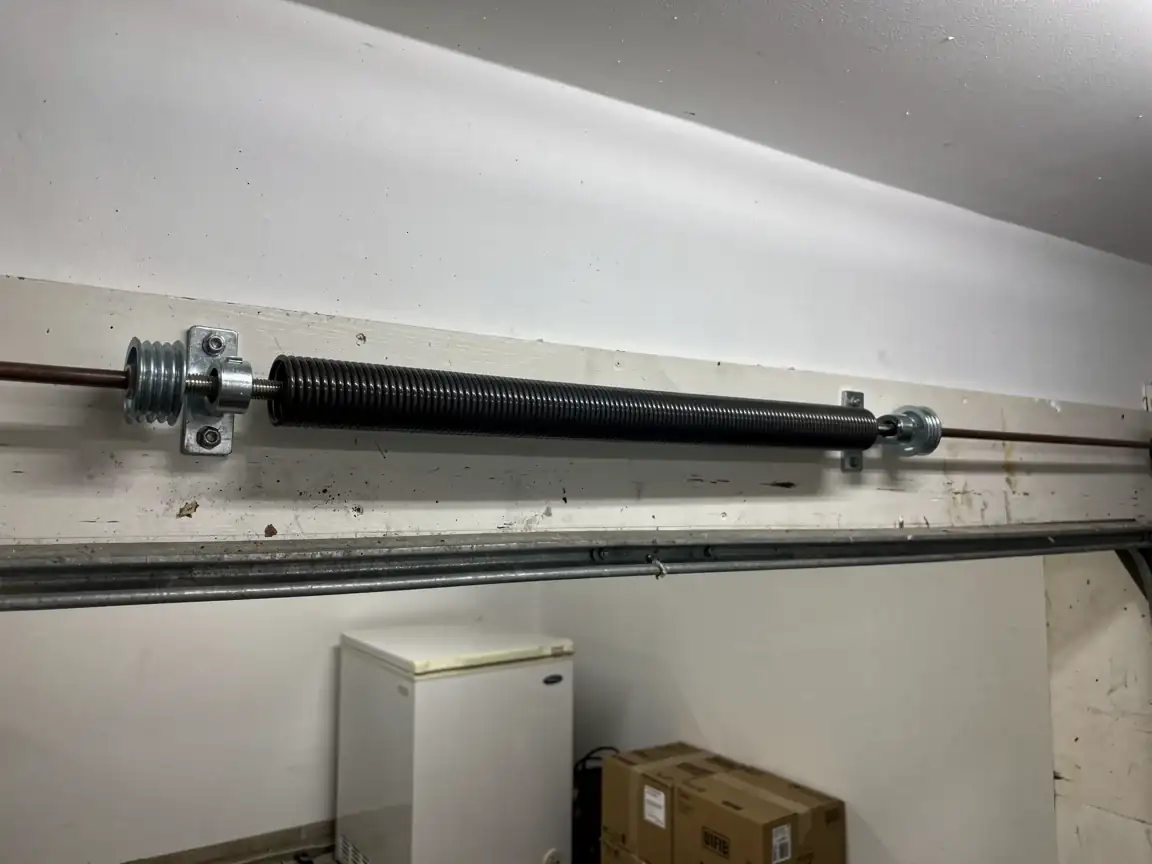
A torsion spring under tension can break fingers or worse if the winding bars slip, and that risk doesn't change because the house is a mile instead of twenty from our shop. What does matter for Erwin specifically: with median year built sitting at 1959, a good share of these doors predate the safety cable and the drum-and-cable standards that came later in the housing stock. Older hardware means more unknowns under that spring - rust-seized set screws, a bent shaft, a bracket that's been re-drilled once already. If you've got basic tools and patience, you can replace rollers or lubricate track yourself. Spring replacement on a door this age is not a Saturday project we'd talk you into. The honest answer is we'd rather drive the 20 miles than walk you through it over the phone.
What It Costs
We don't have a published price list specific to Erwin, and we're not going to invent one here. What we can tell you is that a 20-mile trip gets factored into the quote, and that a straight spring swap on a door from this era usually costs less than one where the opener, track, and bottom brackets all need attention at once - which happens more often on houses built before the newer code-era hardware became standard. Call for a number against your actual door; we'll ask the door's width, whether it's one spring or two, and roughly when the house was built, since 1959-era stock often needs a different spring length than anything built in the 80s or later.
What the Fix Involves
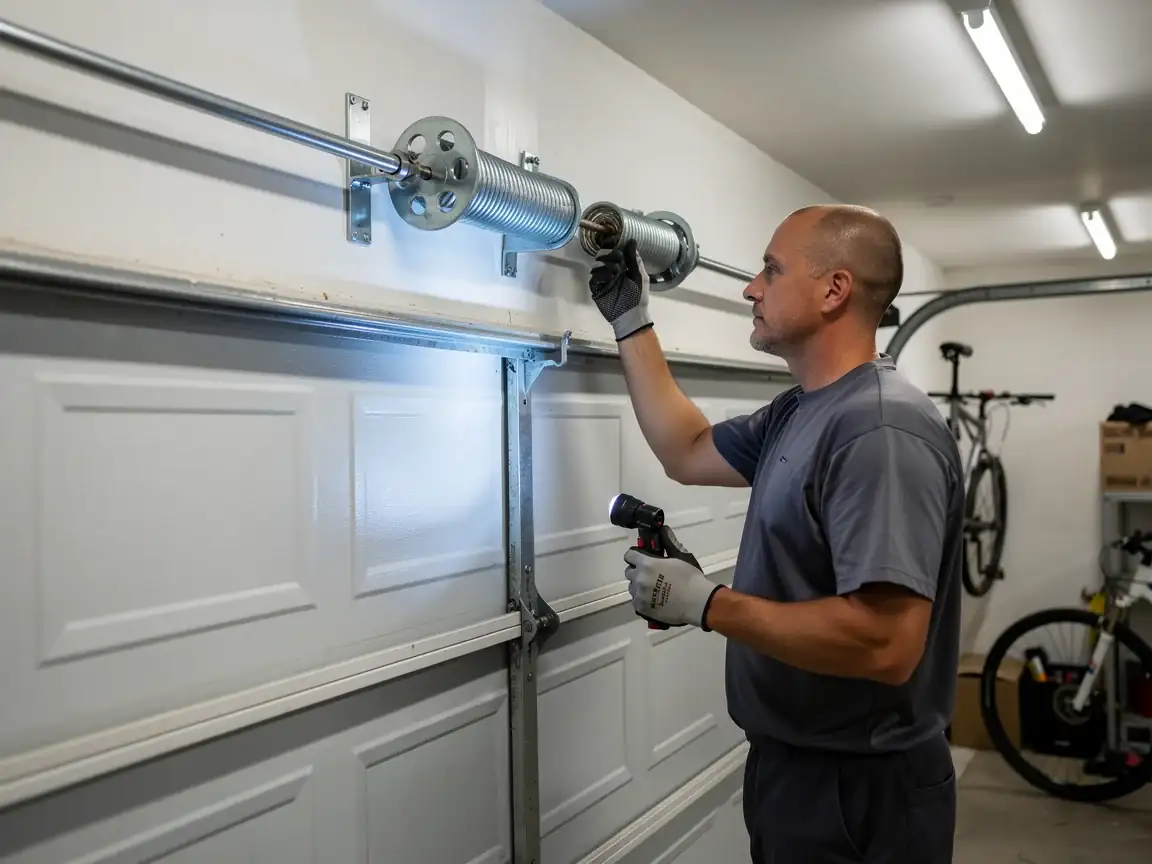
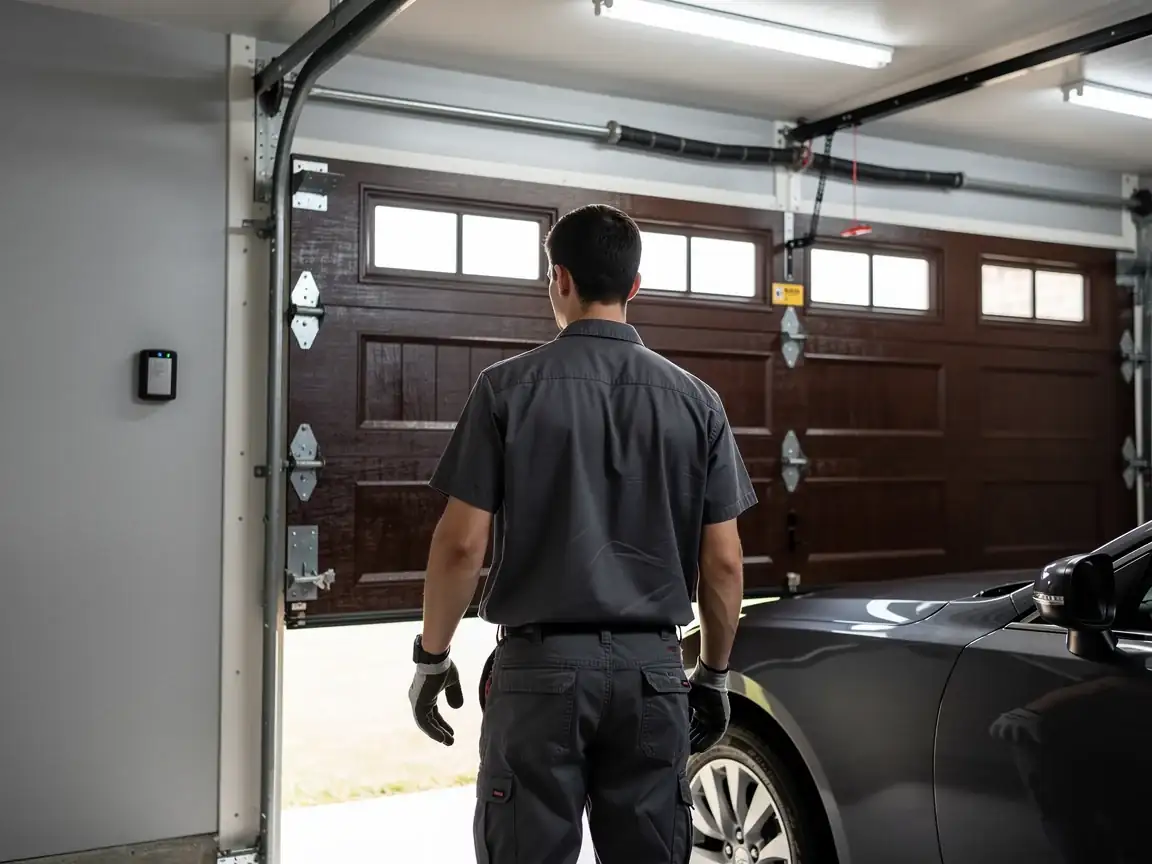
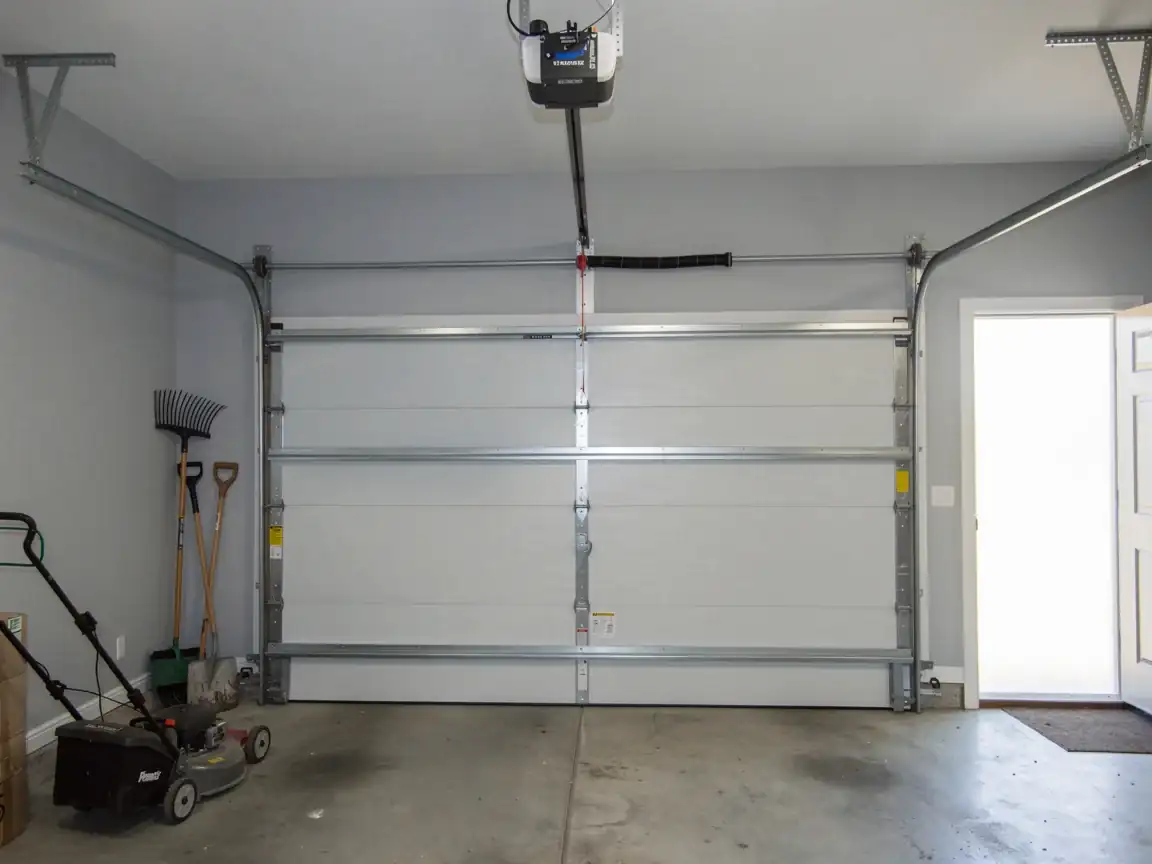
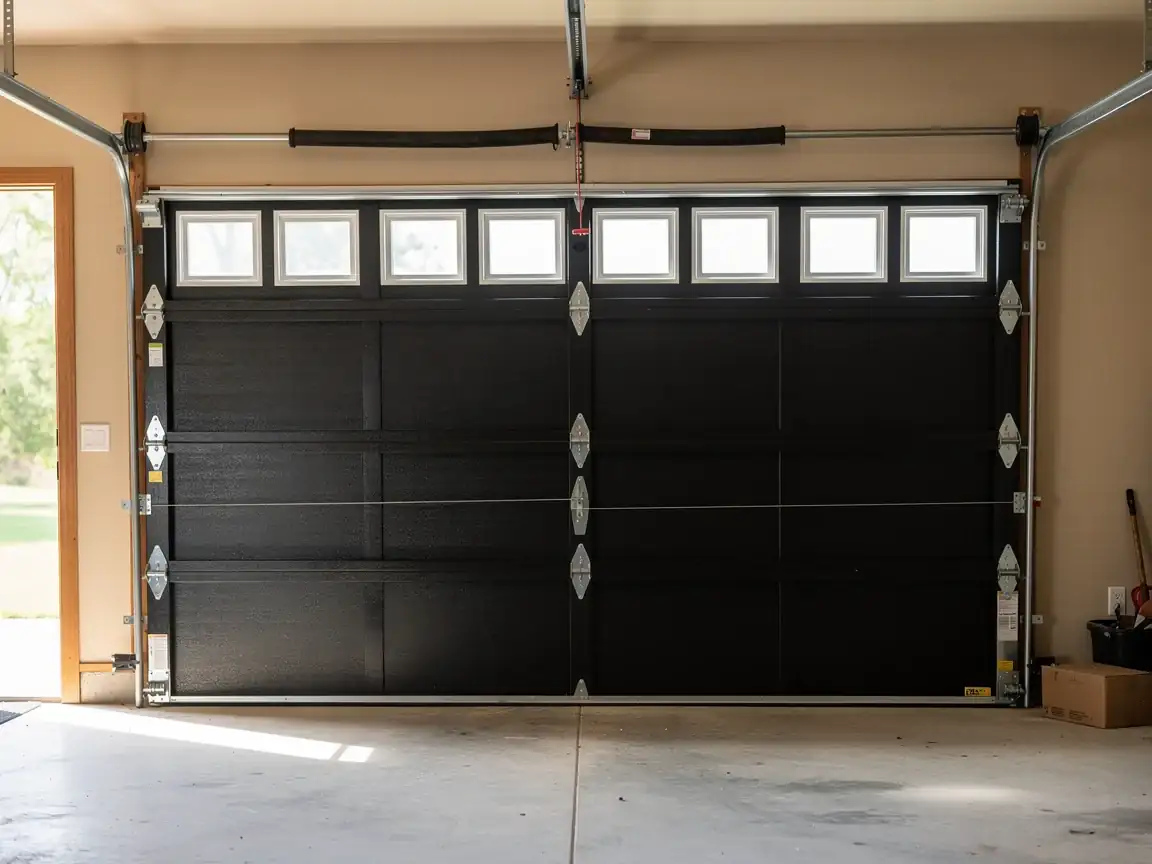
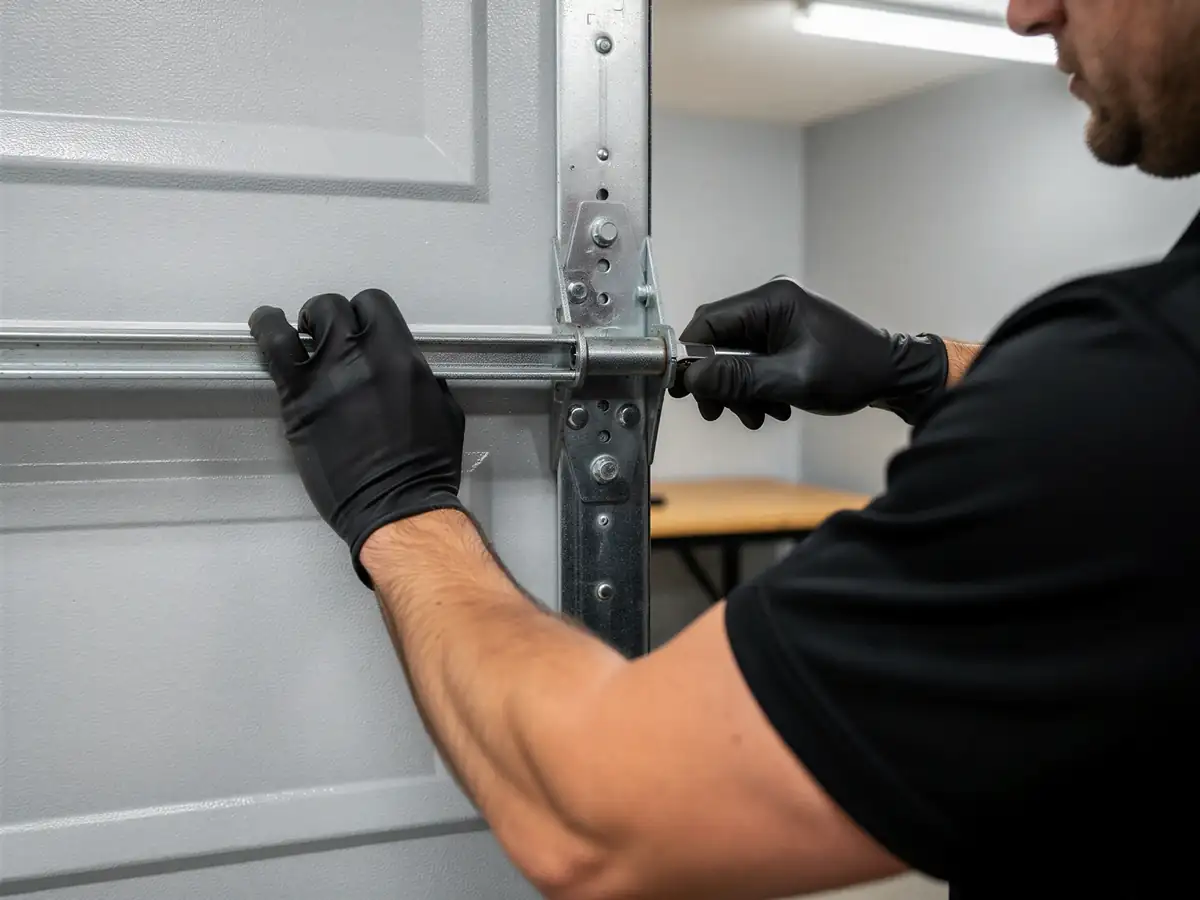
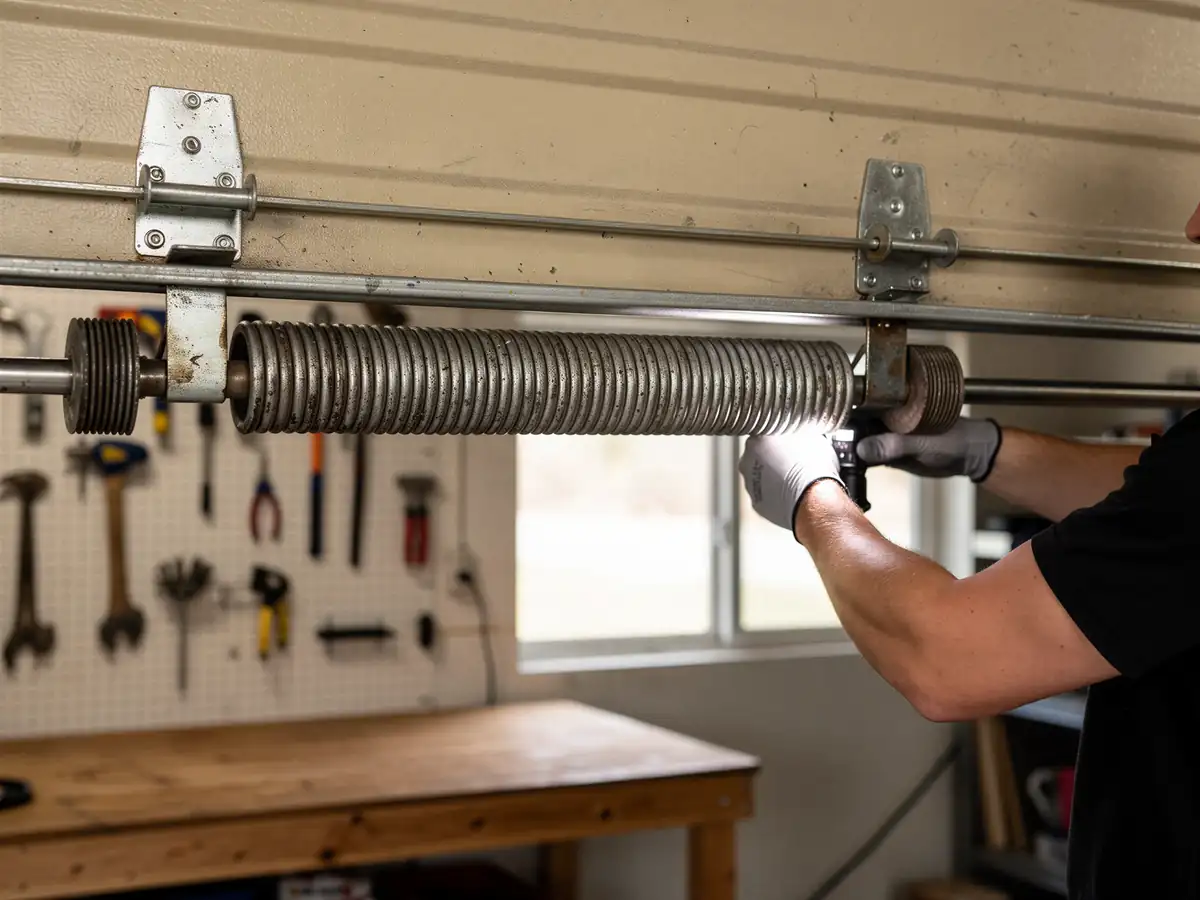
Unwind and remove the broken spring, check the shaft for wear where the spring rode against it, replace the cones and bearings if they're chewed up, then install and wind the new spring to the door's actual weight and width - not a universal setting. On older torsion setups common in this part of the service area, we also check whether the center bracket is still solid, since that bracket takes the full load of both springs and is a common failure point once a house passes the half-century mark. Cables get inspected and replaced together if one shows wear, since mismatched cable age is how you end up back out here in six months. Last step is cycling the door a dozen times and listening - a properly wound spring on a balanced door should feel almost weightless by hand, with the opener barely working to lift it.
Why It Happens Here
Erwin's housing sits at a median build year of 1959, older than the broader service-area range of 1959 to 2002, and that gap matters for springs specifically. A spring rated for 10,000 cycles doesn't know how old the house is, but the doors on these older builds tend to be heavier wood or early steel, and heavier doors wear springs faster than the lighter insulated panels that came later. Add a cold-moderate climate - the metal contracts in winter, expands in summer, and that cycling fatigues the coil over years of use regardless of how carefully the door was installed. With roughly 1,803 households in Erwin and a median income of $50,077, a lot of these are original owners or second owners who've never swapped the spring once since the house was built - which is exactly the door that breaks without warning on a Tuesday morning.