The DIY Question
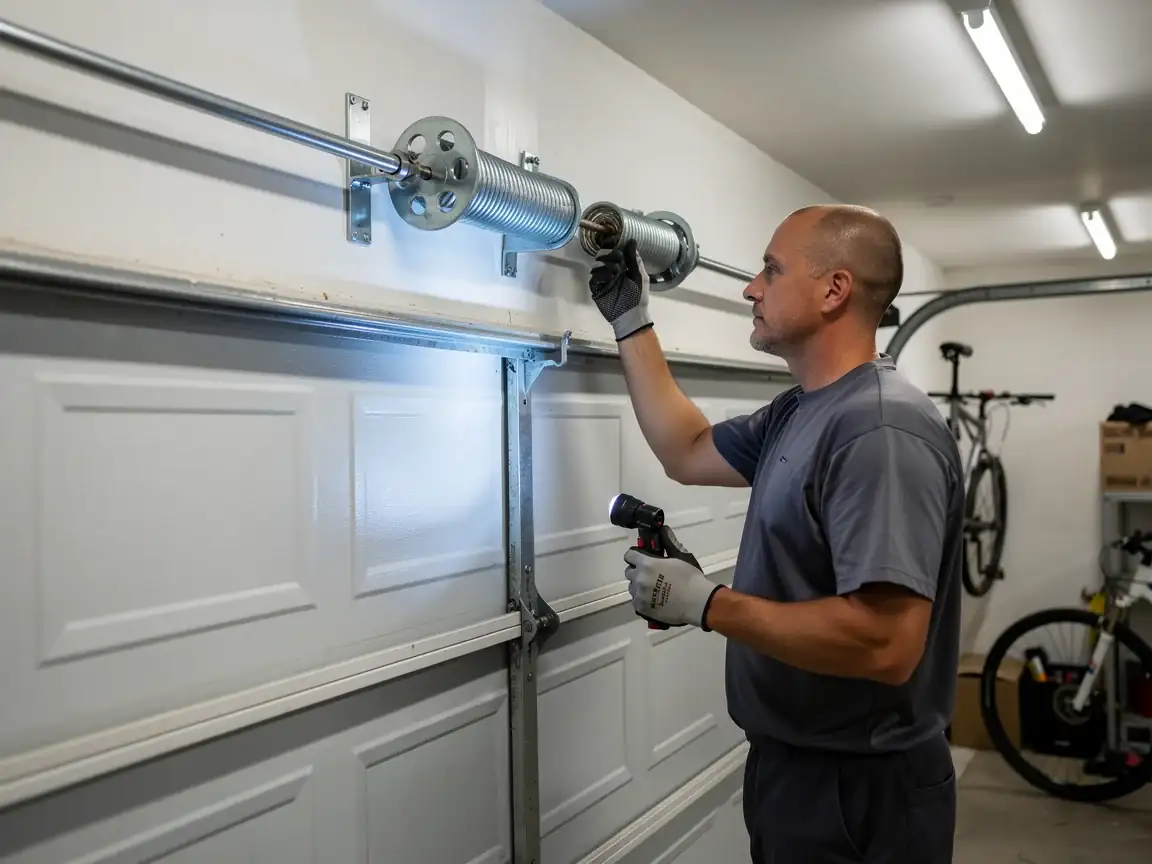
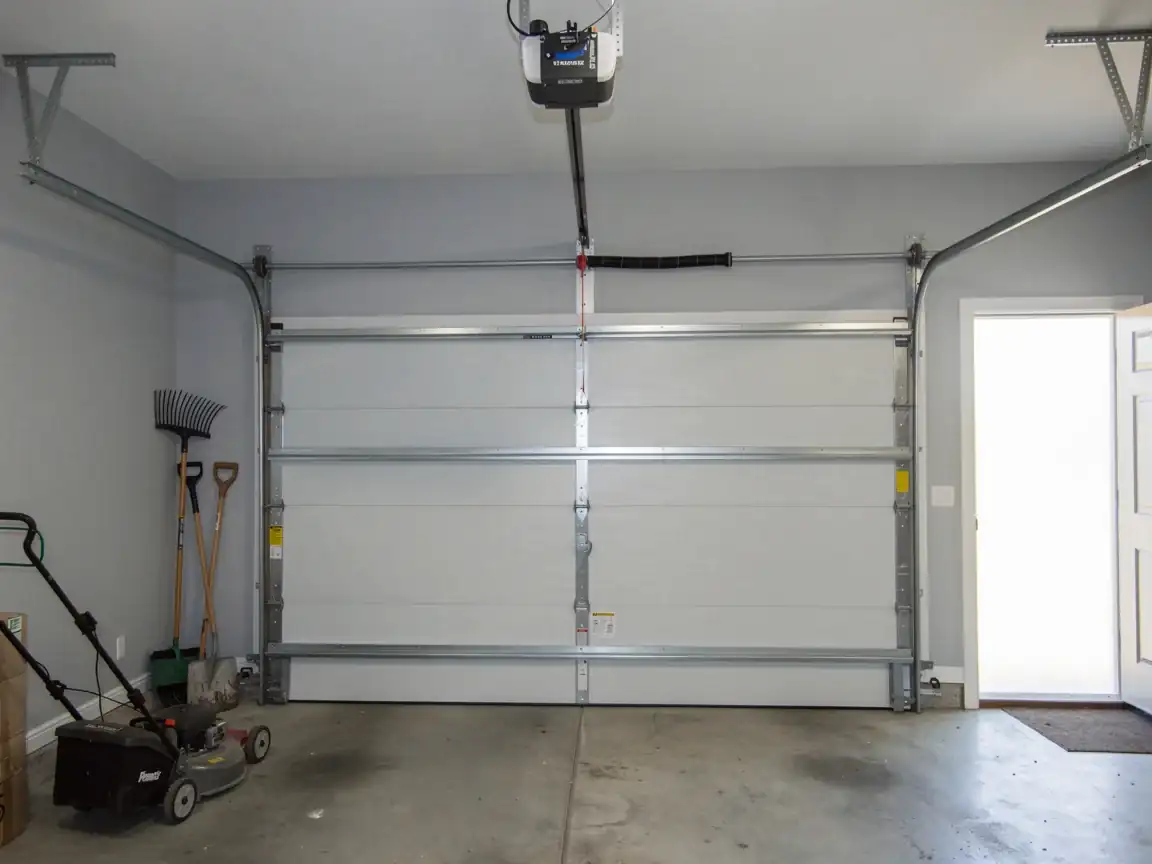
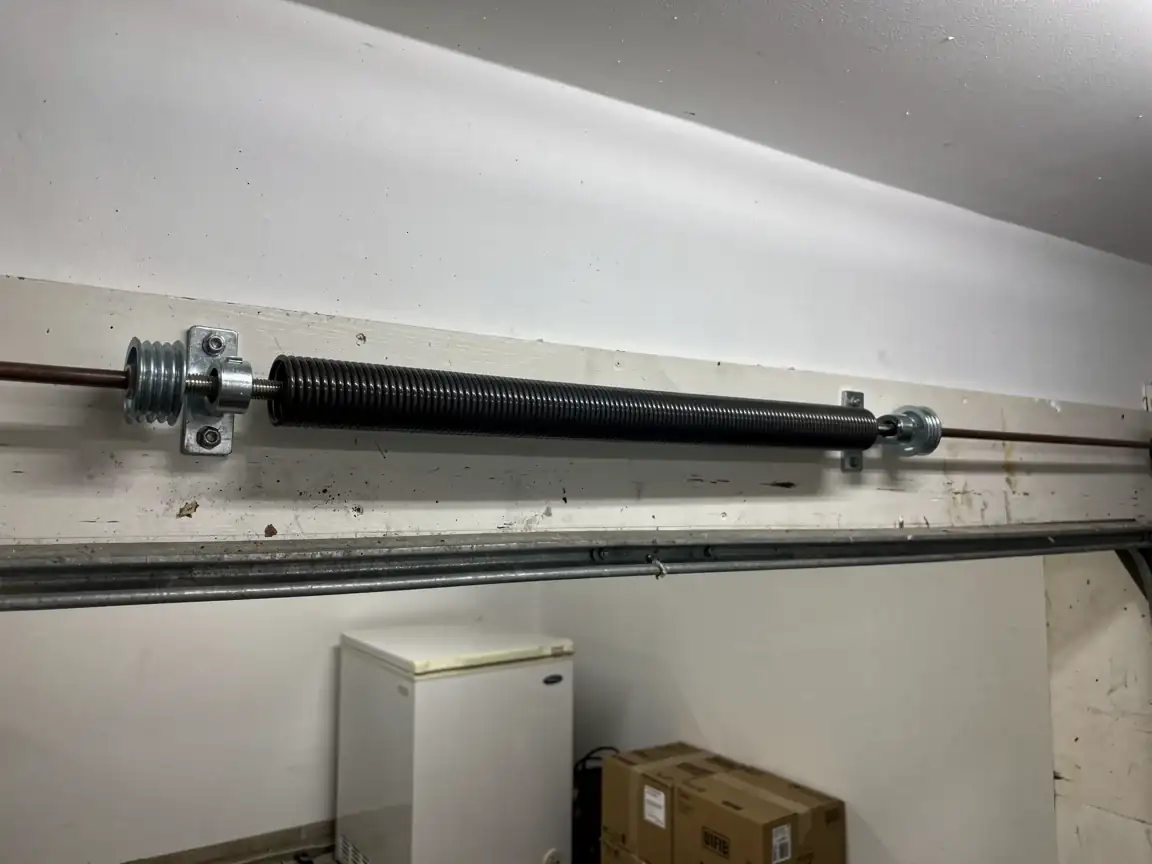
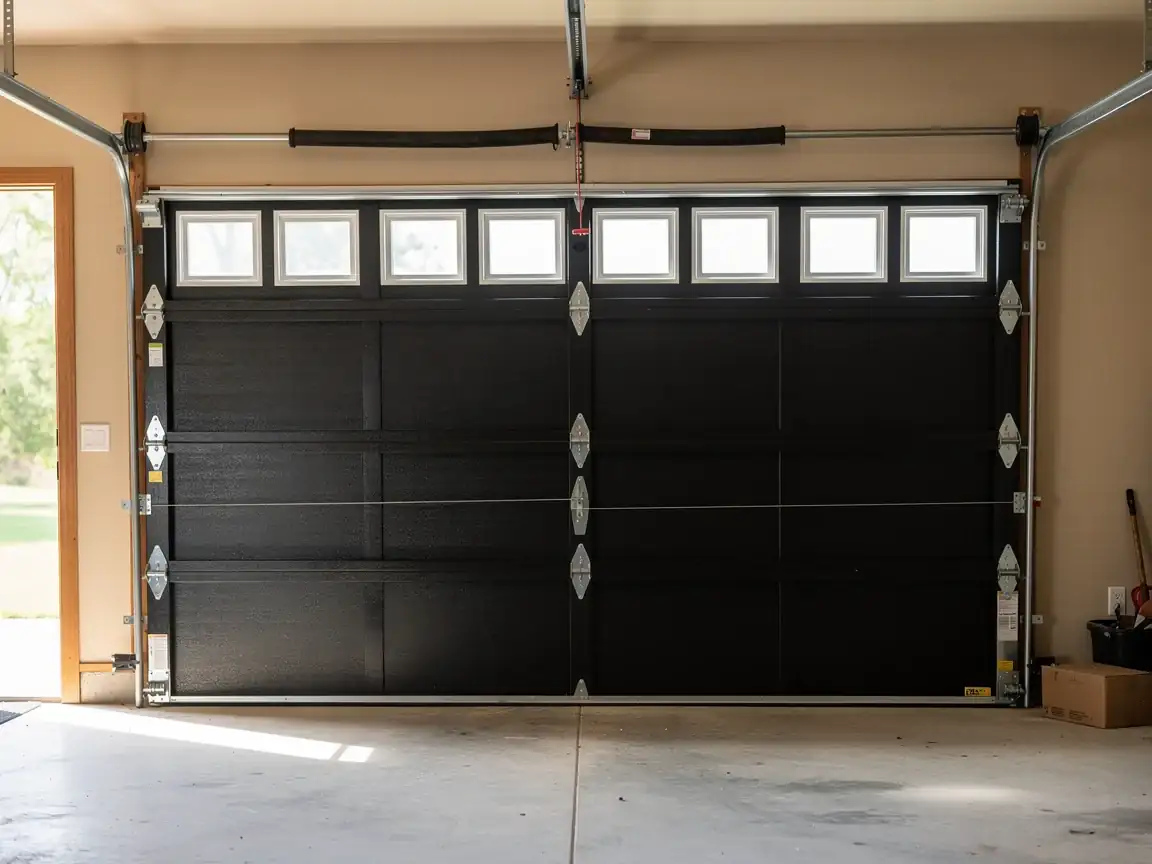
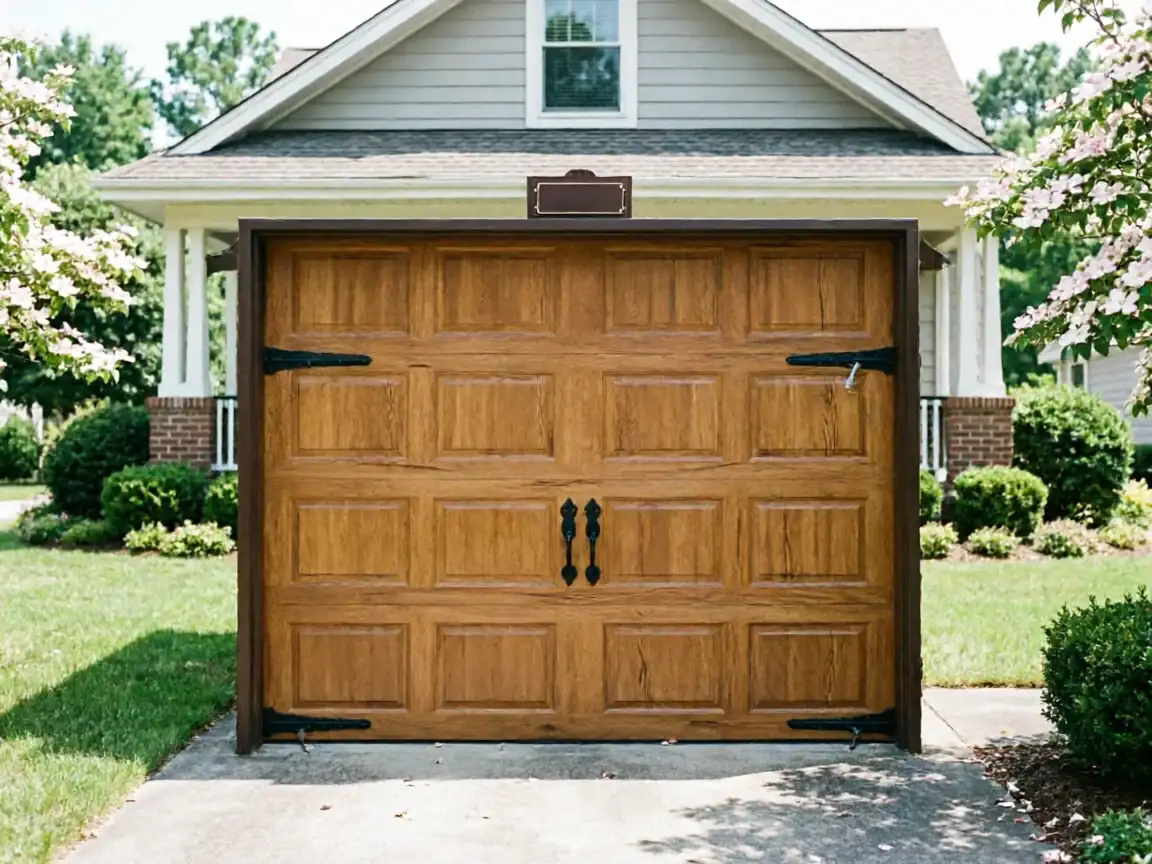
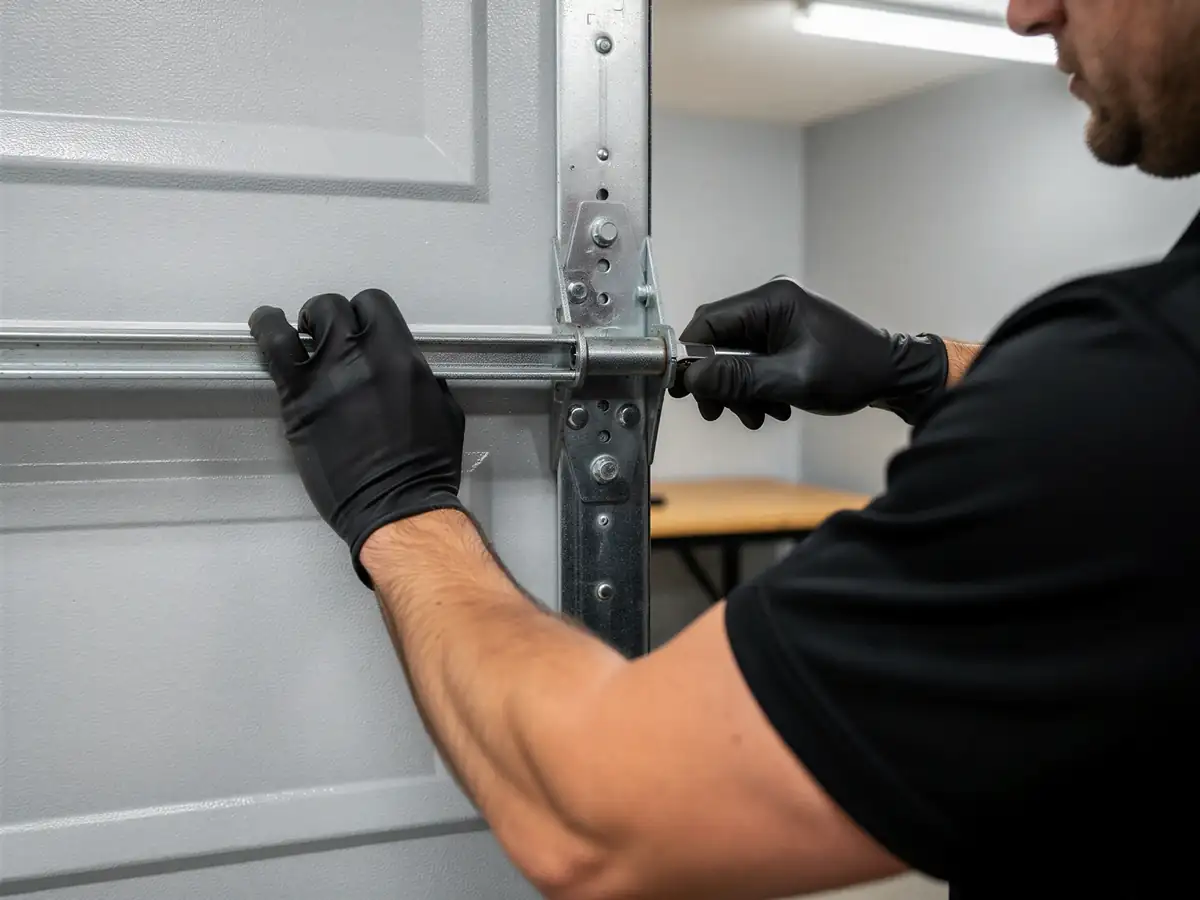
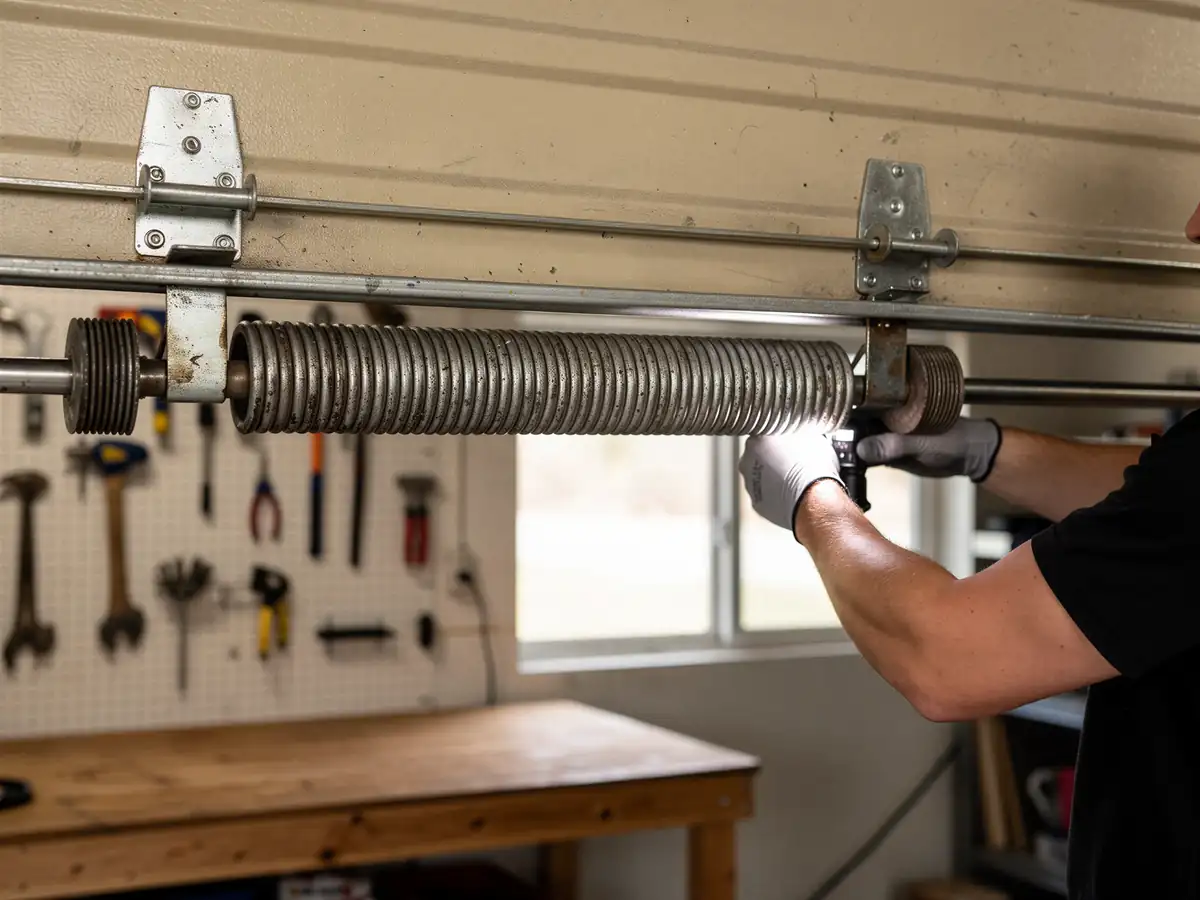
A torsion spring is wound under enough tension to break a bone or worse if the winding bars slip, and that doesn't change because the door is old or new. We don't walk homeowners through doing this themselves, and we won't send parts for a DIY job. What you can safely check yourself: whether the door is a single torsion spring or two, how the cables look at the bottom brackets, and whether there's visible gap in the coil when the door is down. That's useful information to have ready when you call, since a 1978-era door often takes a different spring size than what's sold for the lighter aluminum doors common on newer builds. If your door is the older wood-panel type rather than steel, tell us that too, because the extra weight changes which spring goes on the door and sometimes means replacing both springs instead of one, even if only one broke.
What the Fix Involves
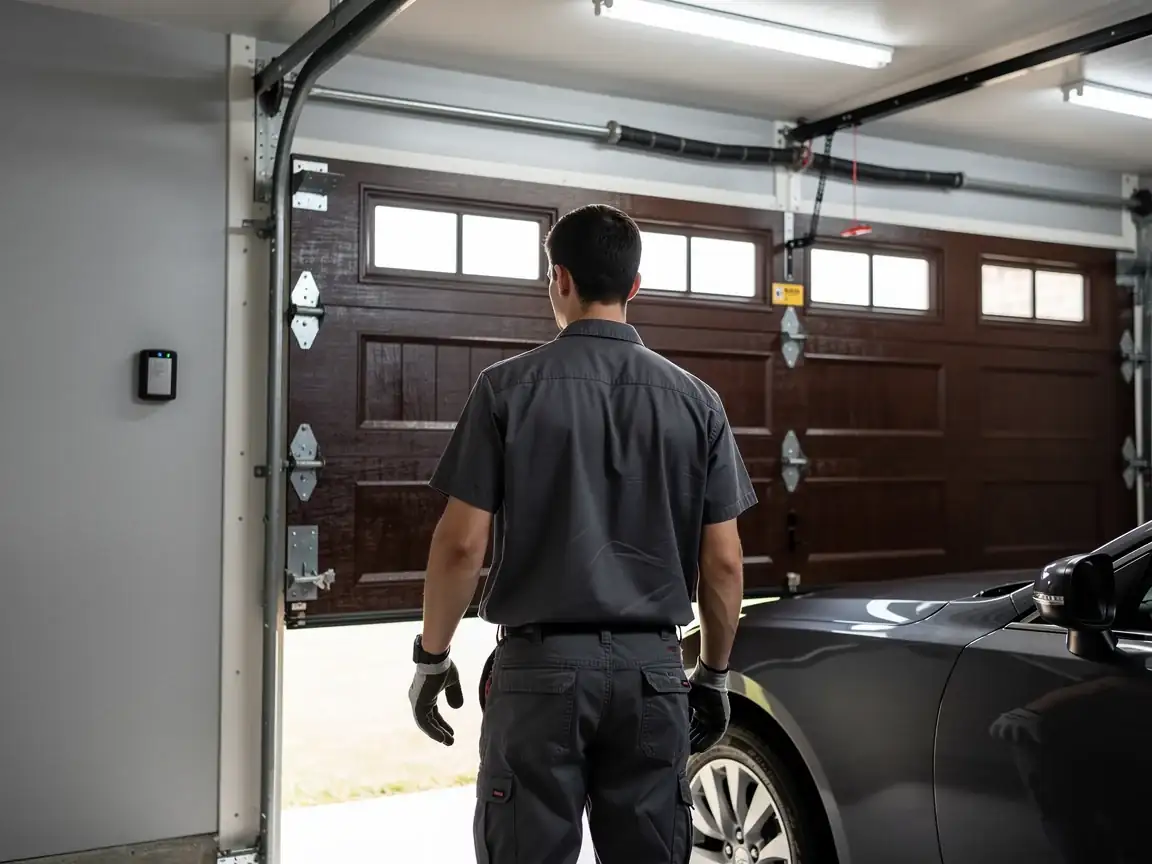
We measure the door's actual weight and wire size rather than guessing from the door's age, because even within houses built in the same few years around 1978, doors vary by manufacturer and by whatever replacement happened in between. For a steel door from that era, that usually means a torsion spring matched to the original header-mount hardware, not a conversion to extension springs, since the drums and torsion tube are already in place and working against them costs more than it saves. We replace in pairs when both springs are near the same age, which on a door this old they almost always are, since one going generally means the other isn't far behind. Cables, end bearings, and the center bearing plate get checked at the same time, since a cable frayed from running over worn hardware will cut a brand-new spring's life short. We don't replace parts that aren't worn just to round out the job.
How Long You Are Without the Door
Because we're coming from Fuquay-Varina, about twenty miles out, Benson jobs get scheduled around the drive rather than promised as a same-day fix the way a call five minutes from the shop might be. Once we're on site, a straightforward torsion spring swap on a door this age usually doesn't stretch into a multi-visit job, since the spring sizes for 1960s-70s stock doors are common enough that we're not waiting on a special order most of the time. Where it runs longer is if the cables, drums, or bearing plate are also worn past use, which is more likely on a door that's never had the springs touched in over forty years. We'll tell you on site if that's the case rather than quote a one-part fix and find more once we're in it.