The DIY Question
A boxed opener kit looks simple - rail, motor head, a few brackets - and for someone comfortable on a ladder, mounting it isn't the hard part. The hard part is the safety reversal test and the travel-limit setting, both of which have to be right before the door ever gets used unattended. An opener that doesn't reverse on contact is a liability no manual can fully warn you off. We also see openers in this area wired directly into old two-prong outlets or shared circuits that trip under load, which isn't a wiring job most homeowners want to take on themselves. Where DIY makes sense: swapping a remote, replacing a keypad, oiling a chain. Where it doesn't: anything touching the header bracket, the spring side, or the electrical feed. One honest limit on our end - we don't do opener installs as a rush same-day add-on to a repair call; the unit and its mounting hardware need to be right the first time, and that takes the time it takes.
What the Fix Involves
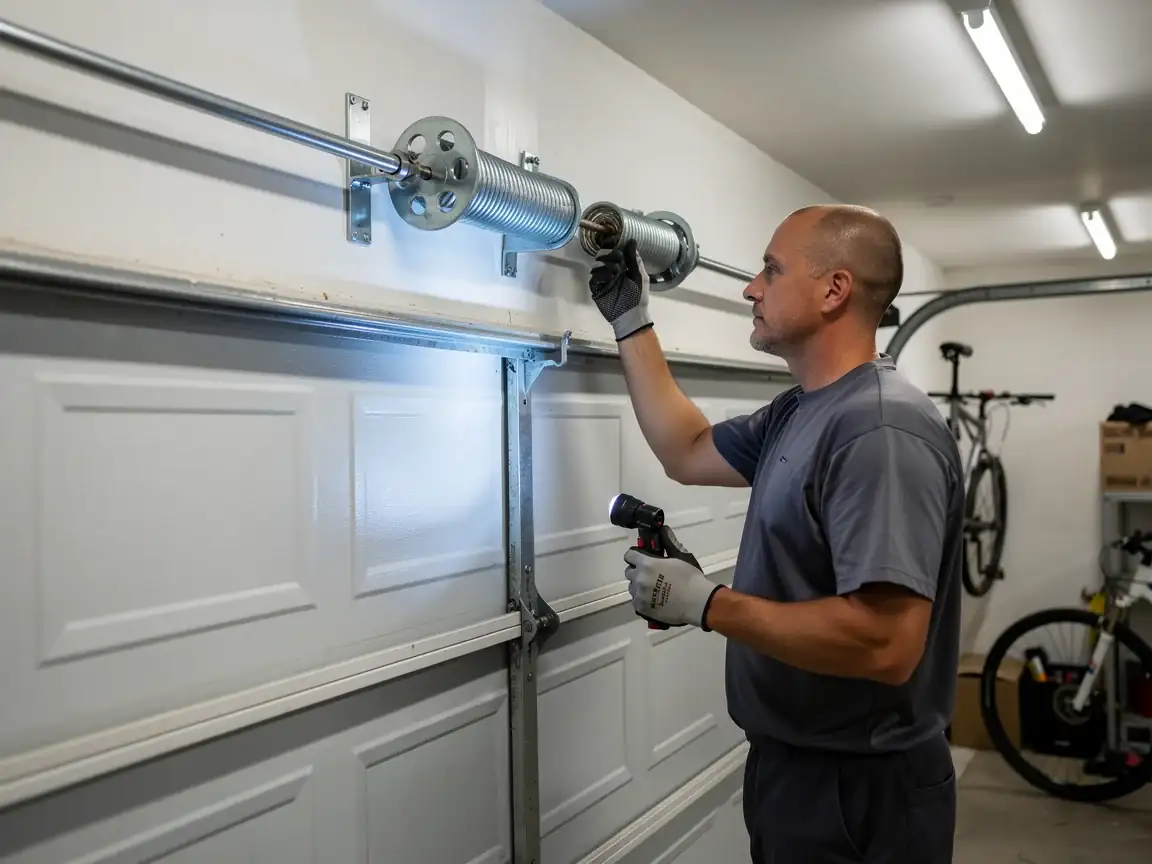
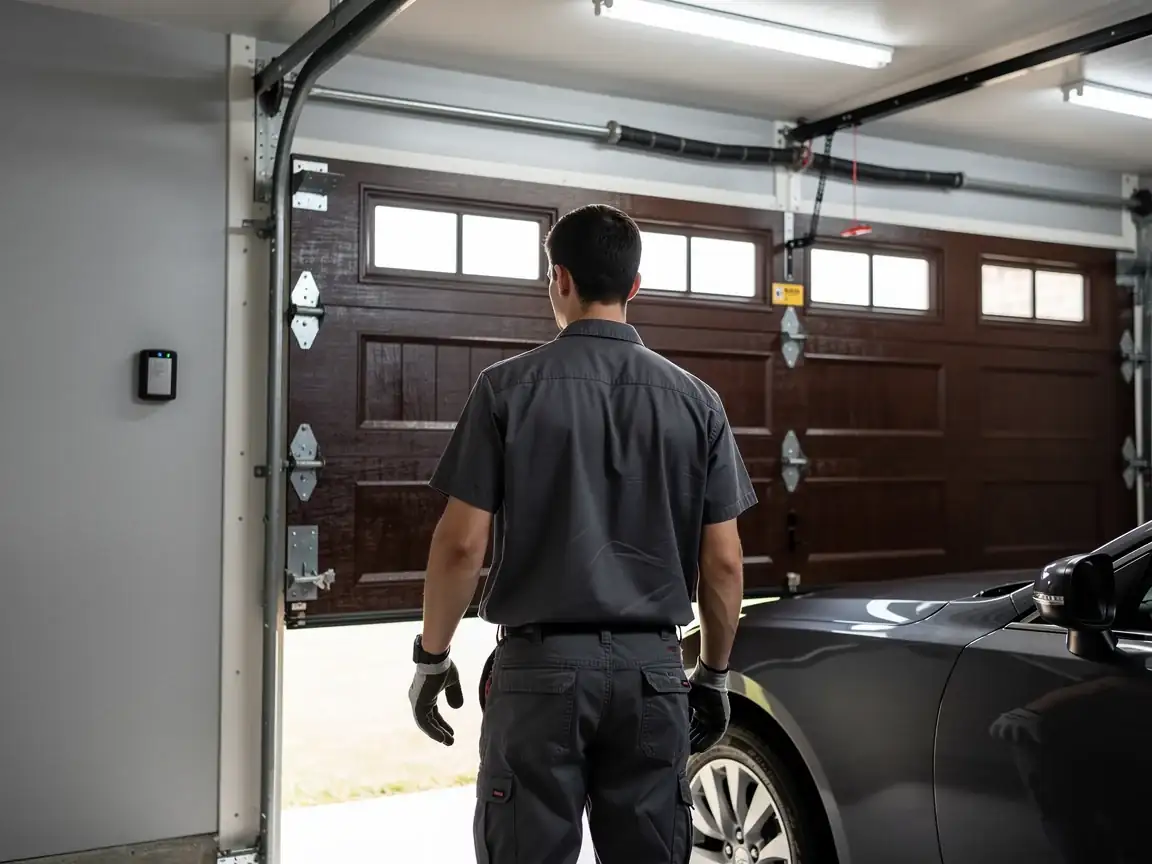
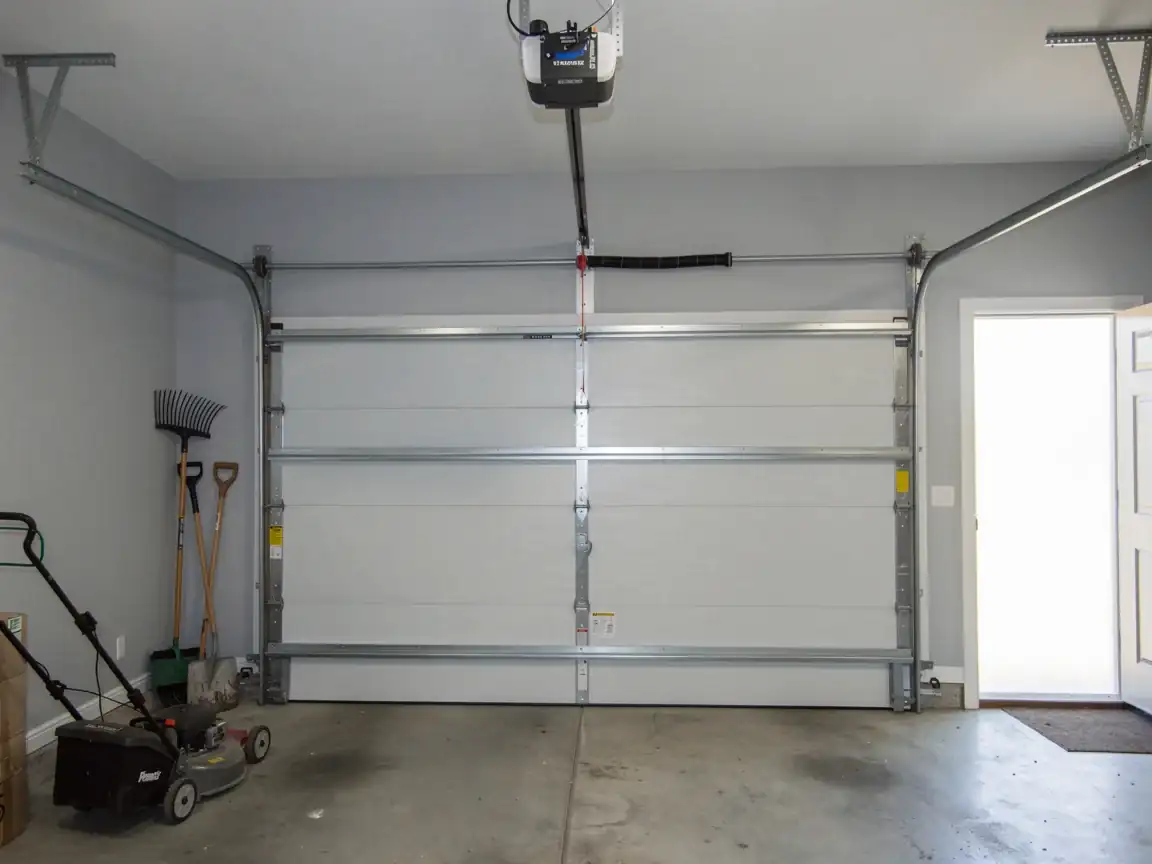
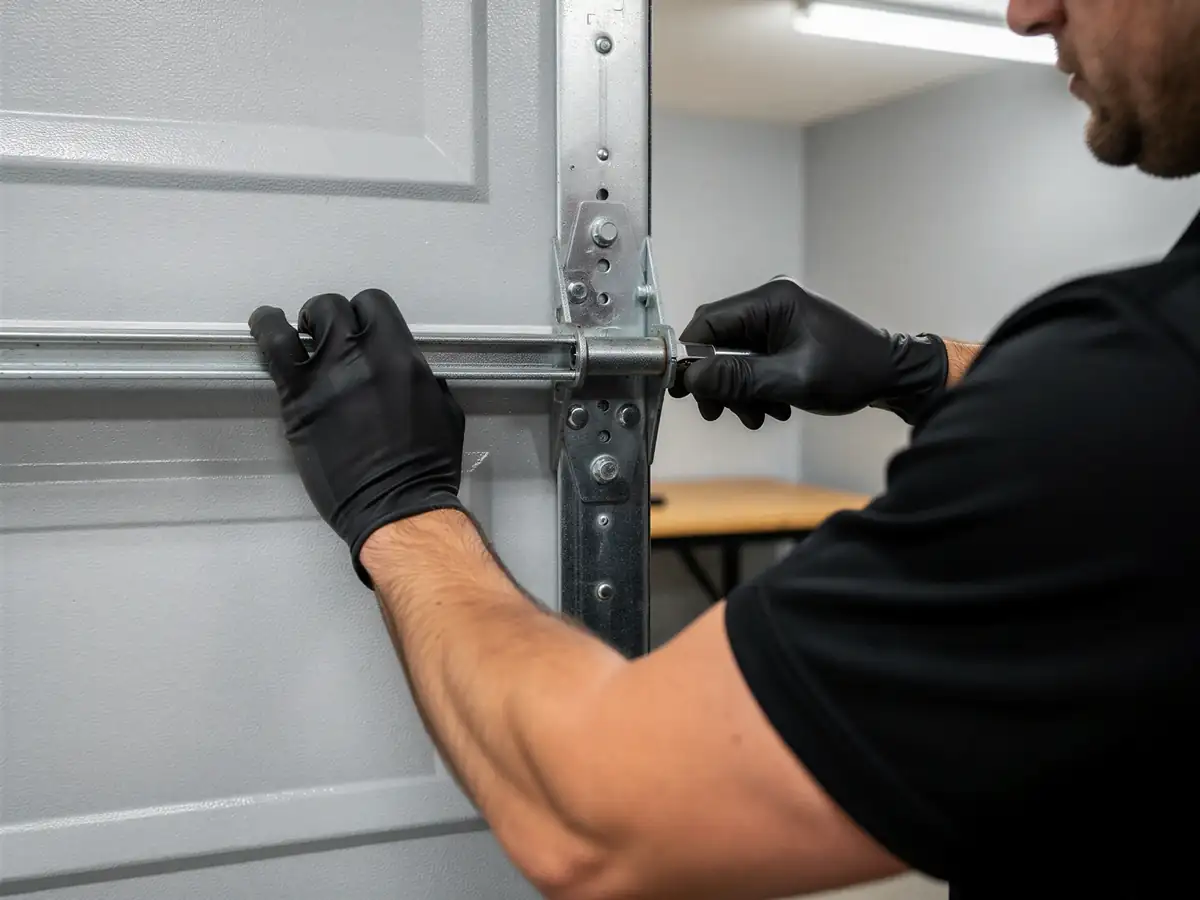
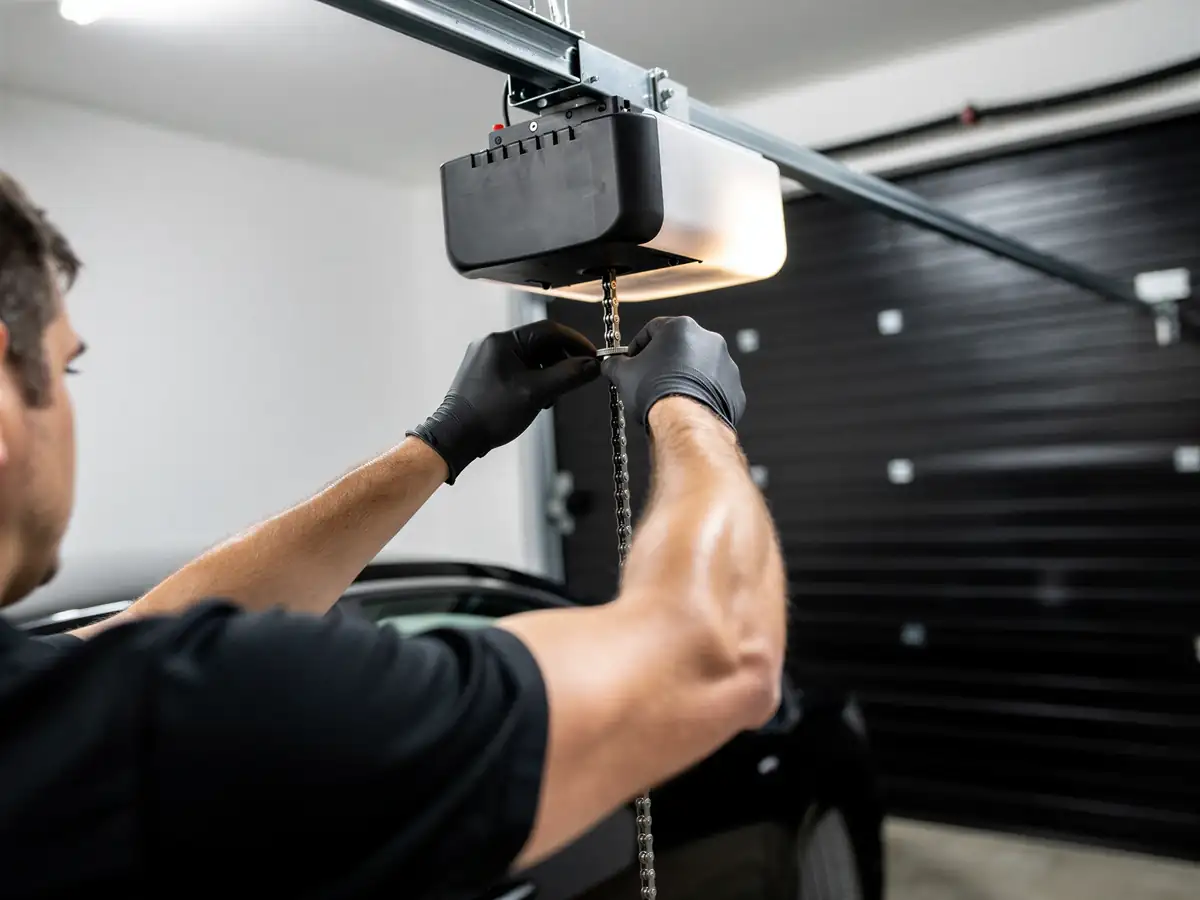
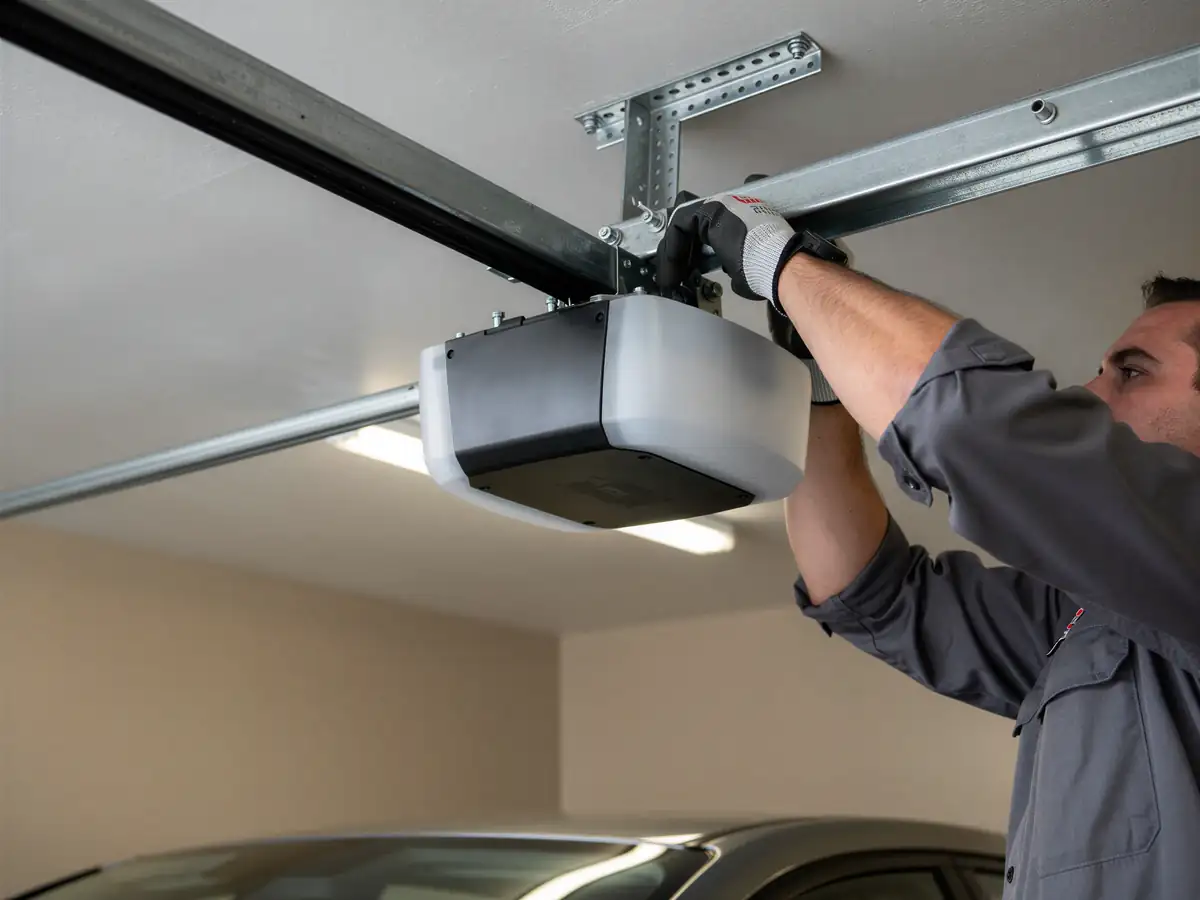
We start by checking the header above the door - on a house built around 1978 that header was sized for whatever door shipped with the house, not necessarily the one on it now. If the door's been swapped for something heavier, the bracket gets reinforced before the opener goes on. From there it's rail assembly, motor mounting, wiring to a dedicated circuit where one exists, and setting travel limits so the door seats without slamming or stalling. Belt-drive units run quieter and hold up better against the swings in temperature this area sees, which matters if the garage sits under a bedroom. We test the safety reversal with a 2x4 laid flat under the door edge, check the photo-eye alignment, and confirm the wall console and any remotes are synced before we call it done. Battery backup is worth asking about specifically - if outages are a concern here, it's a separate add-on, not standard on every unit.
How Long You Are Without the Door
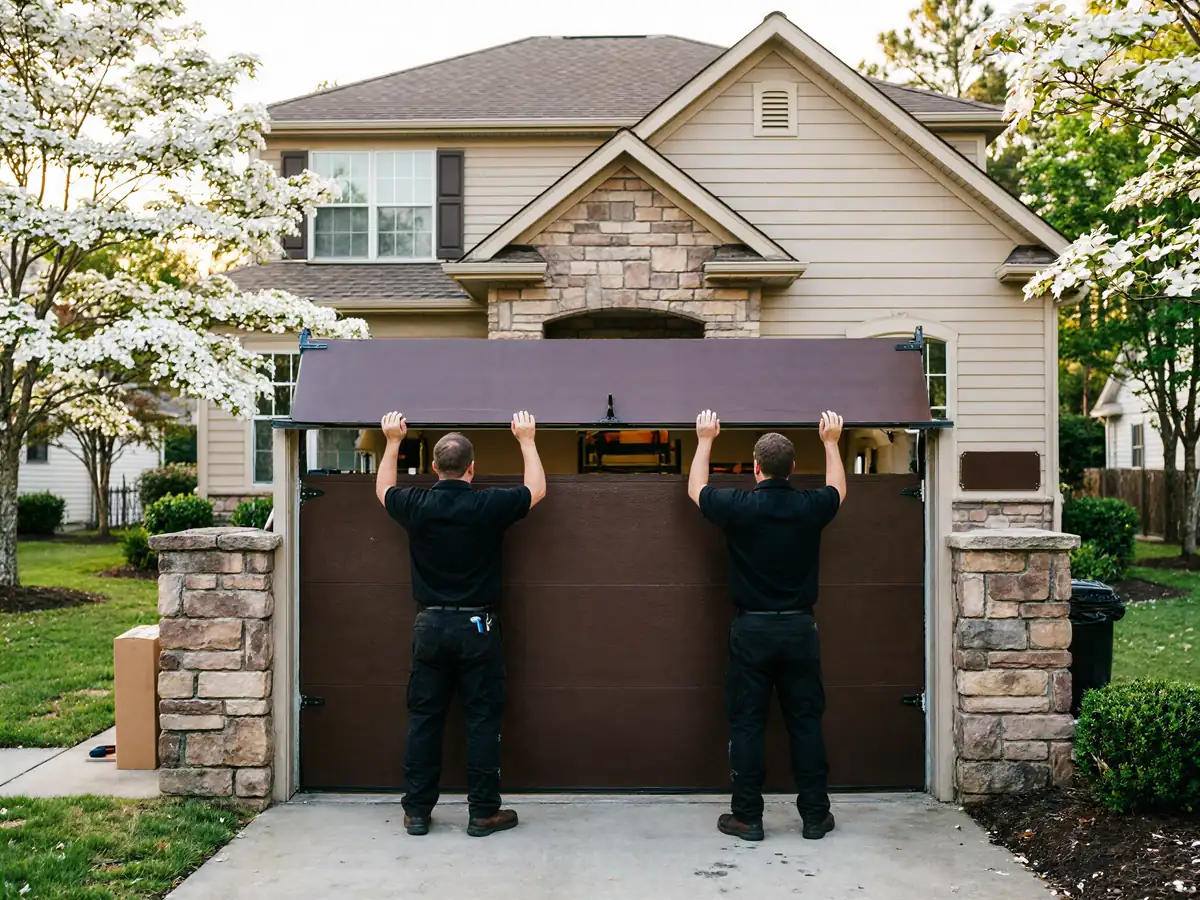
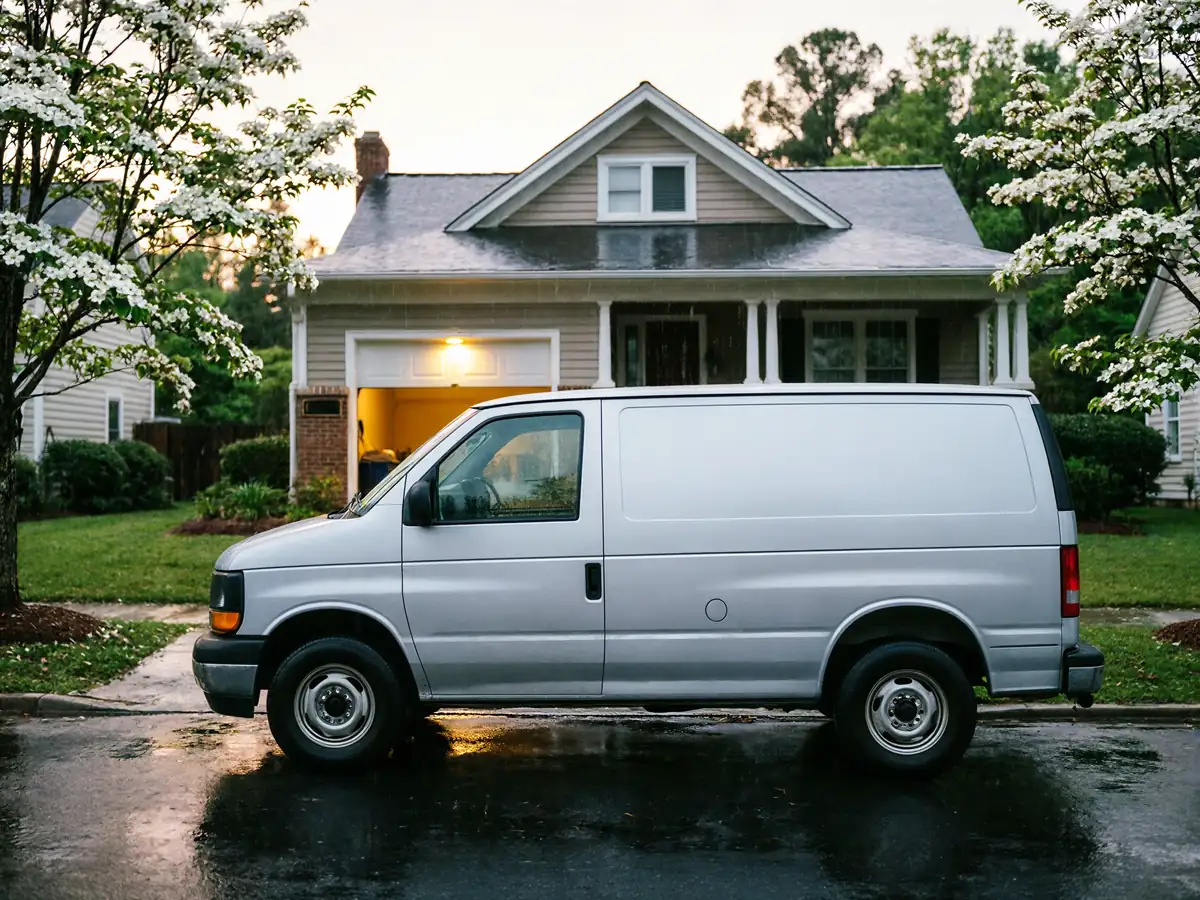
Since this job comes from Fuquay-Varina rather than a depot in Benson, travel is part of the timeline - about 20 miles each way - so we don't promise a same-day opener swap unless the visit's already scheduled. Once the job starts, a straight opener replacement with no header or wiring repairs usually runs a couple of hours door-to-done. If the header needs reinforcing or the circuit needs rerouting, plan on longer, and the door stays on manual operation in the meantime, which is safe but means lifting it by hand. We'll tell you up front if parts for an older unit need ordering - some rail lengths and bracket kits aren't something we carry on the truck for every job, and that can add a day or two before the install itself happens.