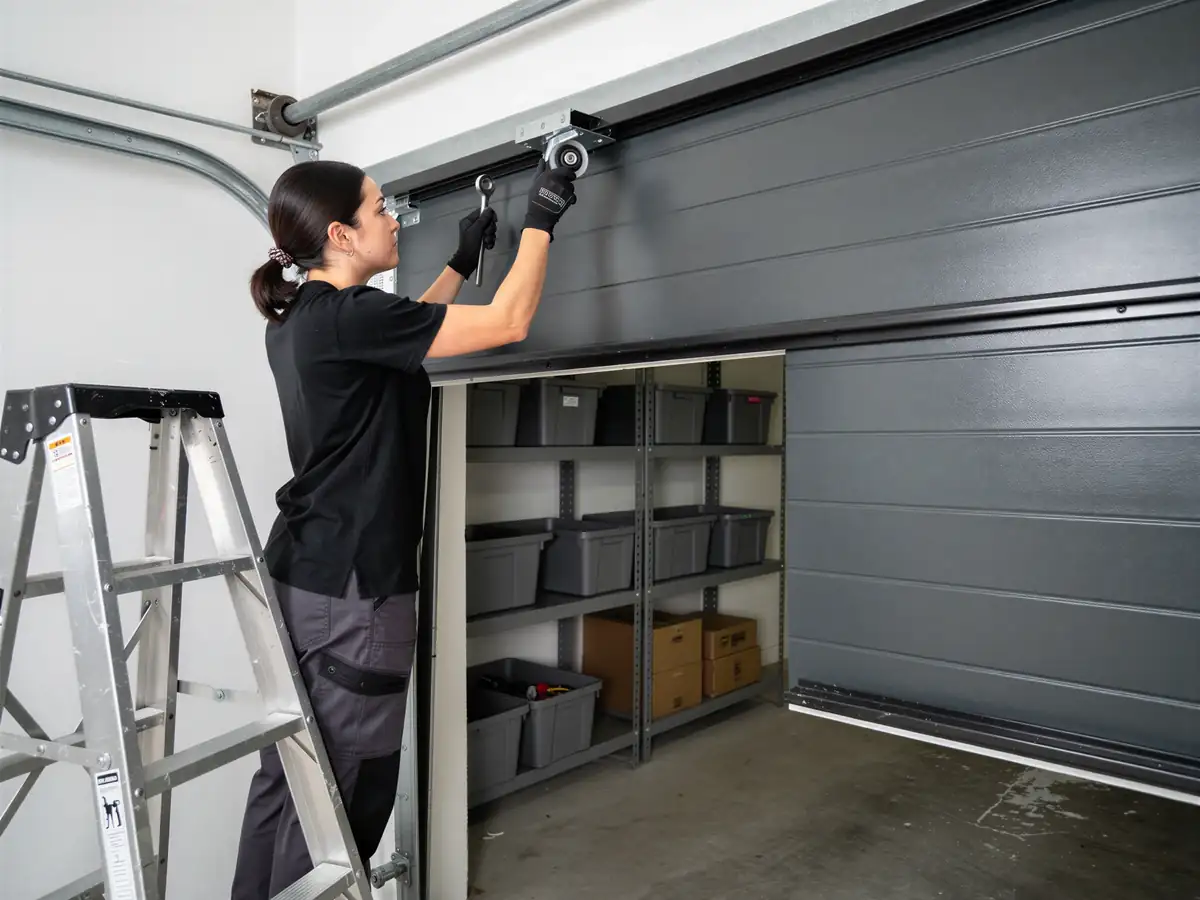
The DIY Question
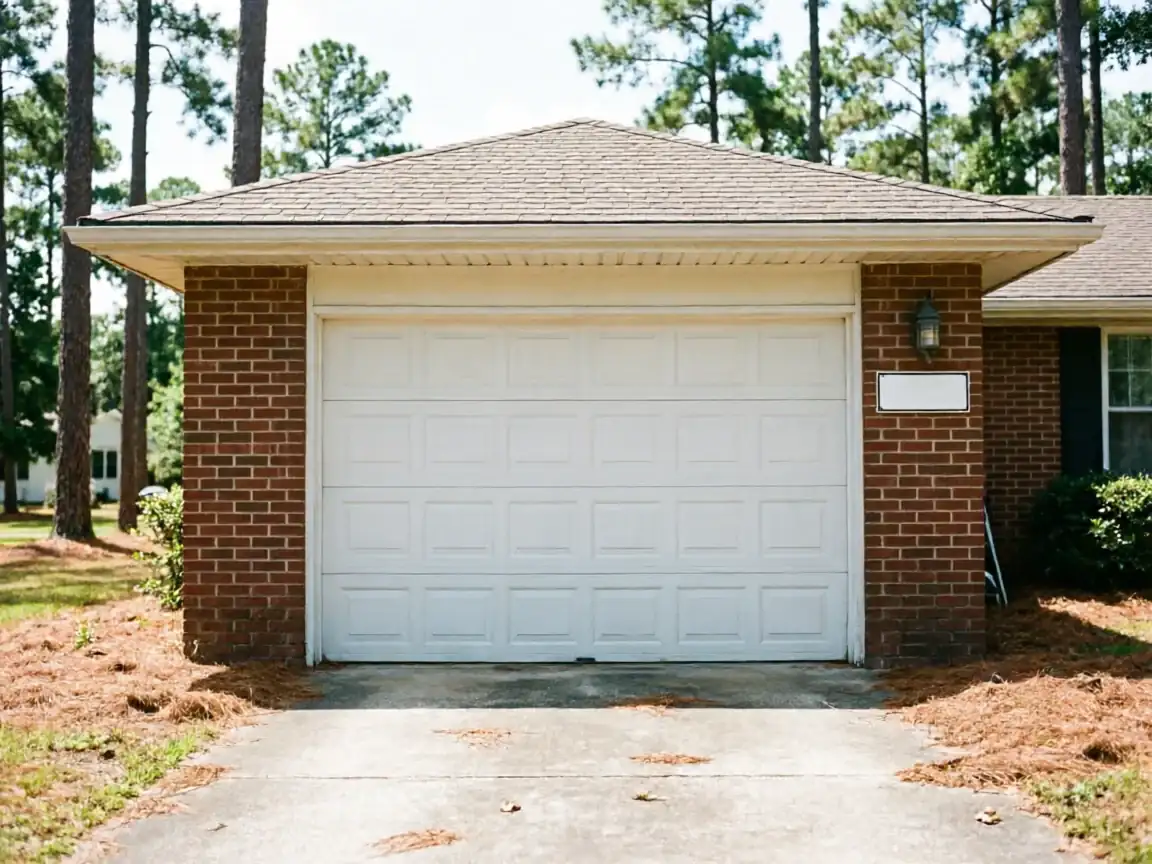
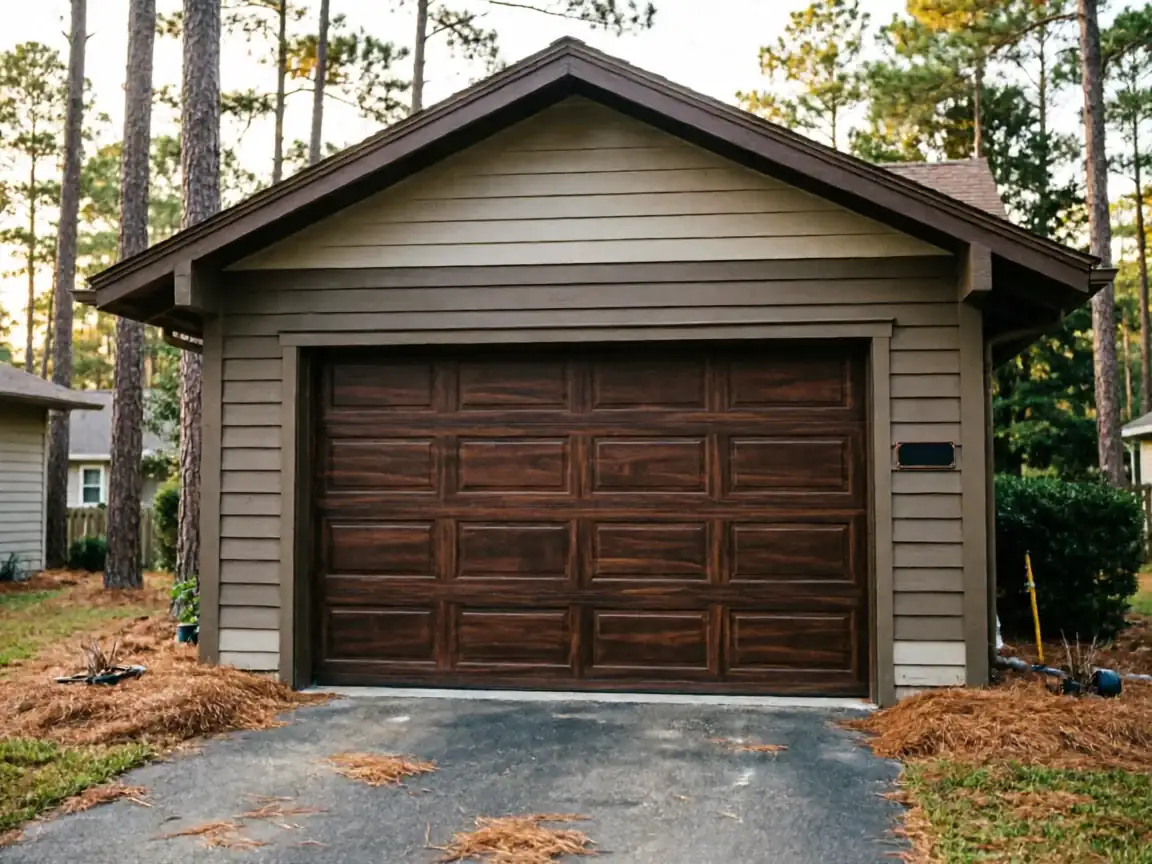
You can buy a 10-pack of nylon rollers at a hardware store and most of them will physically fit the track. Whether they should go in without anything else checked is a different question. On a door from the late 1970s, the track brackets are usually held with carriage bolts that have rusted into the jamb, and the cable drum at the bottom roller can be seized from decades of the same grease. We're not going to tell you it can't be done with hand tools and a Saturday - plenty of people manage it. But if the bottom bracket crumbles when you pull the bolt, or the spring is under more tension than expected once the door's off balance, that's a different repair than the one you started. If the door is more than just noisy - if it's binding, dropping on one side, or the track is visibly bent - that's past a roller swap and into territory where we'd want to look at it before you're mid-job.
What the Fix Involves
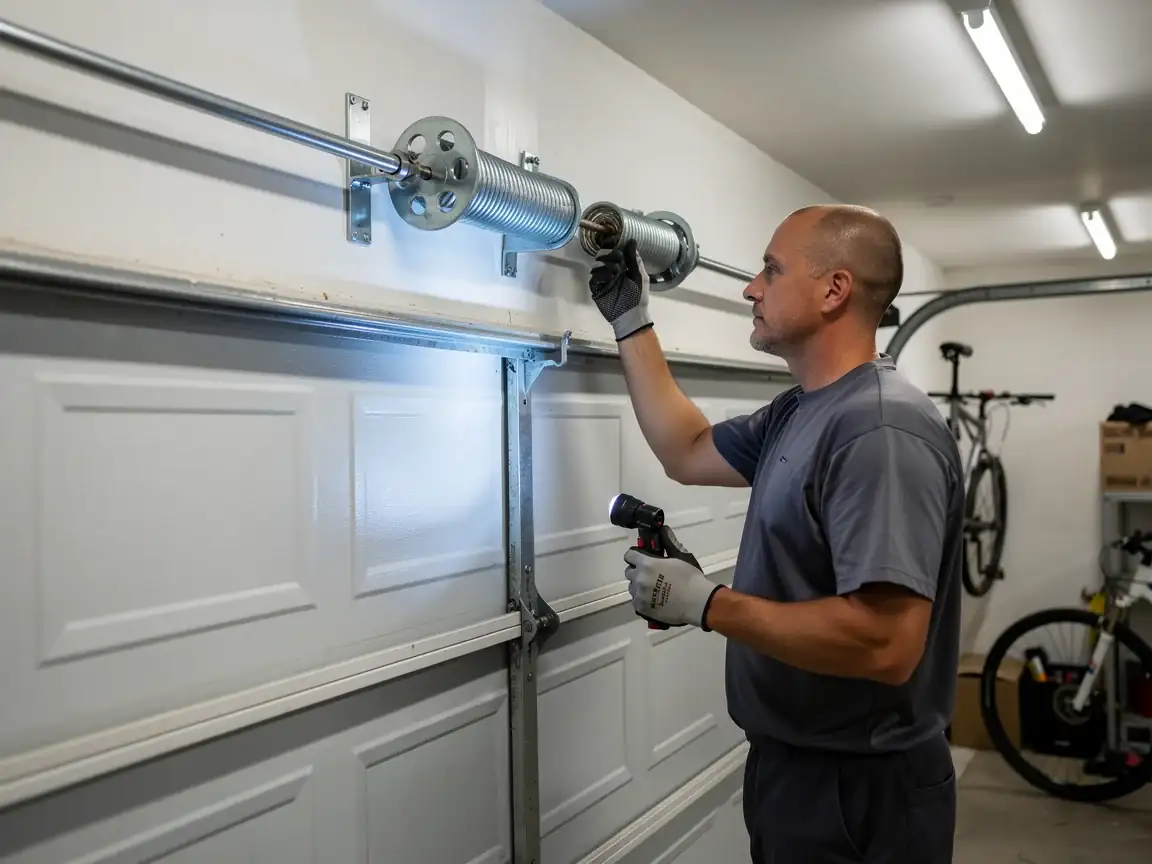
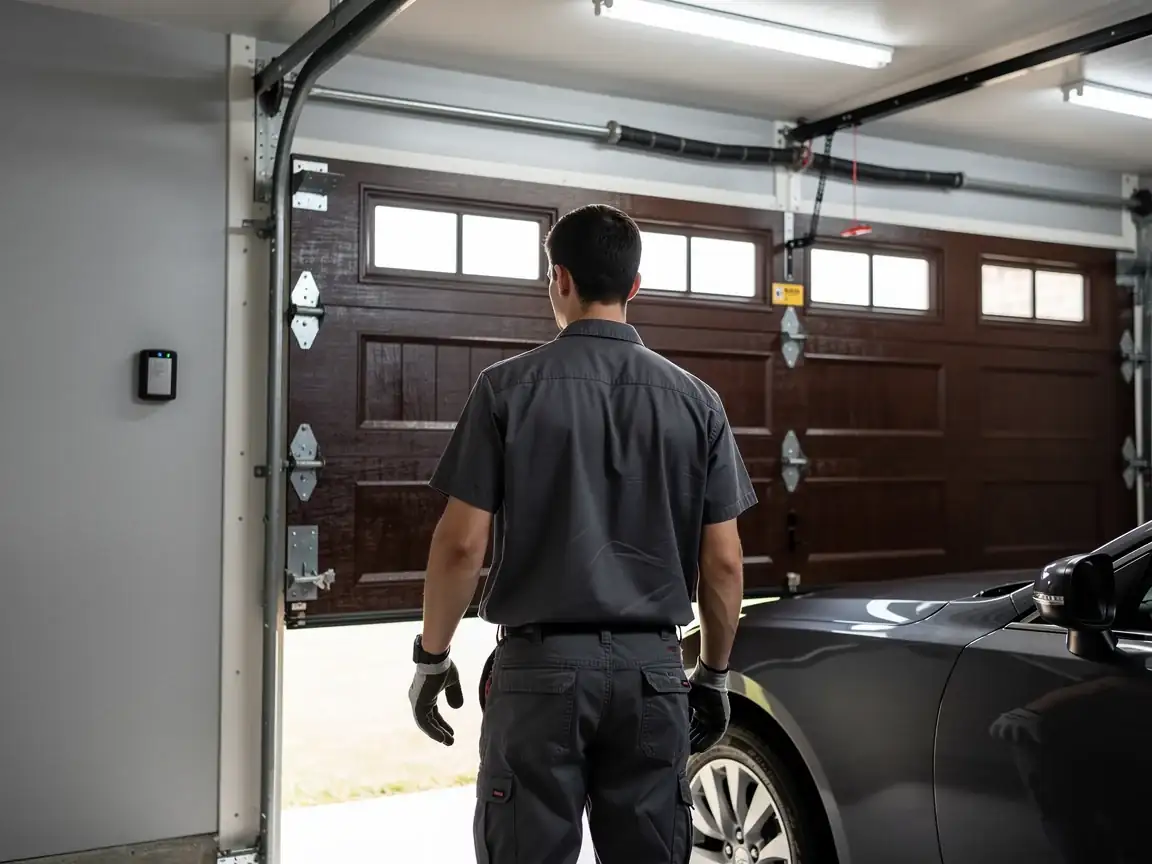
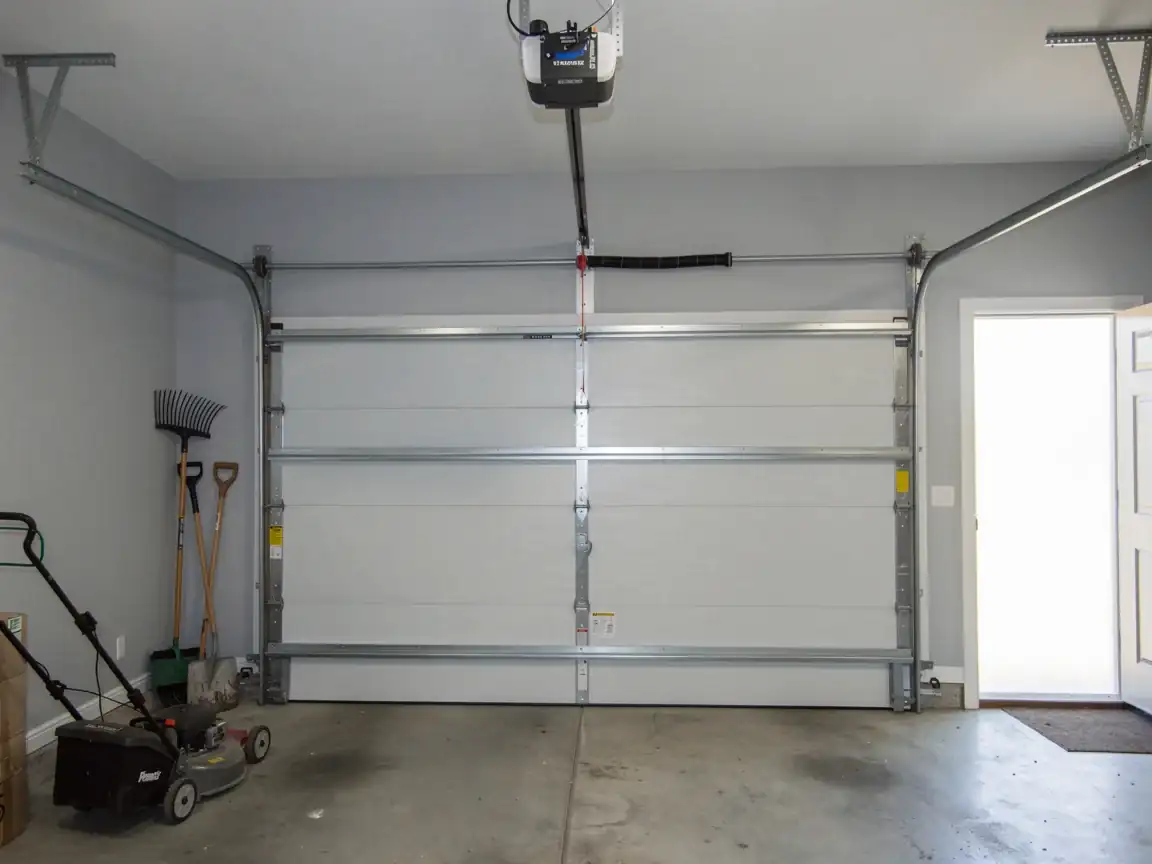
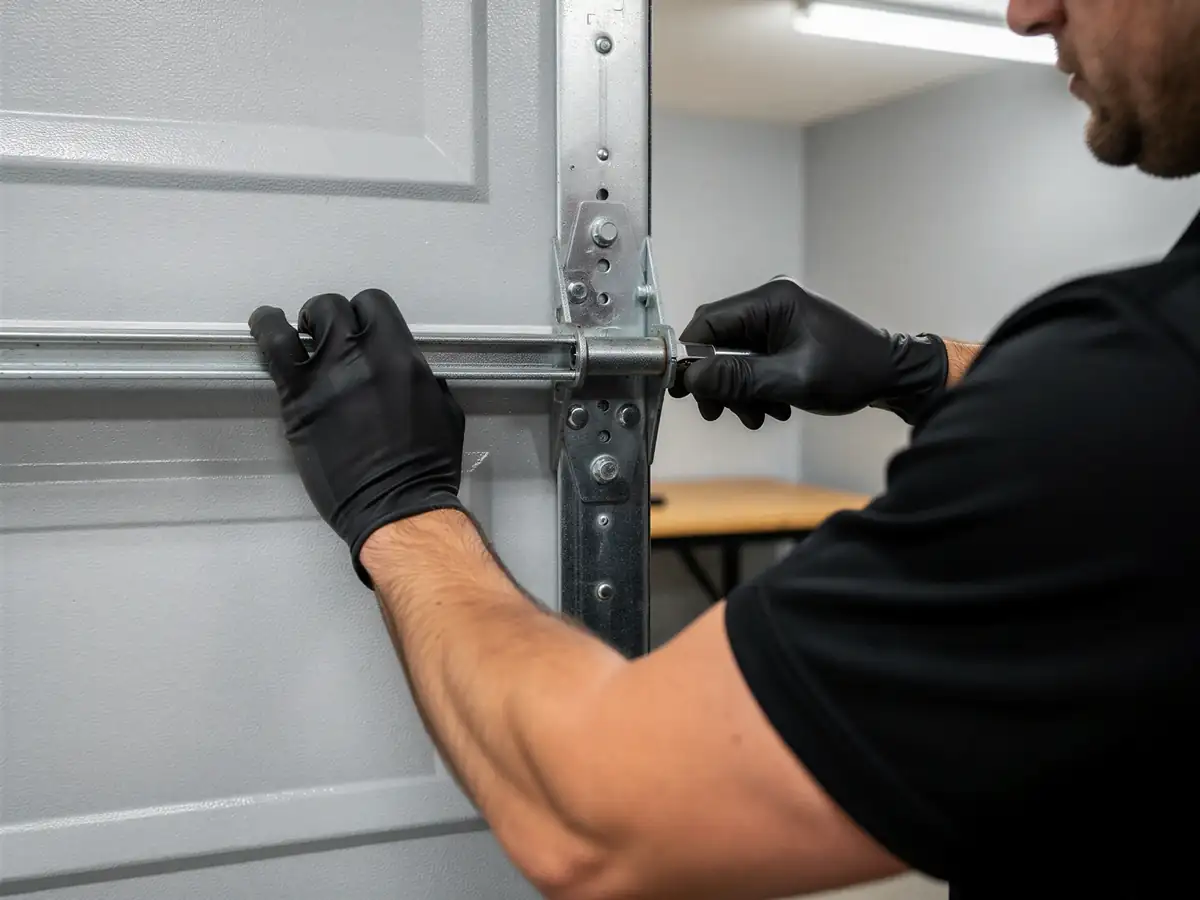
On the doors we see from this build era, the job is rarely just unscrewing ten rollers and screwing in ten new ones. We check the track alignment first, because worn steel rollers often leave the track slightly out of true, and a straight nylon roller in a bent track just wears unevenly again. We look at the brackets - on houses this age, at least one or two are usually rusted enough to replace rather than reuse. And we check the bottom fixtures, since that's where the cable attaches and where decades of ground moisture do the most damage. The actual roller swap is the fast part. Matching new hardware to track and brackets that have been sitting since the Carter administration is where the time goes.
How Long You Are Without the Door
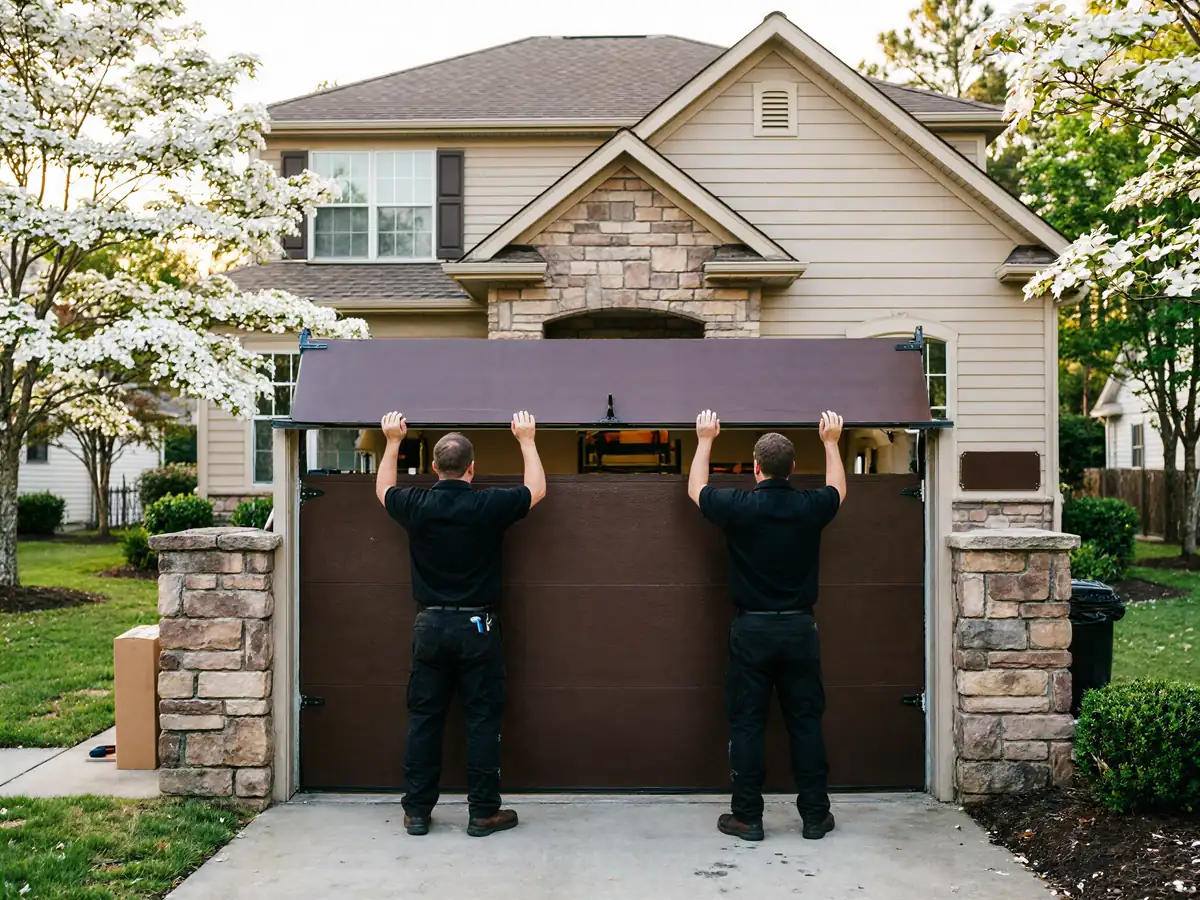
We're honest that we travel from Fuquay-Varina to get here, about 20 miles out, so this isn't a same-hour drop-everything service - we schedule the visit and bring what the door needs based on what you describe. A straight roller swap with good track and brackets is usually a same-visit job once we're on site. Add in bracket replacement or track straightening, which is common on hardware this age, and the visit runs longer but it's still one trip, not a return visit for parts we didn't expect to need.