Where This Job Goes Sideways
Benson is a small town
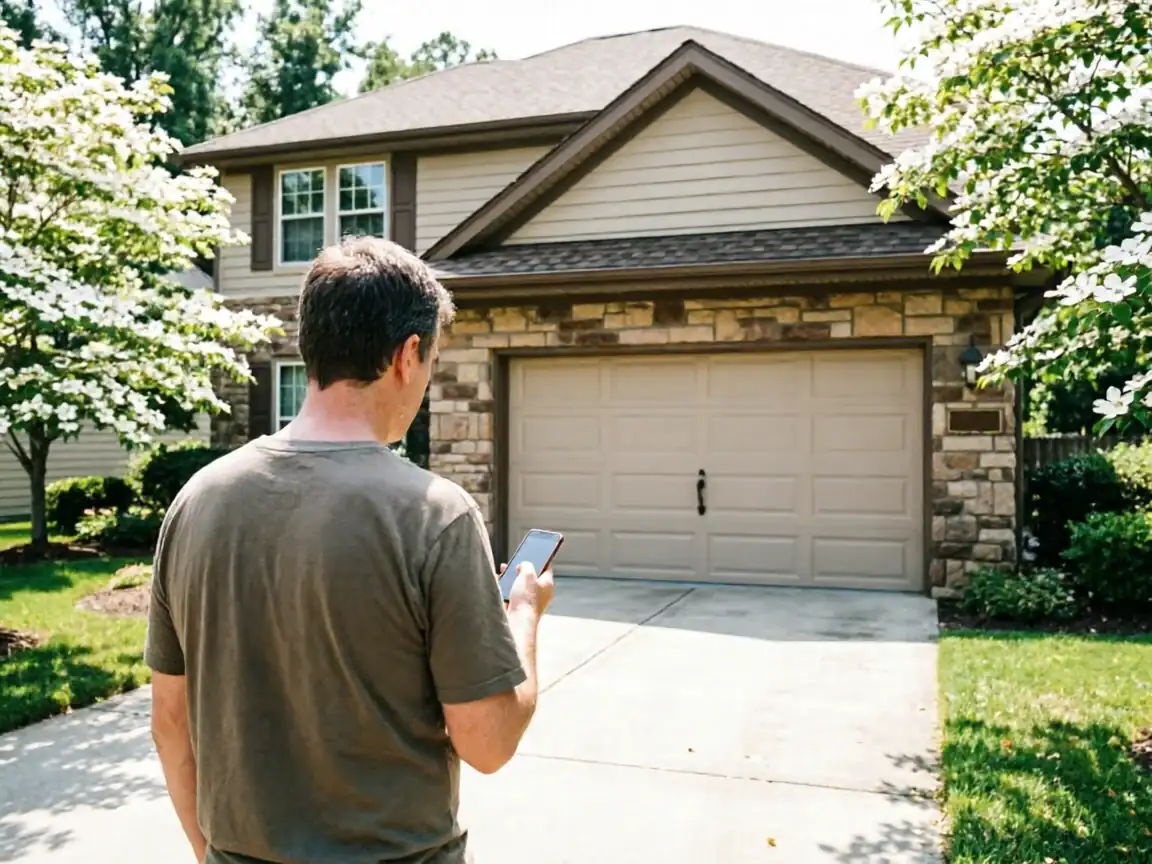
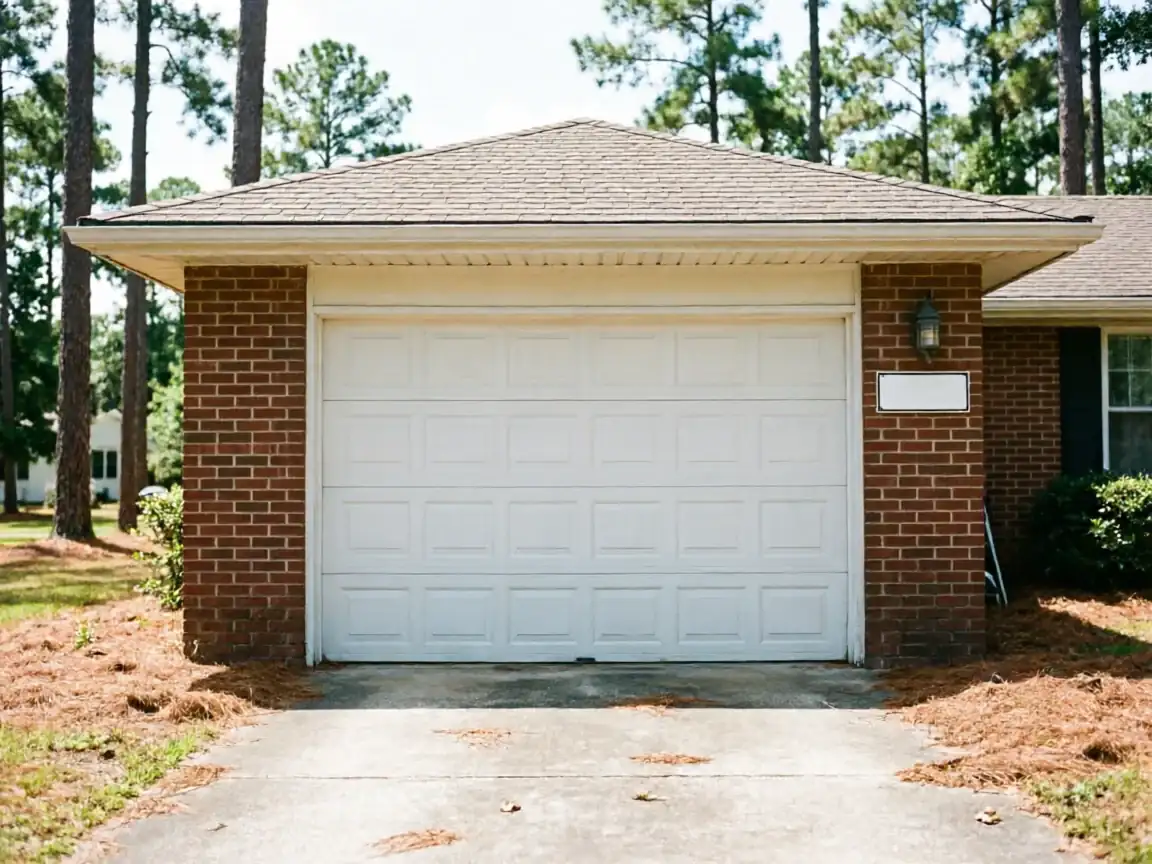
About 1,550 households - which means we're not pulling into a subdivision built in one stretch by one builder. We're working on houses that went up one at a time over a couple of decades, mostly clustered around 1978. That matters for installation because the opening itself is rarely a clean, modern 7-footer with standard jamb depth. A lot of these garages were framed for a door and track that nobody sells parts for anymore, so the job isn't just "bolt on a new door." It's checking the header, the jamb width, and whether the old track bolted straight to studs that have shifted a little in 45 years. We've measured openings on this kind of stock before and found them an inch or two off square. That's not a defect in your house - it's just what happens to framing over four decades in a cold-moderate climate with freeze-thaw cycles working at the wood and the slab edge every winter.
- 1,550 households
- 45 years
The other thing that trips up installs here
Double-wide openings on older single-car garages that got widened at some point without touching the header. If that's your house, we'll find out before the door shows up on the truck, not after.
The DIY Question
A lot of homeowners look at a new door install and figure it's a weekend project - unscrew the old one, screw in the new one. On a house built to current code with a standard rough opening, that's closer to true, though still a two-person job minimum because of the weight and the spring tension involved.
On Benson's older stock, the honest answer is different. If your garage was framed around 1978, give or take, you're more likely dealing with an opening that isn't plumb, header lumber that's undersized by today's standard, or a slab that's settled unevenly at the threshold. None of that shows up until you're mid-install with the old door off and daylight coming through gaps you didn't know were there. We're not going to tell you it can't be done - plenty of capable people do it - but we will tell you the failure mode is usually a door that never seals right at the bottom, which in a cold climate means a cold slab and a drafty garage all winter. If you want a second opinion before you buy a door, that's a conversation worth having first.
What the Fix Involves
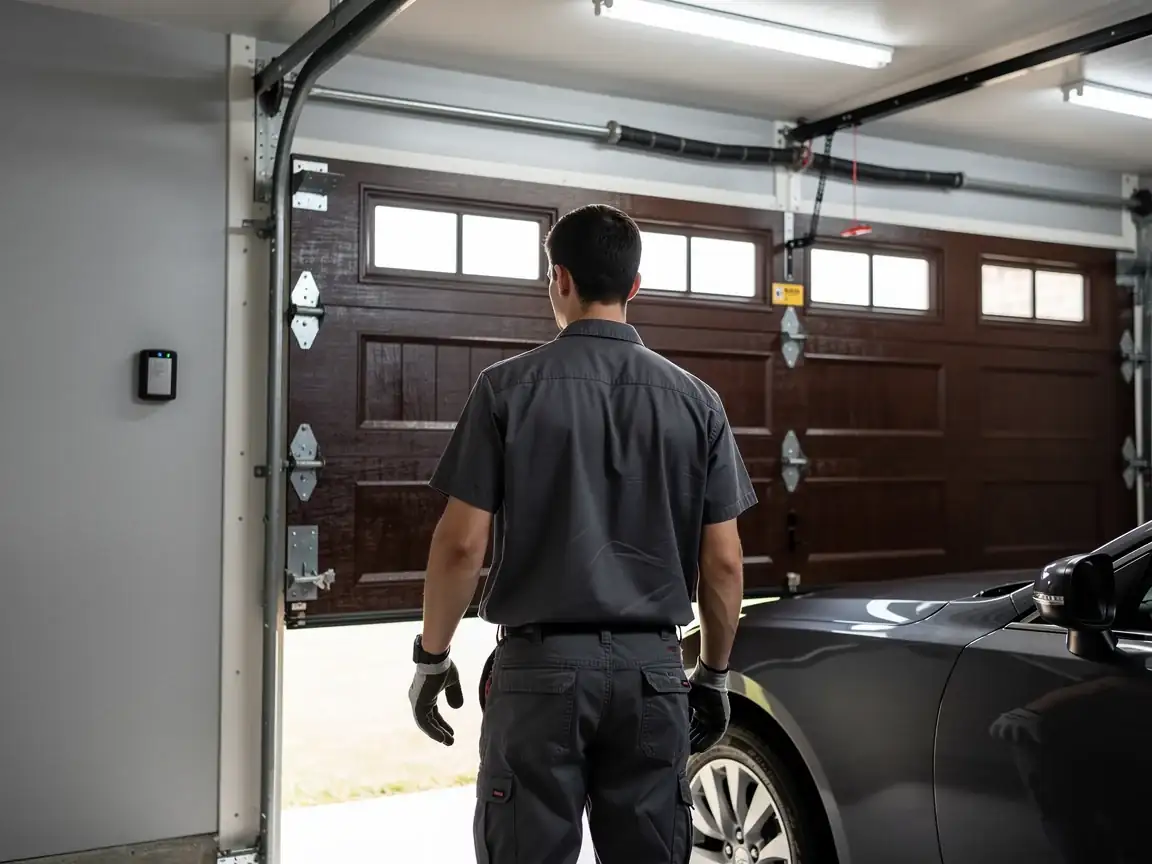
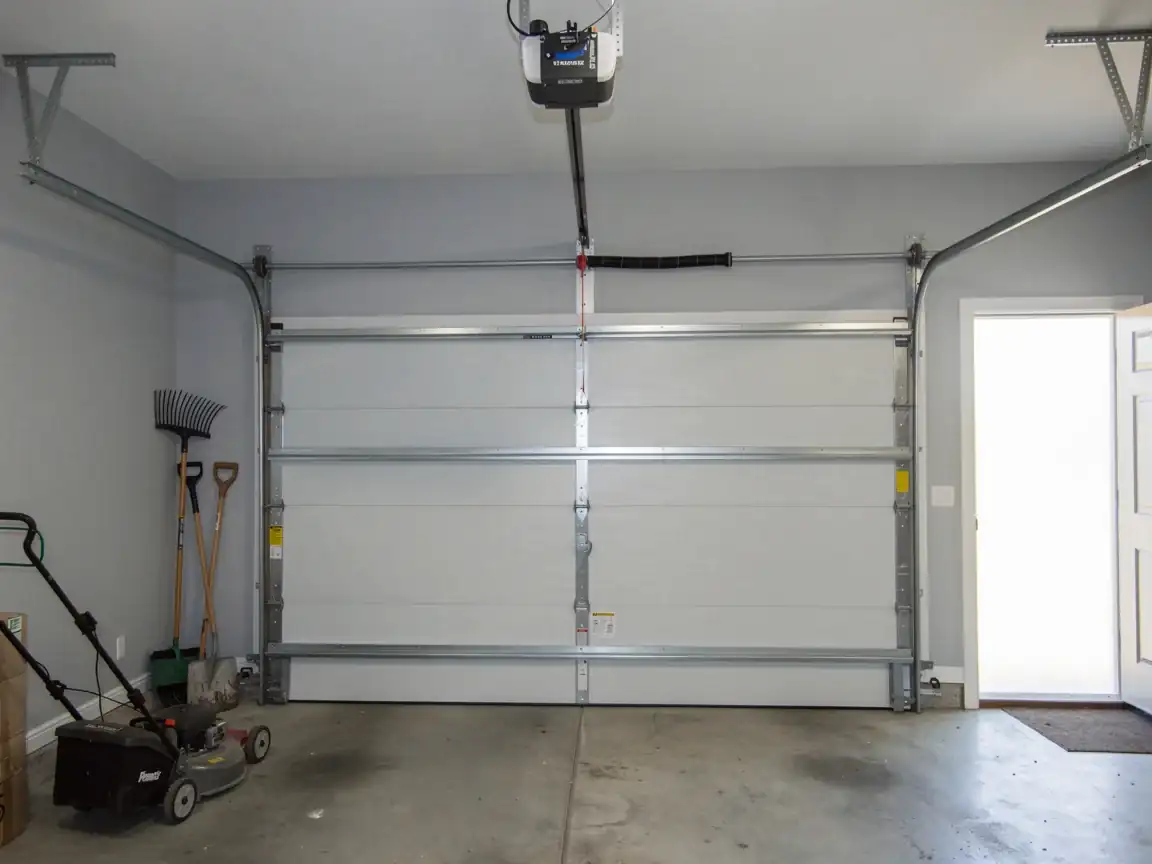
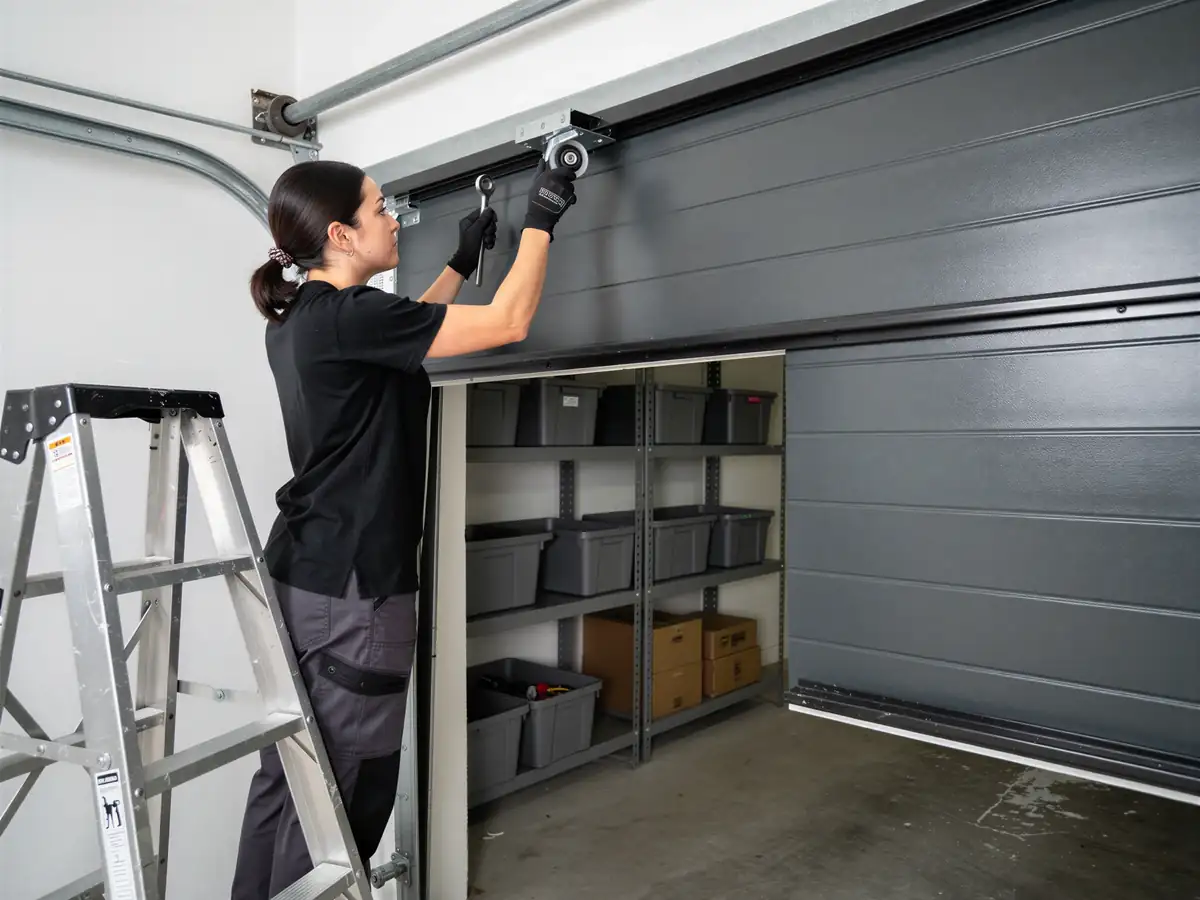
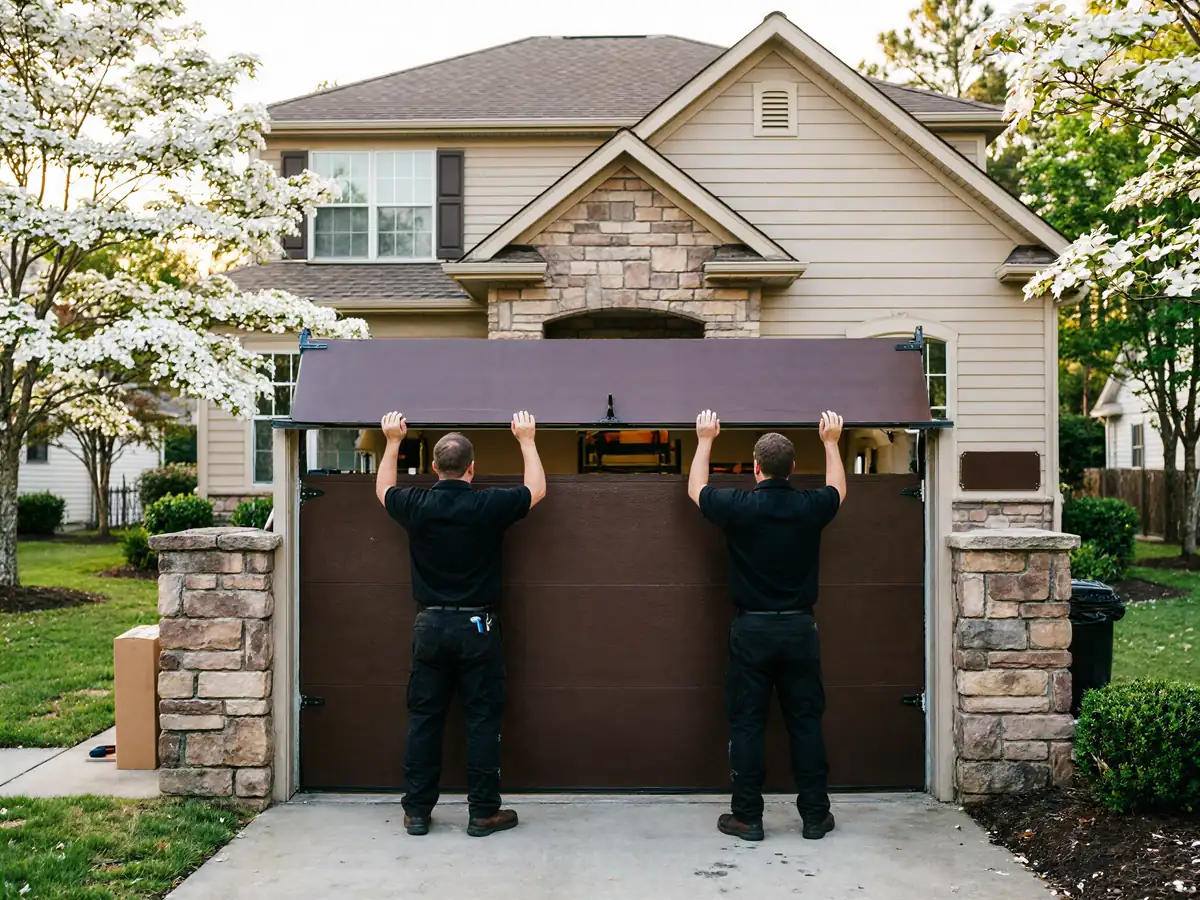
A proper install here starts with measuring the actual opening, not trusting what the door's spec sheet assumes. On a house from this era we check jamb plumb, header height, and whether the existing track mounting points are still solid wood or have gone soft from moisture over the years. If the opening's out of square by more than a small margin, we shim and pack before the door ever goes in - skip that step and you get a door that binds on one side within the first year.
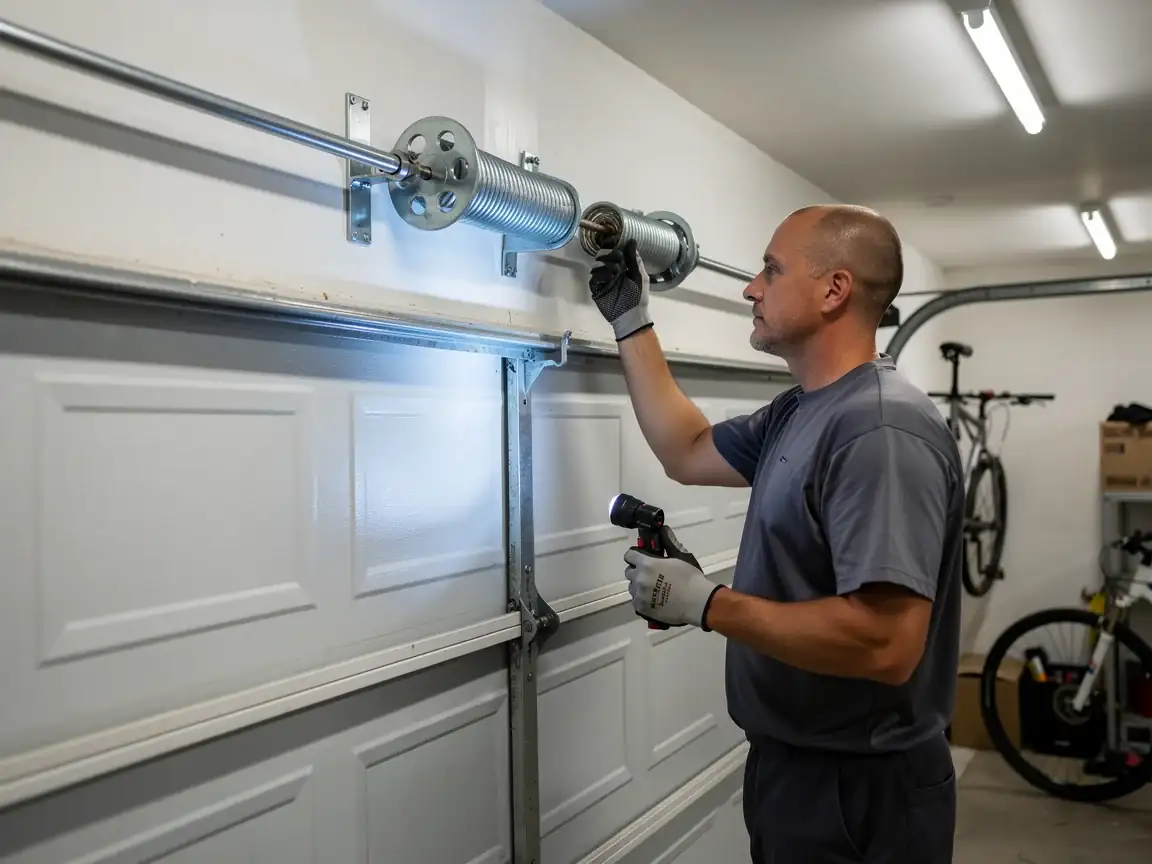
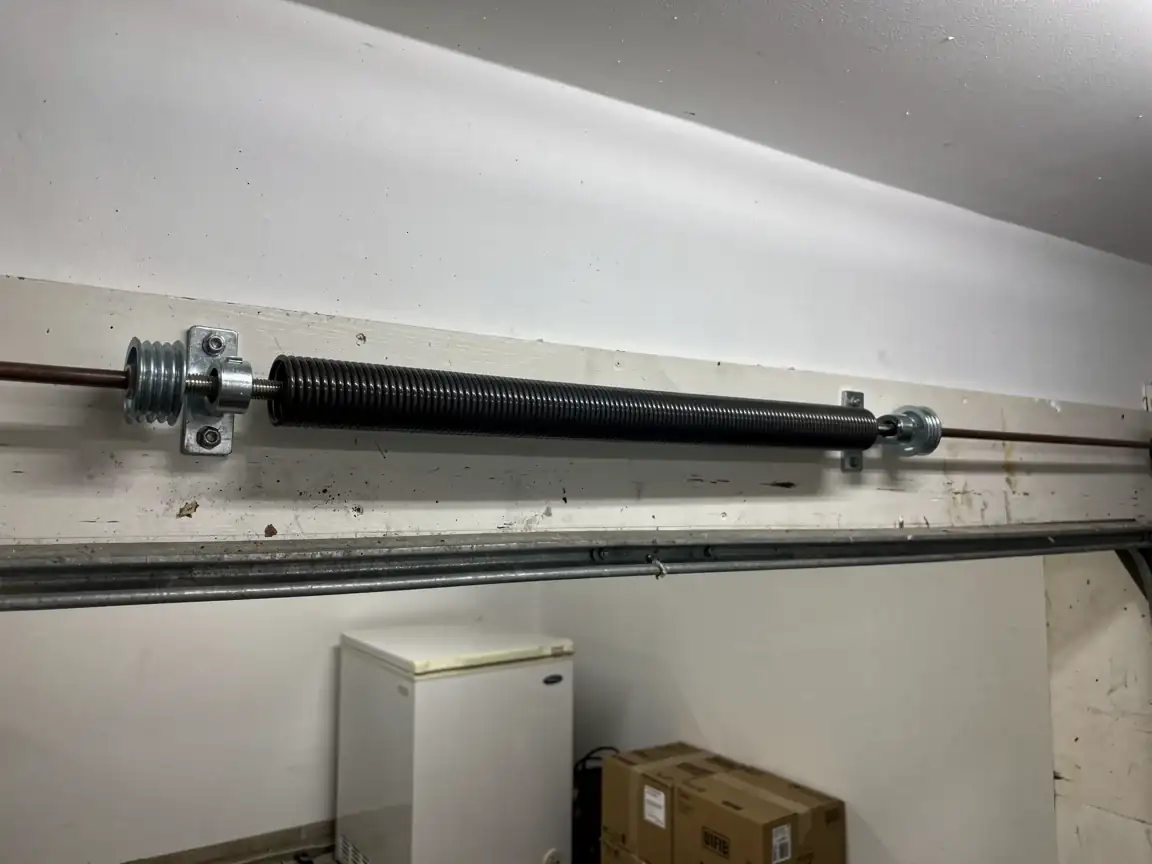
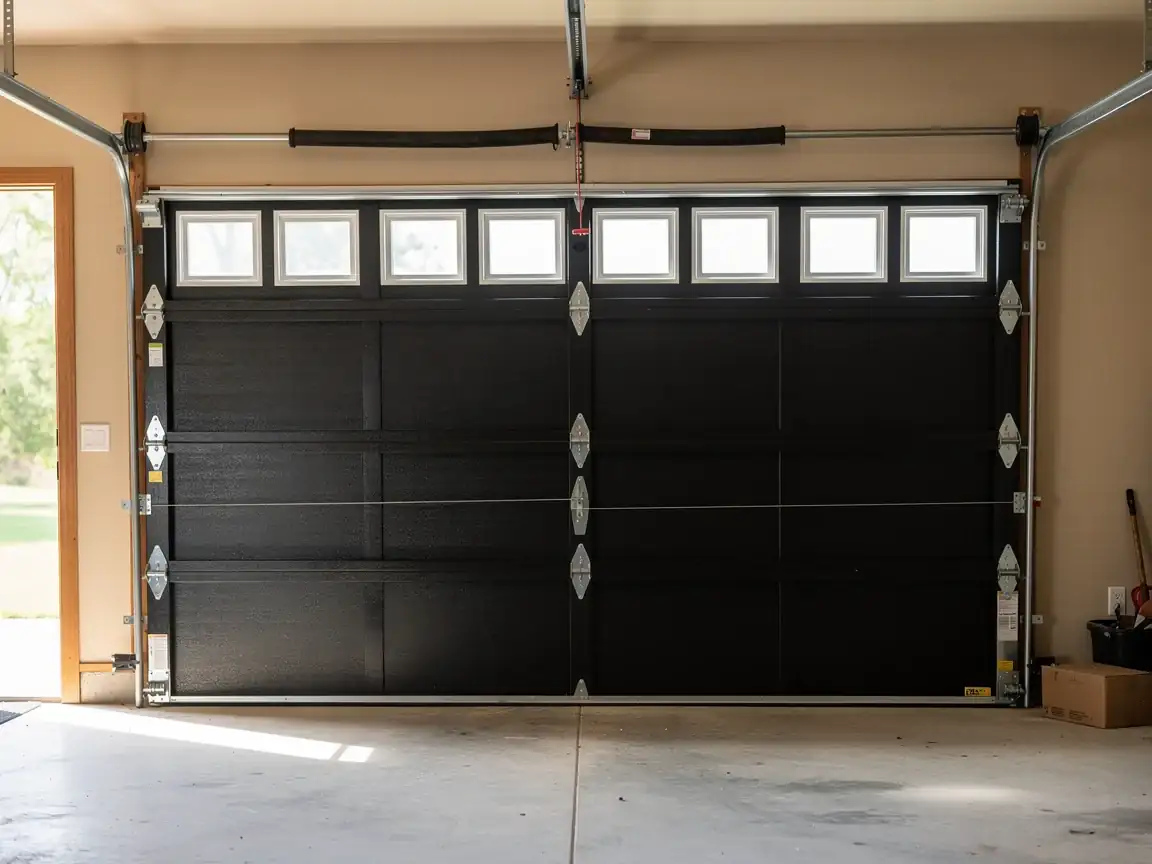
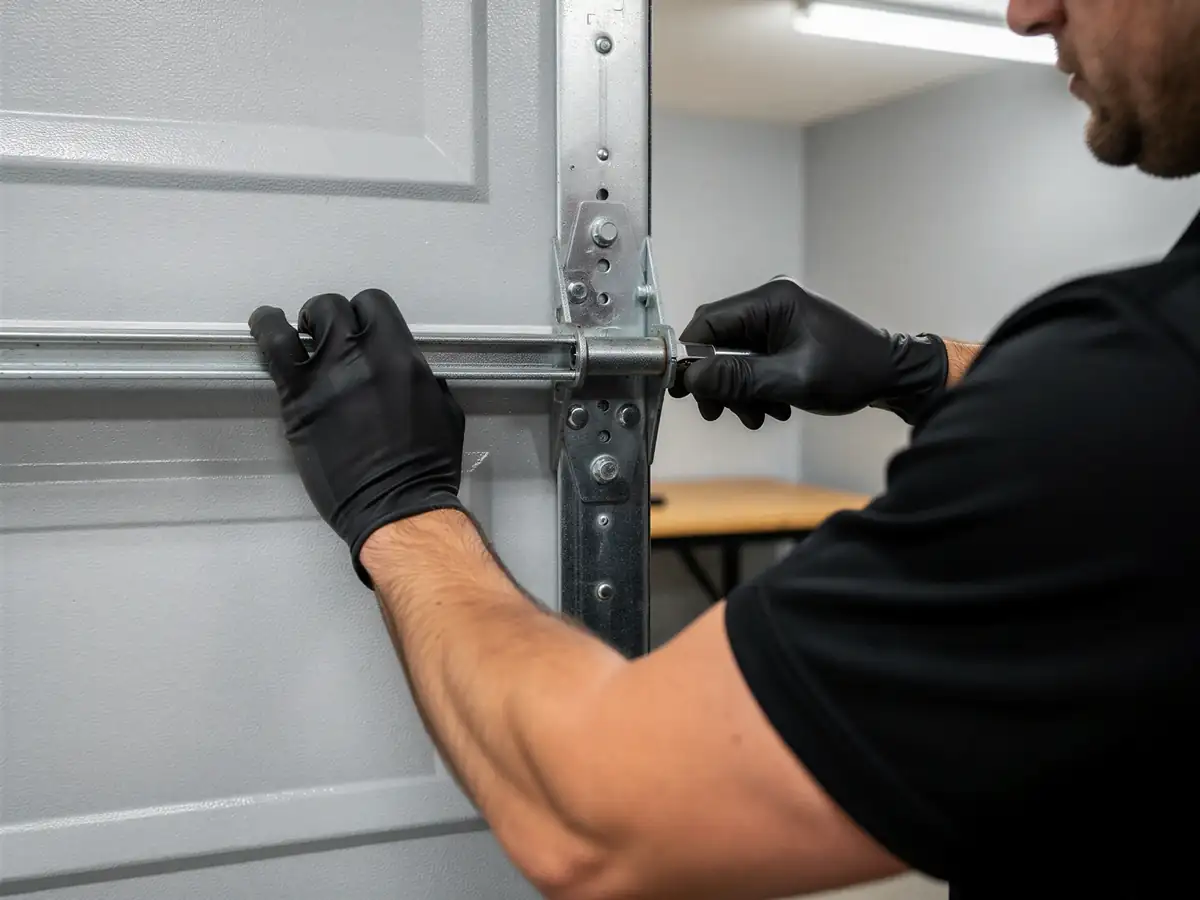
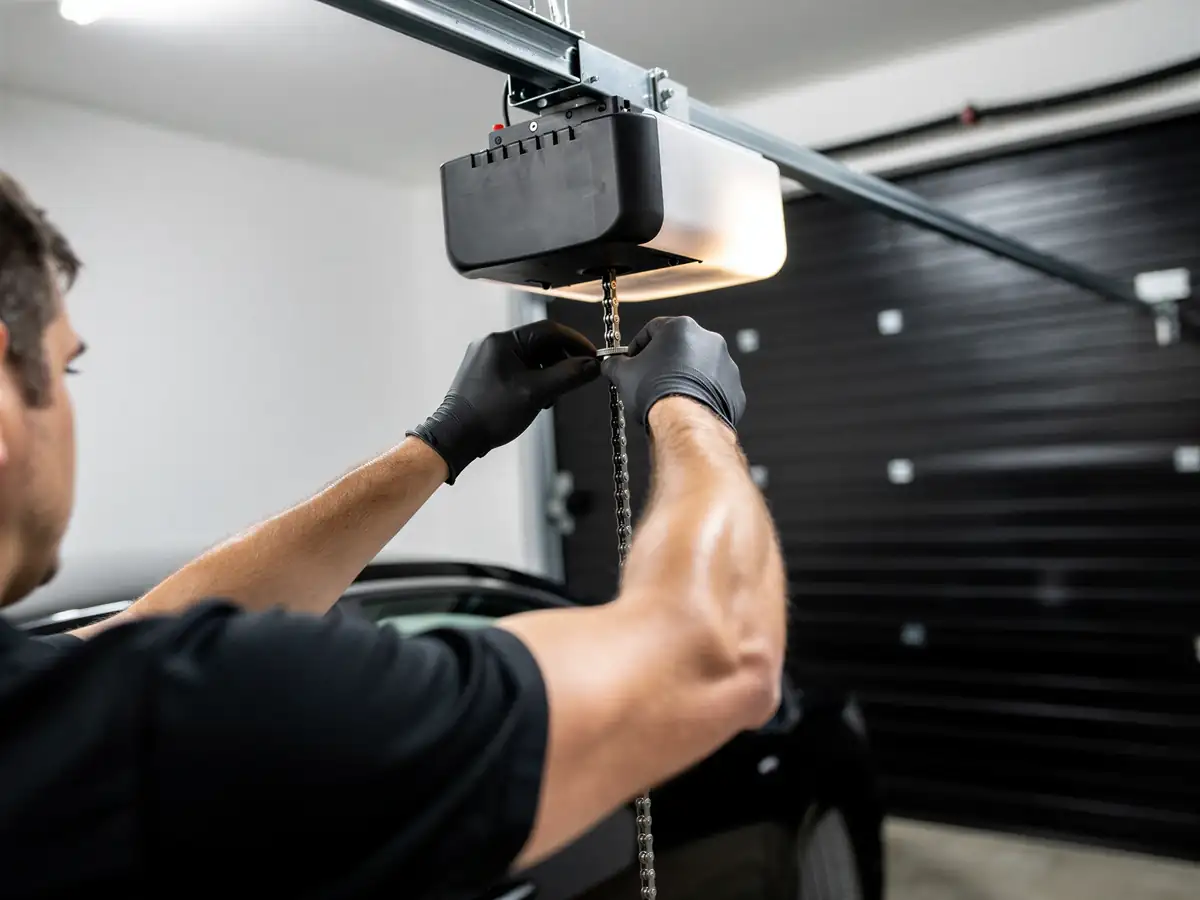
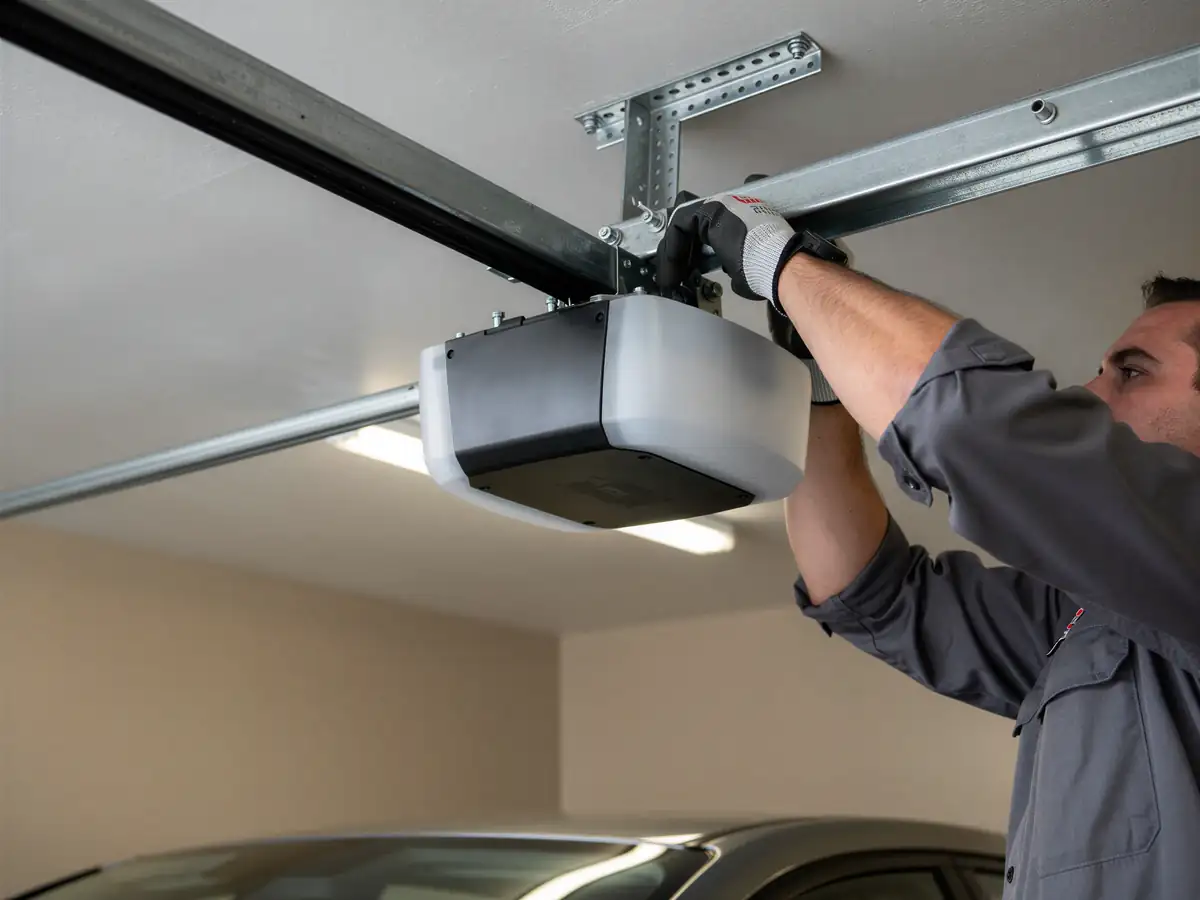
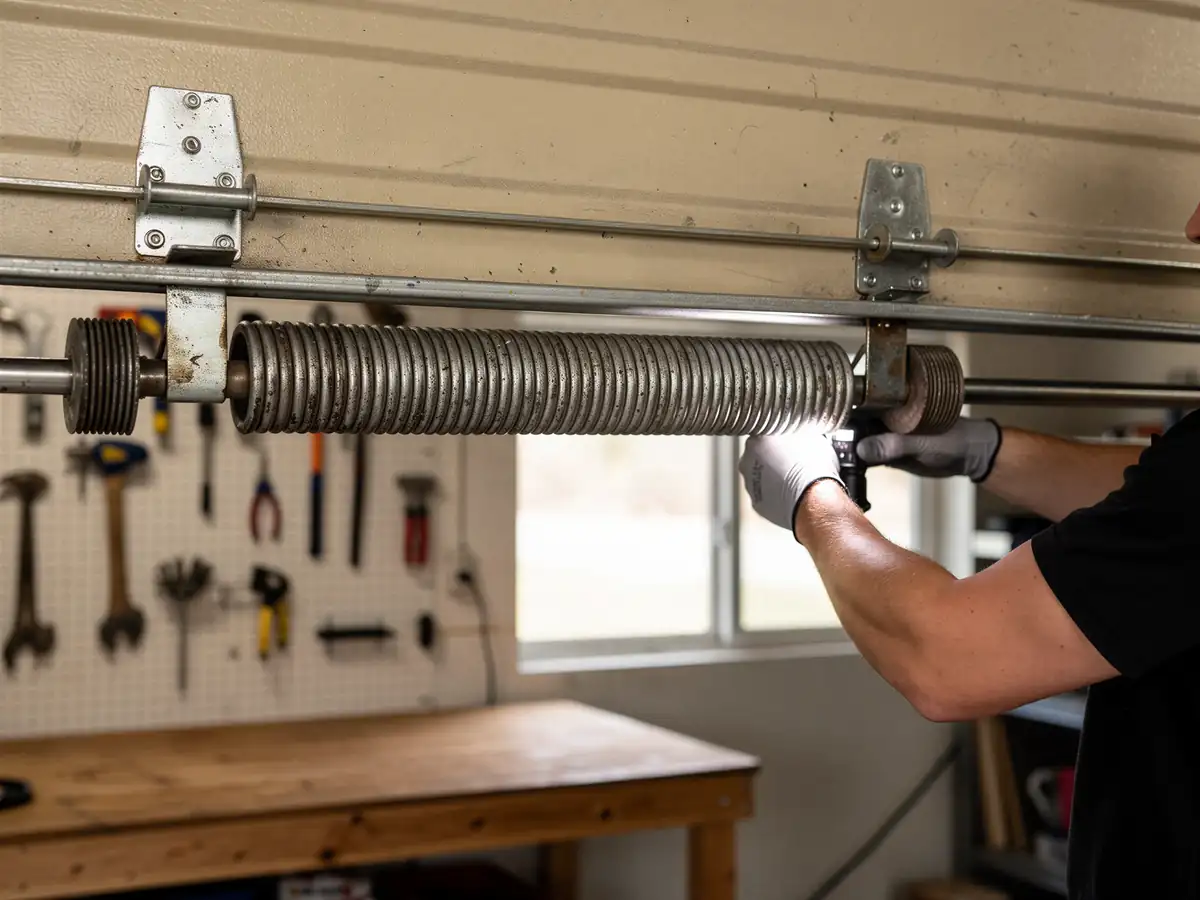
We also look at what's driving the replacement. If it's a dead spring or worn rollers on a door that's otherwise sound, that's a repair question, not an install question - worth sorting out which one you actually need before committing to a new door. For a true new install, we size the torsion spring to the door's actual weight (insulated steel doors are heavier than the old single-layer panels these houses often still have), set the opener to match, and test the balance by hand before we call it done. In a cold-moderate climate, we also pay attention to weatherstrip fit at the bottom panel - that's the seal that does the most work against a January draft.
What You Are Seeing
If you're calling about a new install rather than a repair, it's usually one of three things
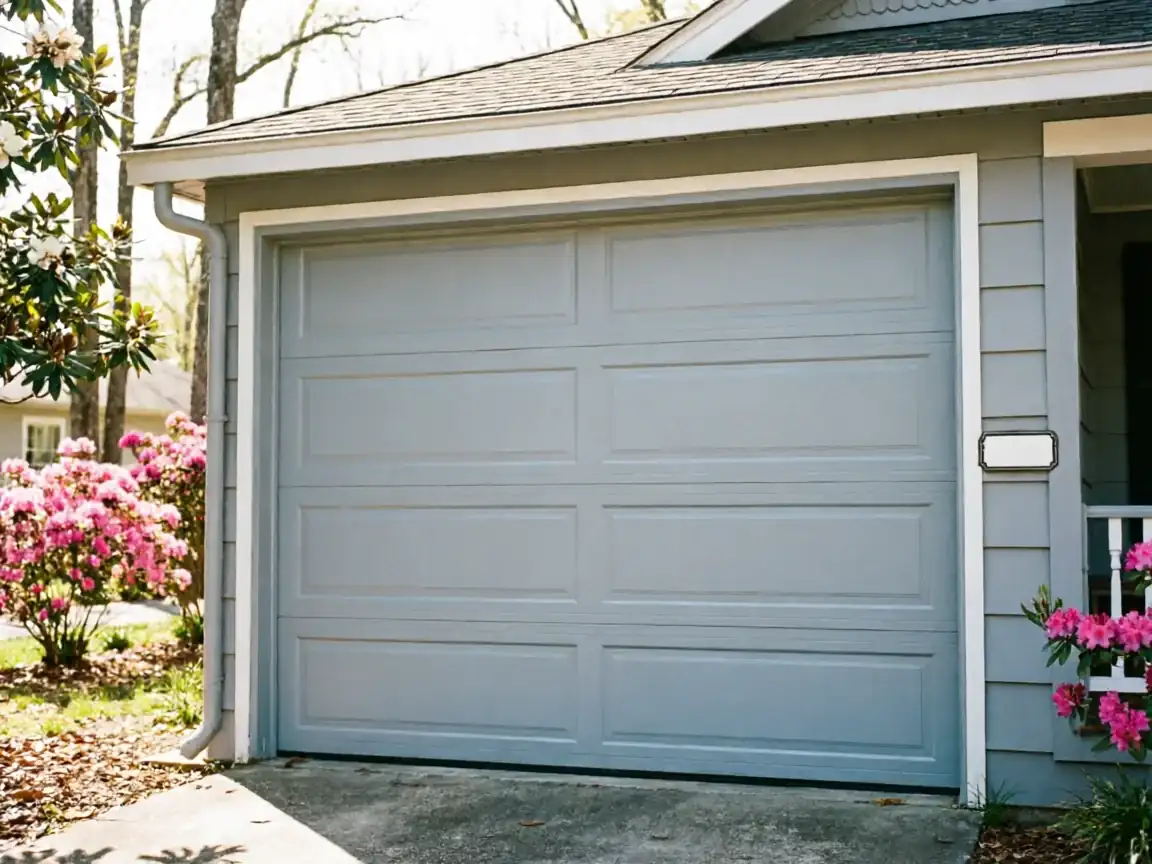
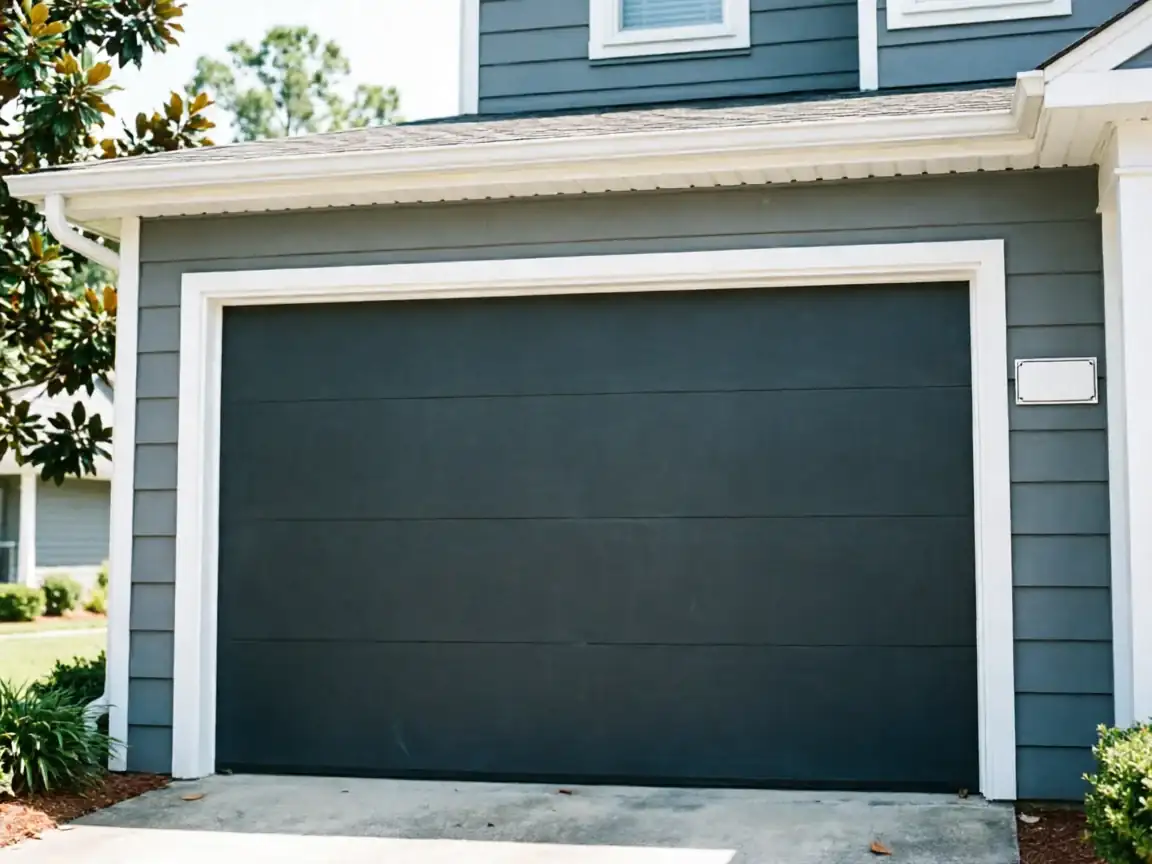
The door itself has given out - wood panels rotting at the bottom corner, or a steel door so dented and bowed it won't track straight anymore. Or the opener's died and you've decided it's a good time to replace the door too rather than put a new opener on an old door that's on its way out. Or you're renovating and want an insulated door that actually holds heat, since a lot of the original doors on 1970s-era Benson garages were single-layer steel or wood with no insulation at all - fine when they were built, not great against a cold winter now.
What you're less likely to be dealing with
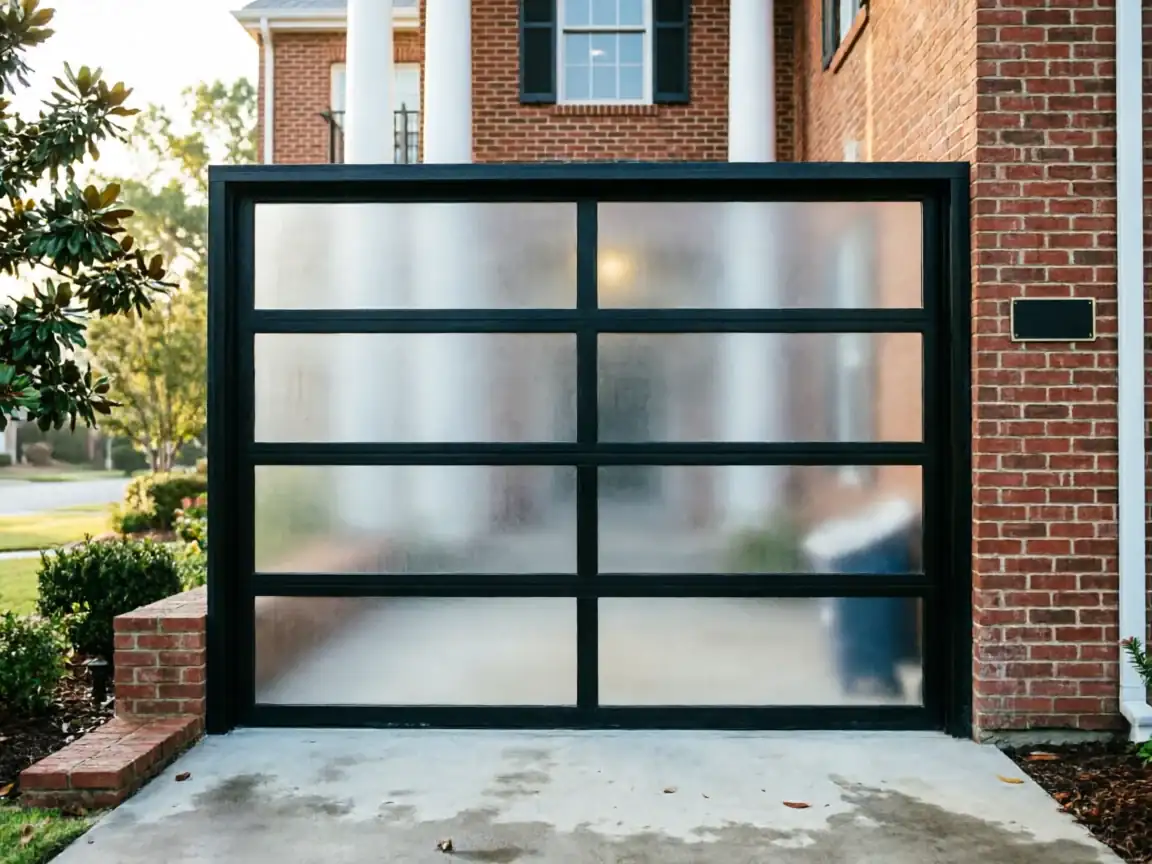
Compared to newer construction nearby, is a door that's simply the wrong size for a modern opener's safety sensors or a smart-home compatibility issue. The hardware gap here tends to be age, not mismatch.
How Long You Are Without the Door
We're honest about one thing up front: we're coming from Fuquay-Varina, about 20 miles out, so a same-day install on a day you call isn't something we promise. We schedule the job, confirm the opening measurements ahead of time when we can, and bring the right door and hardware on the truck rather than discovering mid-job that the track doesn't fit. That prep work is what keeps the actual door-down time short once we're on site - usually a matter of hours, not days, for a standard single or double replacement.
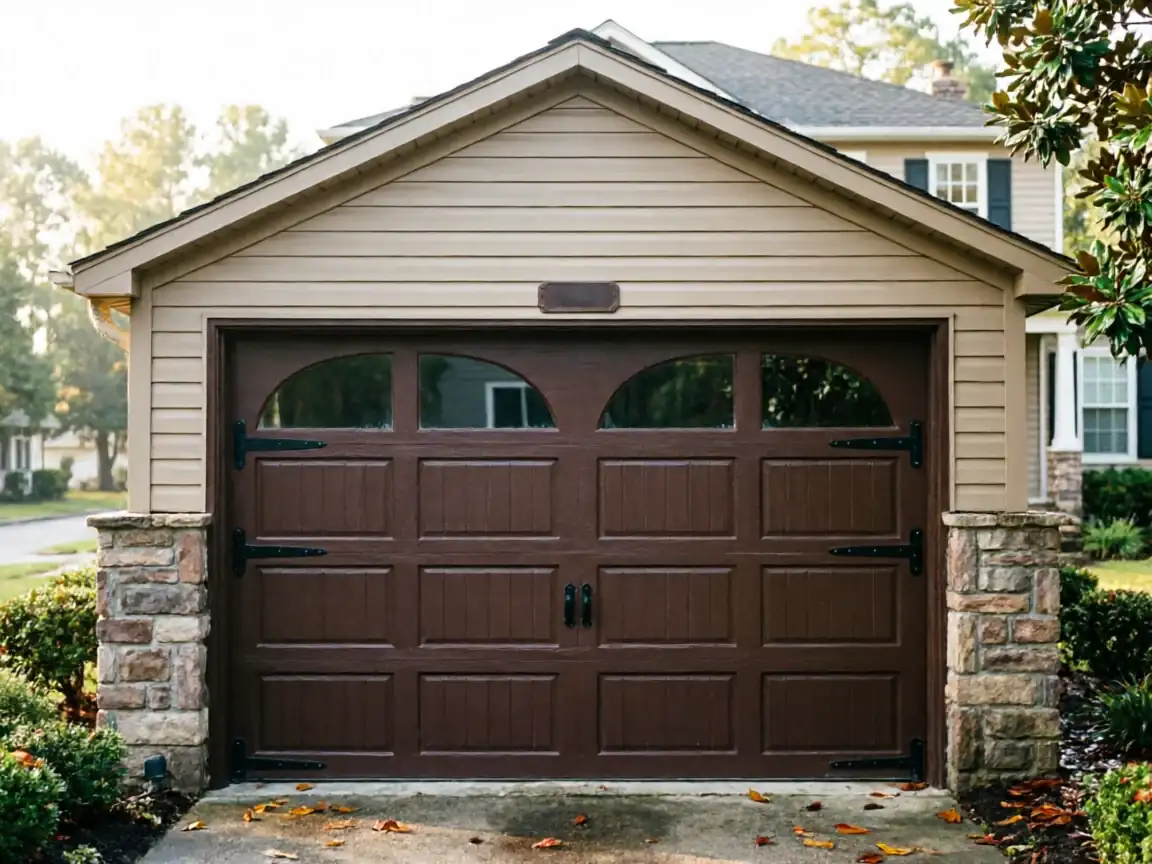
If the opening needs framing work because of the settling issues common in houses from this era, that adds time, and we'll tell you that before we start, not after your garage is half-open overnight. We don't carry every door style on every truck, so some installs mean a short wait on a specific panel style or color - worth asking about when you book.