Where This Job Goes Sideways
Benson sits 20 miles out from Fuquay-Varina
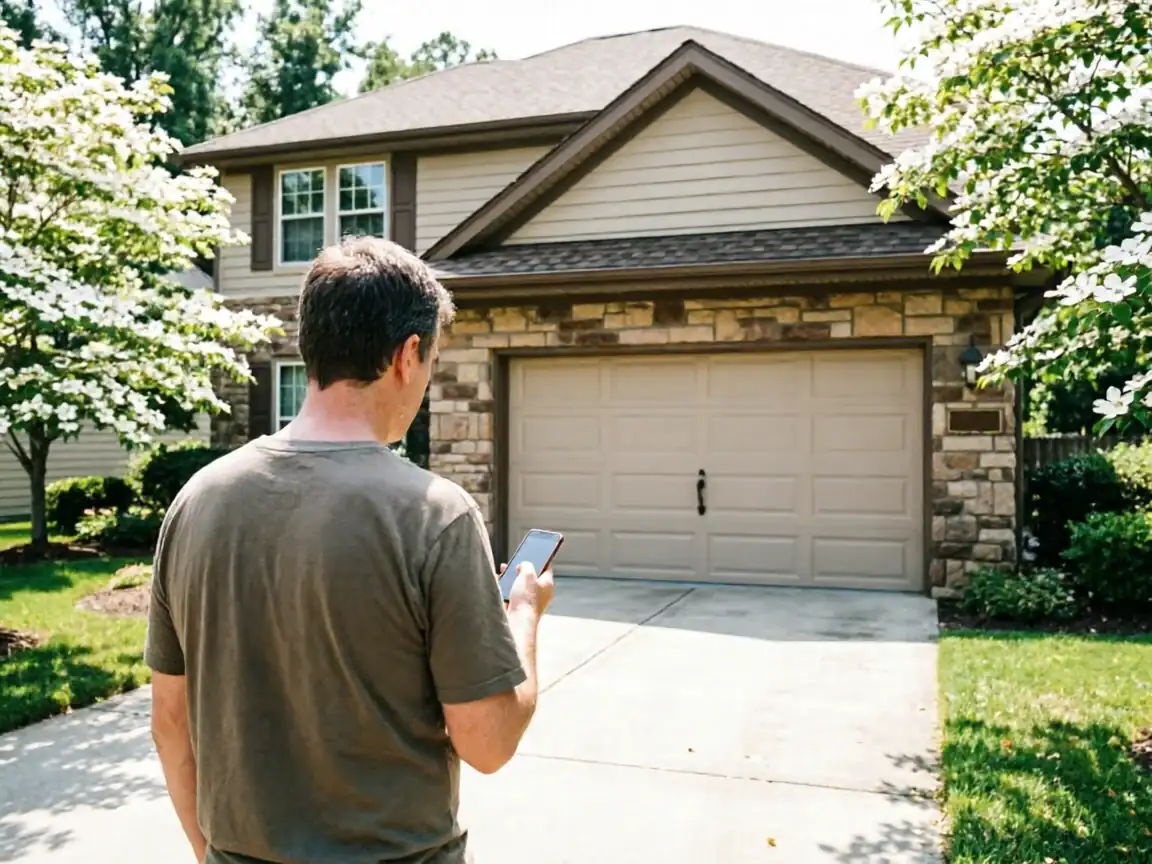
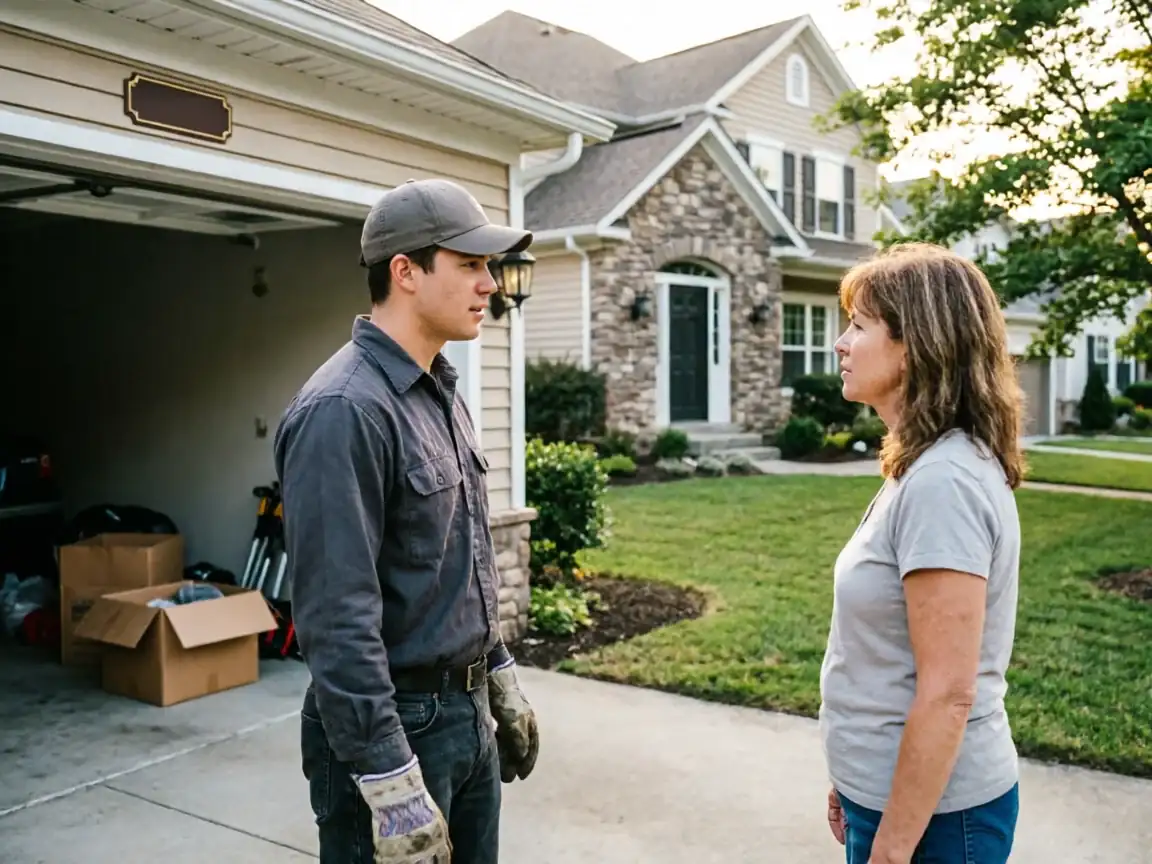
Which is the longest run in the service area alongside Broadway and Erwin. That drive changes how a call here actually works. We don't keep a branch in Benson, so when something breaks, the truck is already rolling from the shop with whatever parts the call sounds like it needs - not guessing twice. That means when you call, be specific about what you're seeing: a door that won't budge, a spring that let go with a bang, an opener that hums but doesn't lift. The more exact you are on the phone, the less likely we show up missing the one part the job turns on.
- 20 miles
The other reason the drive matters is scheduling
A 20-mile round trip isn't something we can squeeze between two Fuquay-Varina jobs without planning for it, so Benson calls tend to get grouped or booked for a specific window rather than a "we'll swing by whenever" promise. That's not a knock on the town - it's just the math of covering ground. If your door is stuck open or shut and the house isn't secure, say so; that call jumps the line regardless of mileage.
The DIY Question
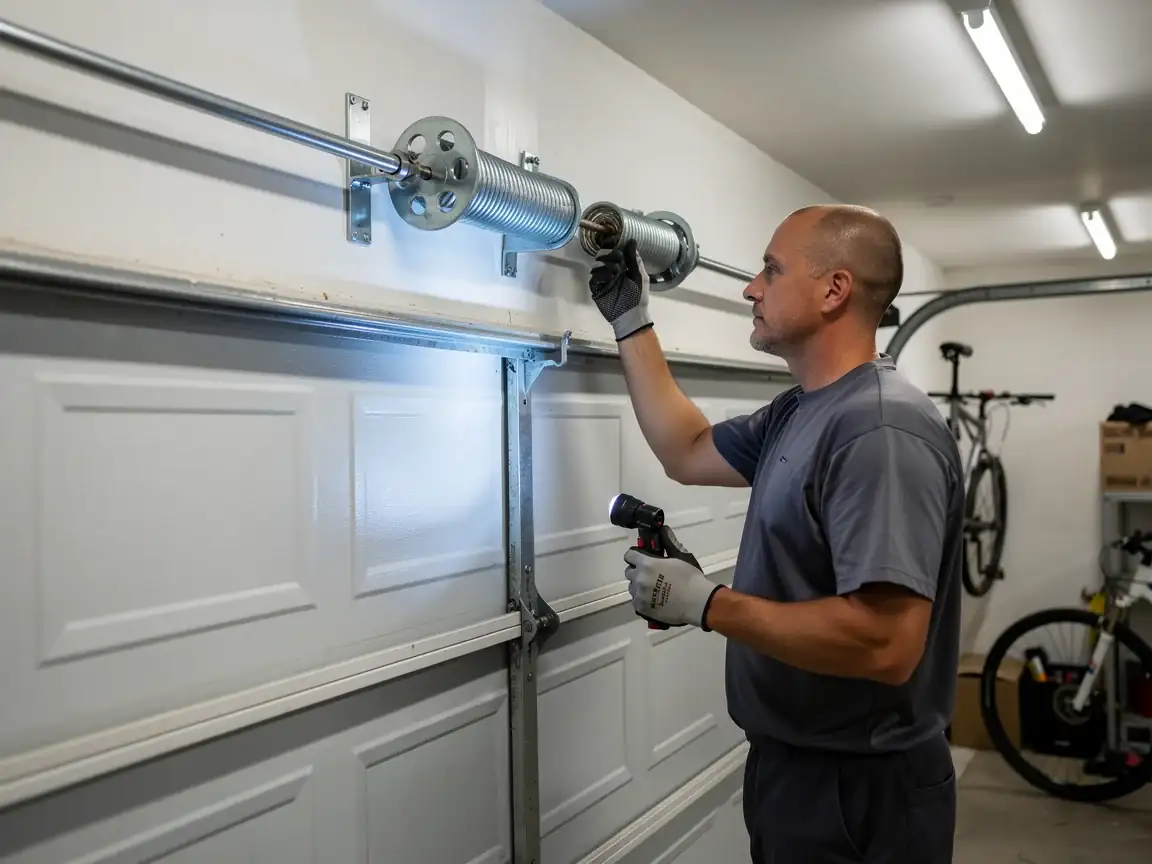
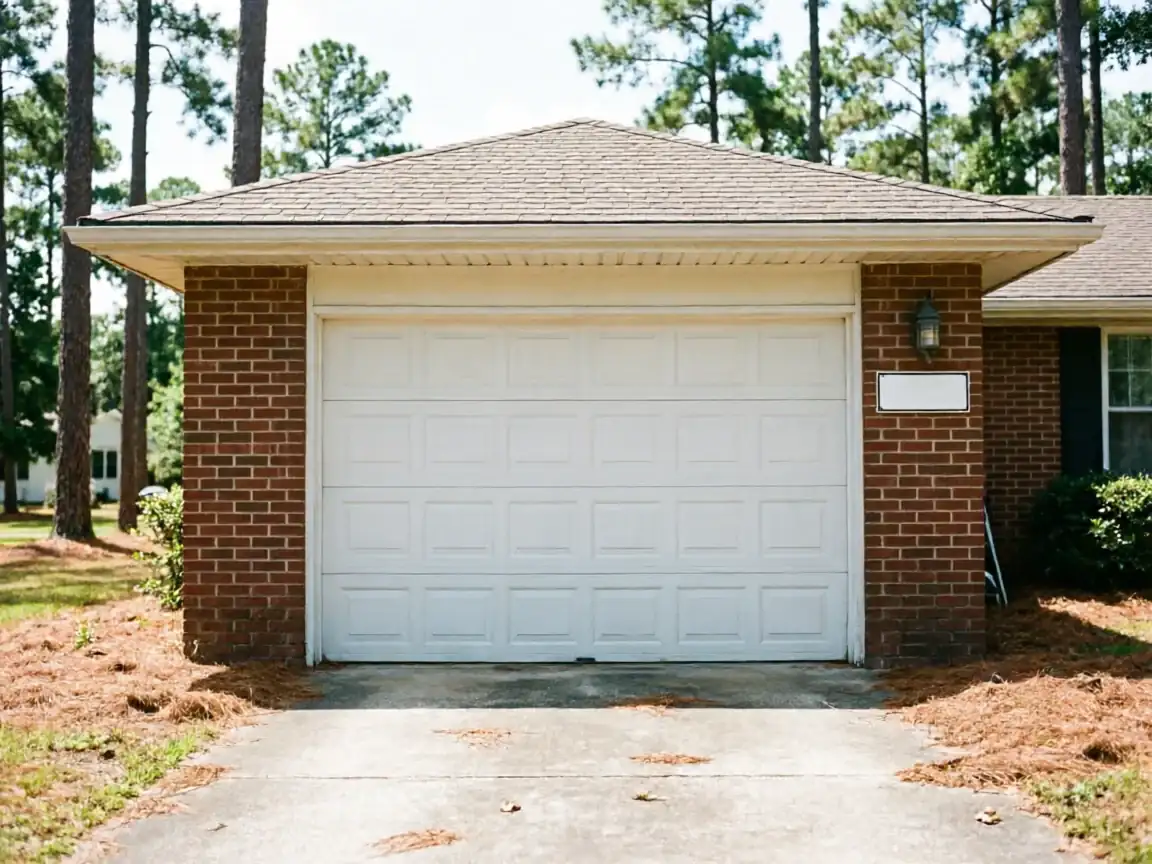
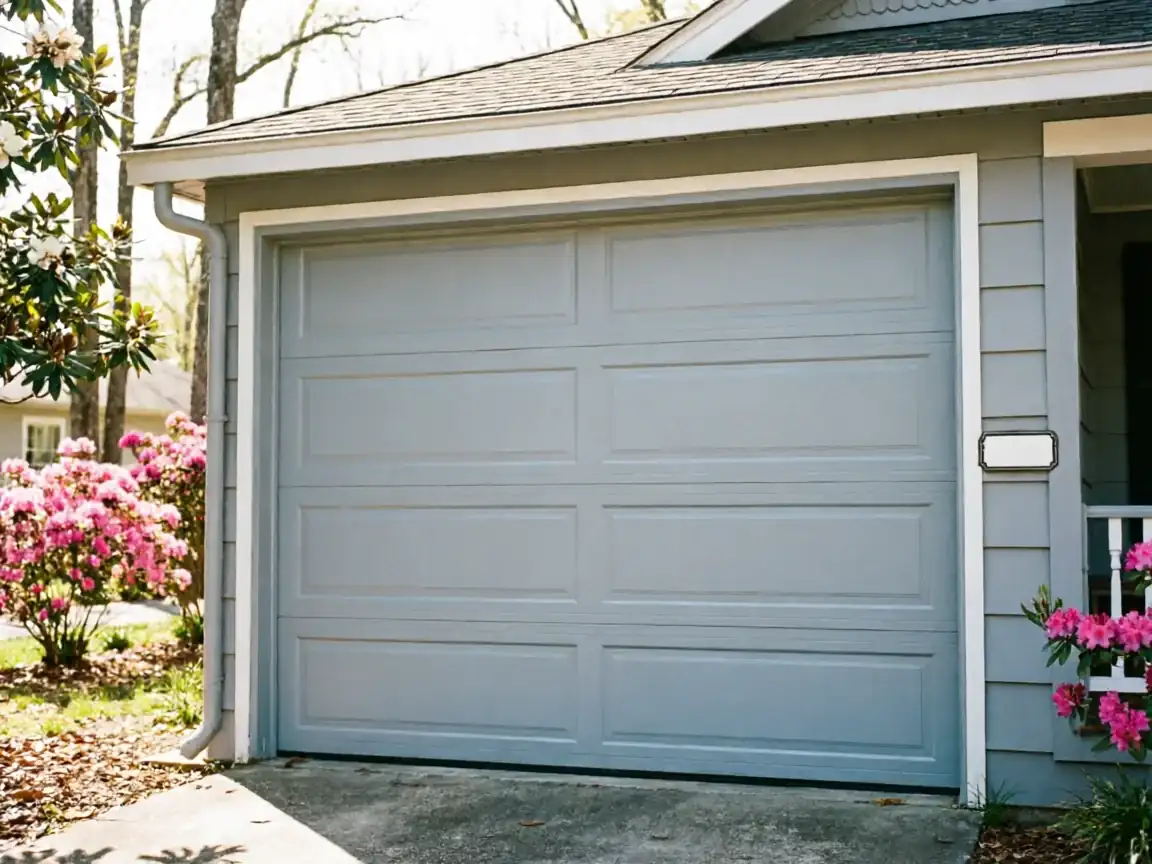
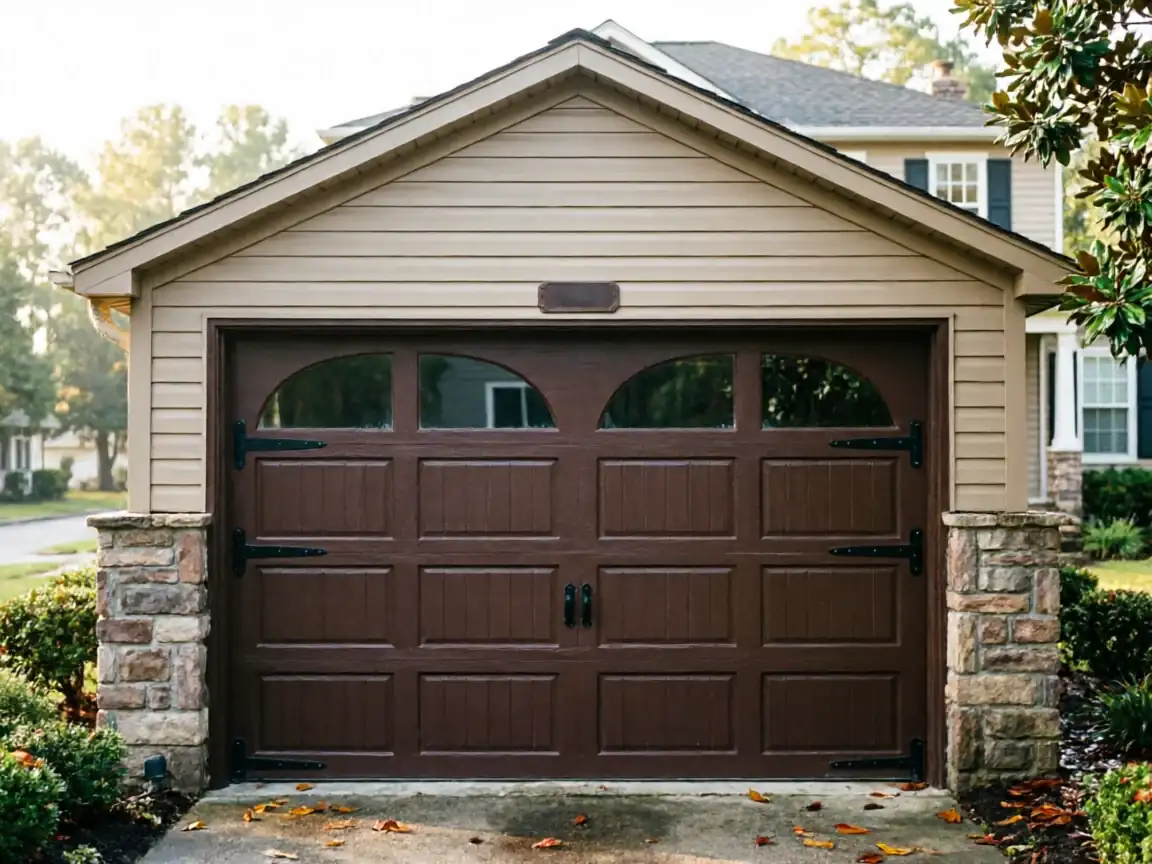
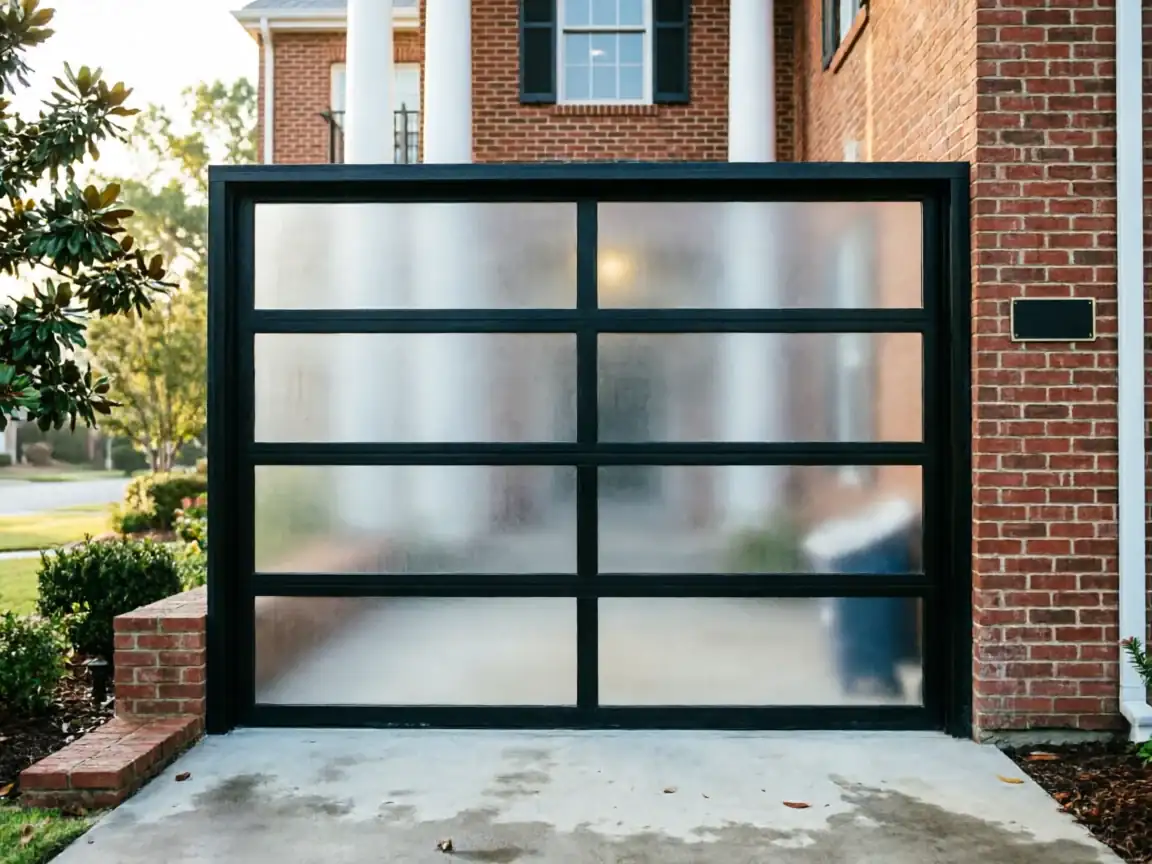
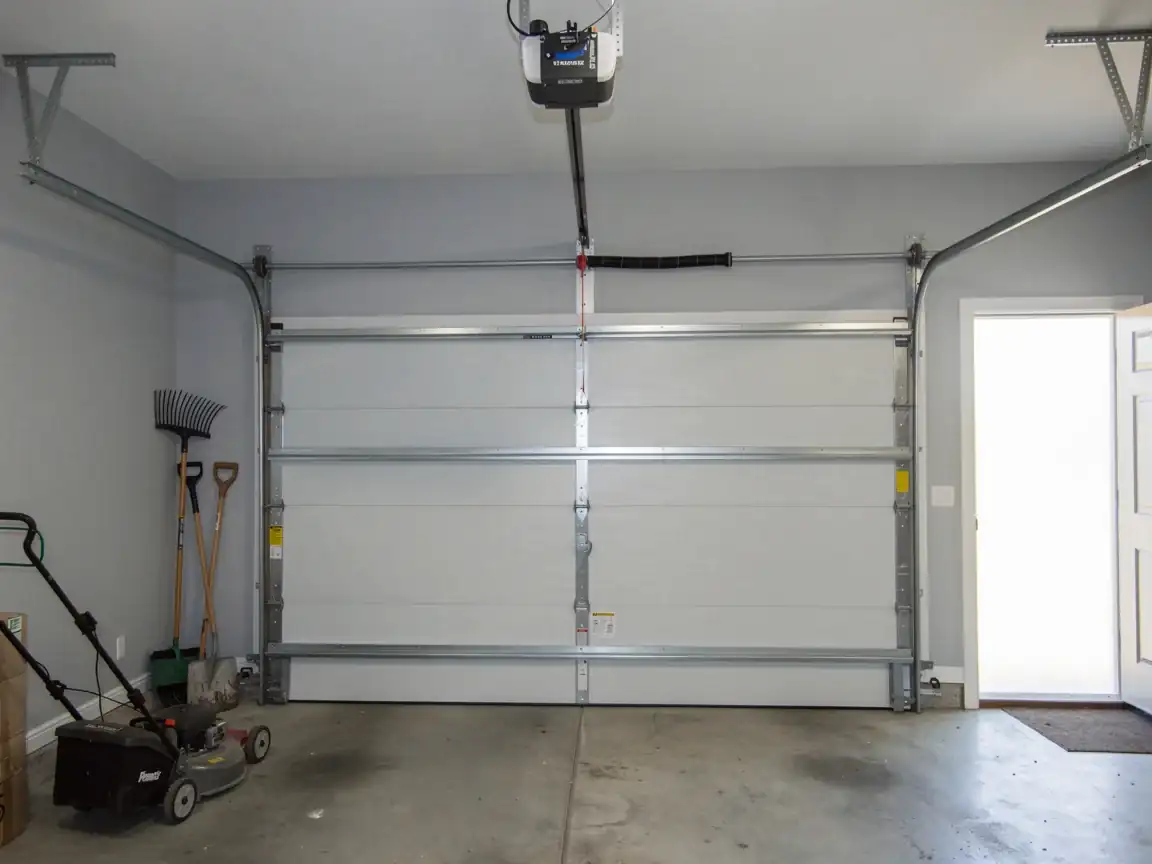
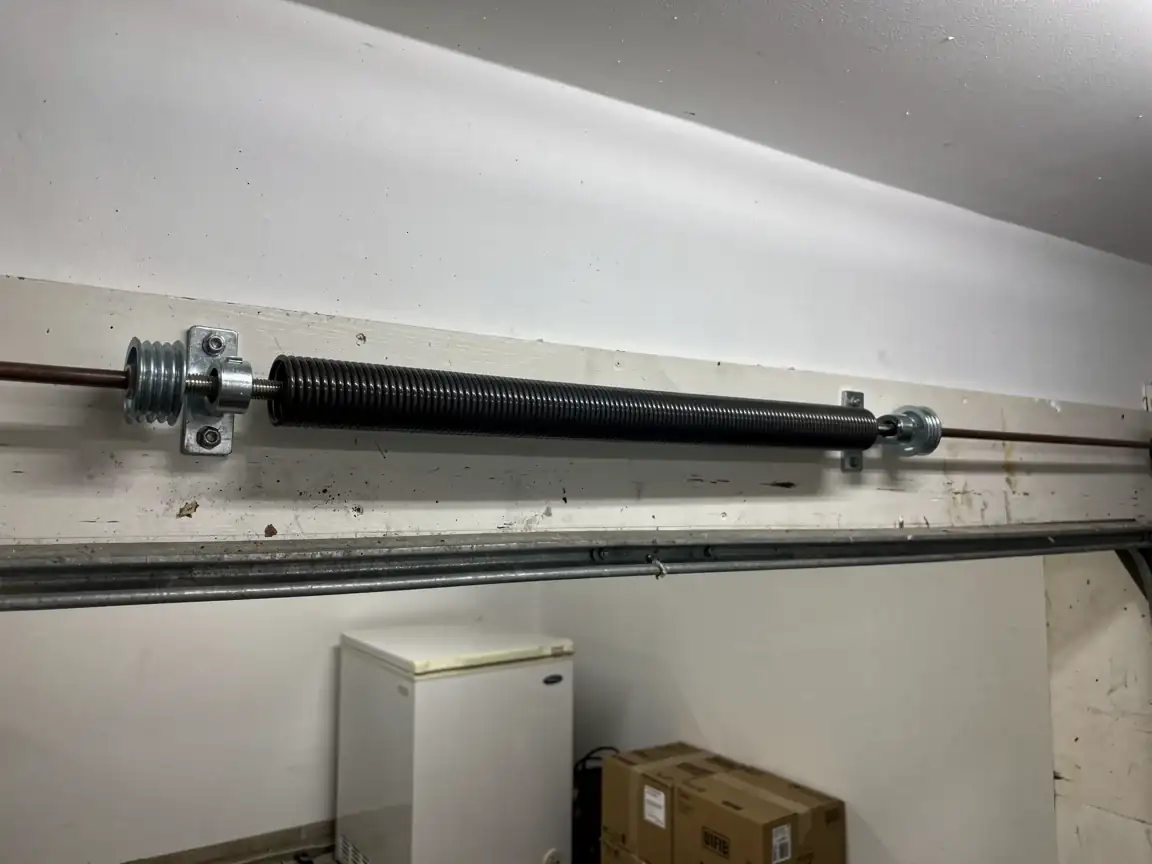
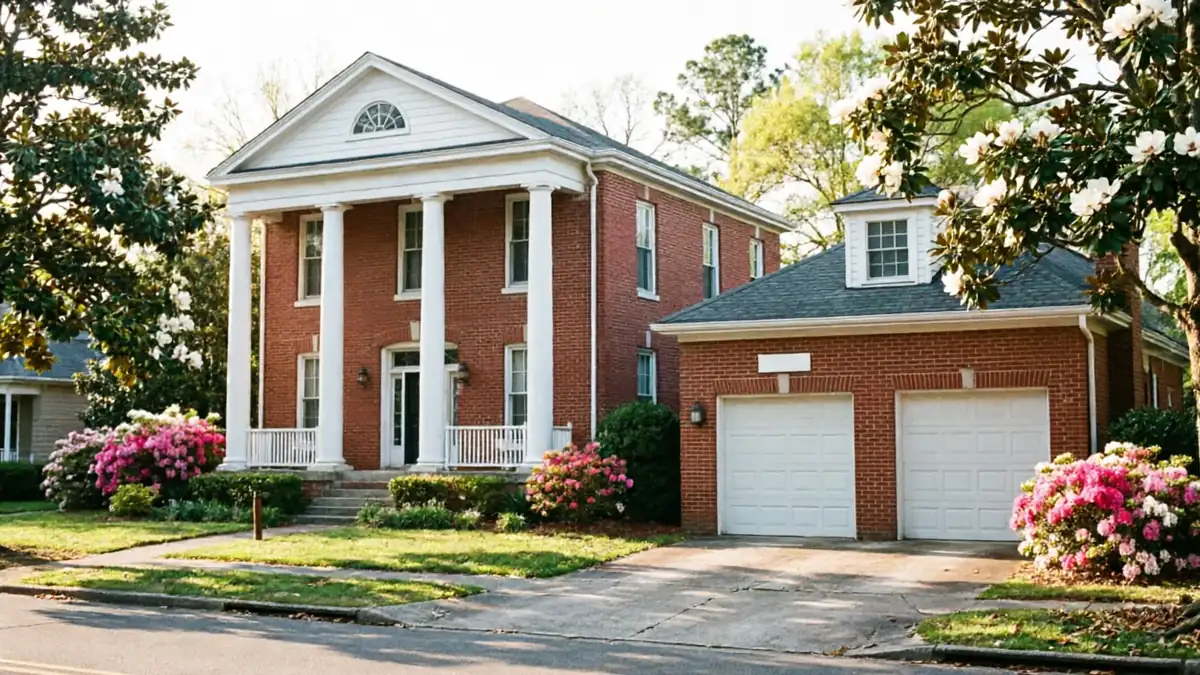
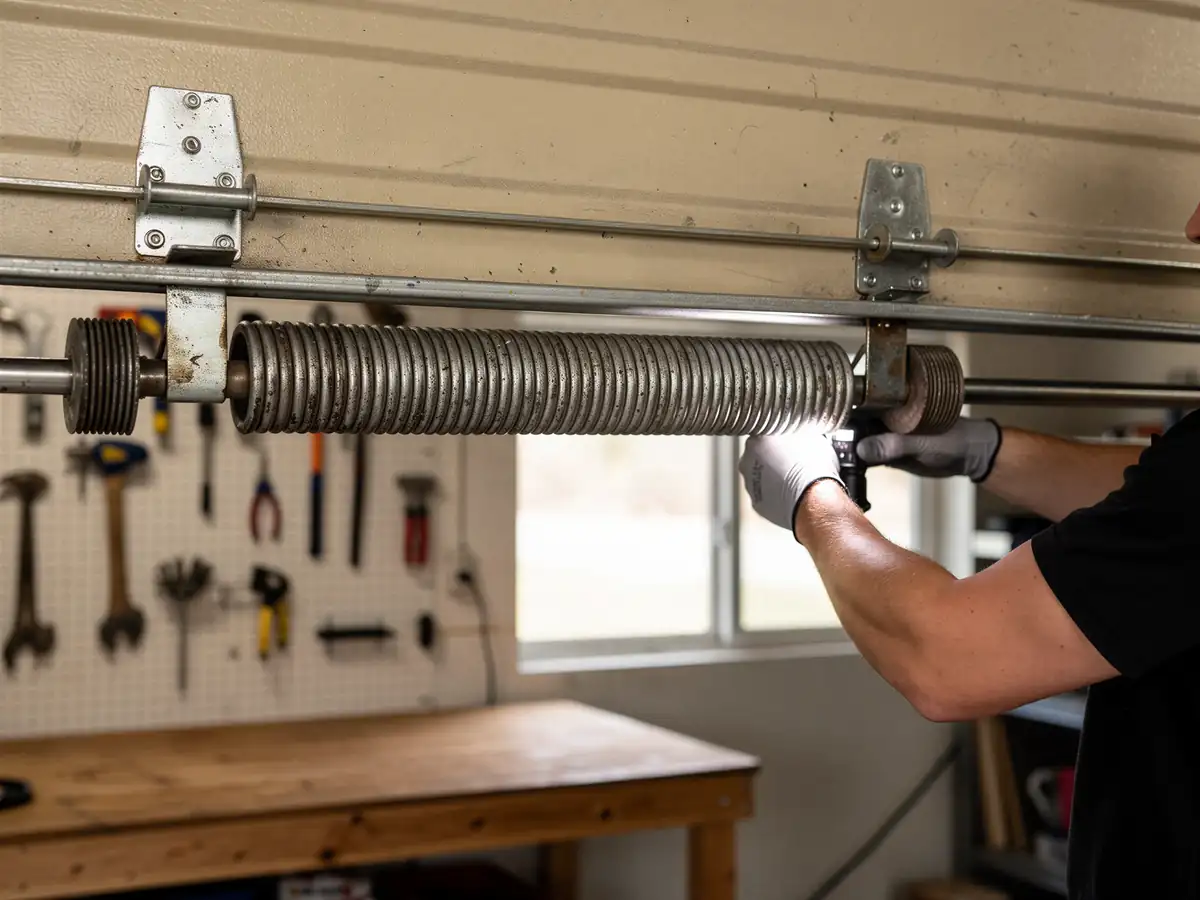
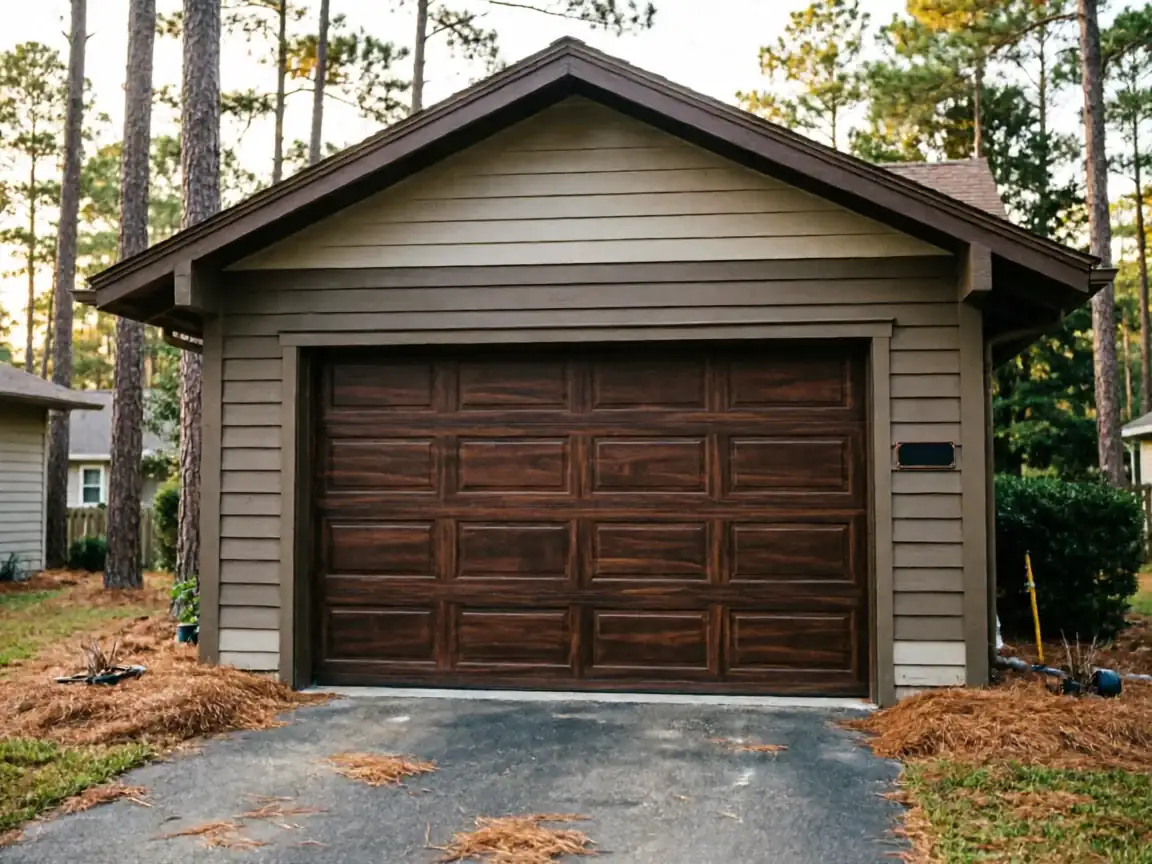
Most of Benson's housing dates to around 1978, which puts a lot of these doors and the hardware under them past the point where tightening a bolt or spraying the track fixes much of anything. A torsion spring or a worn cable on a door this age isn't a part you want to guess at - the spring is under enough tension to break a finger or worse if you don't know the wind-down procedure, and that's true whether the door is five years old or forty.
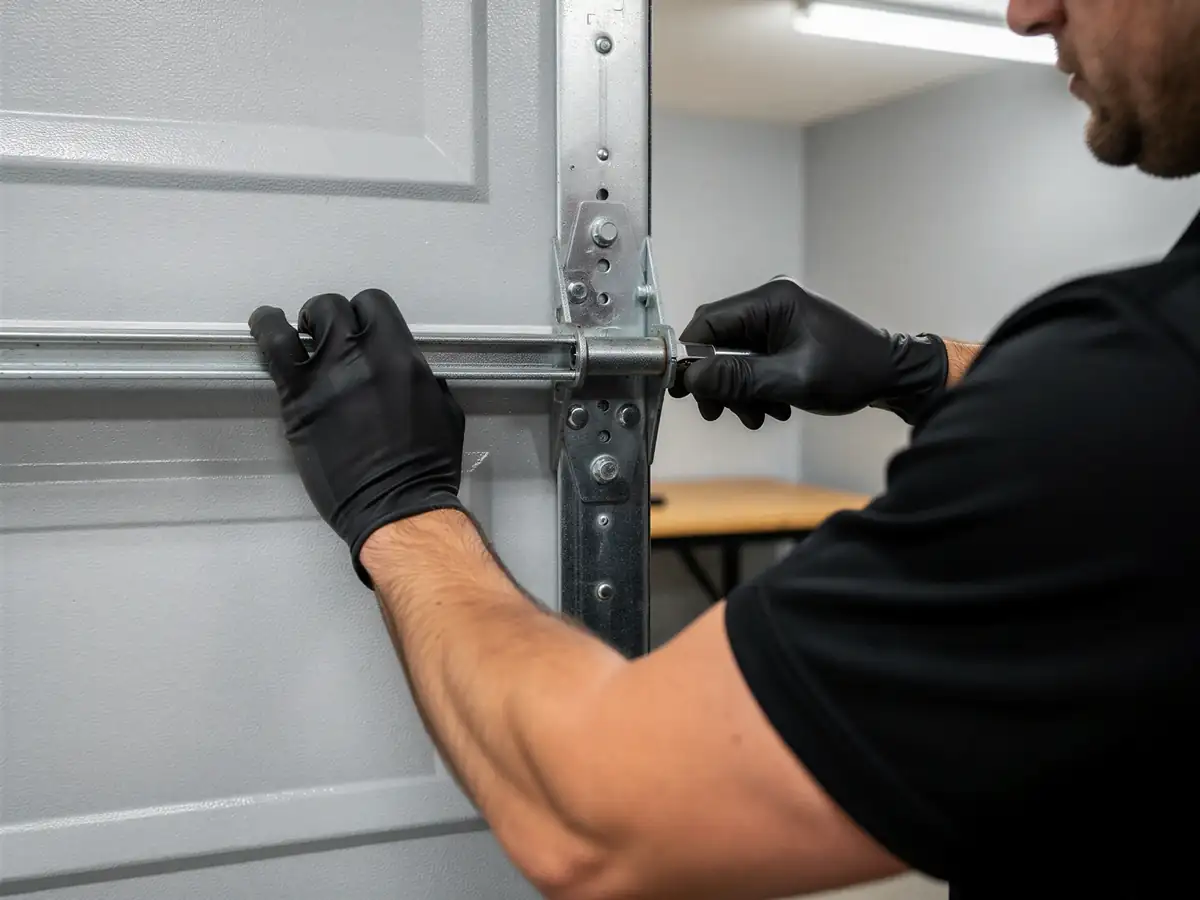
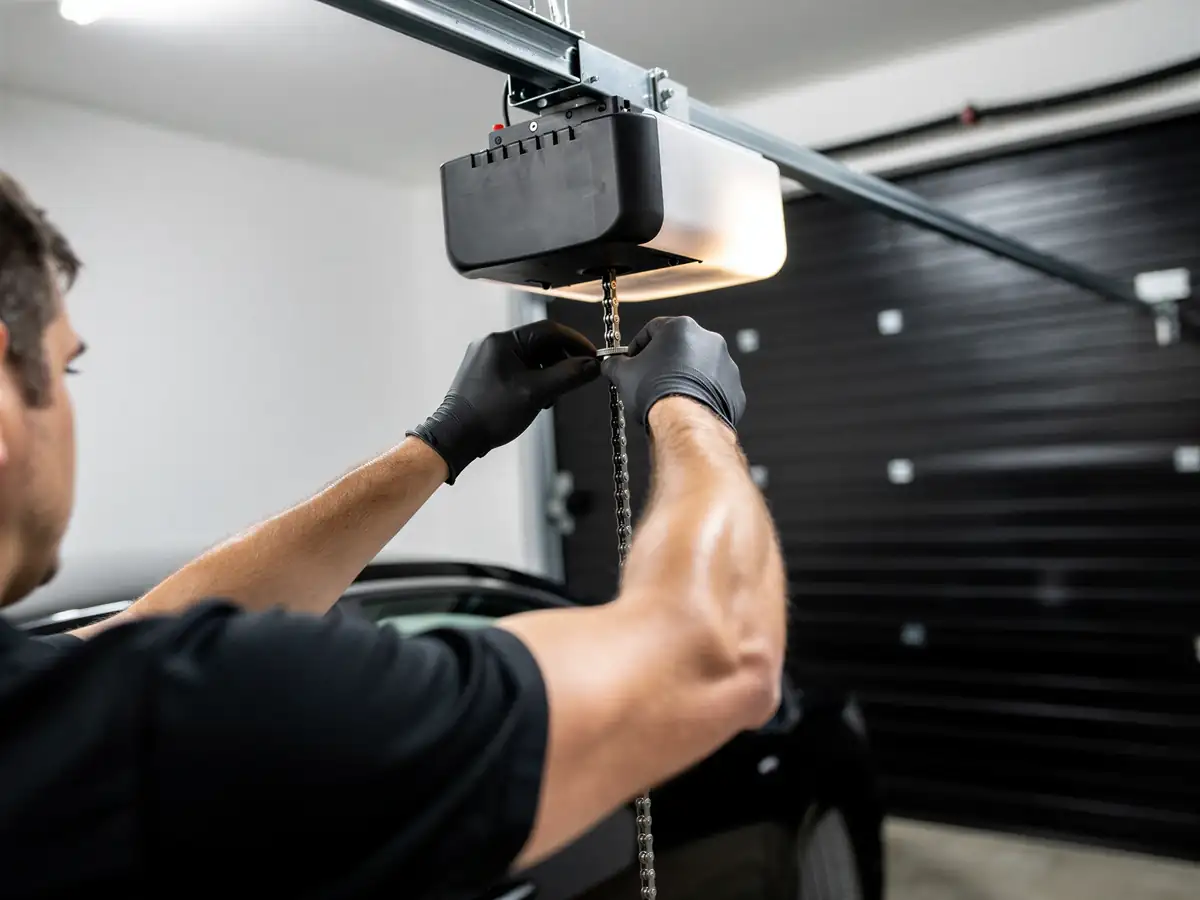
There's a real line between what's safe to do yourself and what isn't. Lubricating rollers, wiping down tracks, checking that the photo-eye sensors aren't knocked out of alignment - fine, go ahead. Replacing a spring, a cable, or anything that involves taking tension off the system is not a Saturday project, and we'll say that plainly even though it costs us nothing to let you try. If you're not sure which category your problem falls into, describe it when you call and we'll tell you straight whether it's a tool job or a truck job.
What the Fix Involves
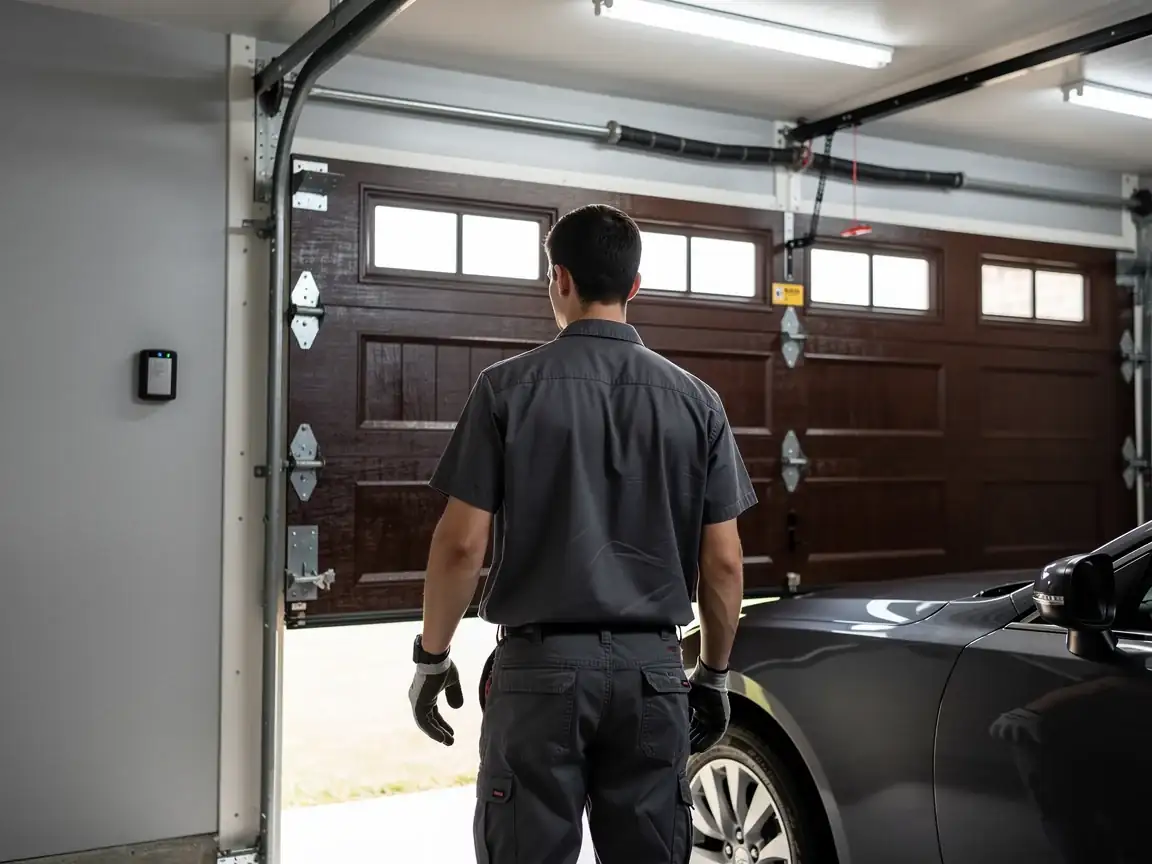
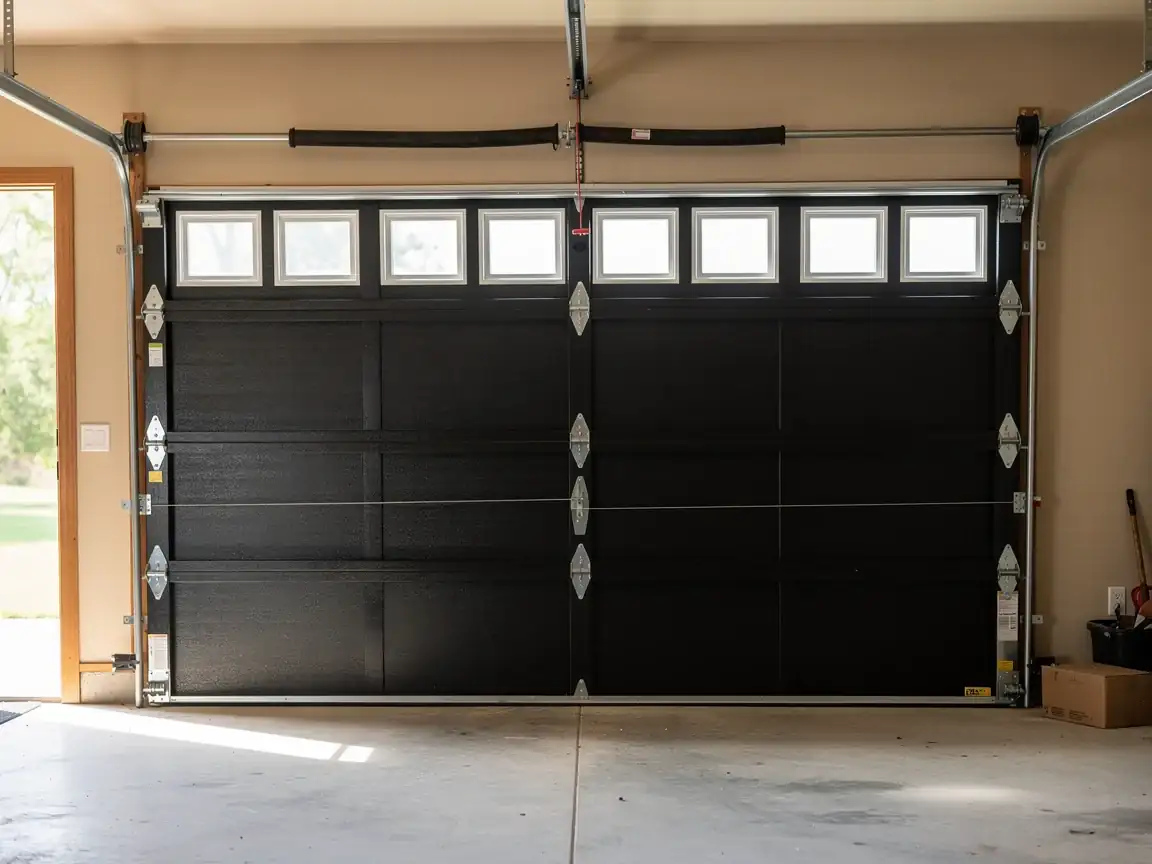
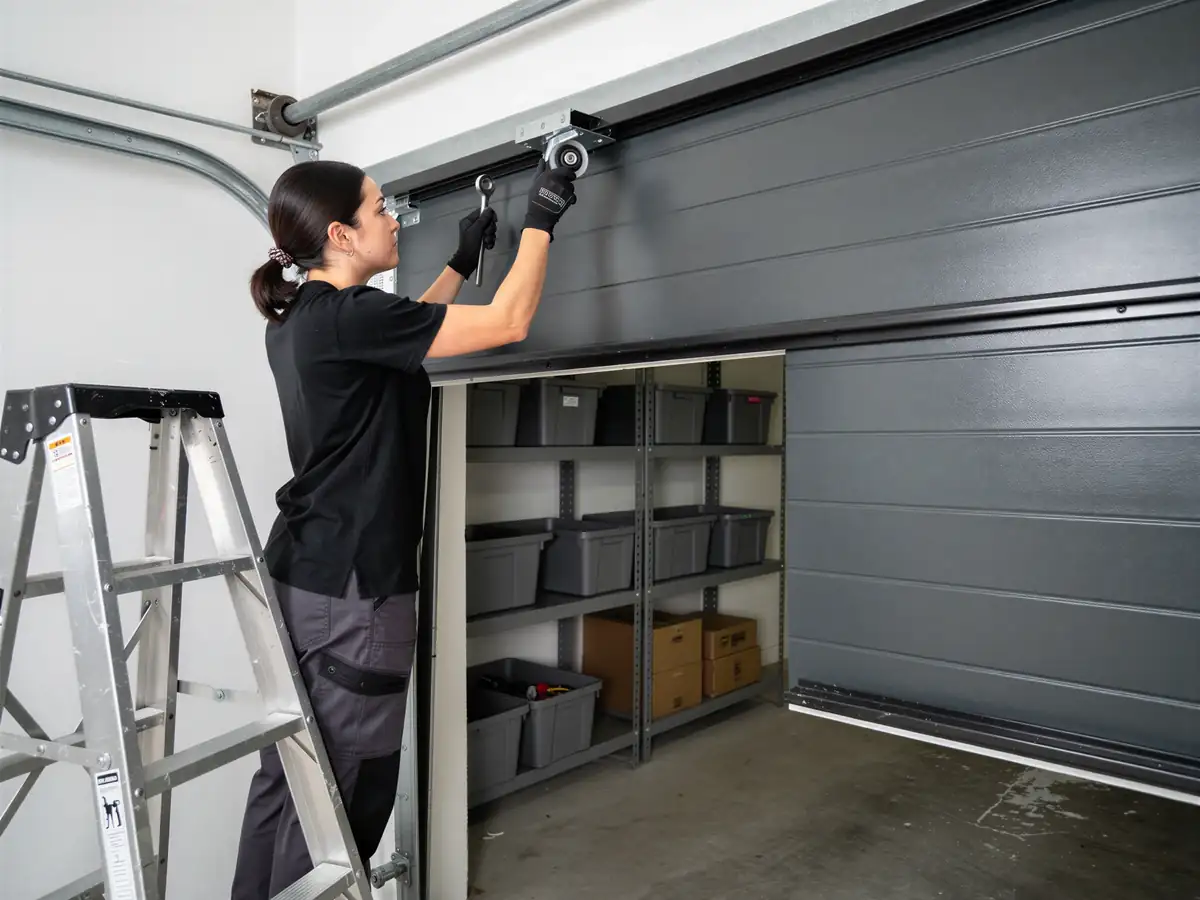
On a house built in the late 1970s, the fix usually starts with figuring out whether the original hardware is still in the opening or whether someone already swapped it once in the last 45 years. Doors from that era often ran heavier steel sections and simpler extension or torsion setups than what gets installed today, so matching track width and spring size to what's actually mounted matters more than it would on newer construction.
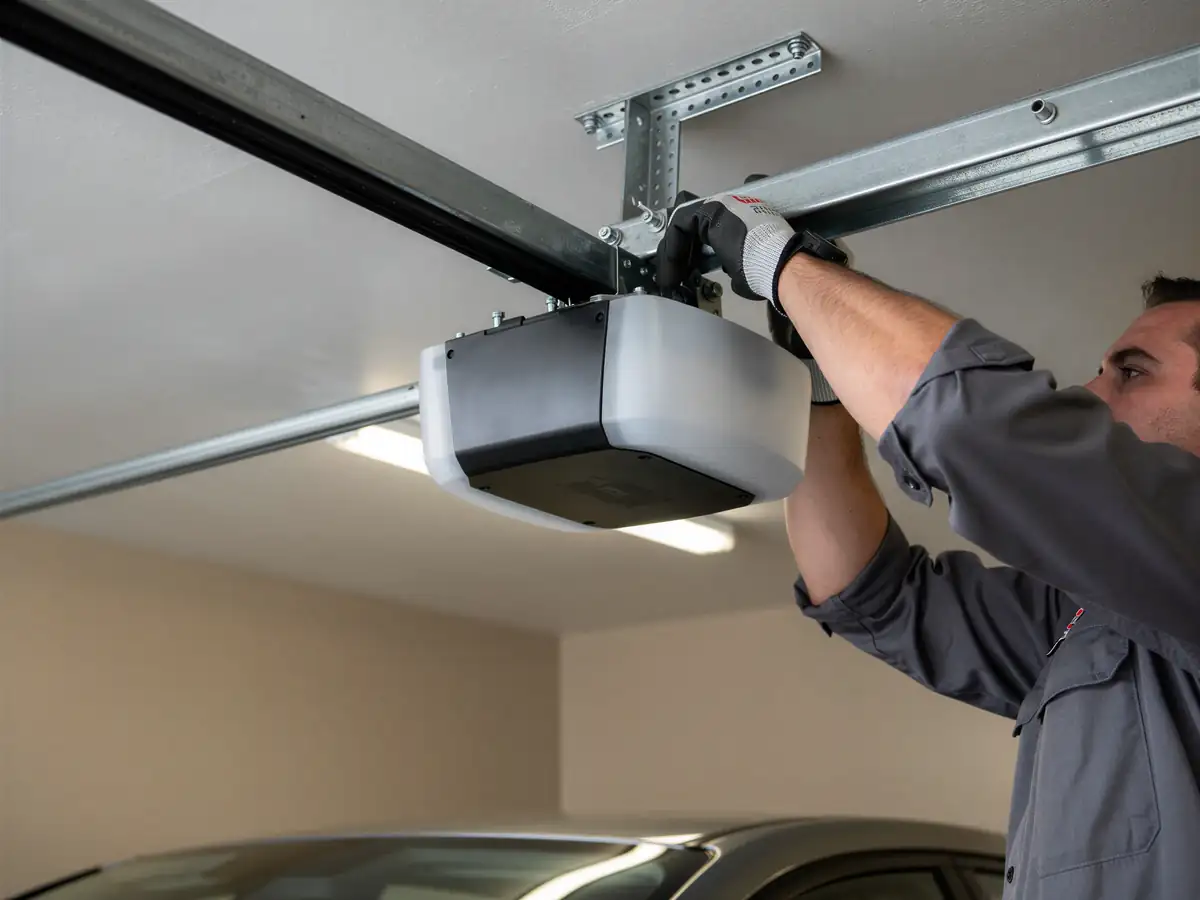
We pull the panel or spring specs off what's in front of us rather than assuming a standard size, because a mismatch on an older setup is how you end up back at the same door in six months. If the opener is original to the house, parts for it may not exist anymore - at that point replacement is the honest answer, not another patch. We'll tell you when a repair isn't worth chasing instead of billing you for one anyway.
What You Are Seeing
The symptoms that bring us out to Benson tend to track the age of the stock
A door that drops fast on one side (uneven spring tension), a grinding or popping sound from the torsion bar, an opener that runs but the door barely moves (classic worn spring, not a motor problem), or a door that reverses itself halfway up. None of those point to a Benson-specific cause - but a house built in 1978 has had roughly 45 winters to work cables and rollers loose, which is longer than most of the newer construction in the wider service area has had.
Cold-weather stiffness shows up here the same as anywhere in this climate band
Grease thickens, metal contracts slightly, and a door that was fine in October can bind in January. If that's what you're seeing, it's often a lubrication and alignment fix rather than a parts replacement - cheaper and faster, worth ruling out first.
How Long You Are Without the Door
We won't promise a response window for Benson specifically - we're honest that every call here means a 20-mile drive first, and that's baked into how fast we can get there compared to a job inside Fuquay-Varina itself. Once the truck is on-site, most single-spring or cable repairs on a door this age run the same length of time they would anywhere: an hour or two, assuming the part matches what's on the truck.
Where it stretches out is when the hardware is old enough or unusual enough that we need to source a part that isn't standard stock. On a 1978-era door, that's a real possibility, not a scare tactic - we'd rather tell you upfront that a replacement track might take a few extra days than promise same-day and miss it.