What the Fix Involves
Median household income in this part of Angier sits at $51,162
A bit under the wider service area's $52,458. That number matters more than it sounds like it should, because opener repair has a break-even point: once you're past a logic board, a drive gear, and a sensor eye on an opener that's already fifteen-plus years old, you're close to the cost of a new unit with a warranty attached. We'll tell you when you've crossed that line instead of running up a bill on a unit that's going to fail again in six months.
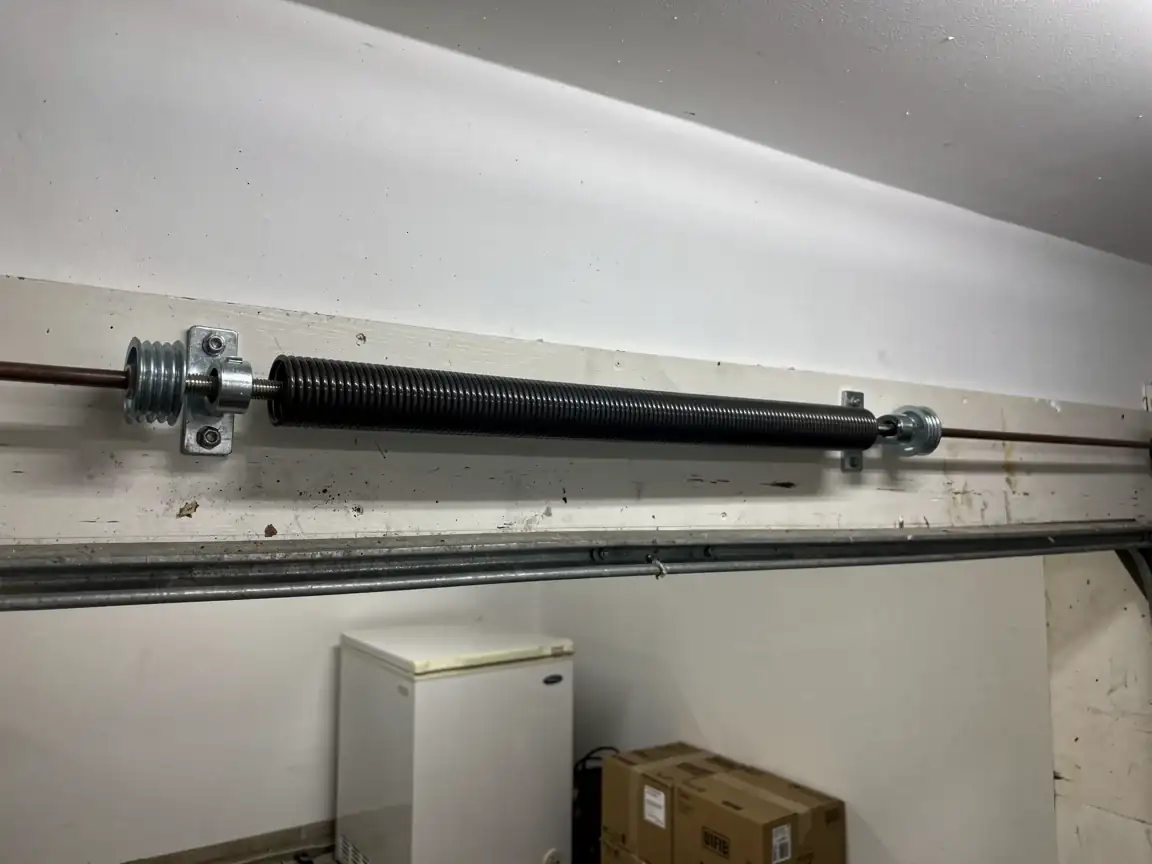
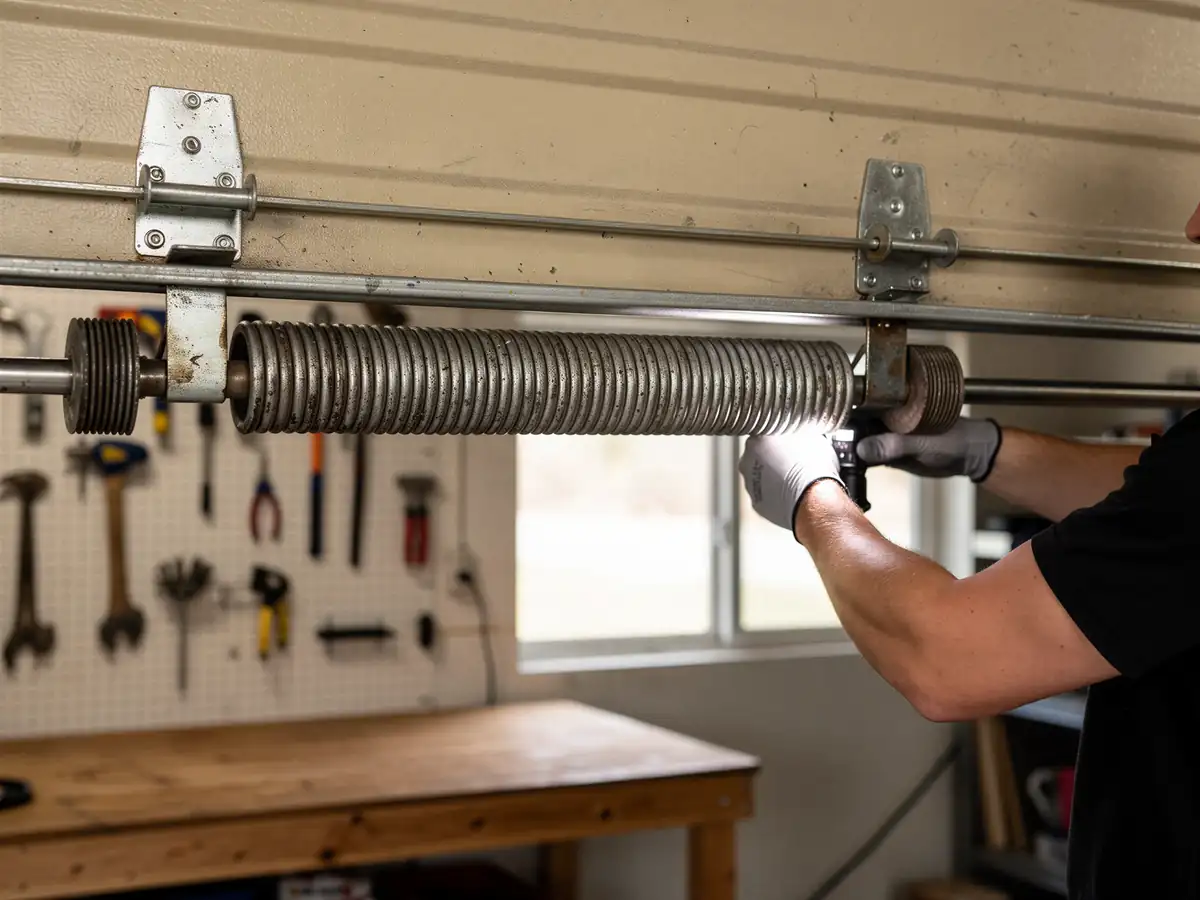
Most opener calls here aren't springs or cables - those live on the door side
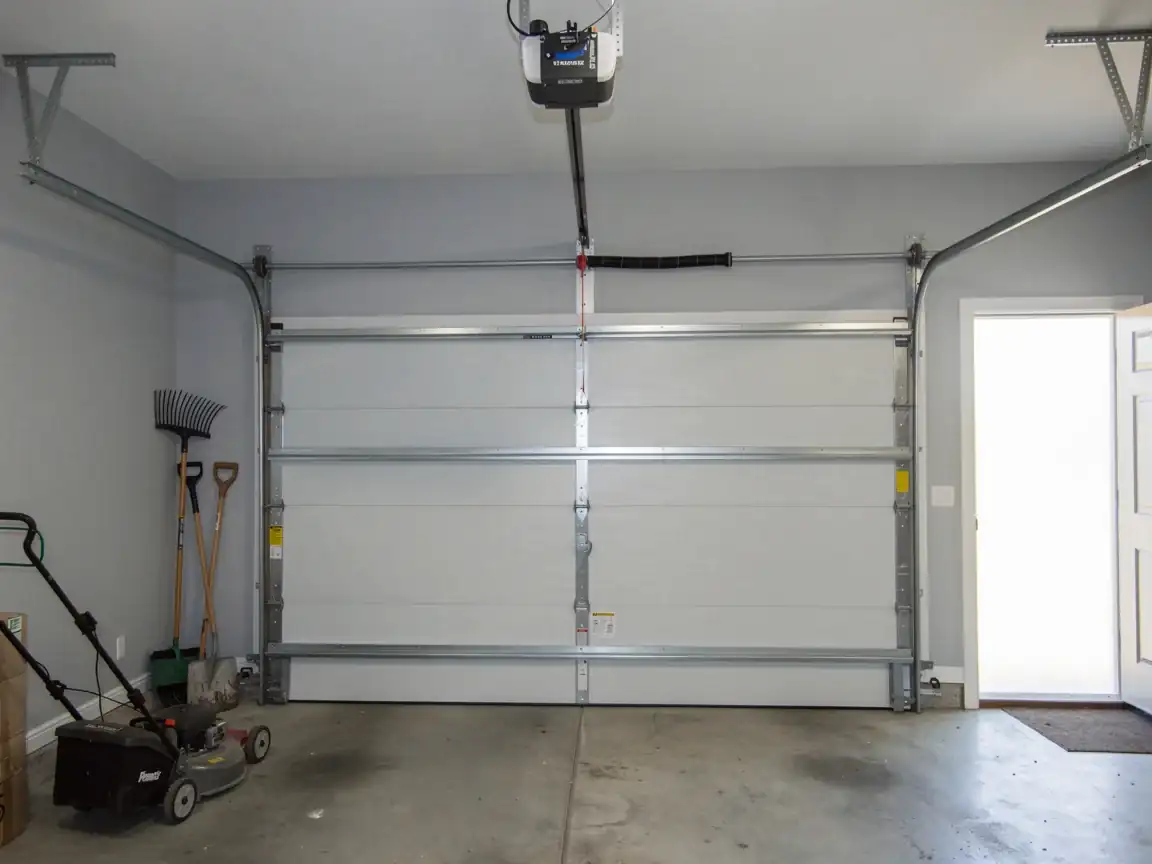
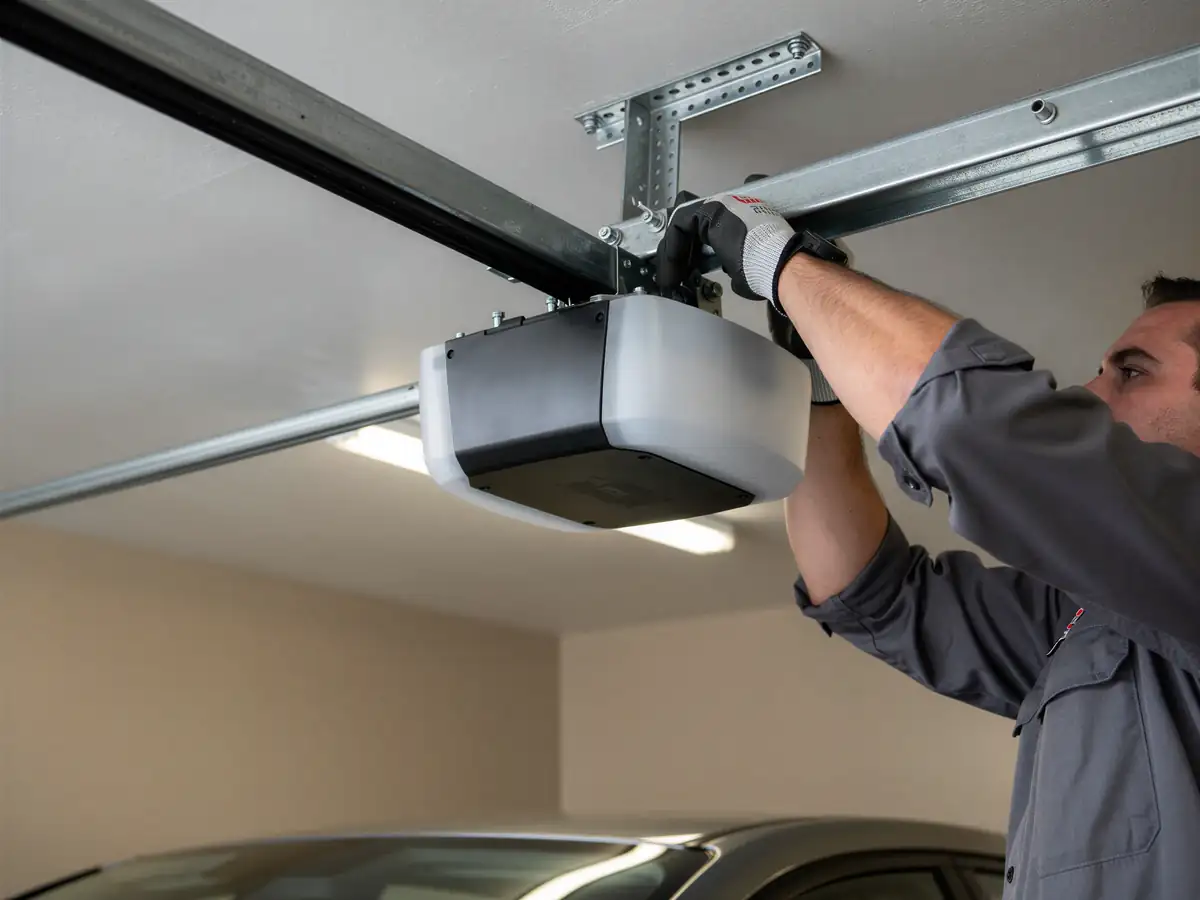
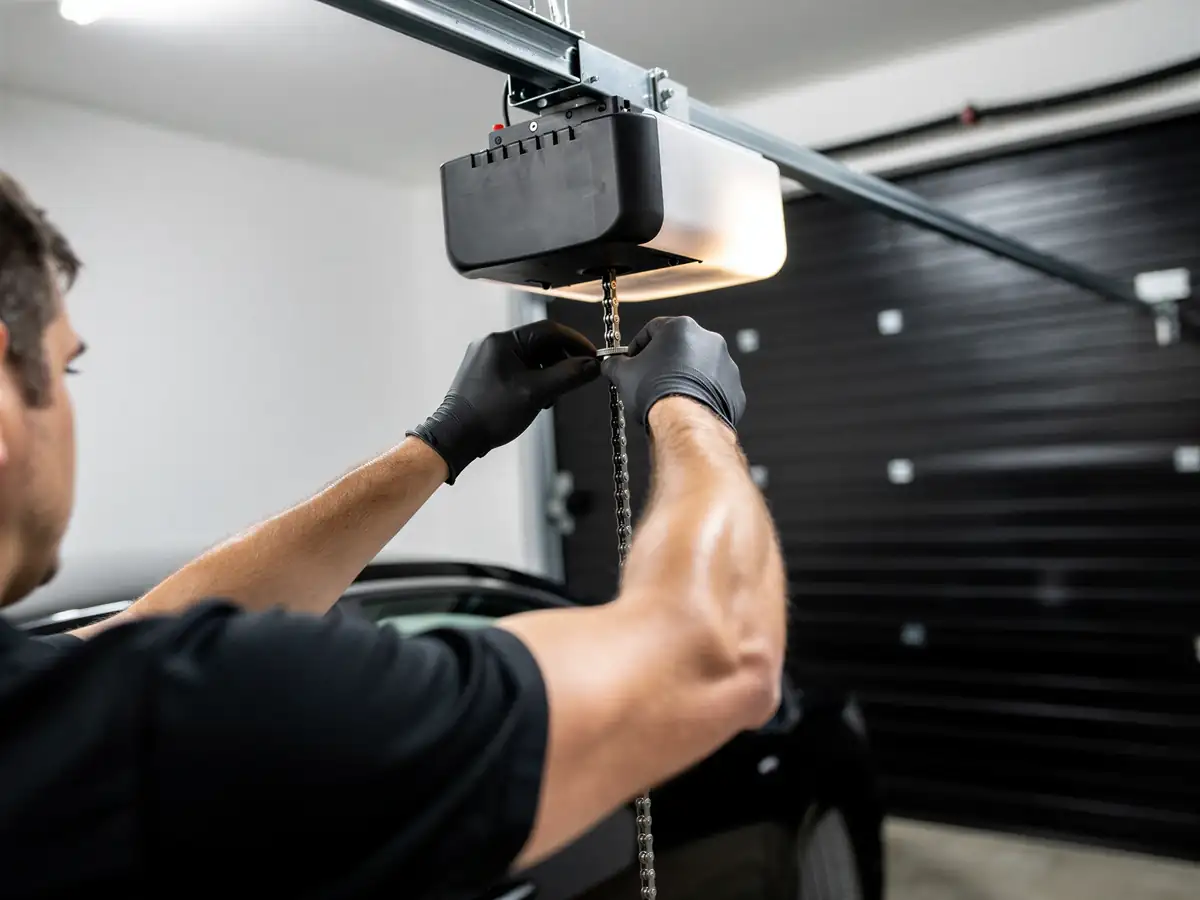
Opener repair means the motor unit itself: a stripped drive gear, a dead circuit board, a motor that hums but doesn't move the trolley, or remotes and keypads that stopped talking to the head unit. We diagnose at the unit first, then check whether the door side is dragging the opener down with it, since a misadjusted door will burn out a good opener fast.
The area's housing stock runs newer than a lot of what we see elsewhere
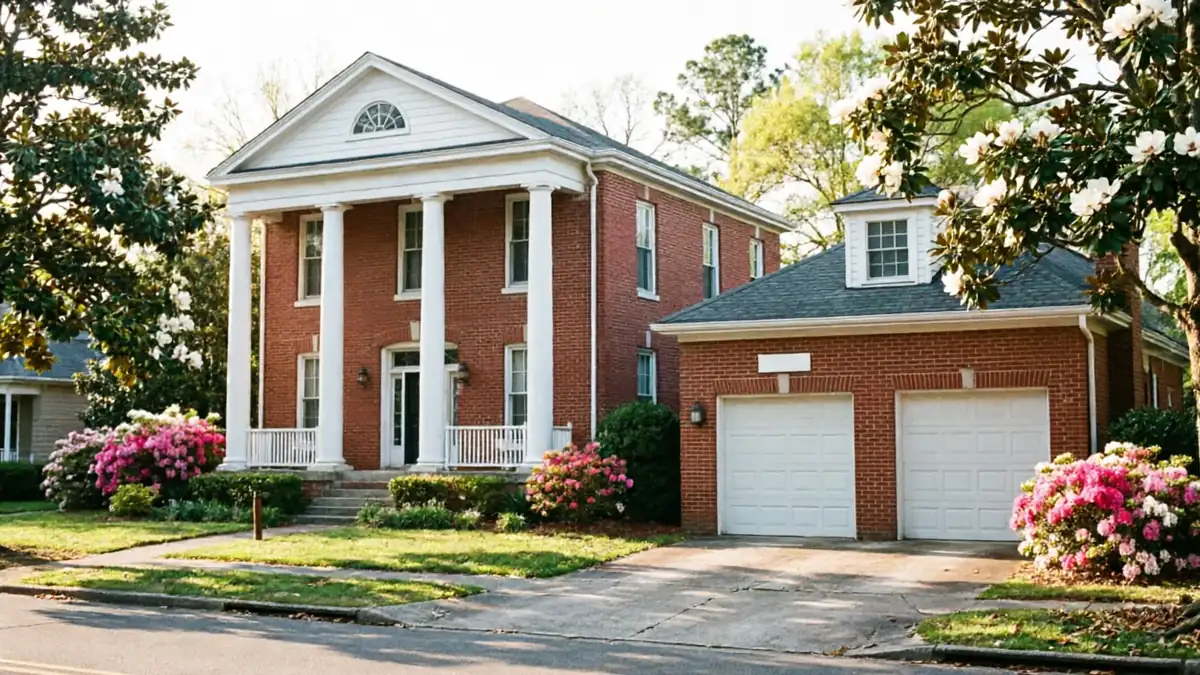
Median year built around 1997 - so you're less likely to be fighting ancient chain-drive units from the 1970s and more likely dealing with late-90s and early-2000s builder-grade openers reaching the end of their normal service life.
What Is on the Truck
We stock the parts that fail most on openers from the 1990s-2000s builder-grade wave: drive gears and sprockets, logic boards for the common chain and belt-drive models from that era, safety sensor eyes, trolley carriages, and remotes/keypads that pair with older receivers. Capacitors for older motor units are a common swap too - they're cheap and they're often the actual cause of a motor that strains but won't lift.
What we don't carry on the truck is every discontinued circuit board for every opener ever sold. If your unit is an obscure model from a builder closeout, a board can be special order, and we'll say so on site rather than make you wait on the truck. That's the one honest limit here: we can fix almost everything that rolls off that 1990s-2000s wave fast, same visit, but a board on back order means a second trip.
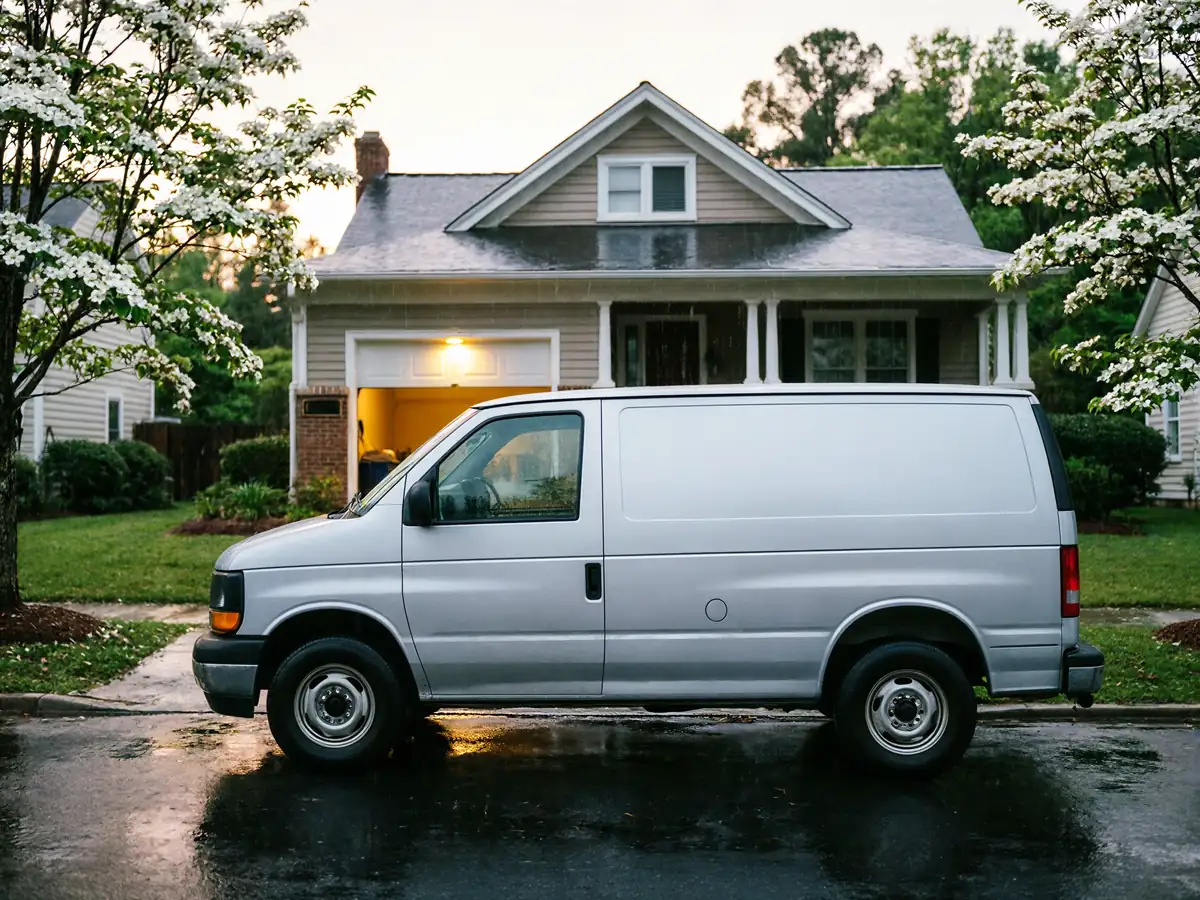
Since every call here is a drive from Fuquay-Varina - about 6 miles - we load the truck for the job type before we leave, based on what you tell us on the phone: make, rough age, and what the opener is actually doing or not doing.
Why It Happens Here
With roughly 2,532 households in this part of the service area and a median build year around 1997, a lot of openers installed when these houses went up are now well past the age where failure gets common - most residential openers aren't built to run trouble-free past fifteen to twenty years regardless of brand. That puts a real cluster of this area's housing stock squarely in opener-failure territory right now, not in five years and not five years ago.
The cold-moderate winter swing here also plays a role. Grease in an older gear-drive motor stiffens up in cold snaps, which is when a marginal motor that's been limping along all year finally stalls out completely - you'll notice it as a unit that worked fine in September and won't budge in January.
The builder-grade part matters too. Openers installed during a development's main construction run tend to be the same handful of models, so when one starts failing in a neighborhood, others on the same street built the same year usually aren't far behind.
Where This Job Goes Sideways
The call that should take forty minutes turns into two visits when the opener turns out to be symptom
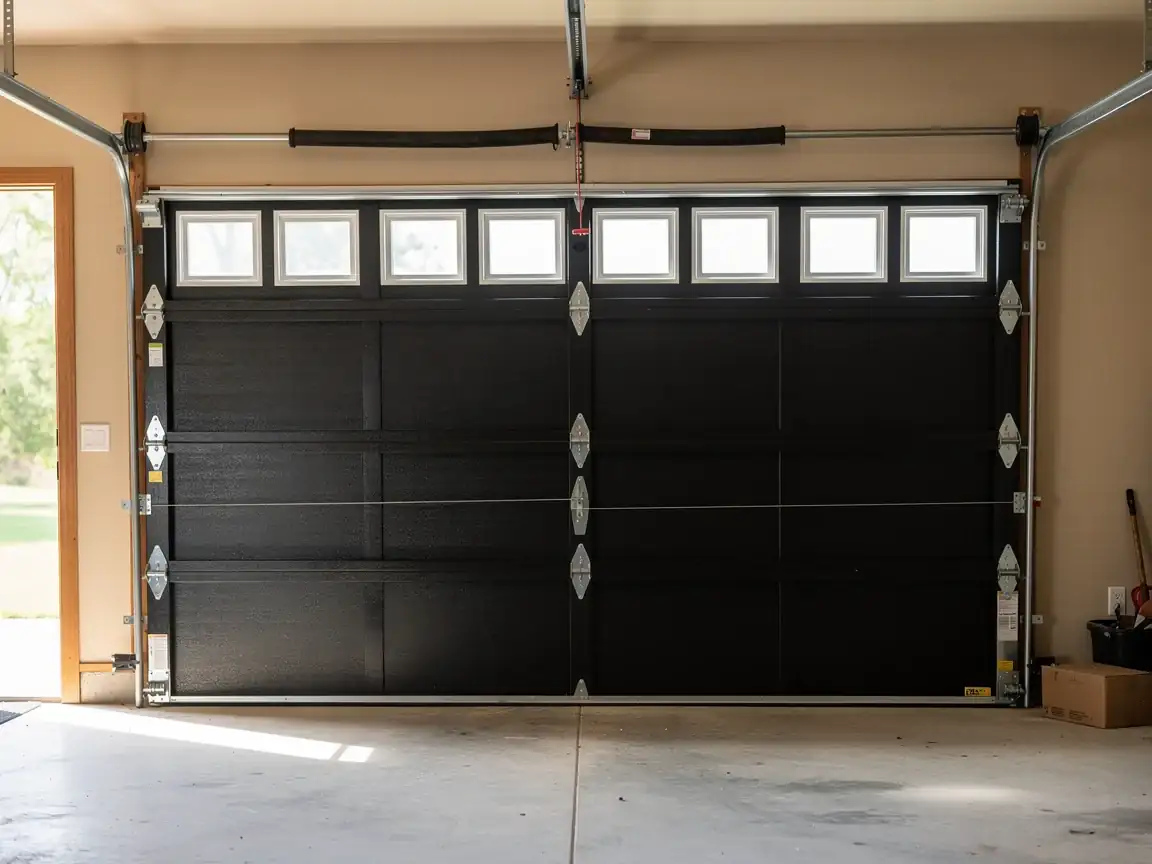
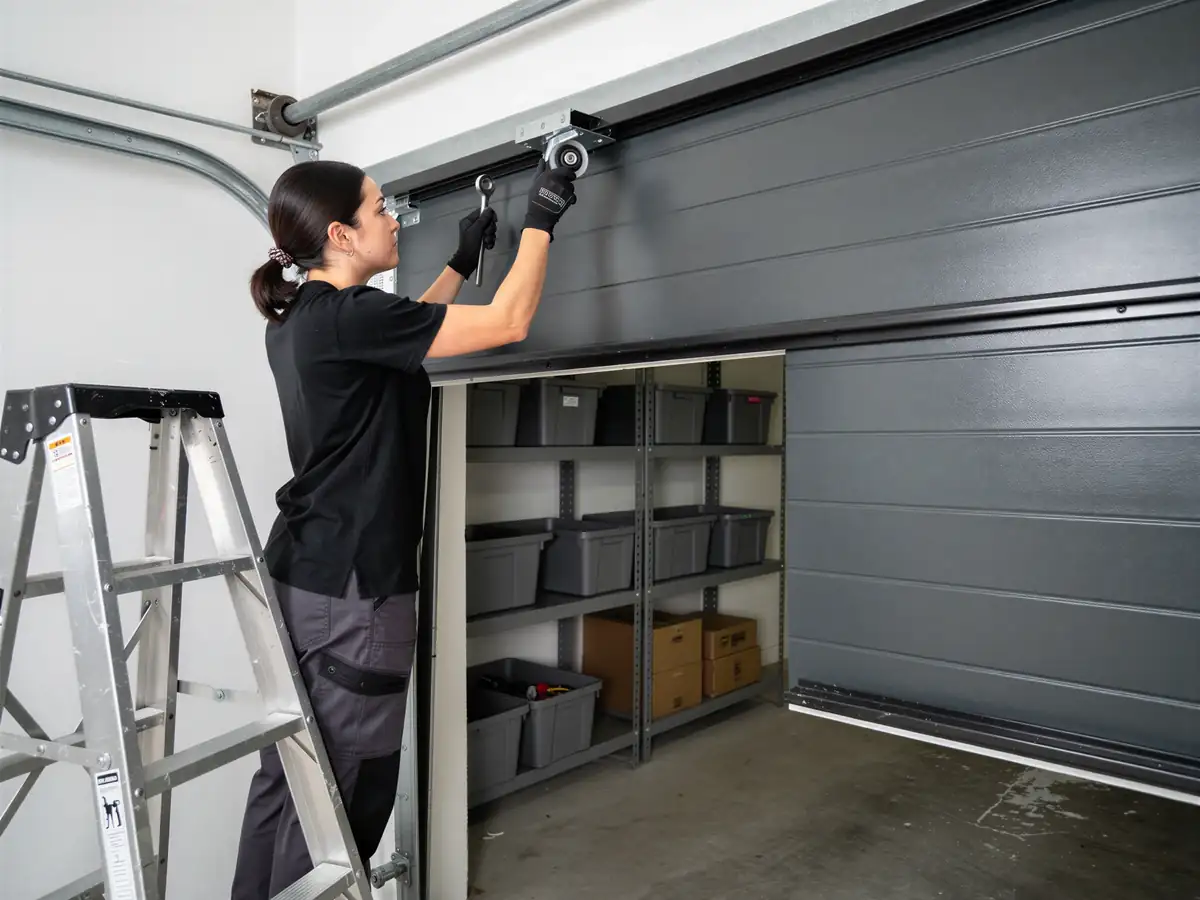
Not cause. A door that's out of balance - heavy on one side, dragging on worn rollers - will overwork a perfectly good opener until it fails, and if we replace the opener without fixing the door, you'll be back here in under a year with the same complaint.
The other way it goes sideways: safety sensors
They're a five-minute swap when they're just dirty or knocked out of alignment, but if the wiring itself was pinched or chewed somewhere in the wall or ceiling run, that's a different, longer job, and not one we can quote blind over the phone.
And sometimes the opener is fine and the problem is the wall switch or a dead circuit at the breaker
We check power at the unit before we touch anything mechanical, because replacing a motor that was never getting full voltage doesn't fix anything - it just hides the real fault for a while.
How to Book
Call and tell us the opener's rough age, what it's doing (or not doing), and whether the door itself moves freely by hand with the opener disconnected - that last detail alone saves a lot of back-and-forth on site. We travel out from Fuquay-Varina for every Angier call, about 6 miles each way, and we load the truck based on what you describe before we leave.
If you're not sure whether you're dealing with an opener problem or a door problem, say so - that's a normal call for us, not a wasted one. See our Angier page for the full range of work we do out here, or check opener repair details for the Fuquay-Varina side if you want the broader service-area version of this page.
The DIY Question
Swapping a remote battery or reprogramming a keypad code is fine to do yourself - no tools, no risk. Replacing a safety sensor eye is usually fine too if you're comfortable with a screwdriver and can get the alignment right, since a misaligned sensor just means the door won't close until it's fixed, not a safety hazard.
What we don't recommend doing yourself: anything involving the drive gear or motor housing while the opener is still wired, or any adjustment to the force or travel limits without understanding what those settings actually control. Get those wrong and the door can fail to reverse on an obstruction, which is the one failure mode in this whole job that's actually dangerous rather than just inconvenient.
Given that a lot of openers out here are from the same late-1990s builder wave, if yours is already old and showing one symptom, it's worth asking us to look at the whole unit rather than patching the one thing you noticed - the second failure is usually closer than it looks.