What Is on the Truck
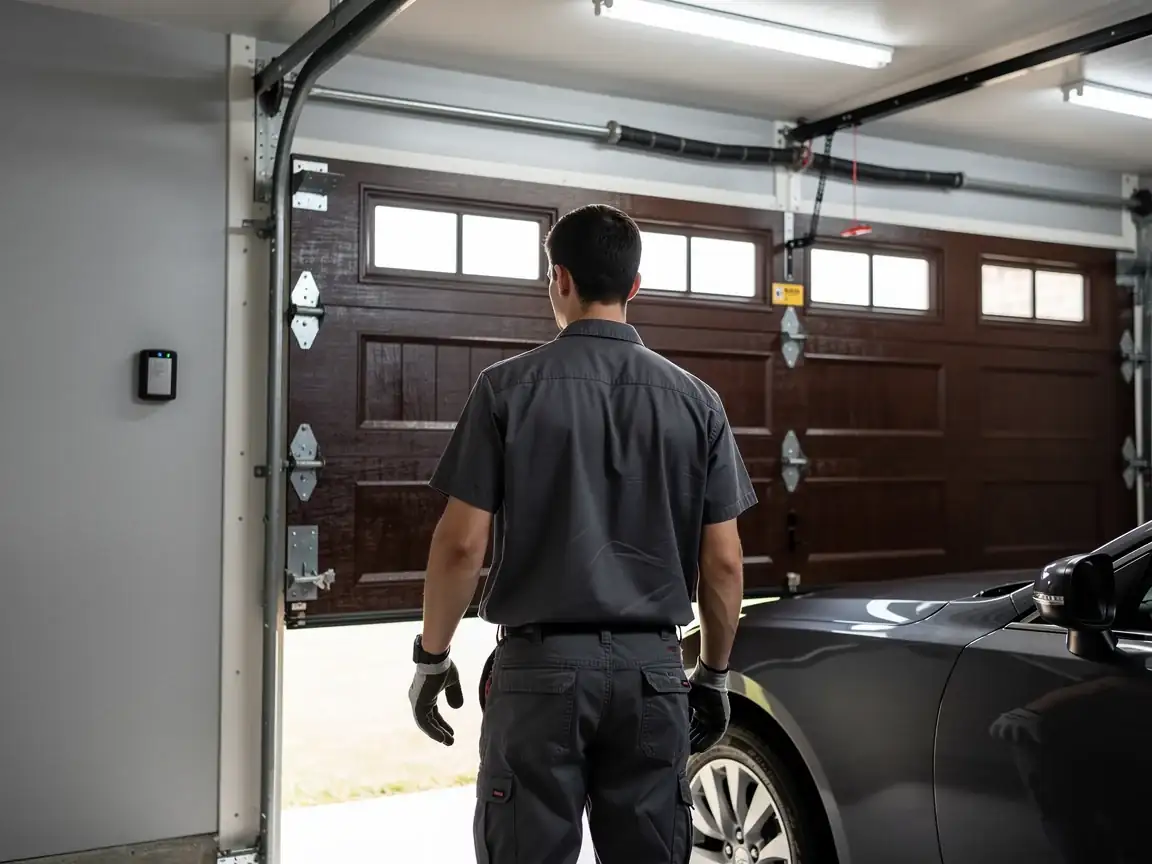
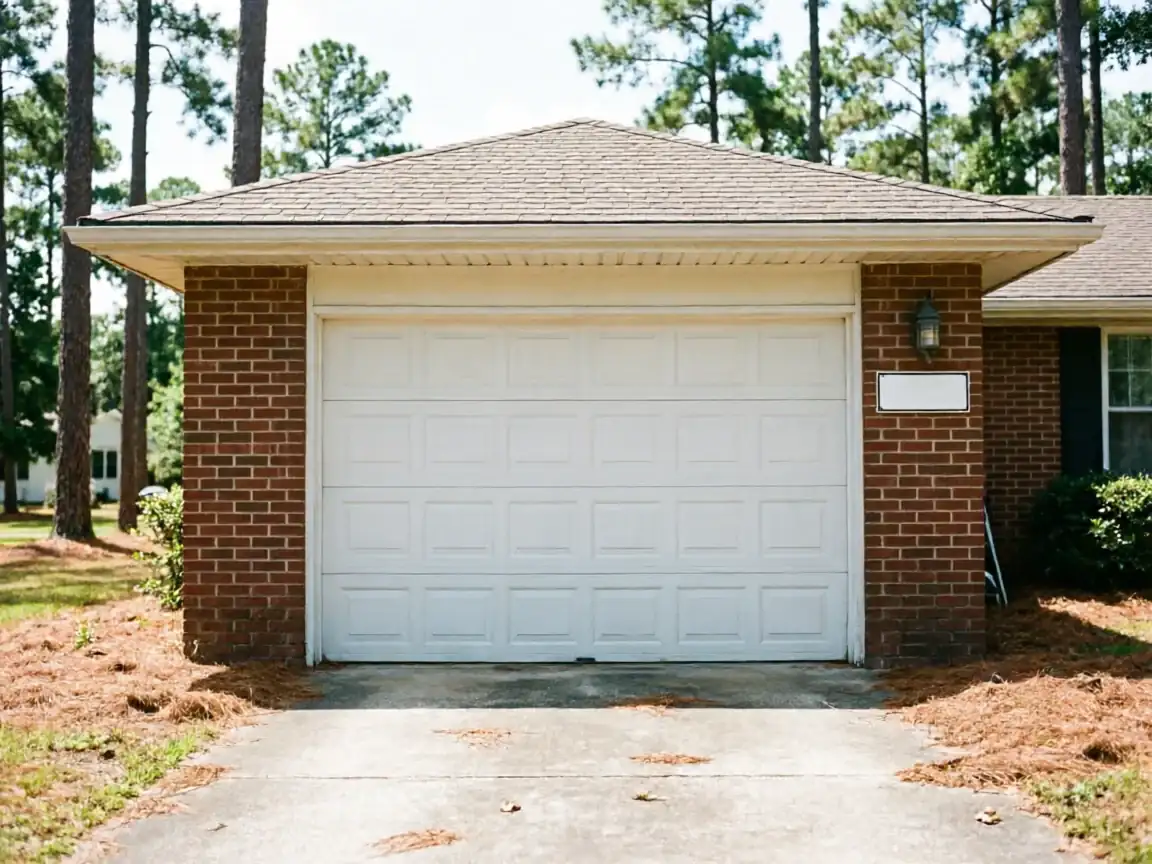
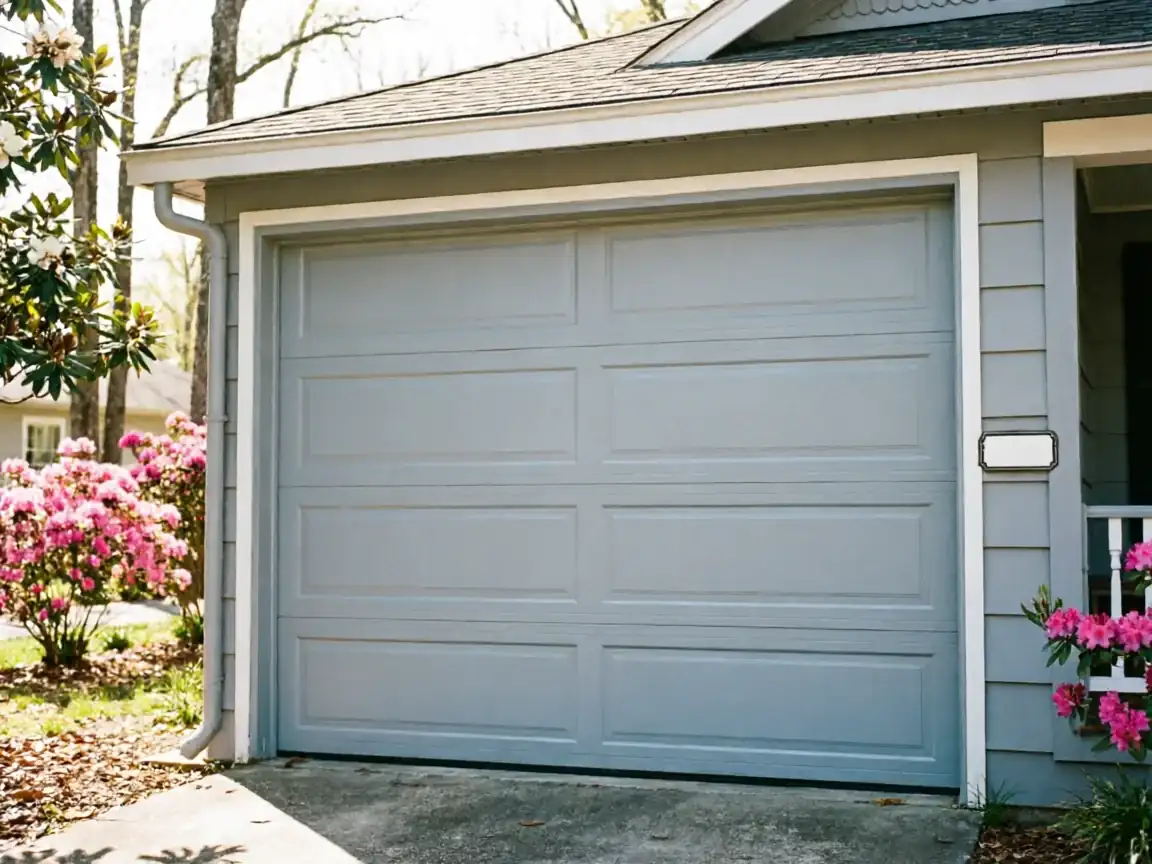
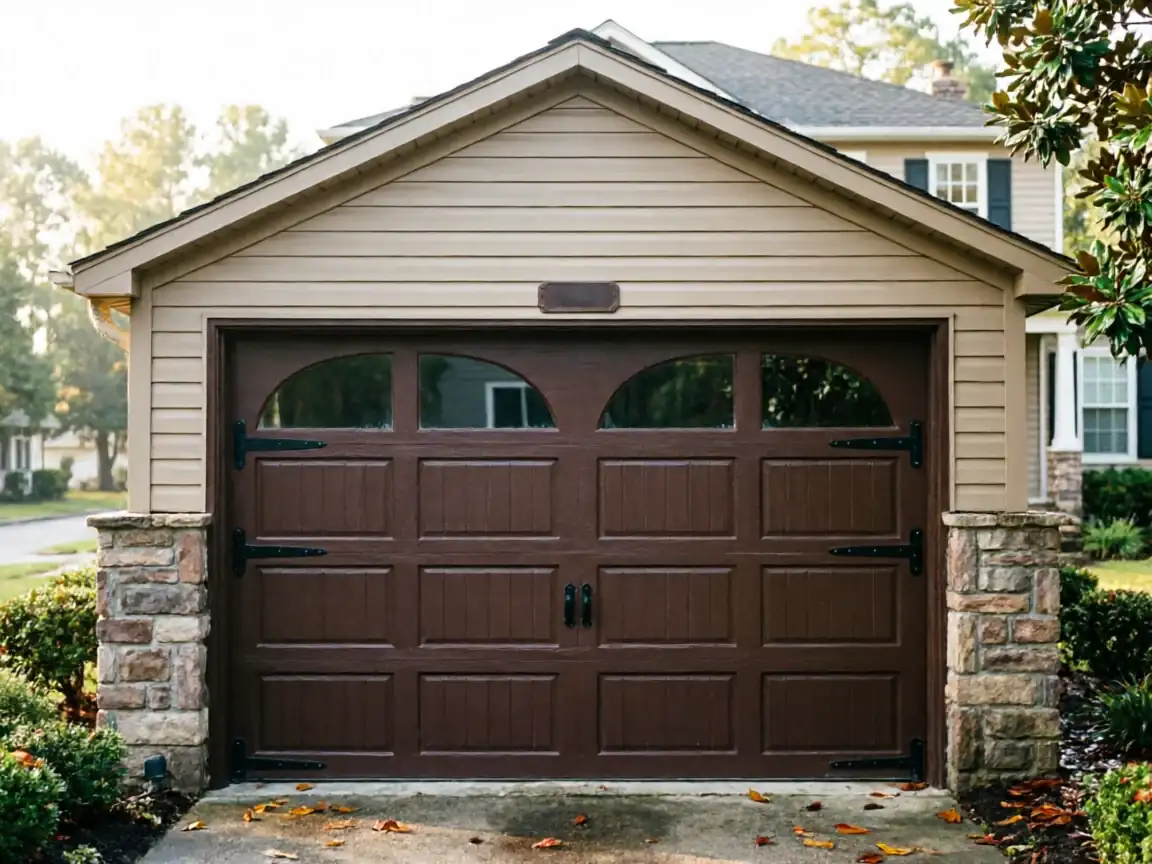
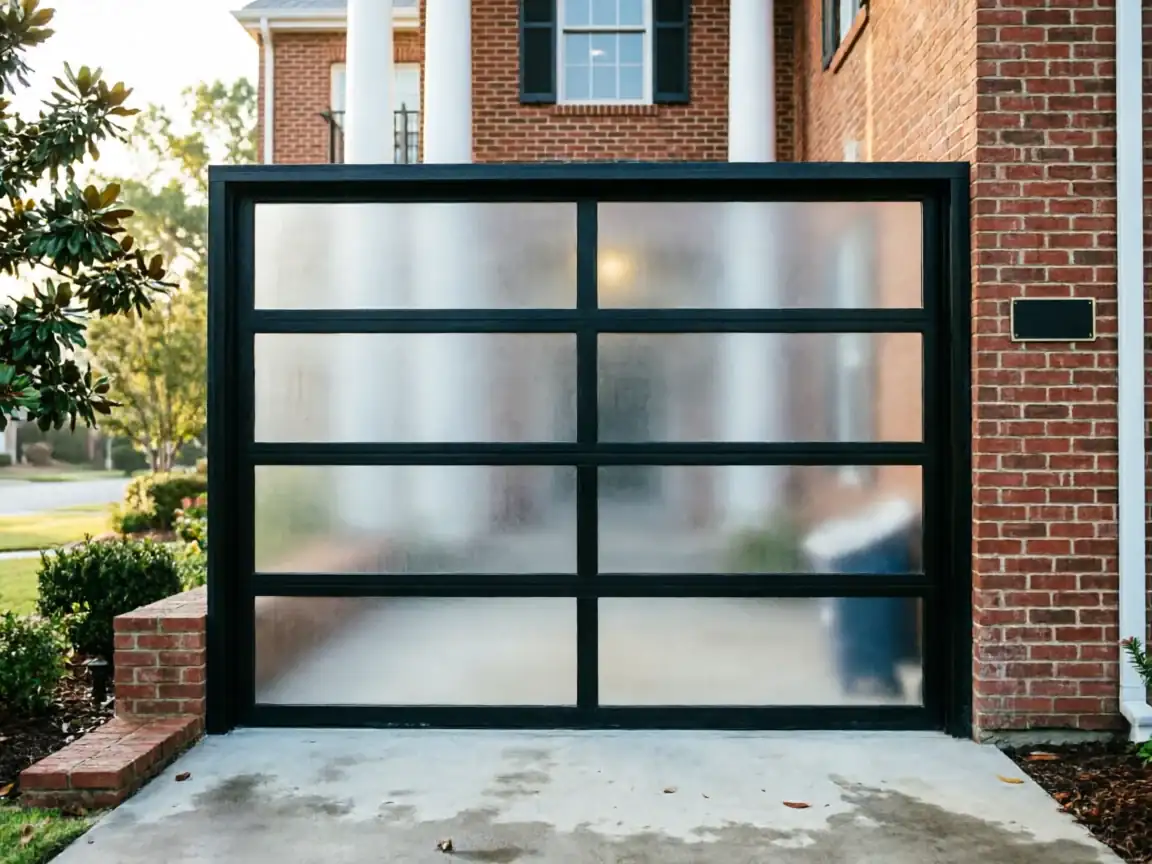
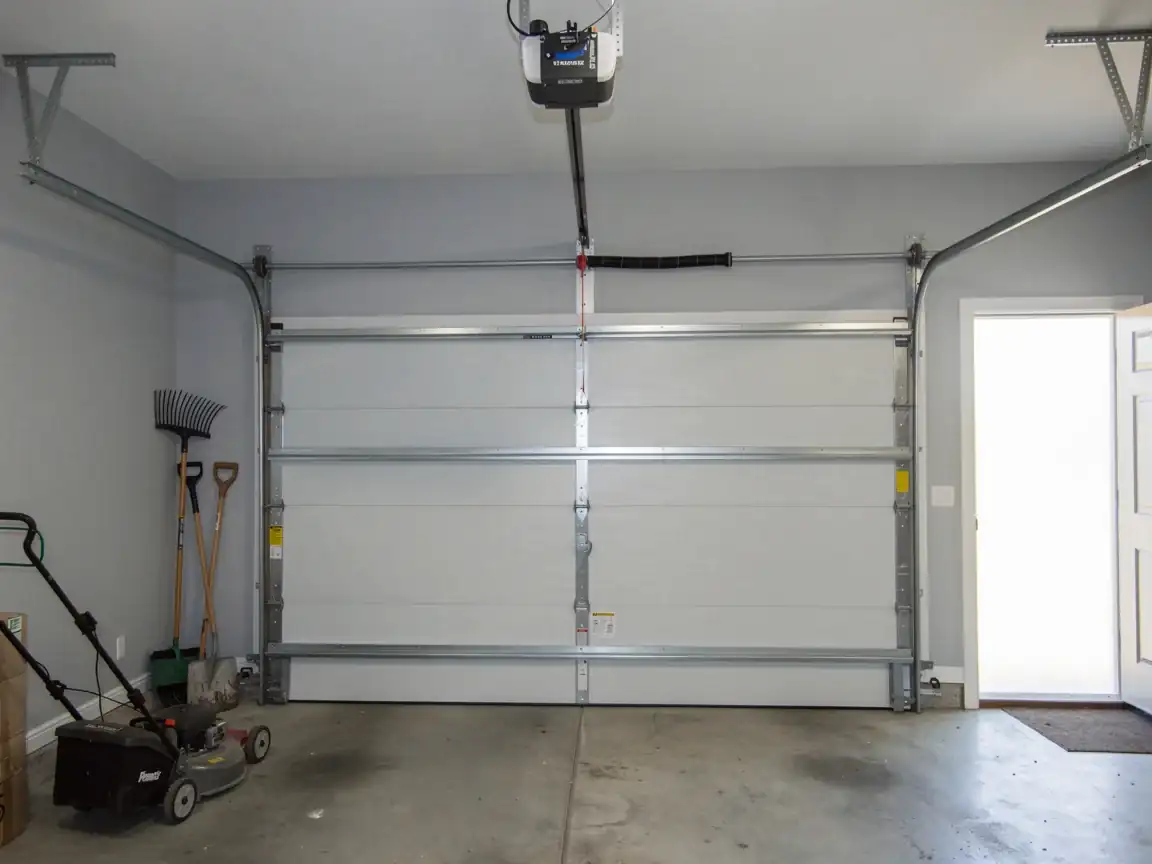
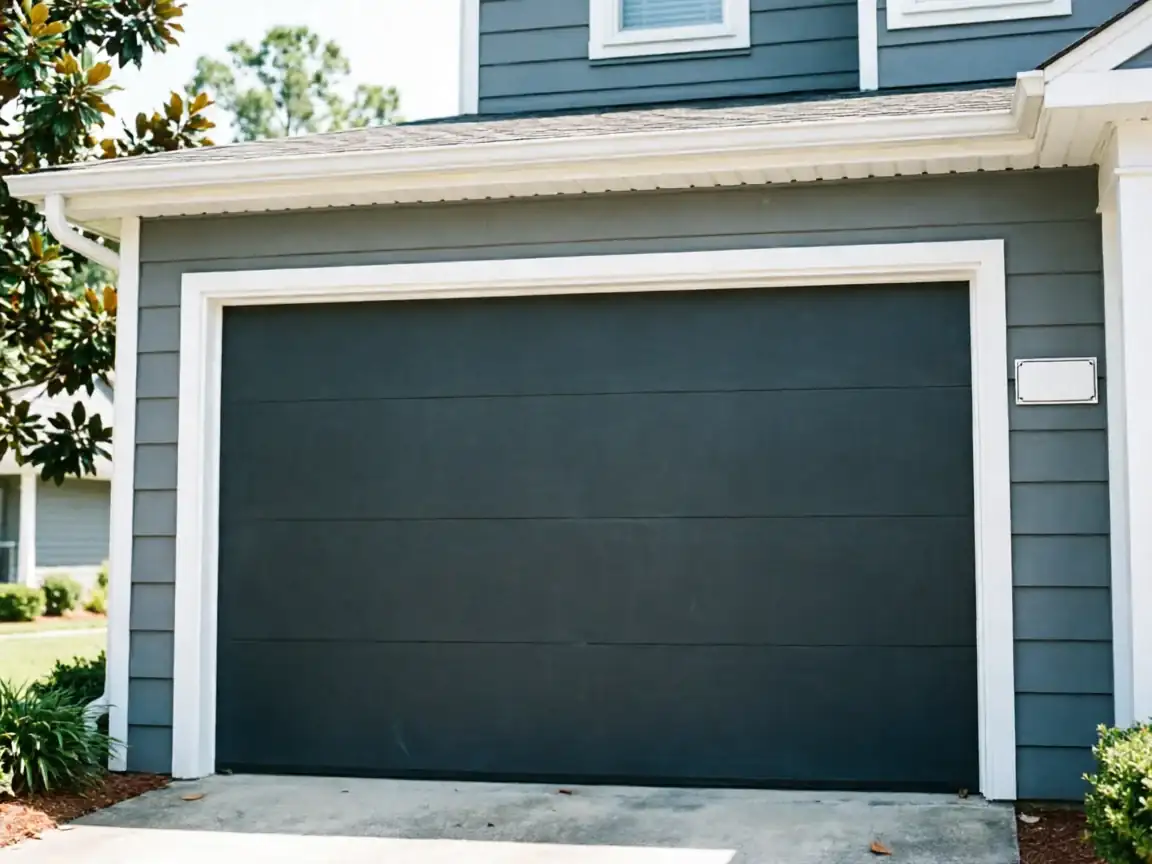
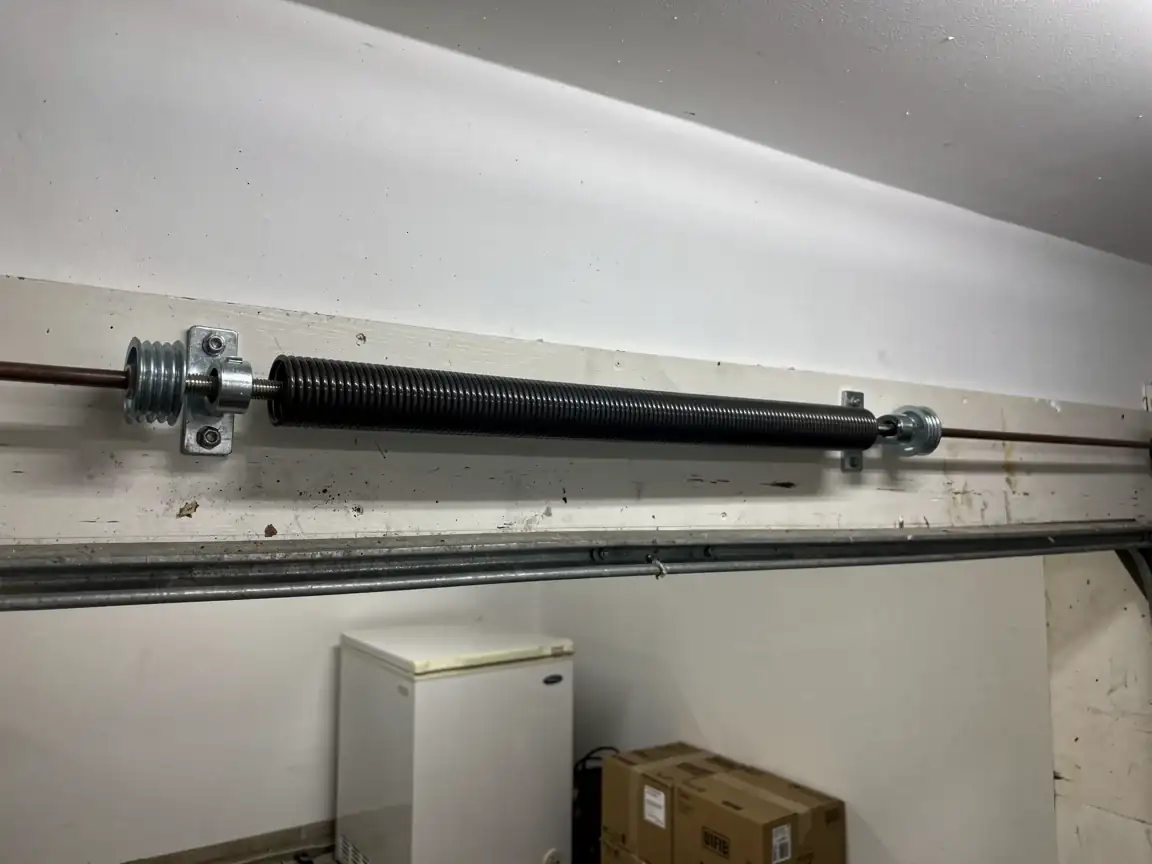
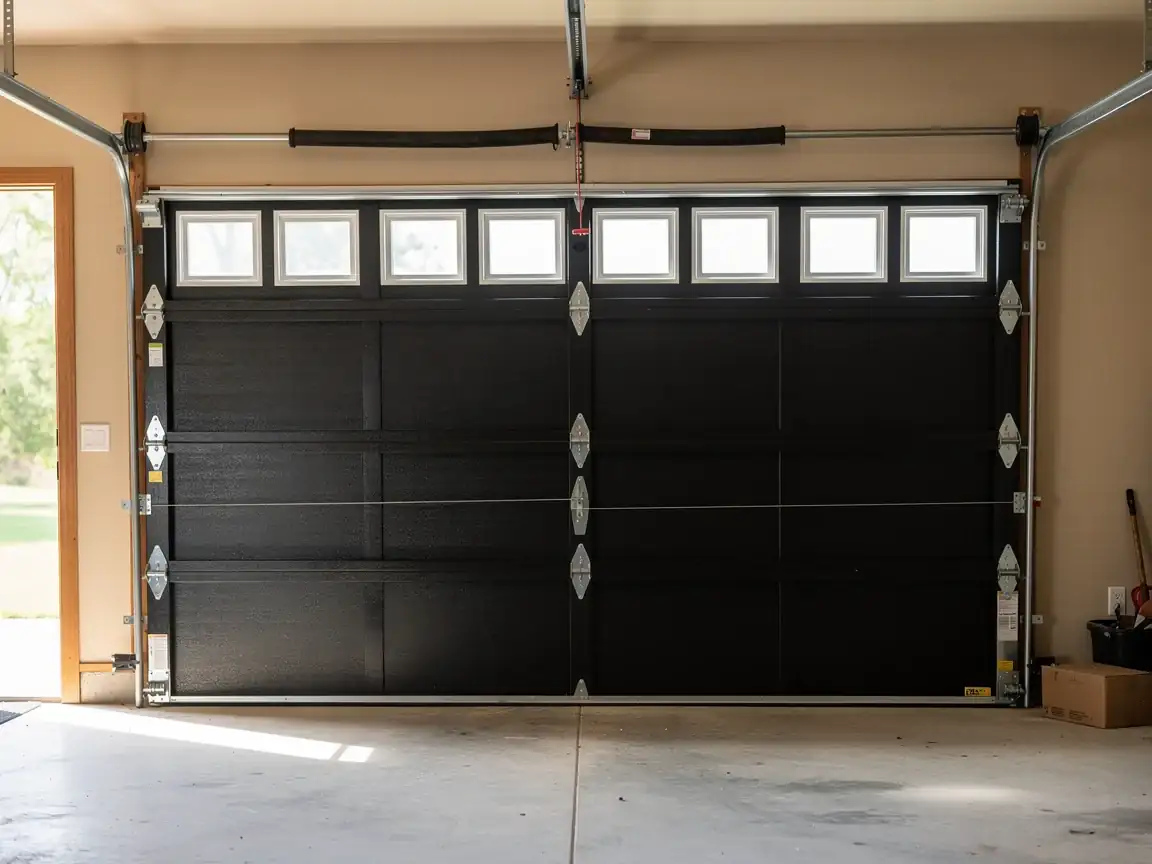
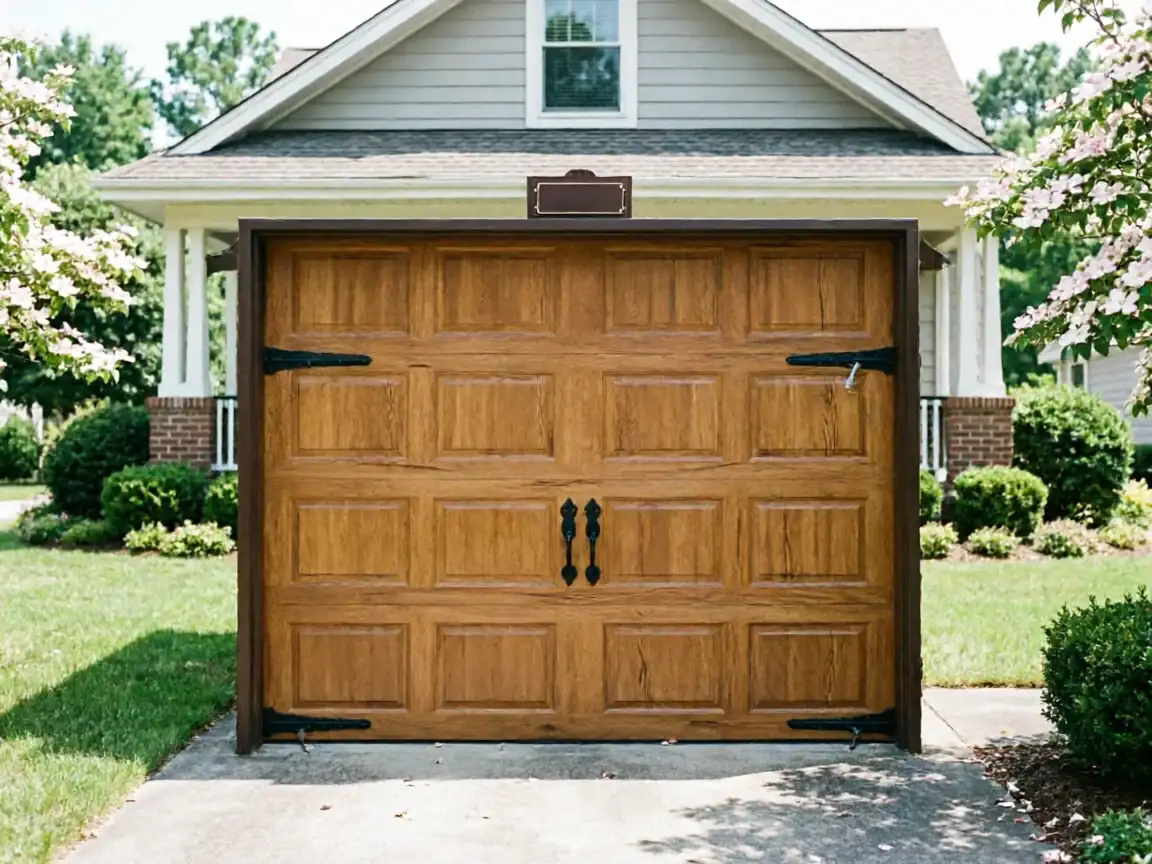
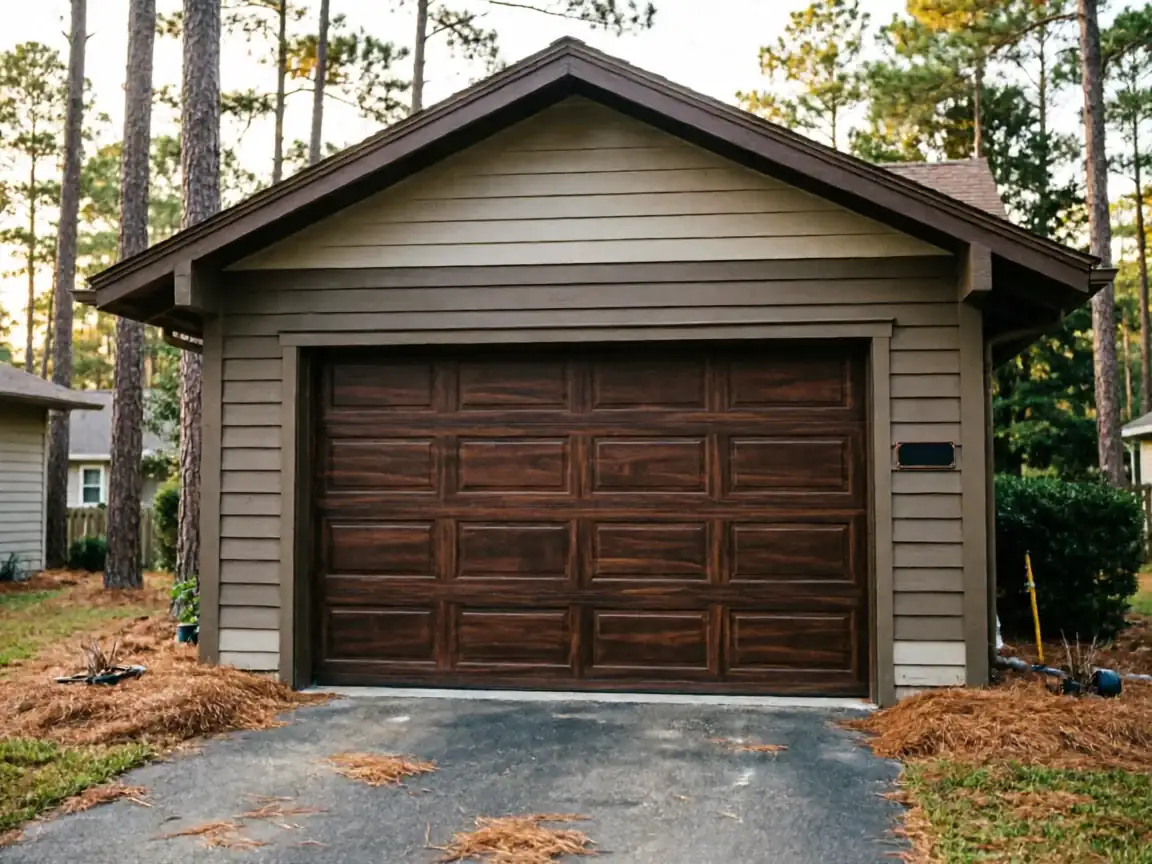
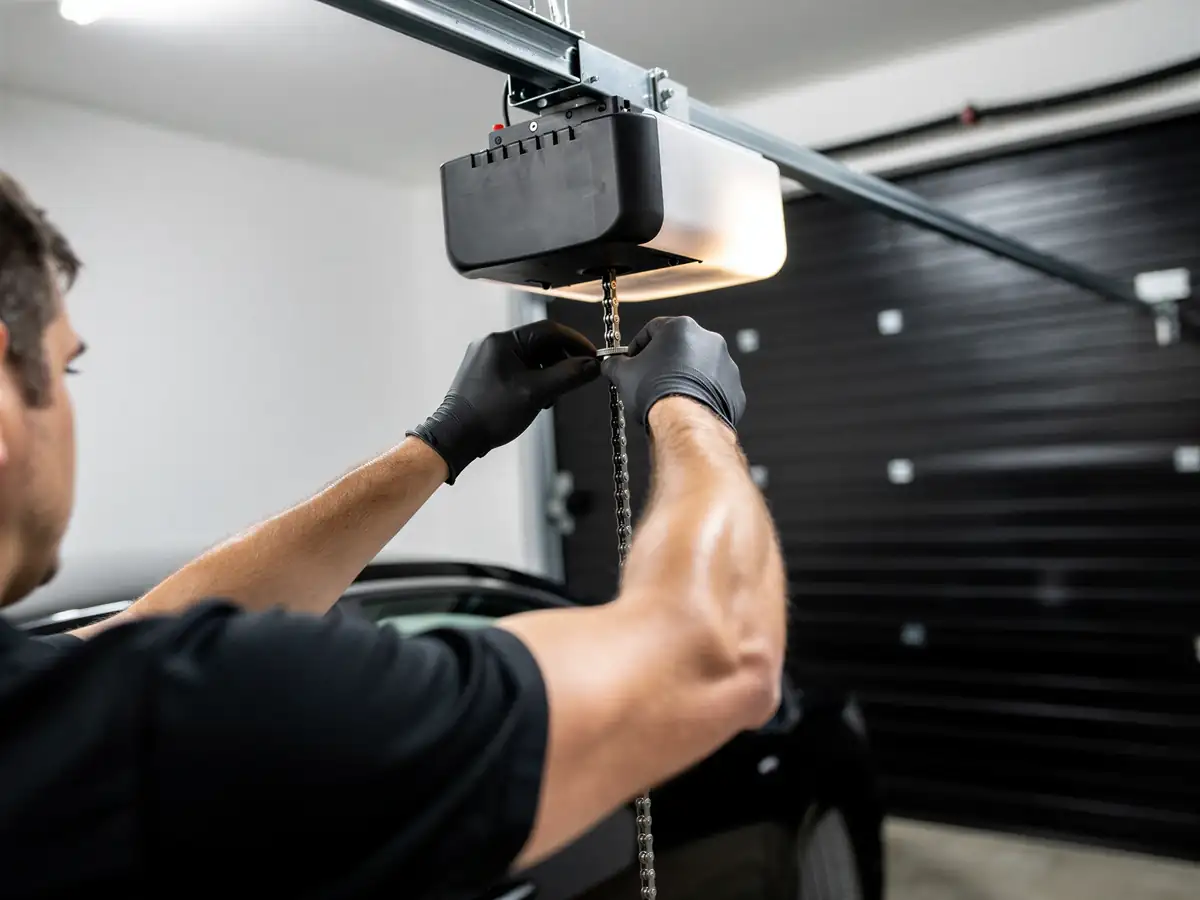
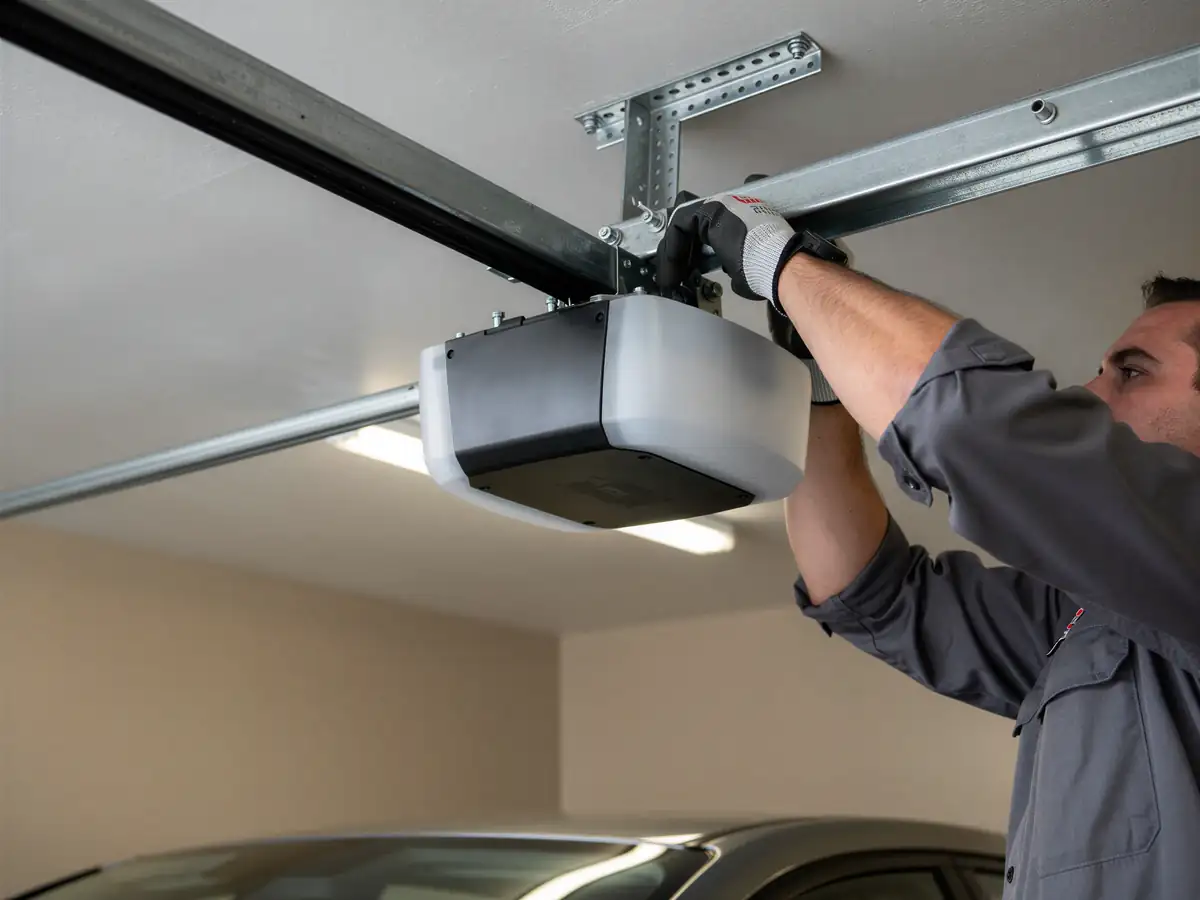
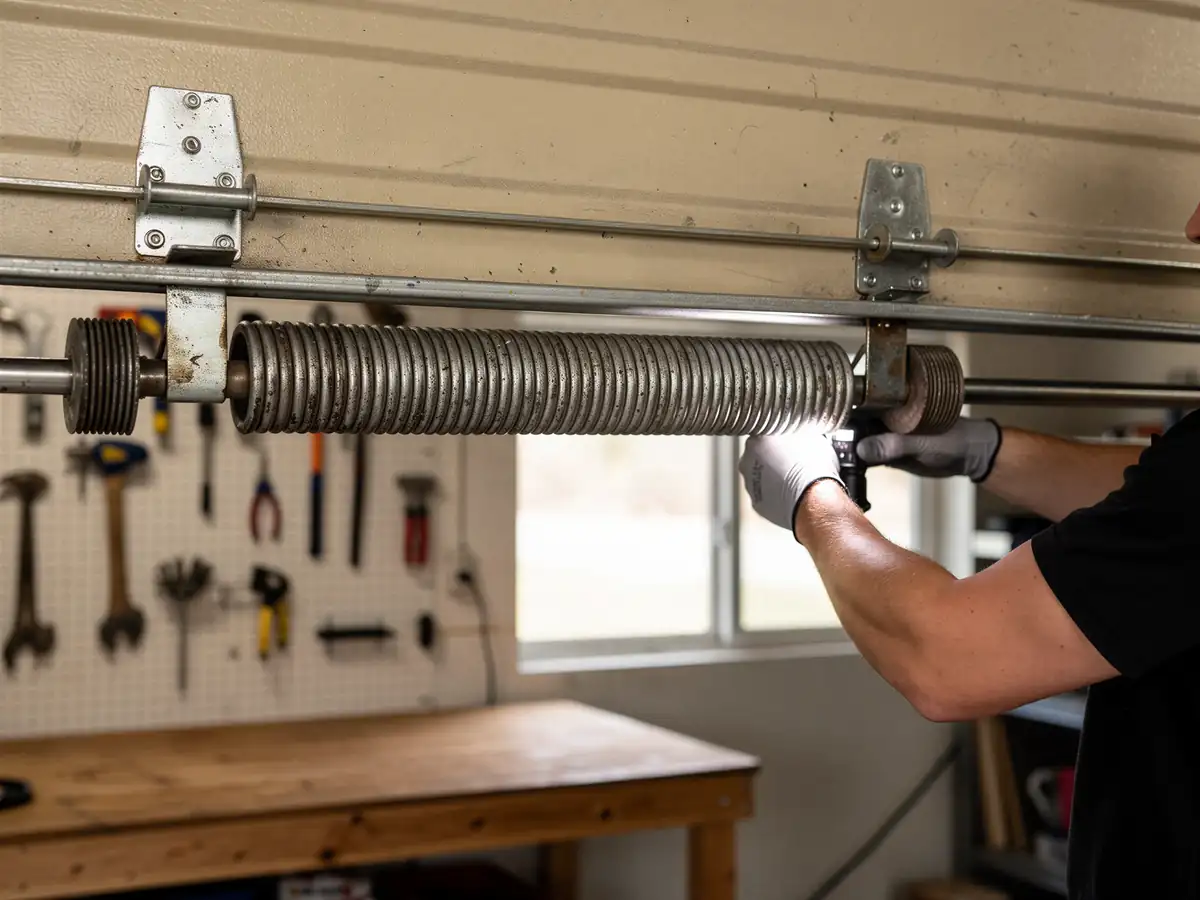
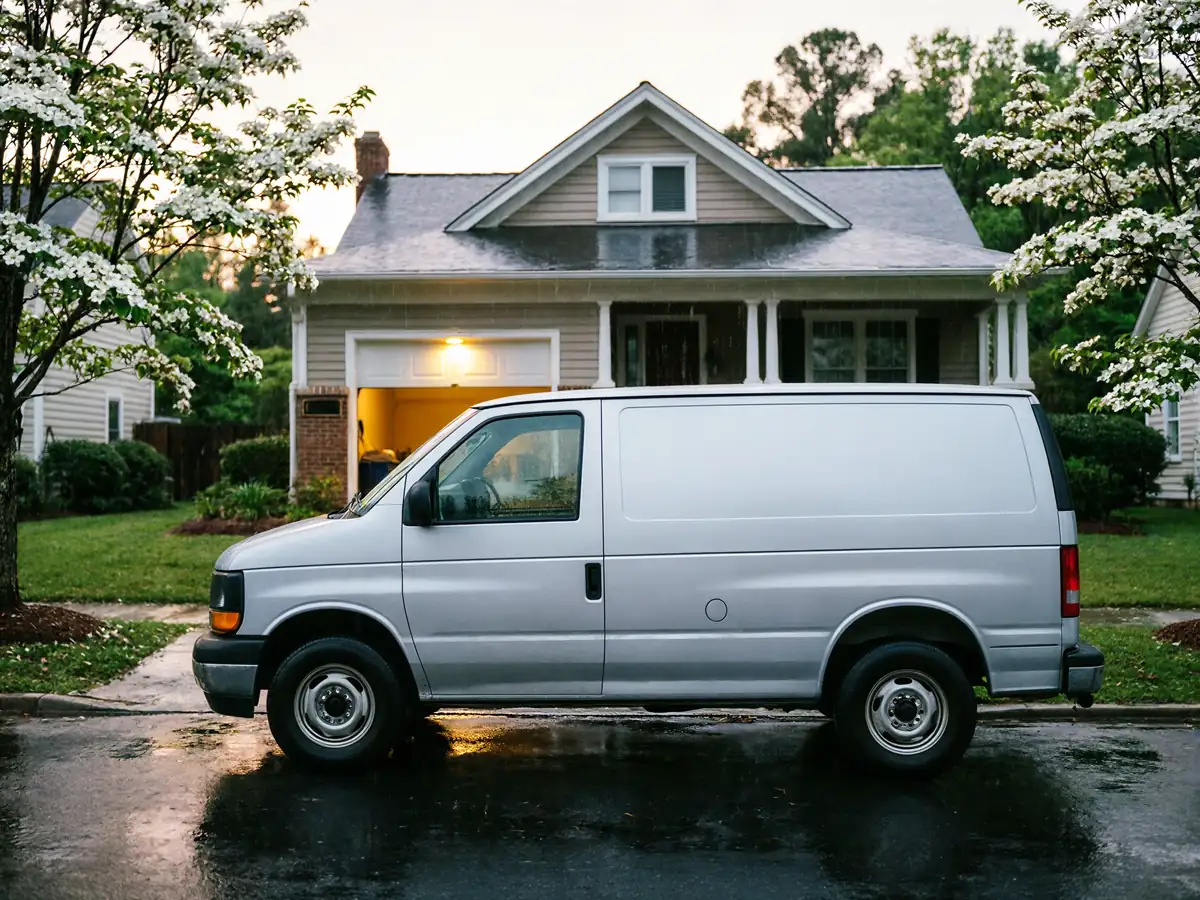
For a straight swap on a 1997-era Angier house, the truck carries steel sectional panels in the standard 8 or 16-foot widths, torsion springs rated to the door weight rather than one-size-fits-all, galvanized track sections, and new rollers and cable to match. Most of these homes took a single-spring setup from the factory, which is fine for a single door but undersized once a homeowner wants a heavier insulated panel on a double - we carry the heavier-gauge springs and the extension brackets that upgrade calls for. Openers on the truck run from basic chain-drive units up through belt-drive models with battery backup, which matters given the climate band here - cold enough in winter that a dead opener at 6 a.m. in January is a real problem, not a theoretical one. We also carry weatherstrip and bottom seals sized for standard door widths, since a house built in the late '90s usually still has its original seal and it's long past useful. What we don't carry is custom millwork - carriage-style wood doors or anything built to a nonstandard opening gets ordered, not stocked.
Why It Happens Here
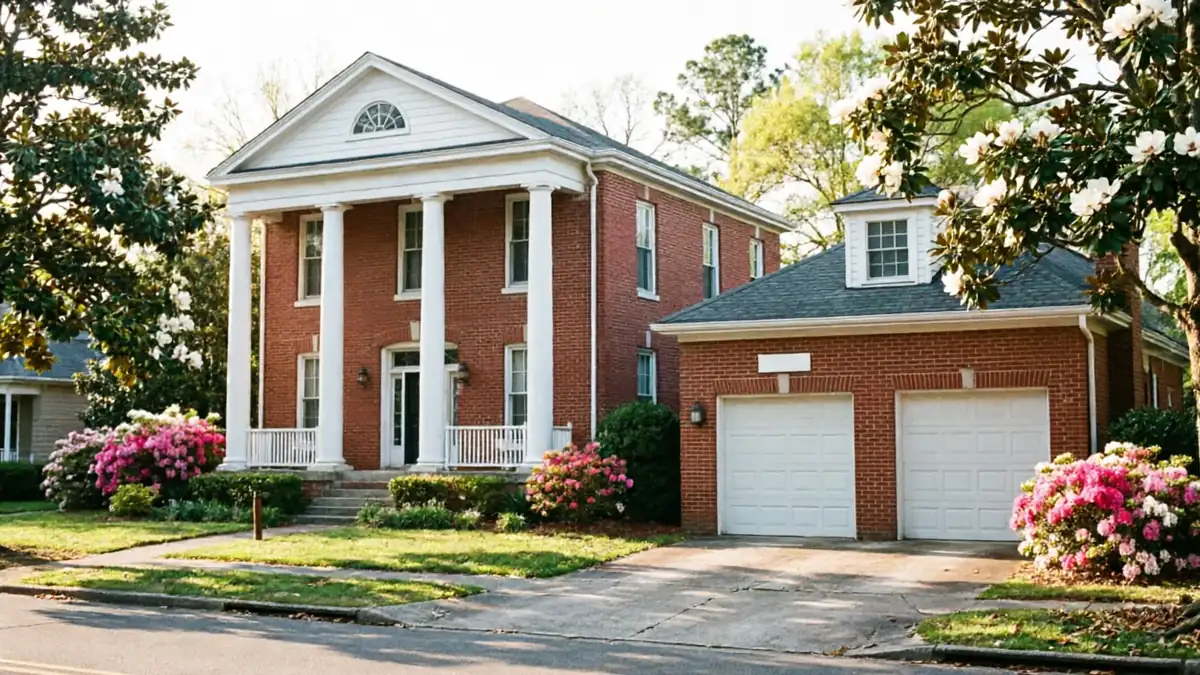
Angier's roughly 2,532 households sit on the newer end of the area's housing timeline - median build year near 1997, versus 1979 across the wider Fuquay-Varina service territory and its 9,860 households. Newer doesn't mean problem-free. A door and opener installed in 1997 is closing in on 30 years of cycles, and builder-grade hardware from that period wasn't built to last three decades - it was built to pass inspection and get the house sold. Add a cold-moderate climate band, where temperature swings stress spring steel and shrink or swell wood jambs each winter, and original equipment starts failing in a predictable window: springs first, then rollers, then the opener's drive gear. Median household income in Angier runs around $51,162, close to but a notch under the wider area's $52,458, which is part of why we see more repair calls than full tear-out replacements here - homeowners often want the door fixed once before they're ready to replace it outright. That's a reasonable call on a door with good bones. It's not the right call once the frame itself is bowed or the track is bent beyond re-aligning.
How to Book
We run jobs in Angier out of Fuquay-Varina, six miles up the road, so booking means picking a day rather than waiting on a local crew that isn't there. Tell us the door width, whether it's a single or double opening, and roughly what's failing - spring, opener, or the panels themselves - and we can usually tell you over the phone whether it's a repair or a full replacement before a truck ever leaves. If the issue sounds like a repair rather than new installation, our Angier garage door repair page covers that work specifically, including the springs and opener fixes that are more common on 1997-era doors than full tear-outs. If you're outside Angier but still in the Fuquay-Varina service area, the general installation page covers that wider footprint and its different housing mix.
The DIY Question
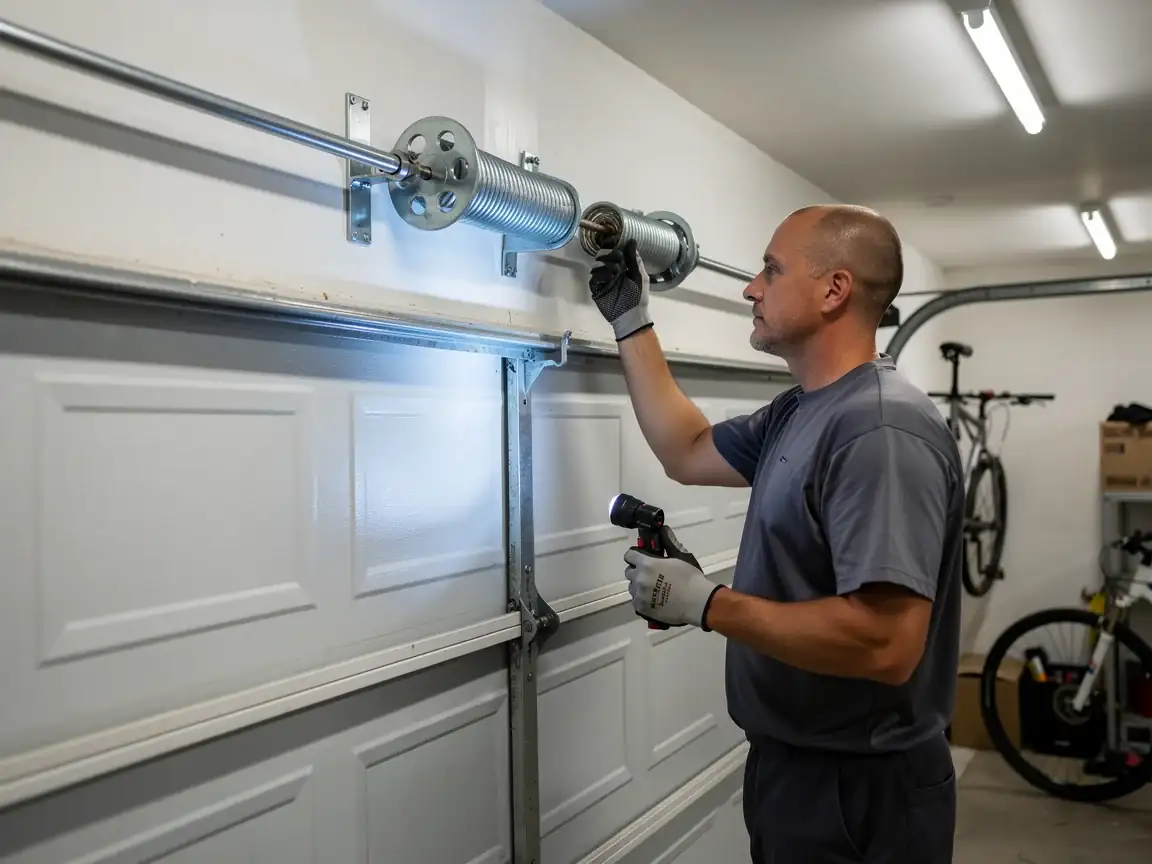
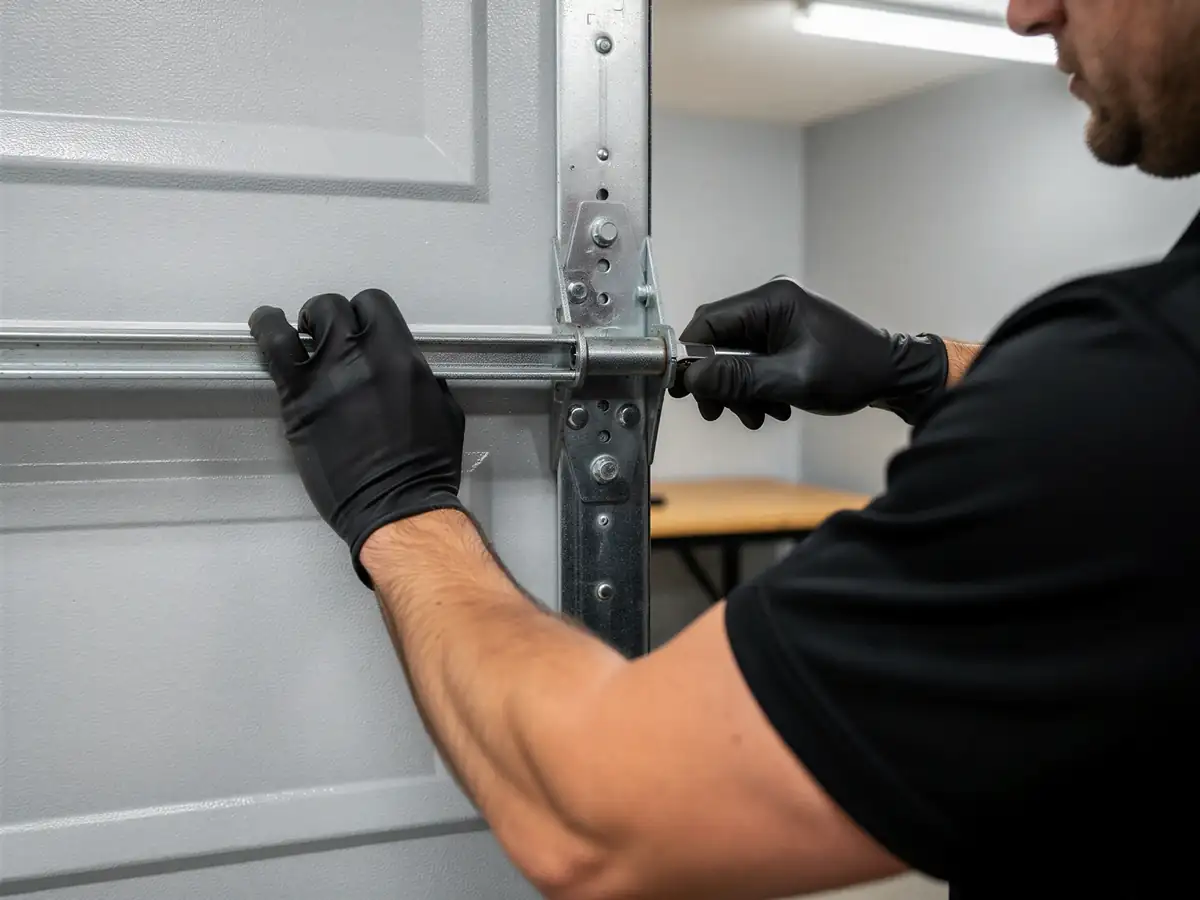
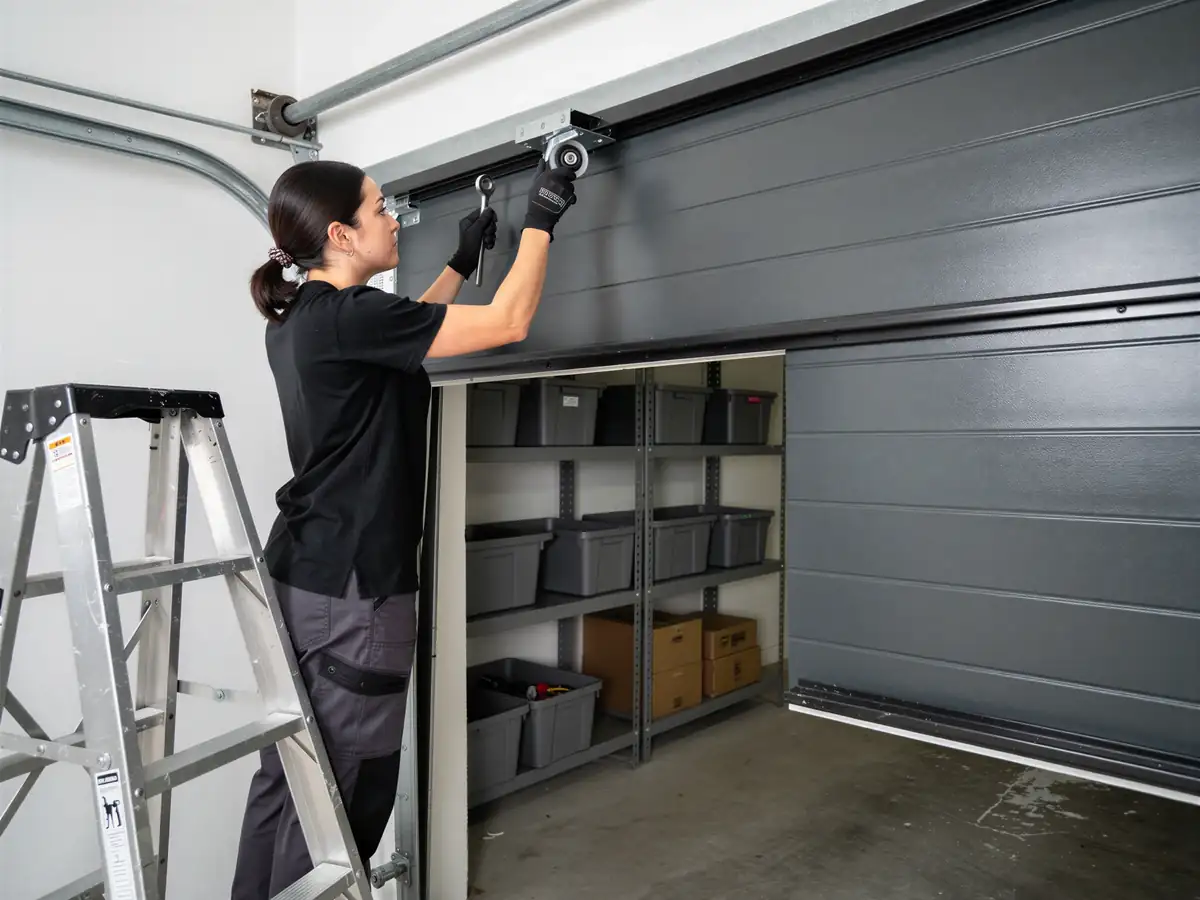
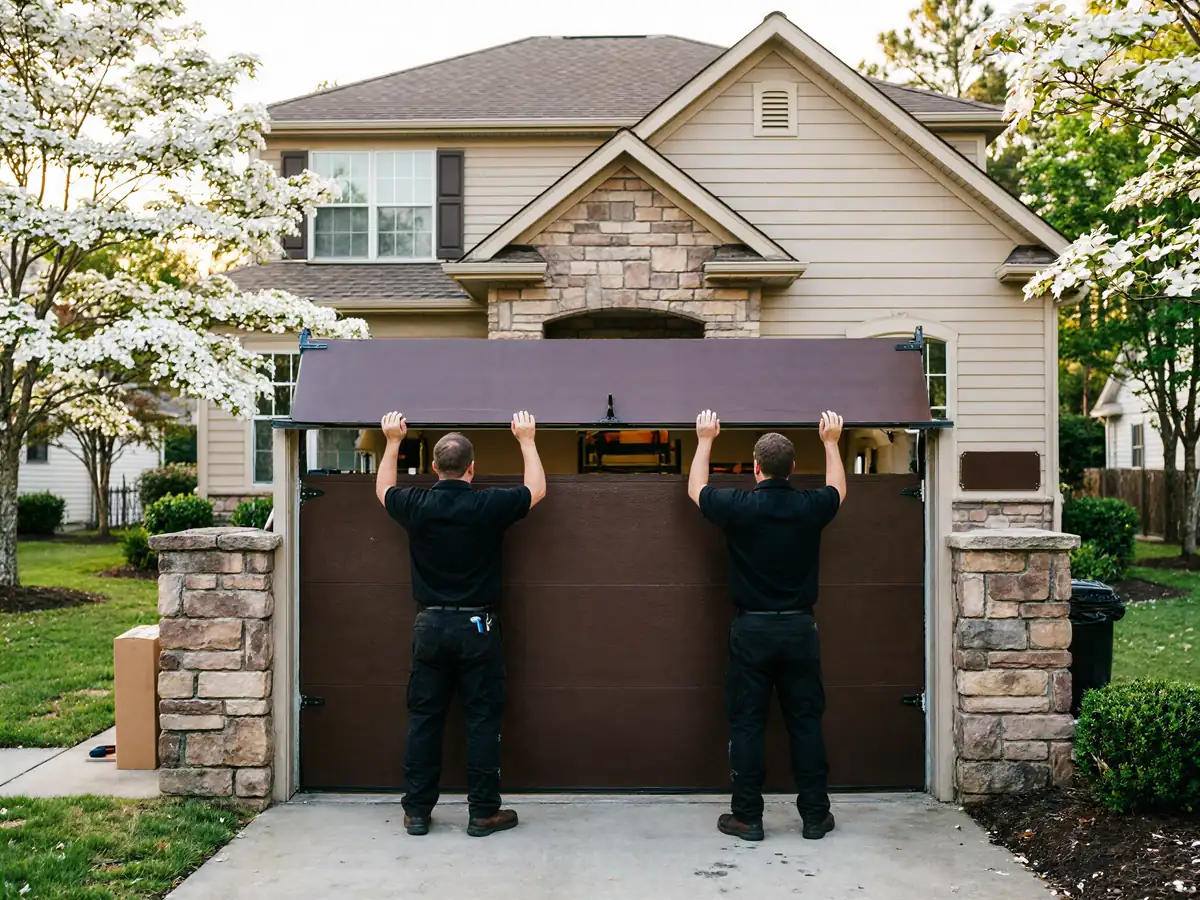
Swapping panels on a steel sectional door is within reach for a handy homeowner, provided the track and springs are fine and it's just cosmetic damage to one or two sections. What isn't a DIY job is the spring itself. A torsion spring on a 16-foot double door is wound under enough tension to break bones if it lets go while you're working on it, and that's true whether the door is brand new or pushing 30 years old like a lot of what's in Angier. We also wouldn't recommend a homeowner try to square up a sagging header before setting new track - get that checked by someone who does framing work, then call us for the door once it's solid. Where we draw our own line: if the opening itself is out of square by more than an inch or two, or the damage goes past the door into the framing, that's a bigger job than an installation call, and we'll tell you that honestly rather than force a door into an opening that won't take it square.