What the Fix Involves
Angier is different from a lot of what we cover
The service area as a whole has a median build year of 1979, with houses going back to 1959, but Angier's own housing centers on 1997 - call it a generation newer. That matters for roller work because it tells us what's actually failing before we even open the truck.
A door built in the late 1990s almost always shipped with cheap stamped-steel rollers on steel stems, no bearing, running in a track that's held up fine but was never greased again after installation
After twenty-some years of daily cycling, those rollers wear an oval groove into the track or the stem snaps clean at the hub. That's a different failure than what you get on a 1960s house with sagging wood-track hardware - it's a newer problem with an older cause, which is neglect, not design.
The fix itself is straightforward
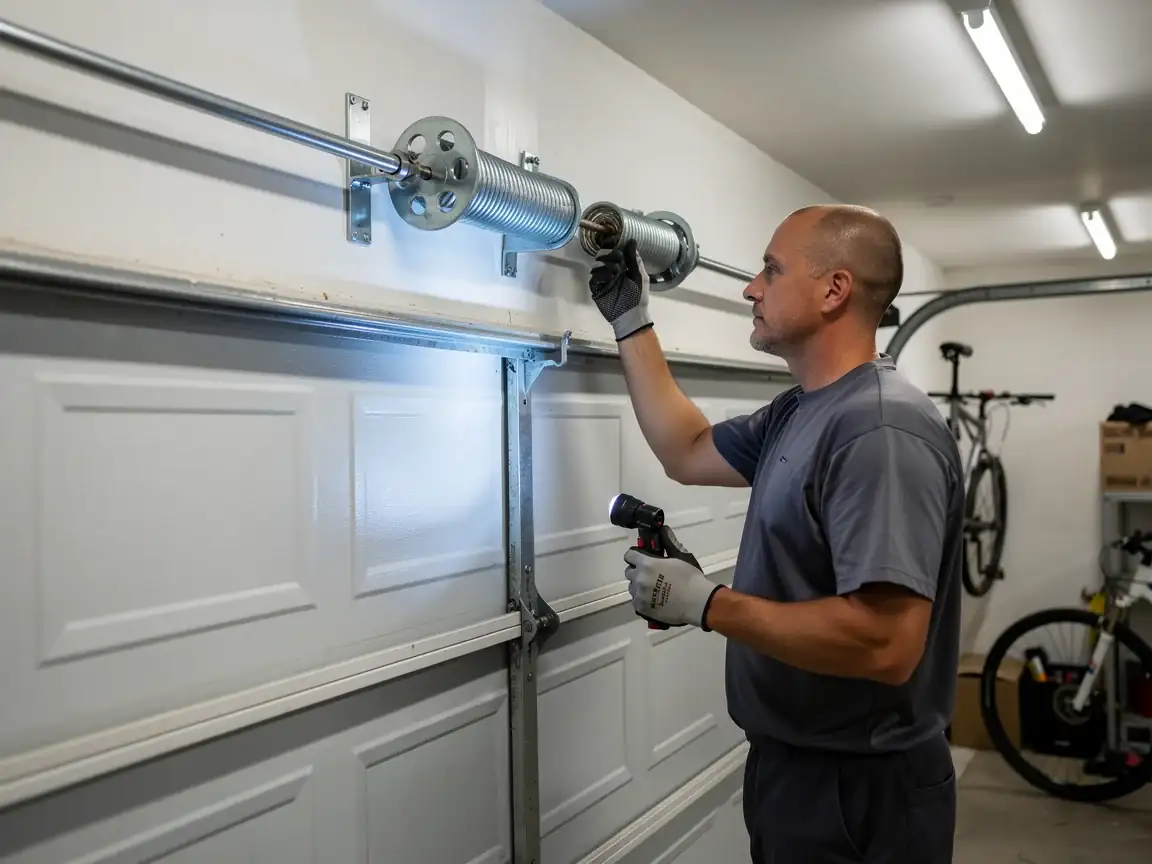
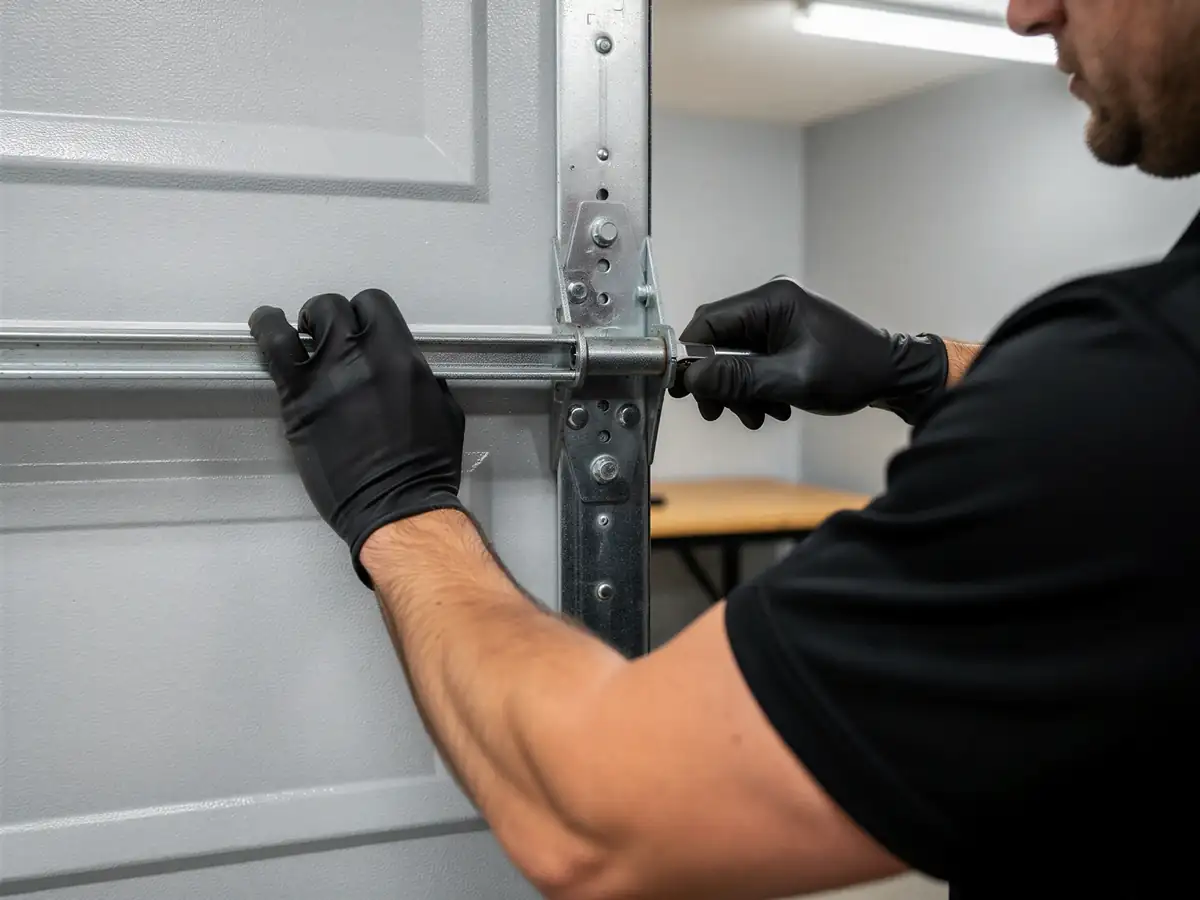
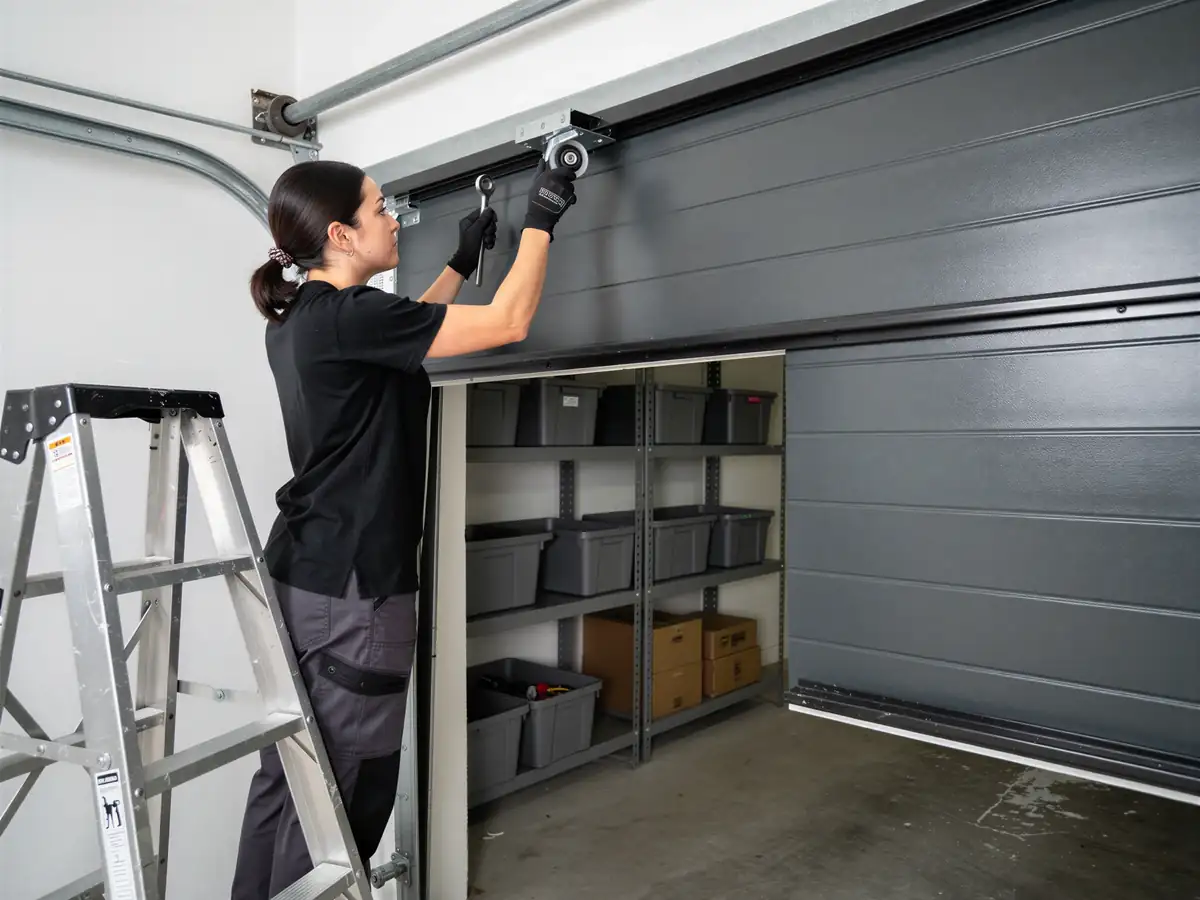
Pull the old rollers, check the track for the wear groove or bent flange that caused them to go, and set new rollers - usually nylon with sealed bearings if the owner wants quiet, steel if they don't care. If the track's been chewed up, that gets addressed too, because a new roller in a bad track just wears out again in a year.
What Is on the Truck
We carry both steel and nylon rollers in the common stem lengths and pin sizes that fit the builder-grade doors common to homes from Angier's main build era. Sealed-bearing nylon rollers are the ones we reach for most on newer stock like this, since the quieter ride is what most owners from this period of construction ask about when they call.
We also carry short sections of track and the fasteners to re-hang a bent flange, since worn rollers and chewed track tend to show up together. What we don't carry is every obscure roller size - some oddball stem lengths from older or imported doors need to be special-ordered, and if that's what's on your door, we'll tell you upfront rather than make you wait on the truck for parts that aren't there.
Why It Happens Here
The service area runs cold-moderate, which in practical terms means a real winter with some hard freezes but nothing extreme. That swings the roller and track metal with the seasons - contraction in January, expansion in July - and on a door that's gone two decades without lubrication, that cycling is what finally cracks a stem or deepens a groove in the track.
Angier's households skew toward 2,532 homes with a median income of $51,162, and across the broader service area the median sits close to that at $52,458. That's relevant mainly because it tracks with what we see on the job: these are owner-occupied, builder-grade doors that got installed once and left alone, not doors that have had a service contract keeping rollers greased every year. The rollers fail on schedule, not from abuse.
Where This Job Goes Sideways
The job goes sideways when a roller failure gets ignored long enough to bend the track
And the owner calls for "a roller" but actually needs a track section re-aligned or replaced. On a door this age, that's common - once a stem snaps, the panel can drop unevenly for weeks before anyone notices, and that uneven travel is what warps the track rail.
It also goes sideways on the top roller near the opener arm
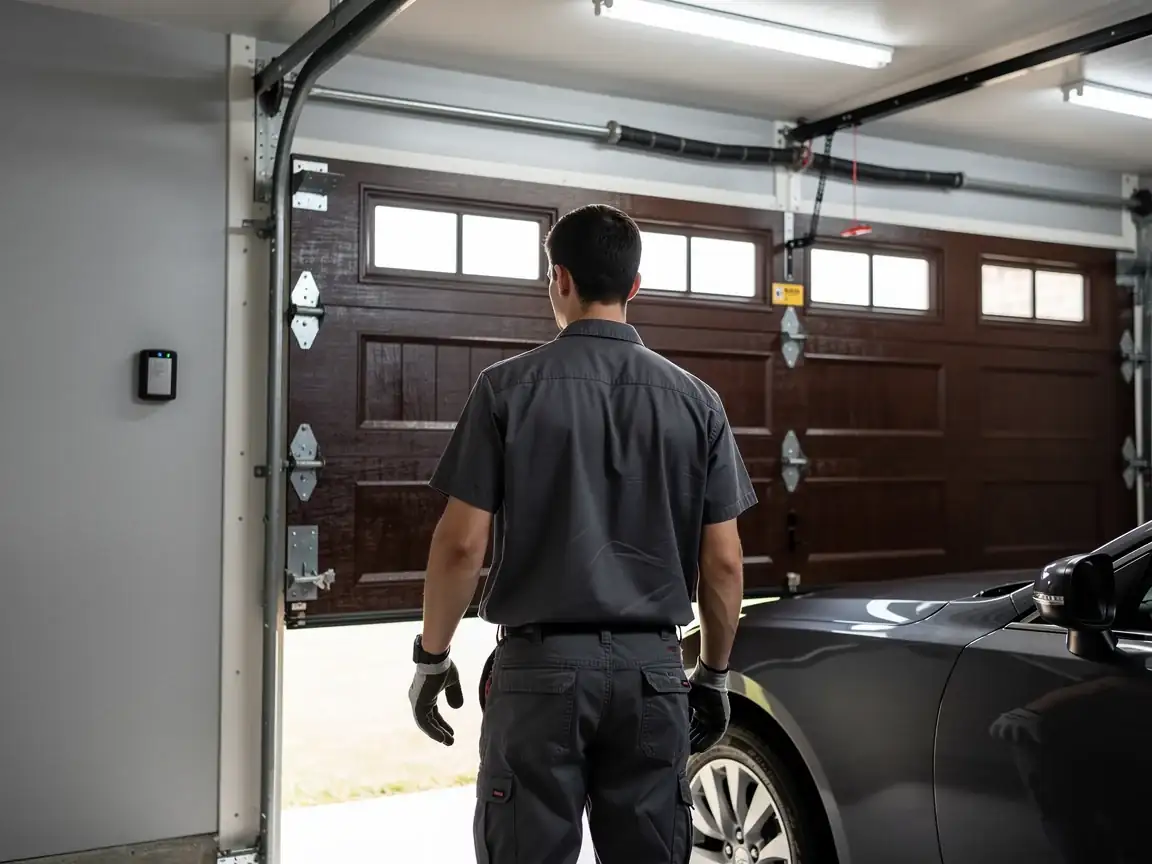
Since that one carries more load on lighter builder-grade doors and tends to be the first to go. If that roller's already pulled the hinge loose from the panel, you're not looking at a roller swap anymore - you're looking at a hinge and possibly a panel repair. We'll always check the whole run of rollers and the hinges before quoting, not just the one that's grinding.
How to Book
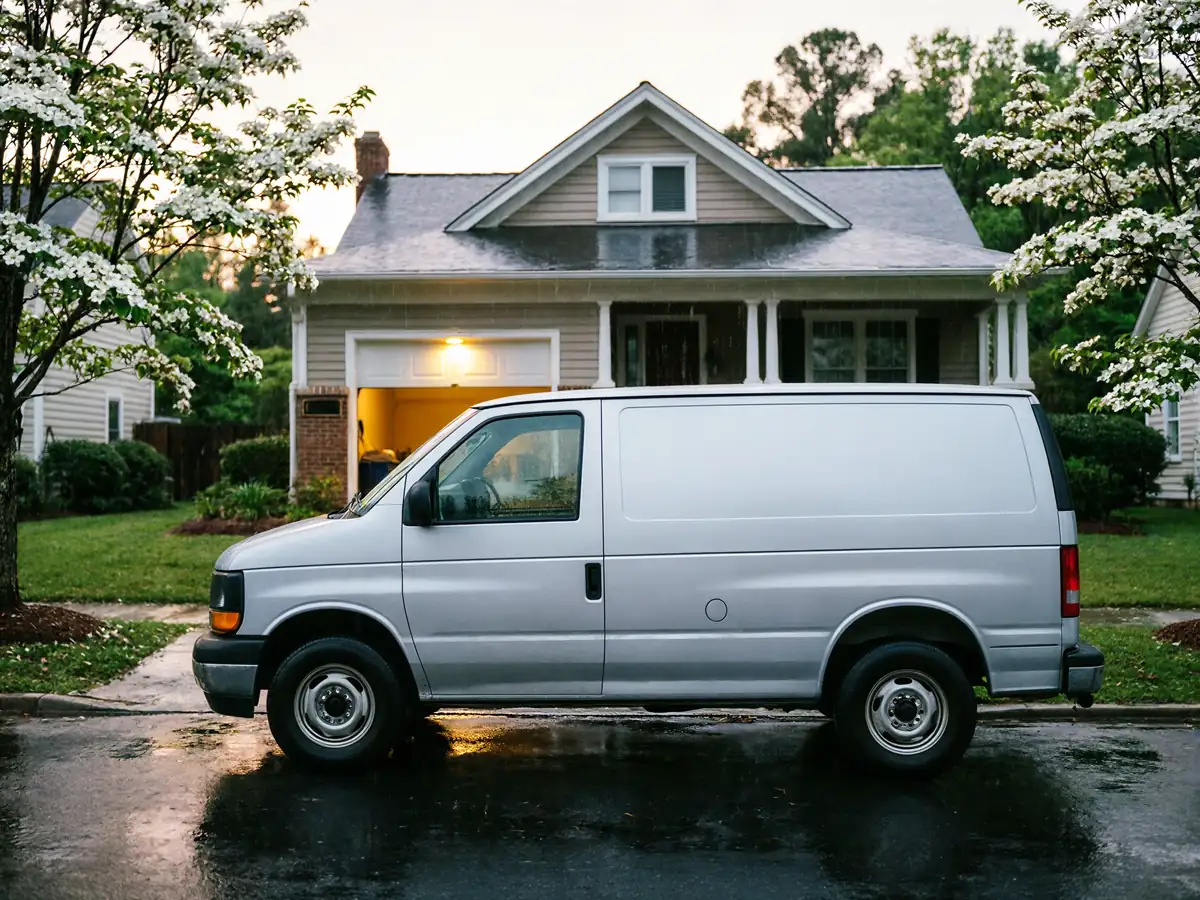
We run out to Angier from our base in Fuquay-Varina - it's a 6-mile drive, so it's a routine trip for us, not a special one. Call and describe what you're hearing: a grinding or popping sound usually means a roller, while a door that's binding or jumping the track points to something further along. For the full repair menu beyond rollers, see our Angier garage door repair page.
The DIY Question
Swapping a roller on an open, unloaded section isn't hard if the door is down, the opener's disconnected, and you're not working on the bottom section near the cables - that one can snap back under spring tension and that's not a DIY move. If you're already comfortable with a socket set and you've got the right stem length in hand, a single roller swap is reasonable to do yourself.
Where we'd tell you to stop is if the track's bent, if more than one roller's gone, or if you're not sure which stem length your door uses - ordering the wrong part twice costs more than the call would have. And if the door's original to a 1997-era build and showing wear across the board, sometimes a full roller set plus a track check is the better use of the visit than patching one at a time. For the broader comparison of roller work against full replacement, see roller replacement in Fuquay-Varina.