The DIY Question
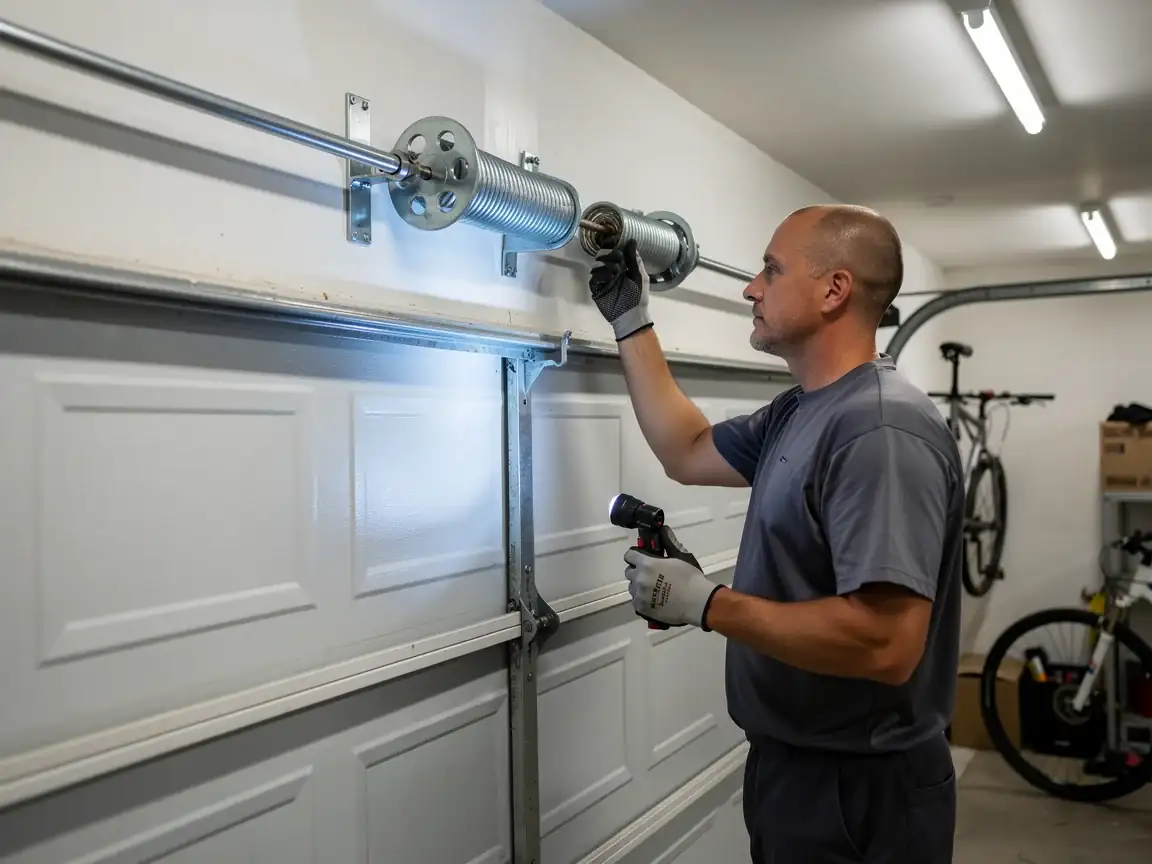
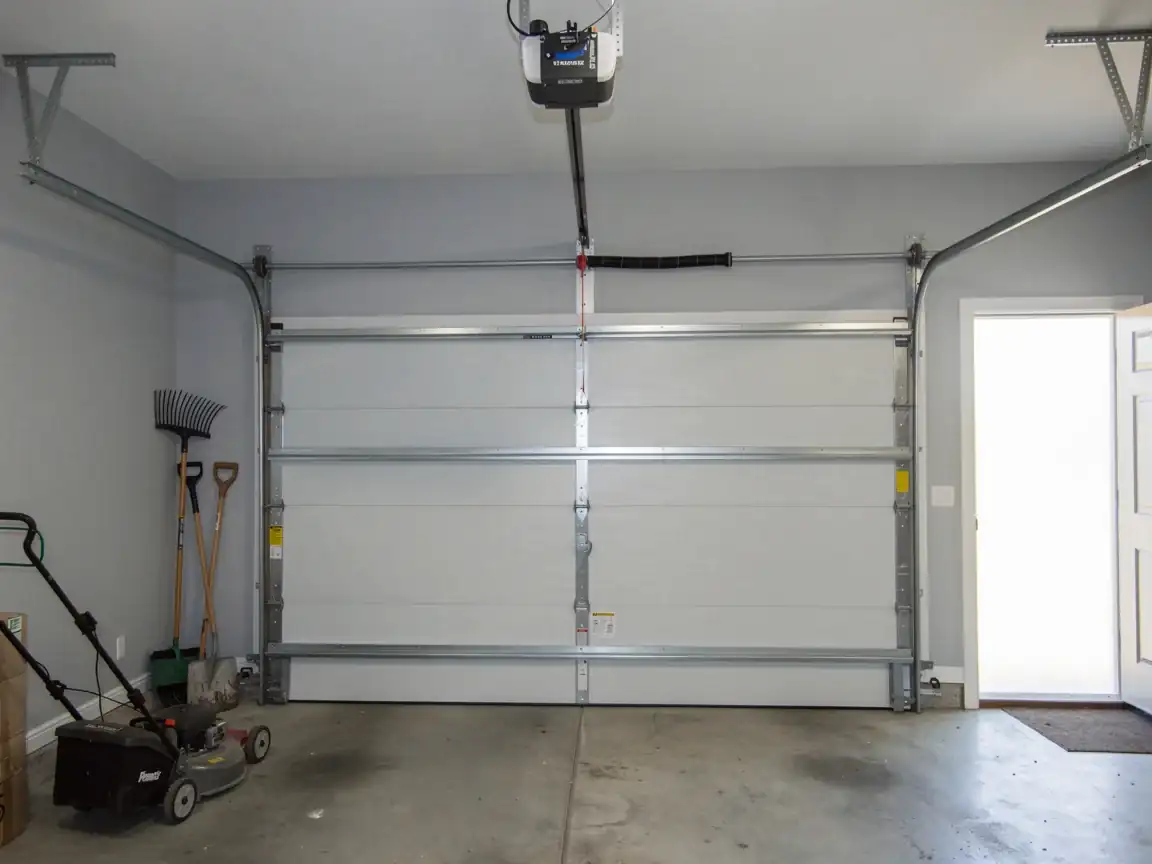
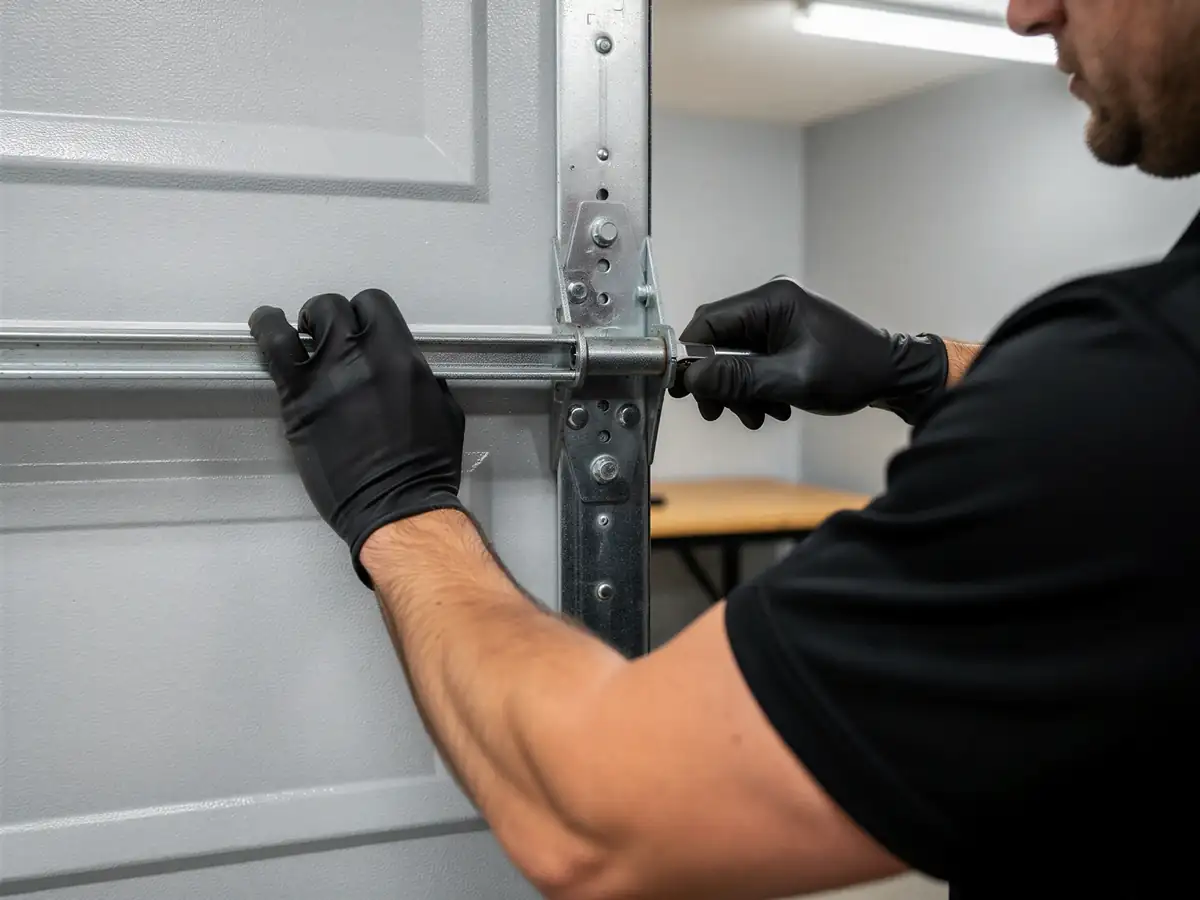
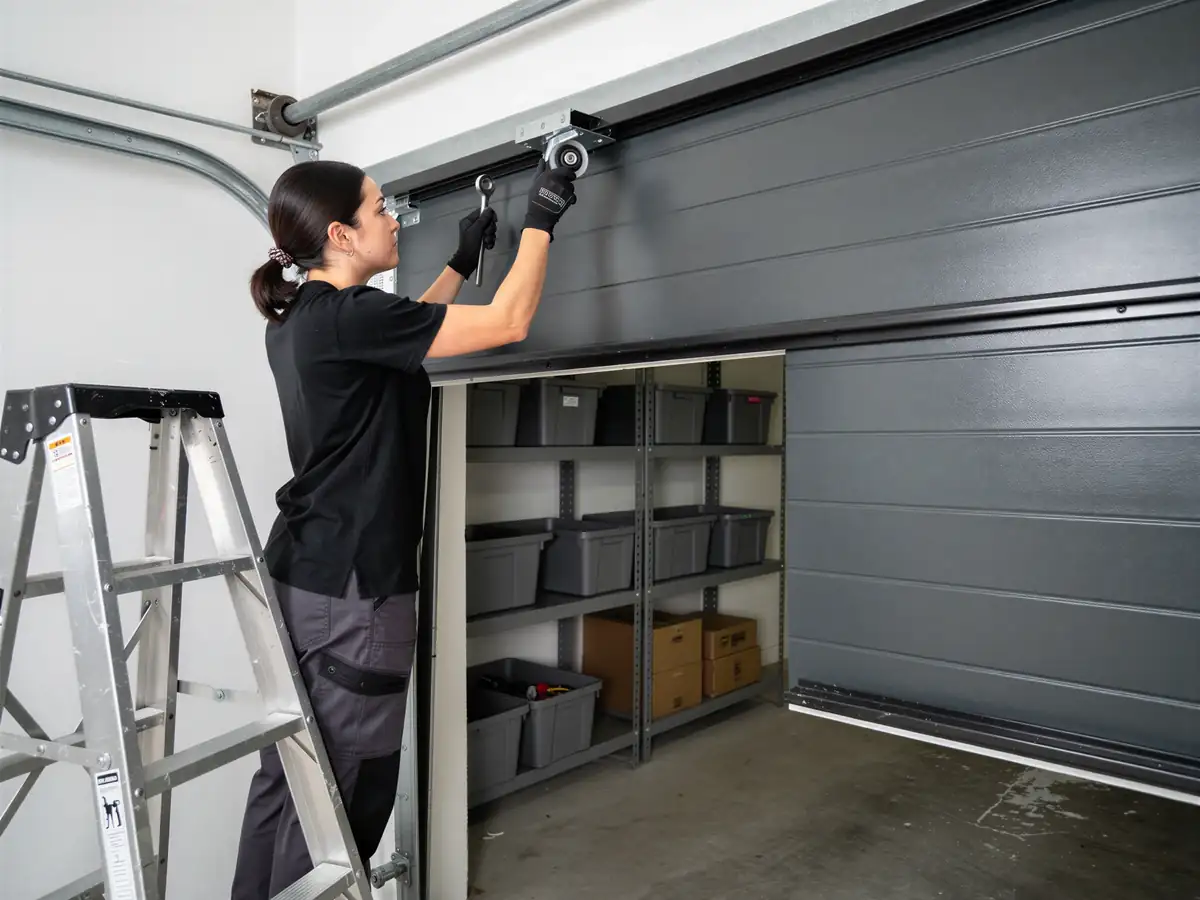
Swapping a single nylon roller on a door that's still rolling, with the door closed and the spring untouched, is within reach for a lot of homeowners - it's a bolt, a bracket, and a wheel. Where it stops being a weekend job is the moment the door needs to come off track to get at the top rollers, or the stem is bent along with the wheel. At that point the door is under spring tension and a slip costs more than the part you were trying to save. Because Lillington's housing stock runs newer - averaging around 2001 - a lot of these doors still have their original factory rollers, which are often all-steel, not the quieter nylon-and-ball-bearing kind that got common later. Steel rollers don't flex the way nylon does, so when one starts binding, the track itself is usually fine; it's the wheel that's worn oval. That's actually the easier repair, if you catch it before the track gets chewed up from the roller dragging. Our honest limitation: we don't talk anyone through this over the phone. If you want to try it yourself, that's your call, but we won't walk you through disconnecting a door from spring tension without being there.
How Long You Are Without the Door
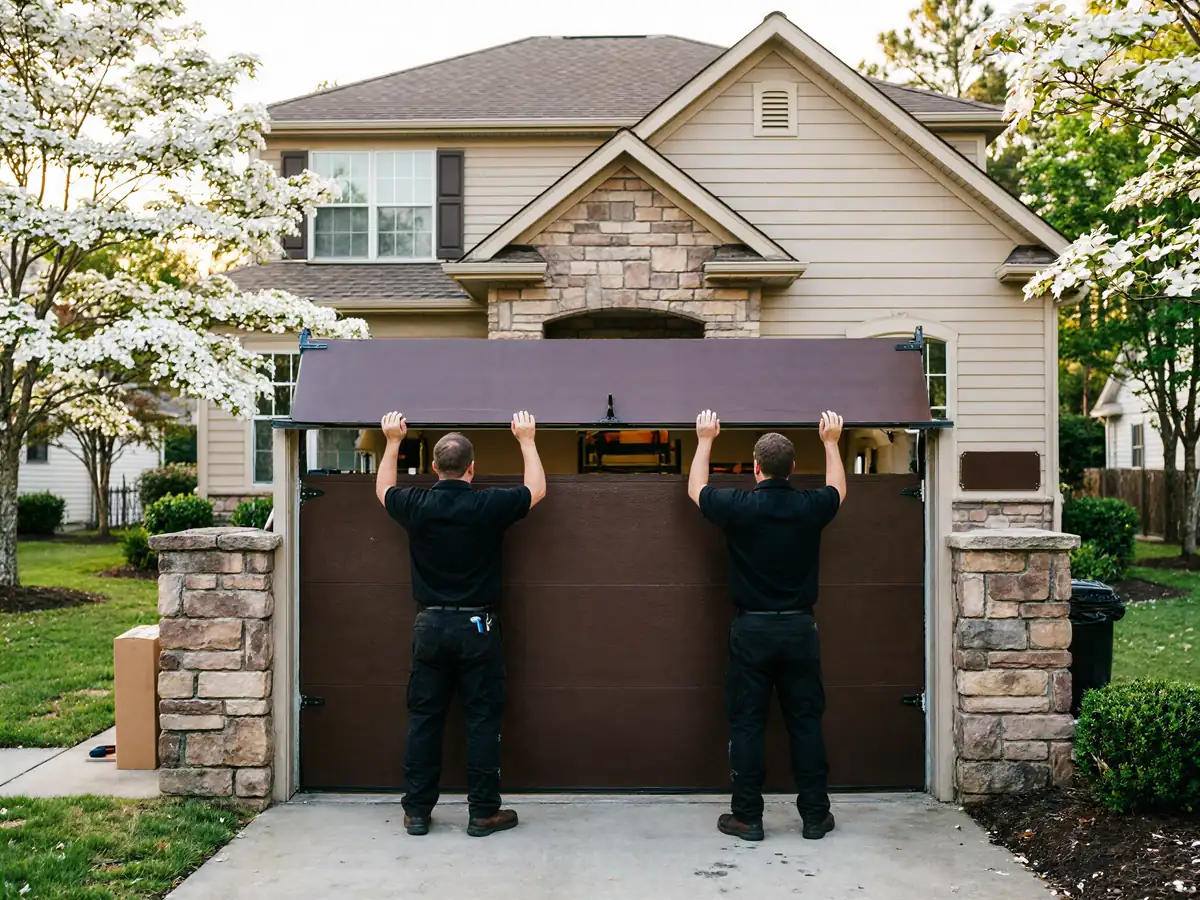
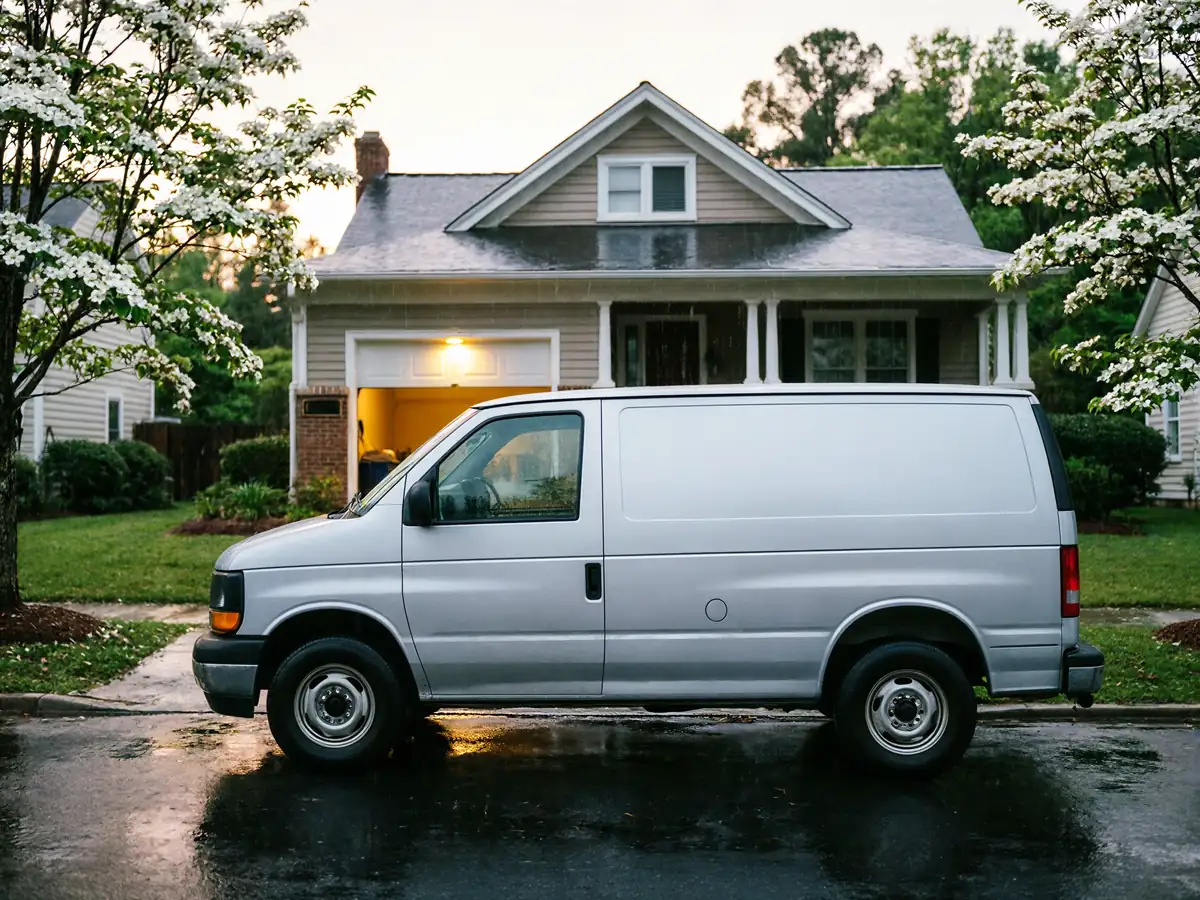
A straight roller swap - the door already on track, no bent hardware, no spring work needed - is a short job once the truck is on site; the long part of your wait is the 13 miles from Fuquay-Varina, not the repair itself. If the rollers have been grinding long enough to chew the track, or if a roller has jumped out and bent the stem, the door comes off its hardware entirely and the job runs longer, since we're squaring the track before anything goes back on. Doors from Lillington's newer stock tend toward the second kind of job more than you'd expect, because steel rollers don't give early warning the way nylon does - they run rough for a while and then one lets go. We don't leave a door standing open on a cracked roller while we go get a part; what's needed for a straight roller job is on the truck. What isn't on the truck - a custom track length, an odd-width bracket - means a second trip, and we'll tell you that on site rather than let you guess.
What Is on the Truck
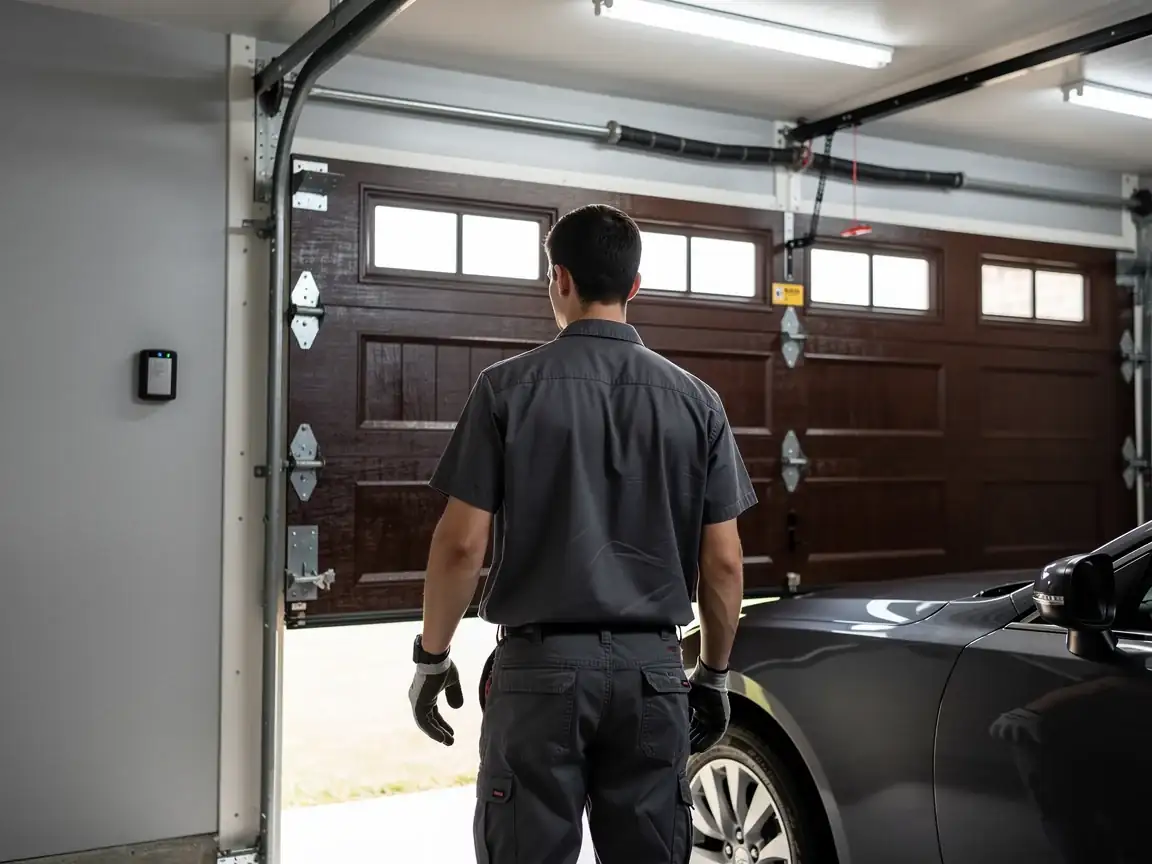
For a roller call we carry both sealed-bearing nylon rollers and all-steel rollers, since Lillington's newer housing mix means we see more of the original steel wheels here than in some of the older sections of the service area. We carry short and long stems, the brackets that hold them, and track sections for the common widths, because a bent track usually rides along with a worn-out roller rather than showing up on its own. Lubricant goes on every job regardless of what else is needed - this falls in a cold-moderate climate band, and grease that's gone stiff from a cold morning gets misread as a bad roller more often than people expect. What we don't carry as standard stock is odd-width track or a custom bracket pattern, which is rare but does happen on some builds; if that's your door, we'll order it rather than fake a fit. Everything else for a roller job - the roller itself, the stem, a short run of track, the hardware to hang it - rides on the truck every time we make the drive out.