The DIY Question
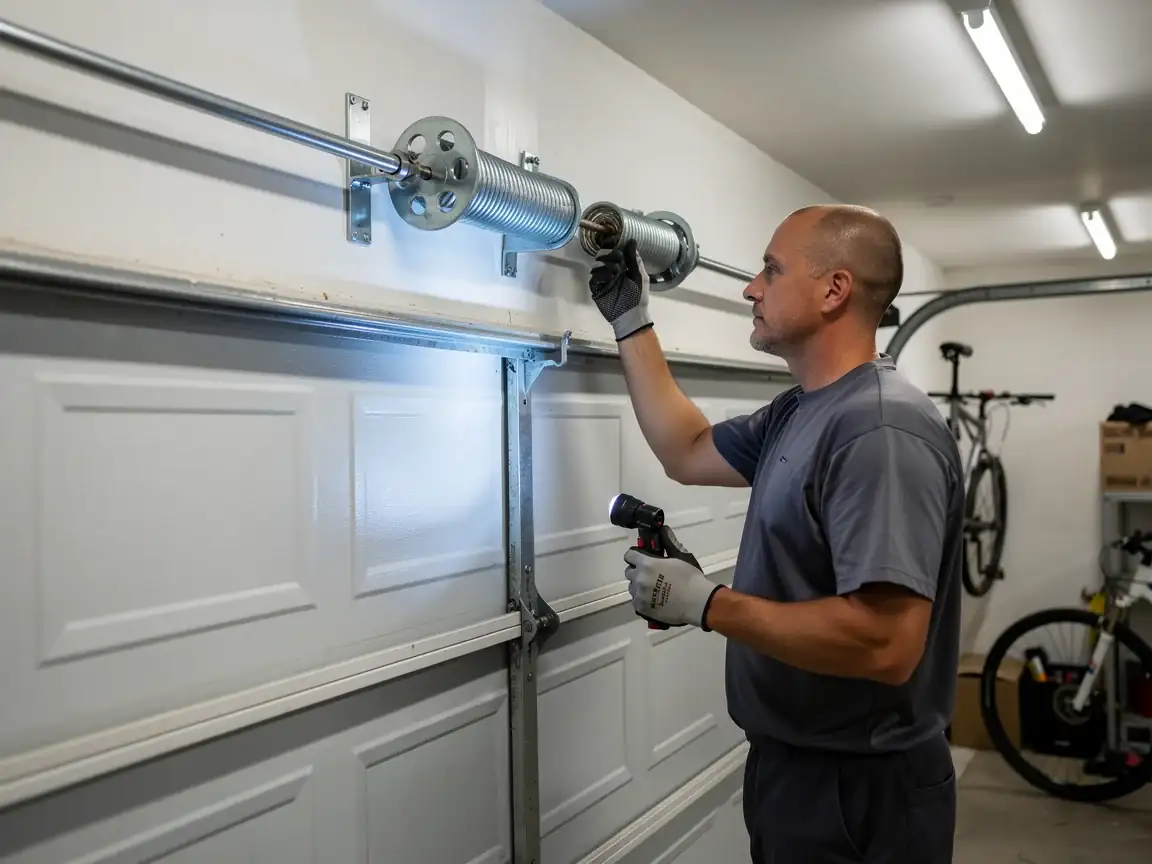
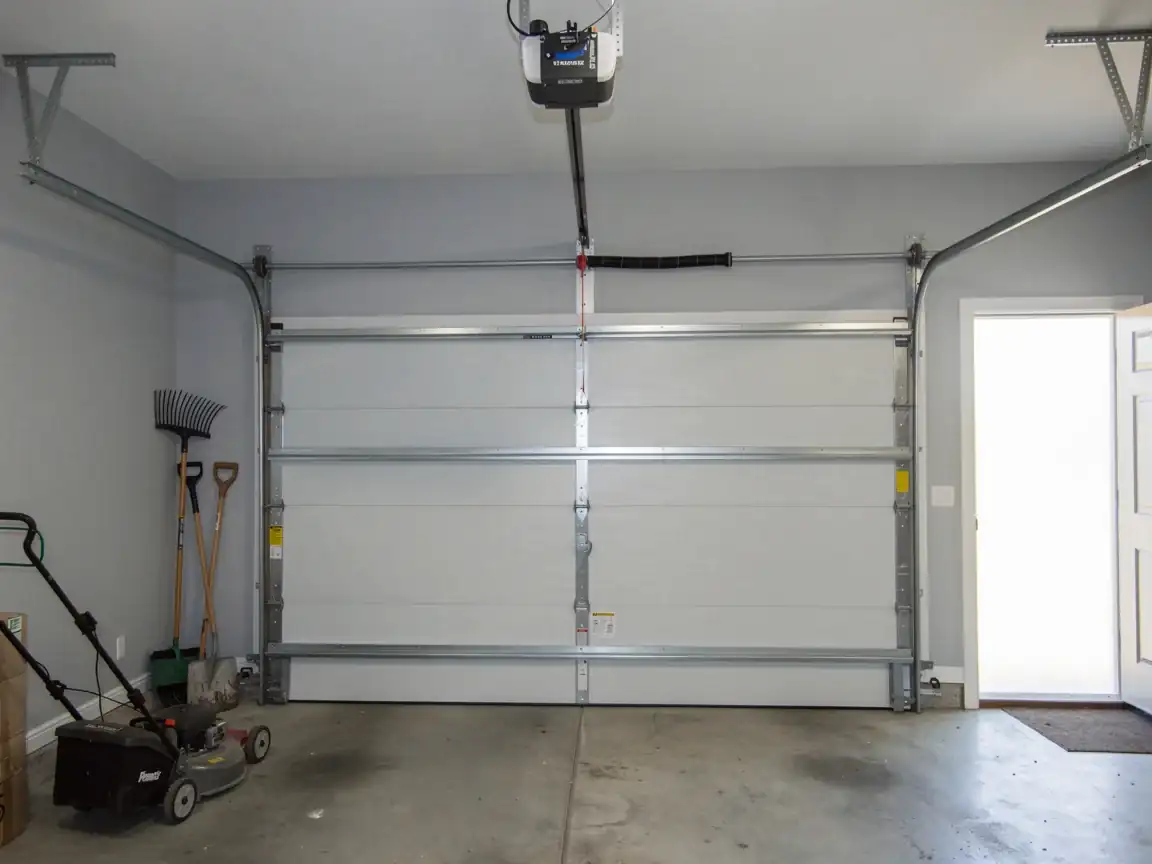
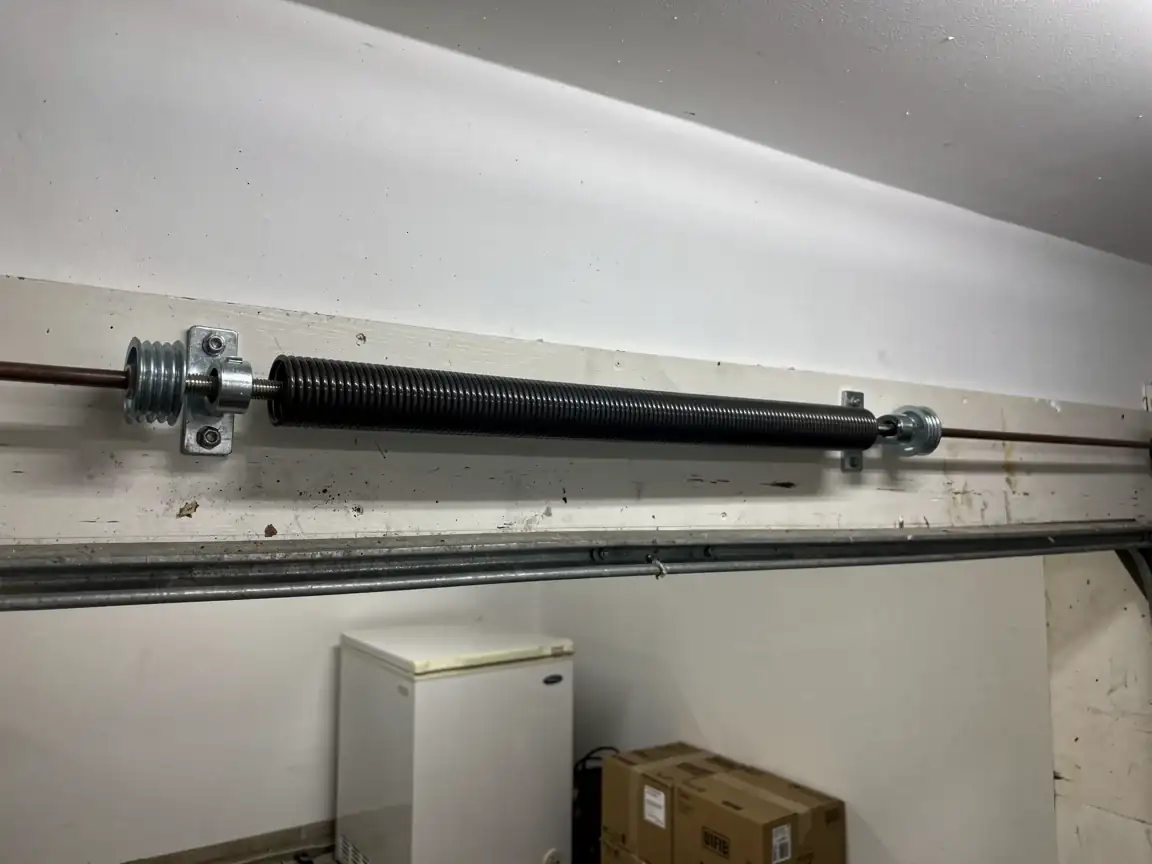
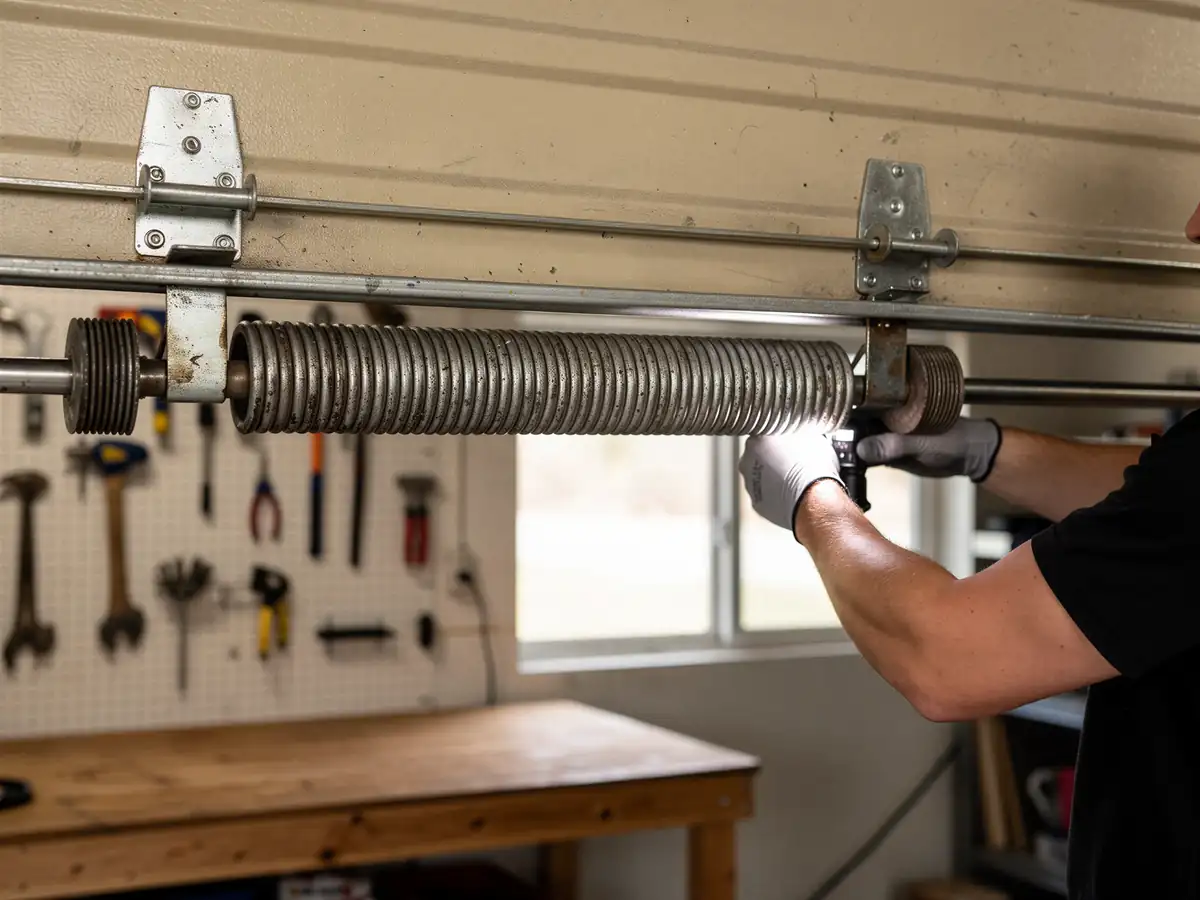
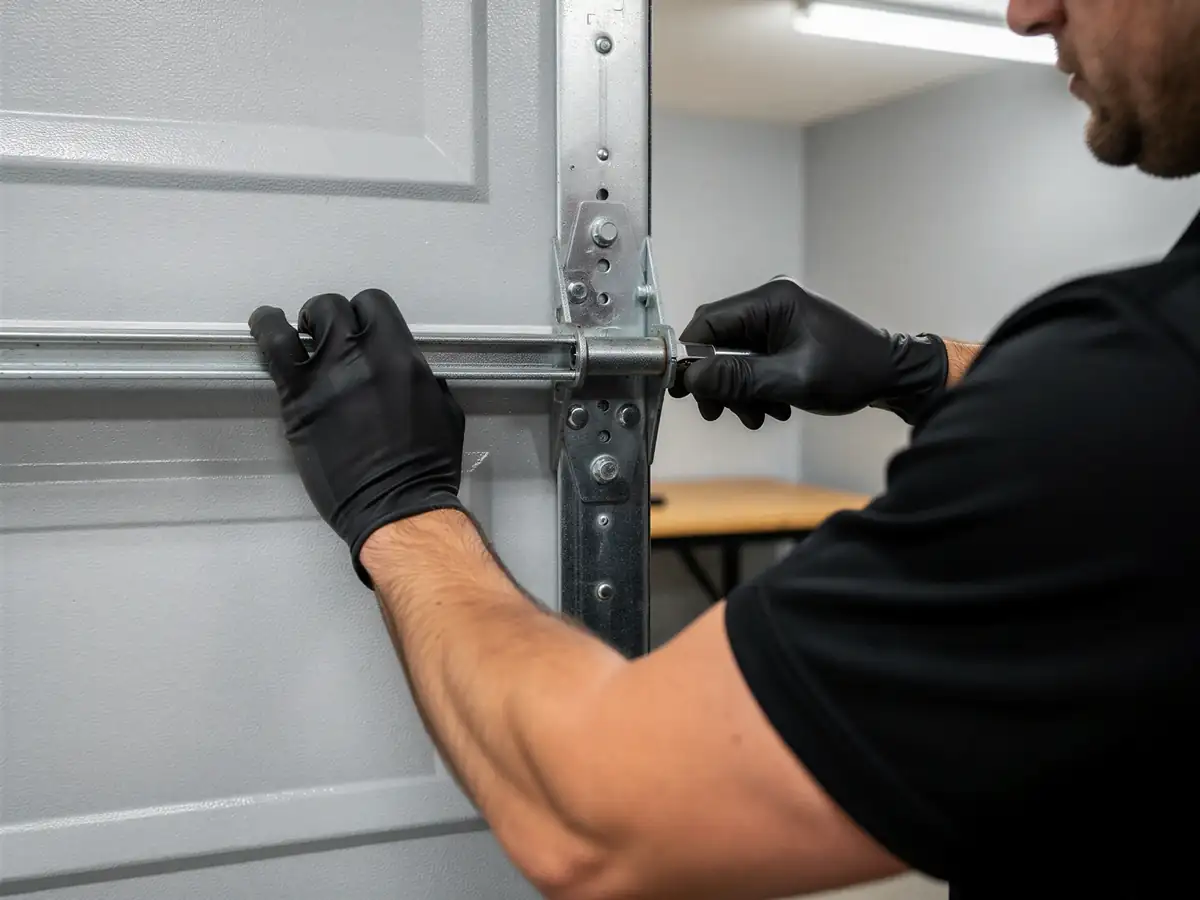
A torsion spring under tension can put someone in the hospital, and on a standard double door that spring is wound tight enough to do real damage if the winding bars slip. That's not a scare line - it's why we don't talk homeowners through spring jobs over the phone, full stop. Where DIY makes sense: swapping a worn weatherstrip, replacing a dead remote battery, lubricating hinges and rollers with the right grease instead of WD-40, or clearing a photo-eye sensor that's knocked out of alignment. Those are five-minute jobs with no stored energy involved. Where it doesn't: springs, cables, anything bolted to the torsion tube, or opener circuit boards that are original to a house built around 2001 - those boards are now pushing 20-plus years old, well past what any manufacturer rates them for, and they don't fail gracefully. If you're not sure which category your problem falls into, that uncertainty is itself the answer: call.
How Long You Are Without the Door
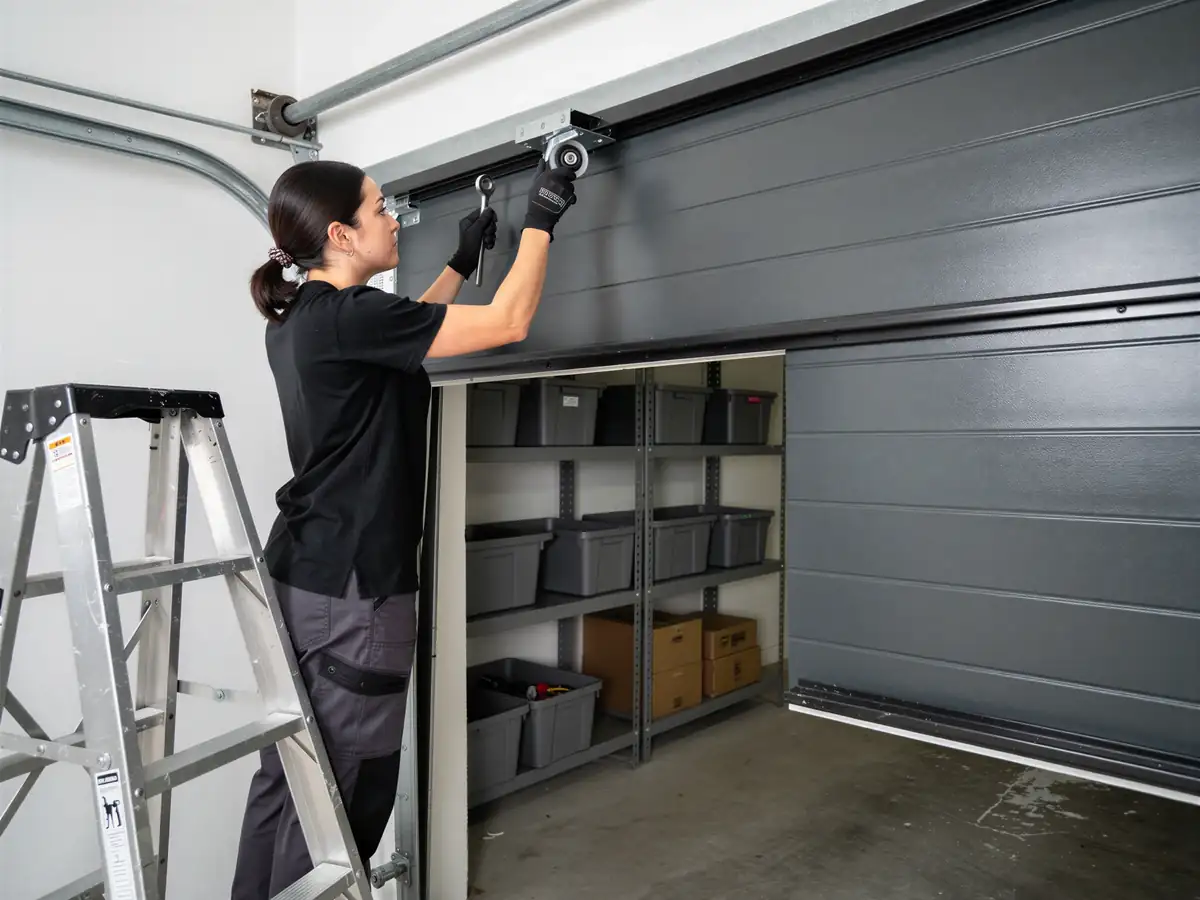
Most single-spring or opener-board jobs on a Lillington house get wrapped up in one visit once the tech is on-site, since the truck carries the parts that match what's common in homes from this era - openers and torsion springs sized for doors installed new in the early 2000s. What stretches a job past one visit is a part that isn't standard stock: a discontinued panel, a specialty track width, or an opener model old enough that the board itself has to be special-ordered. We won't pretend to a response window we don't control, since every Lillington call starts with a 13-mile drive from Fuquay-Varina rather than a local depot. What we can say is that once the tech has eyes on the door, most failures in this age bracket - spring, cable, roller, or standard opener board - are same-visit fixes.
What Is on the Truck
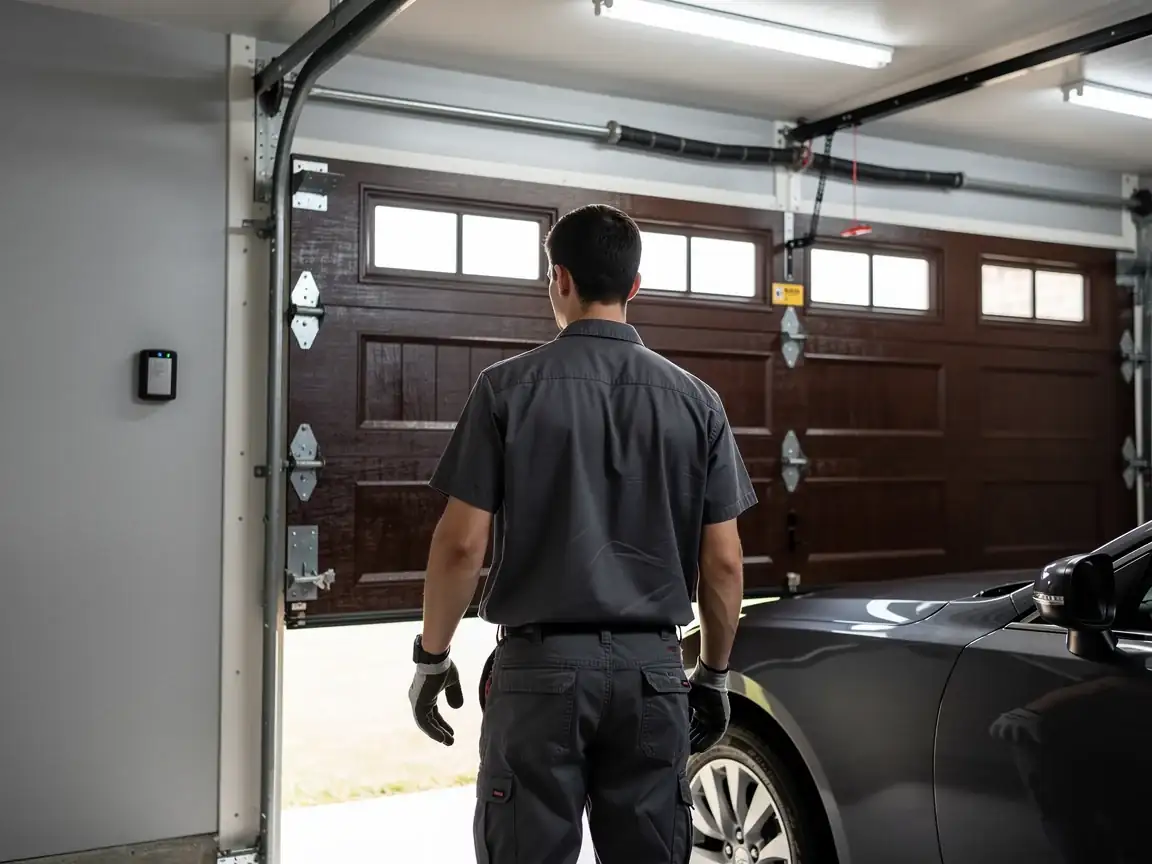
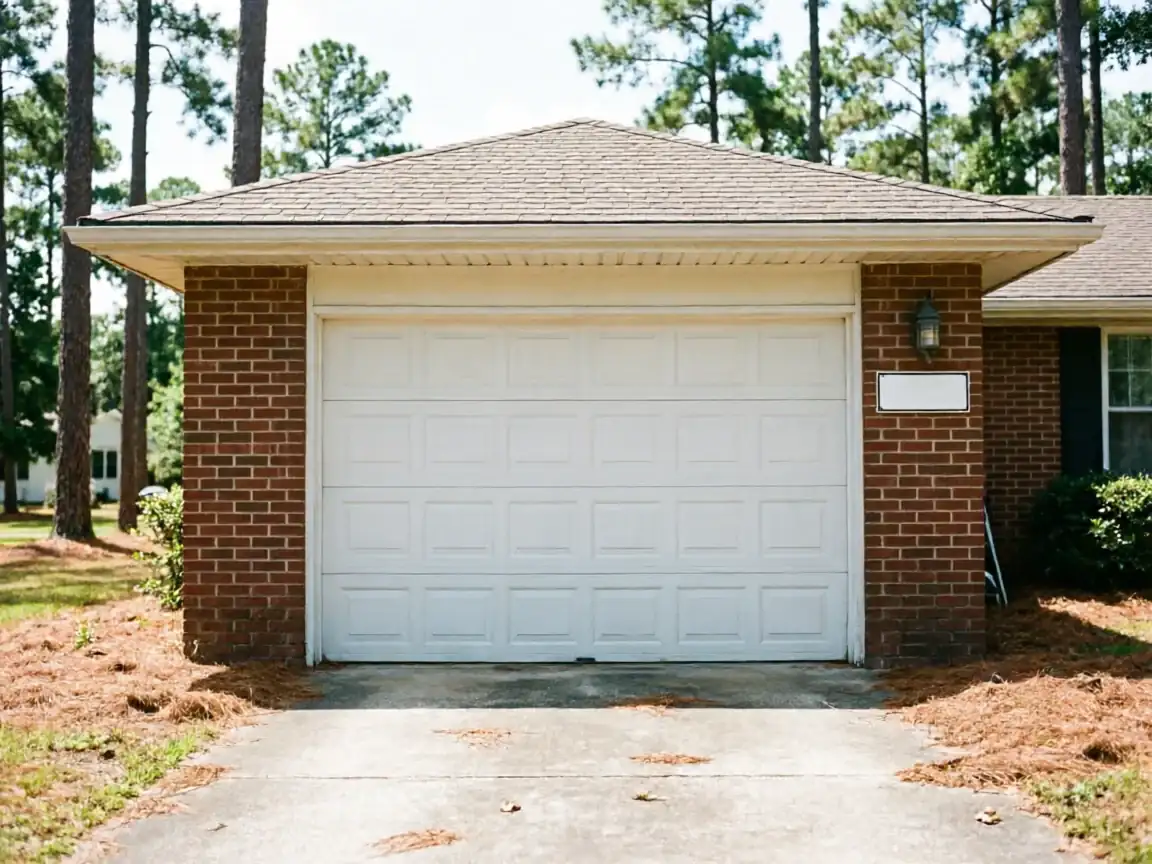
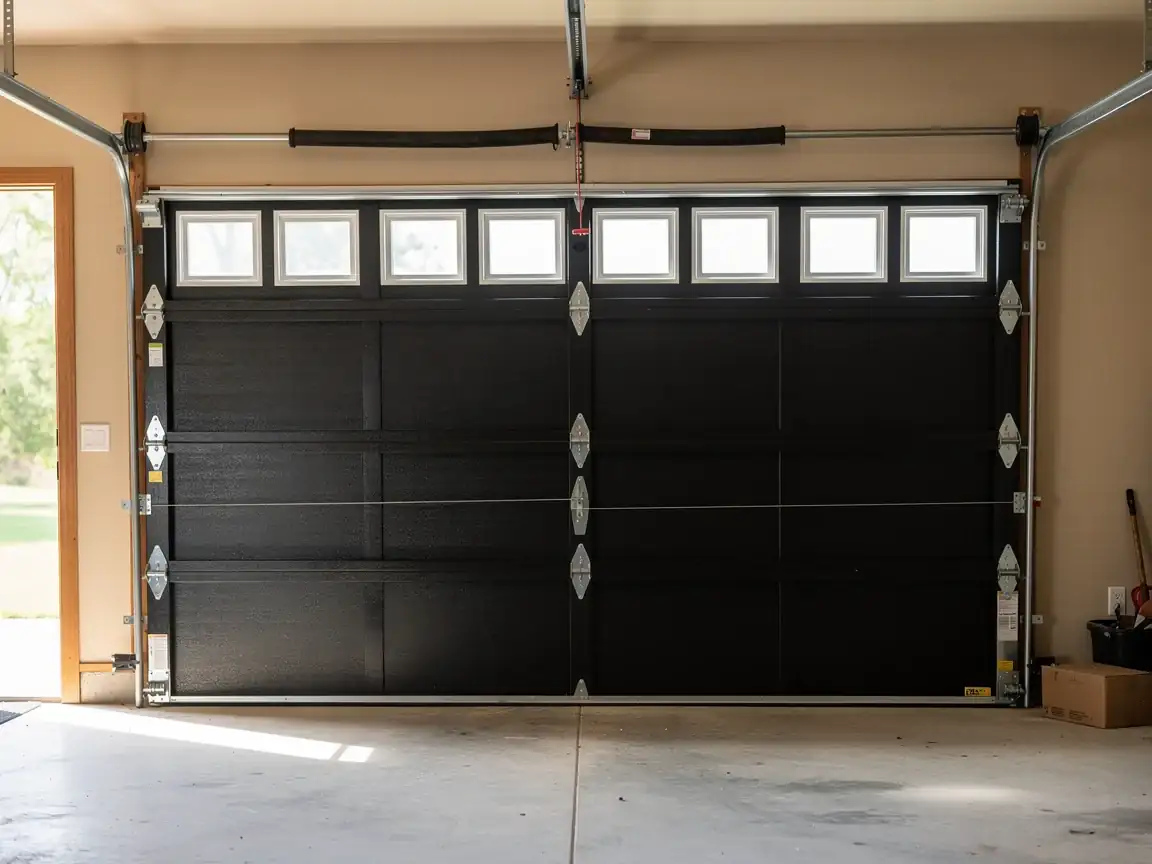
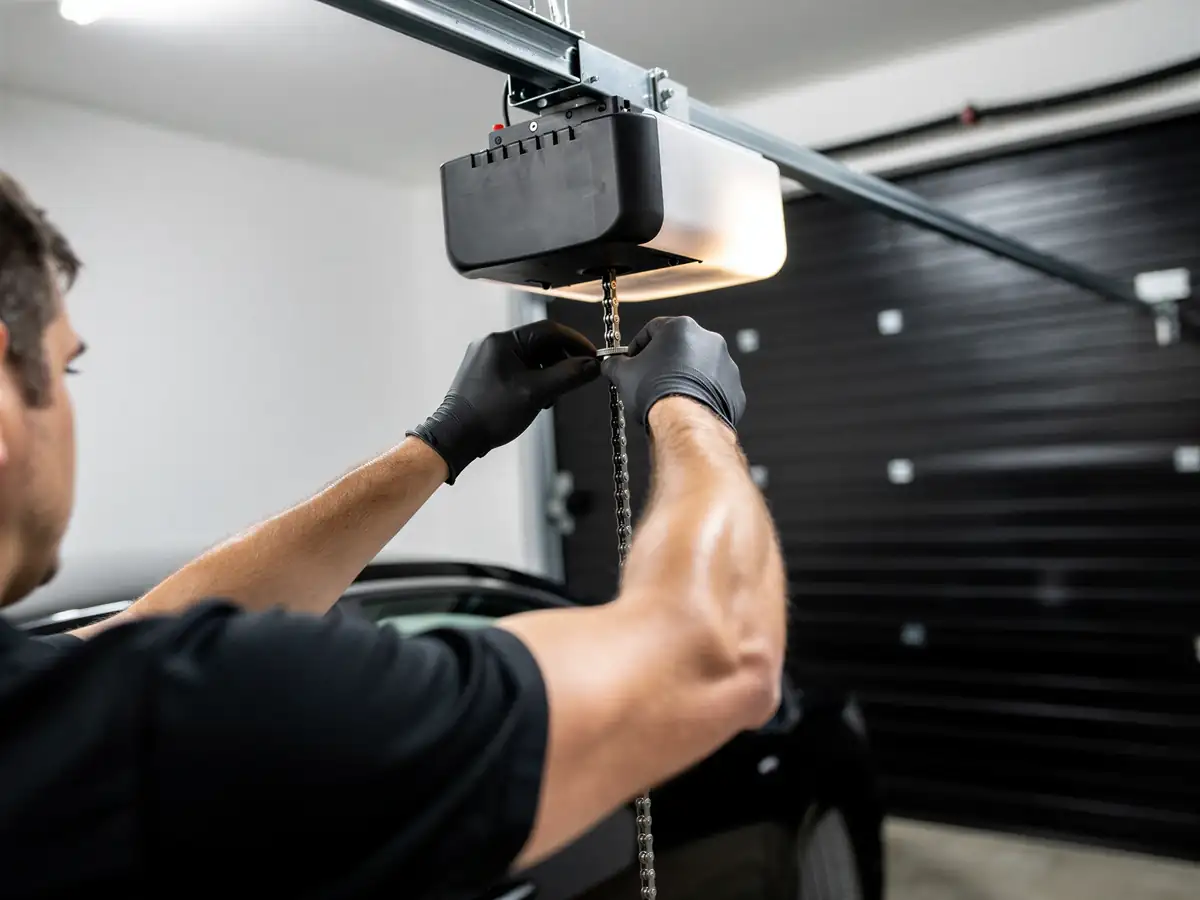
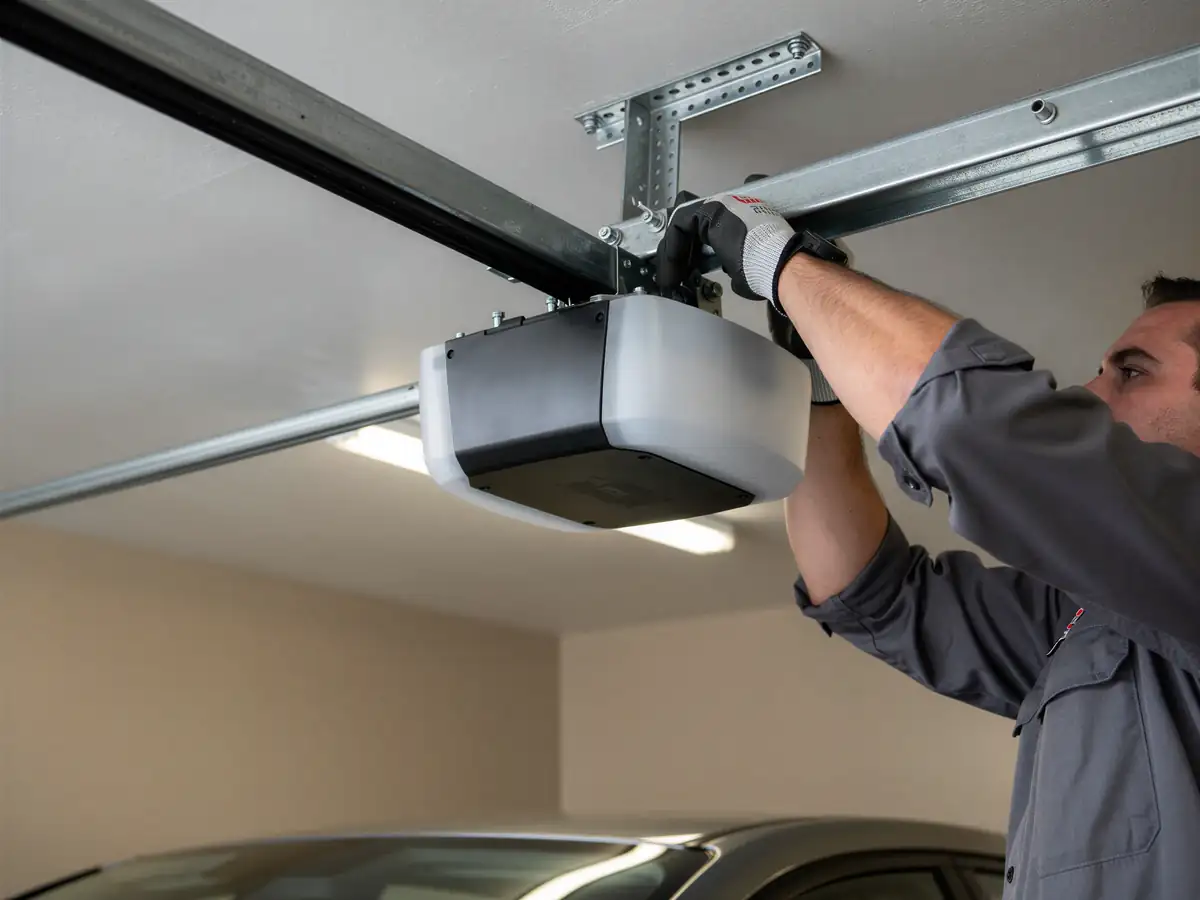
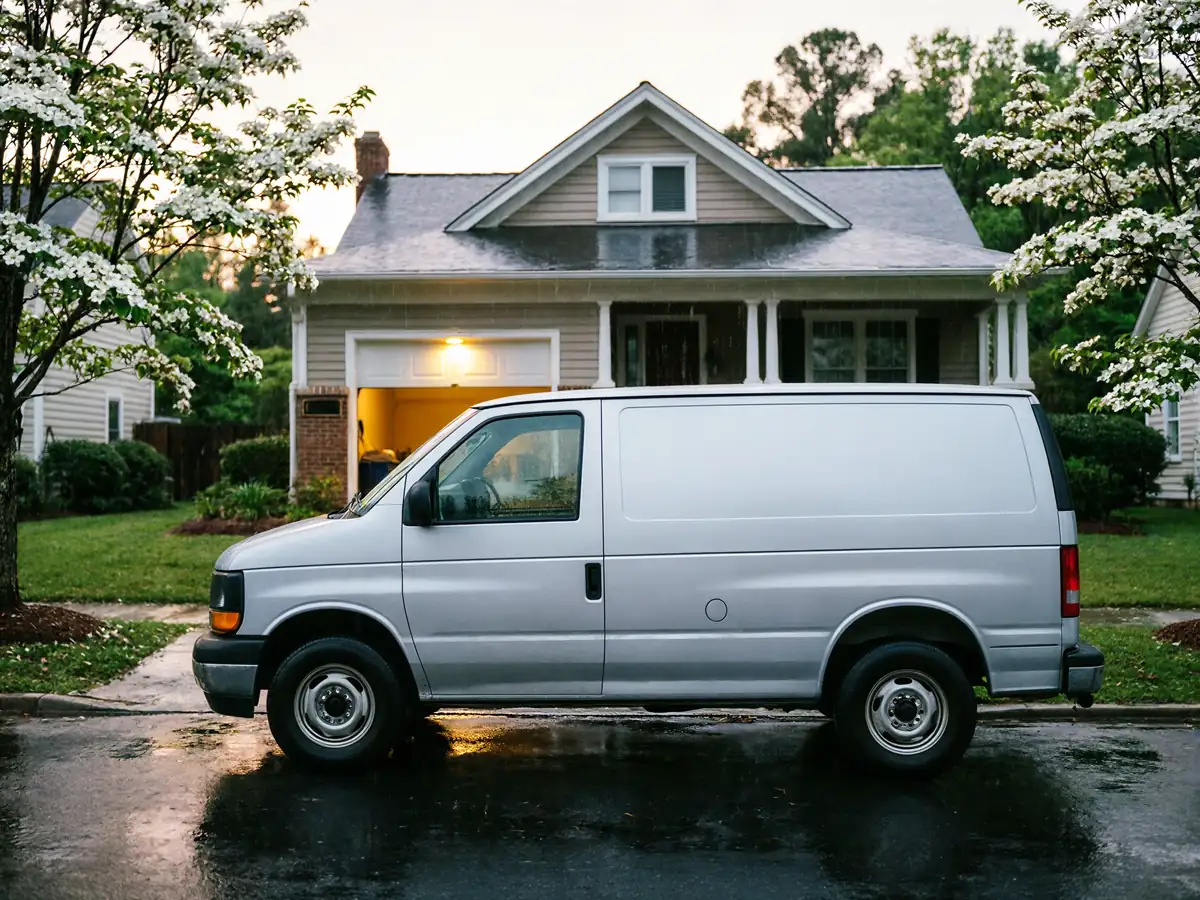
Given that Lillington's housing centers on a 2001 median build year - a good two decades newer than the 1979 median across the wider service area - the truck carries less original hardware and more of what fails on 20-year-old sectional doors: standard torsion springs sized for builder-grade steel doors, opener circuit boards for the chain and belt-drive models that shipped in the early 2000s, nylon rollers, and photo-eye sensors. What's lighter on the truck: parts for the older one-piece doors and side-mounted torsion setups you'd find in houses built before 1960, since that stock is rare in this particular town's 1,319 households. The region sits in a cold-moderate climate band, which means standard weatherstrip and insulation specs, not the heavier cold-climate kits some trucks carry for harsher zones. If a job calls for something outside that range - an obsolete panel or an odd-width track - we order it and come back rather than guess.