The DIY Question
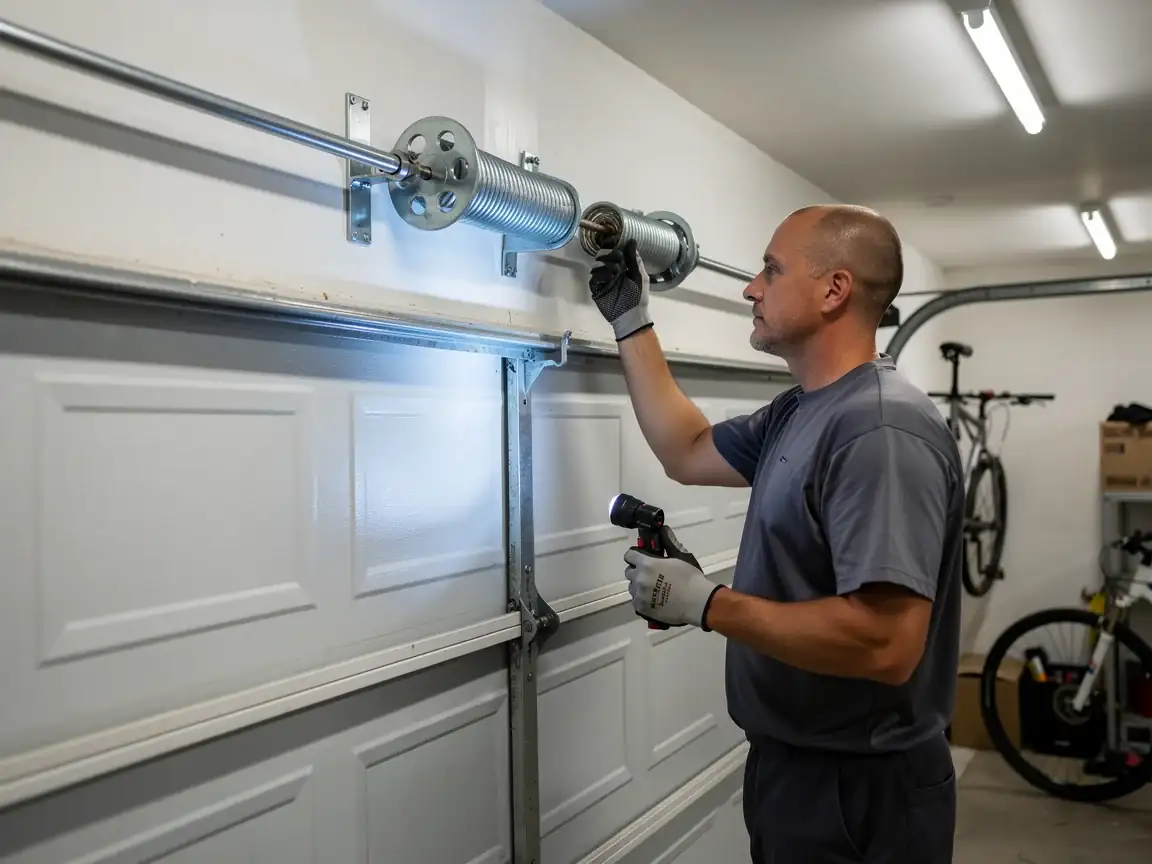
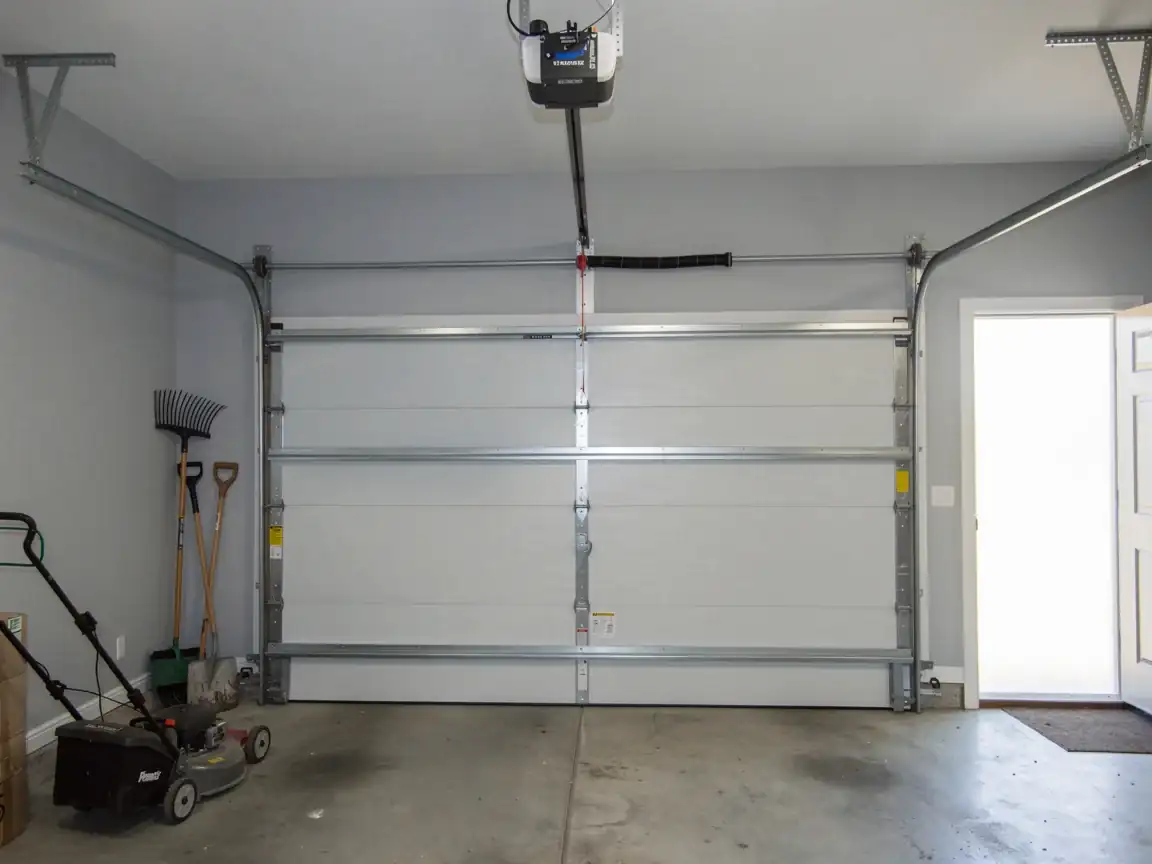
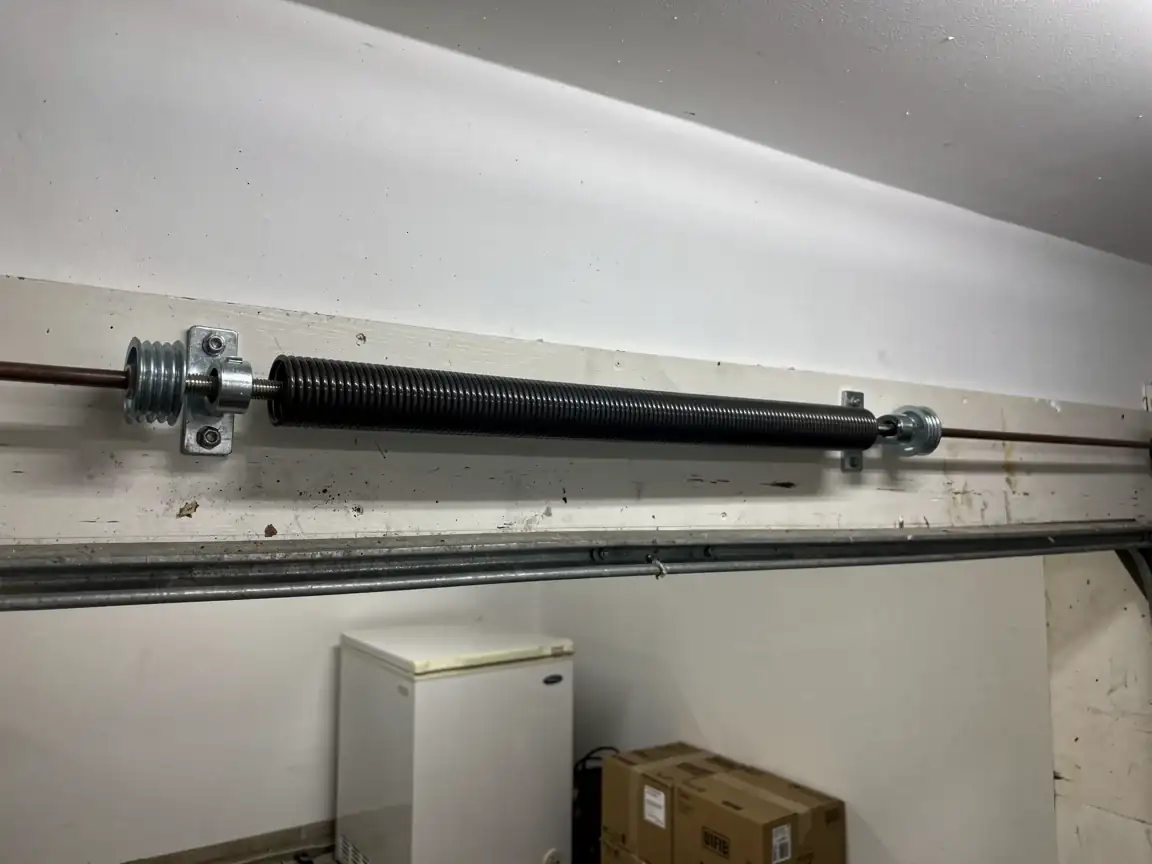
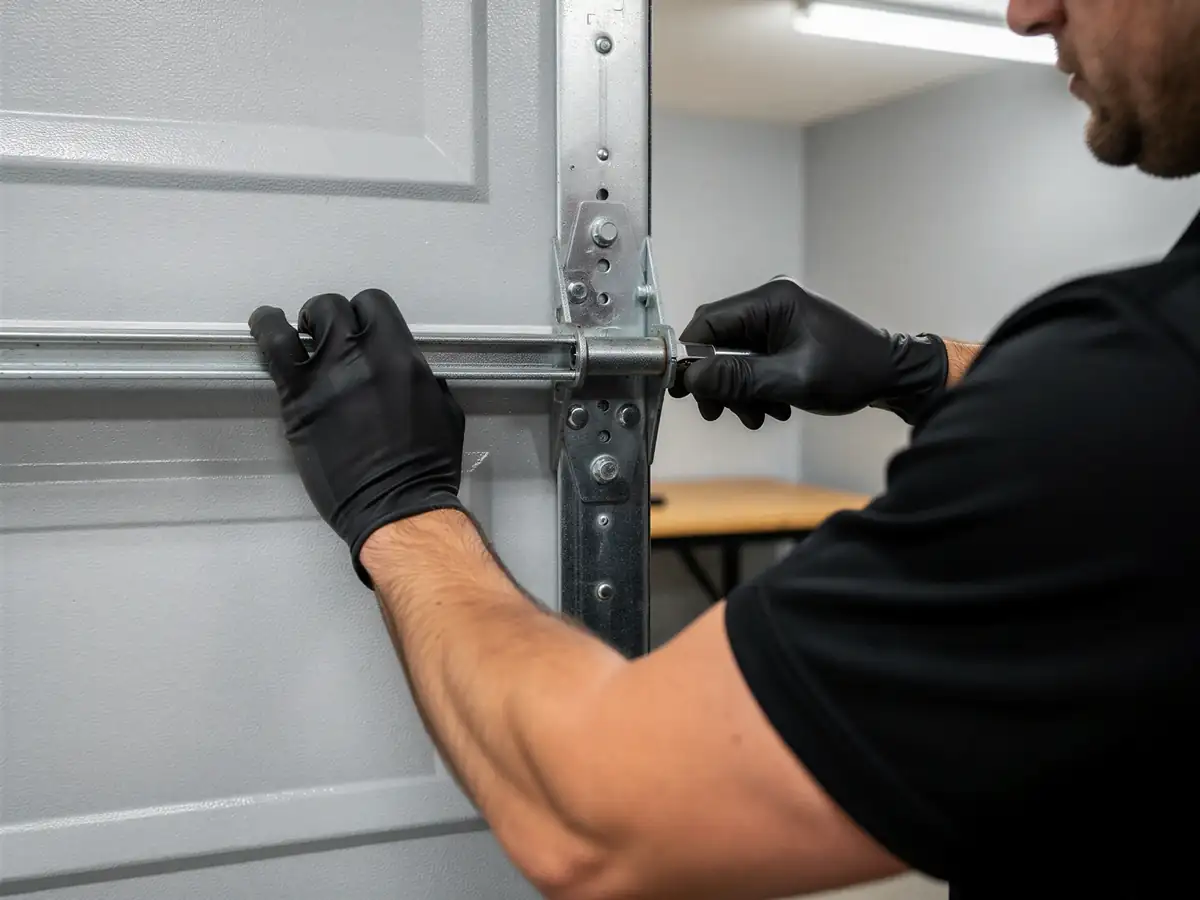
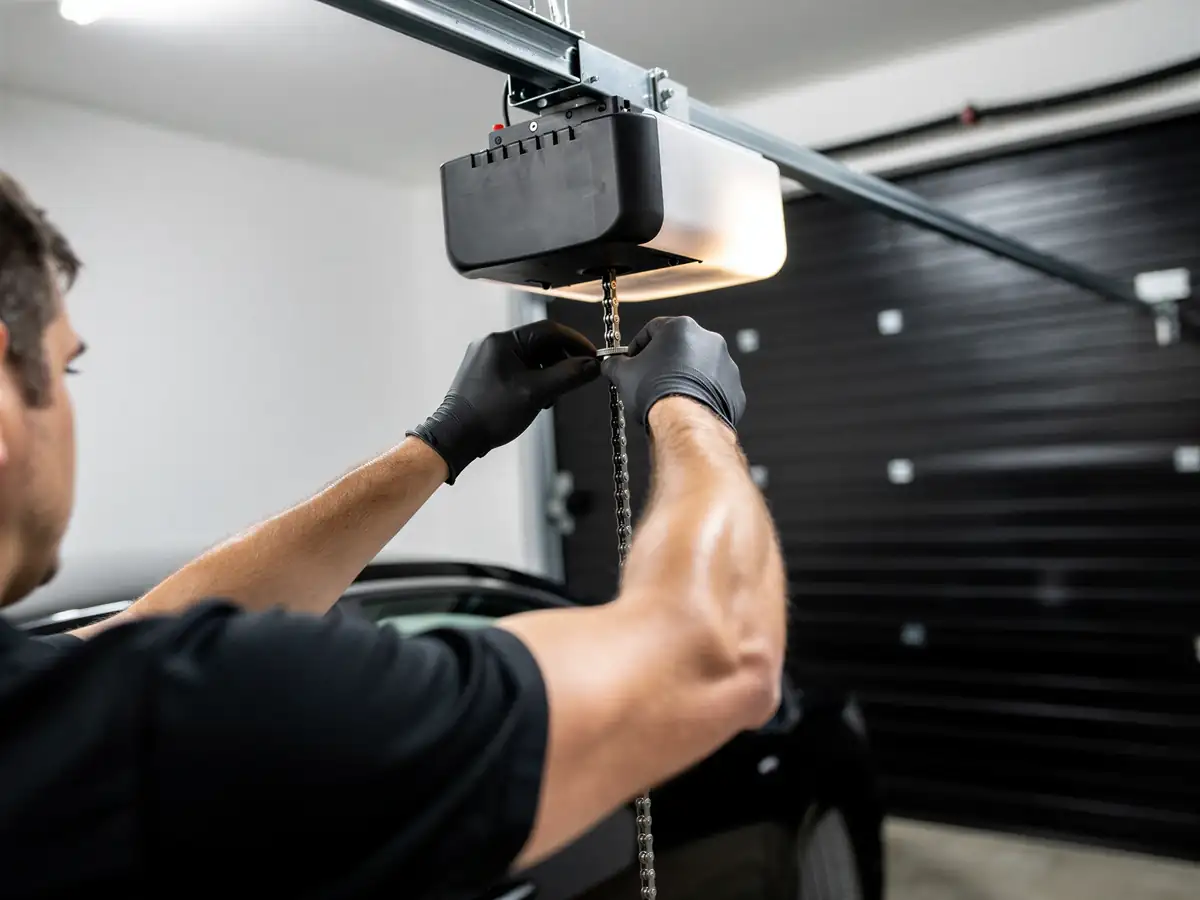
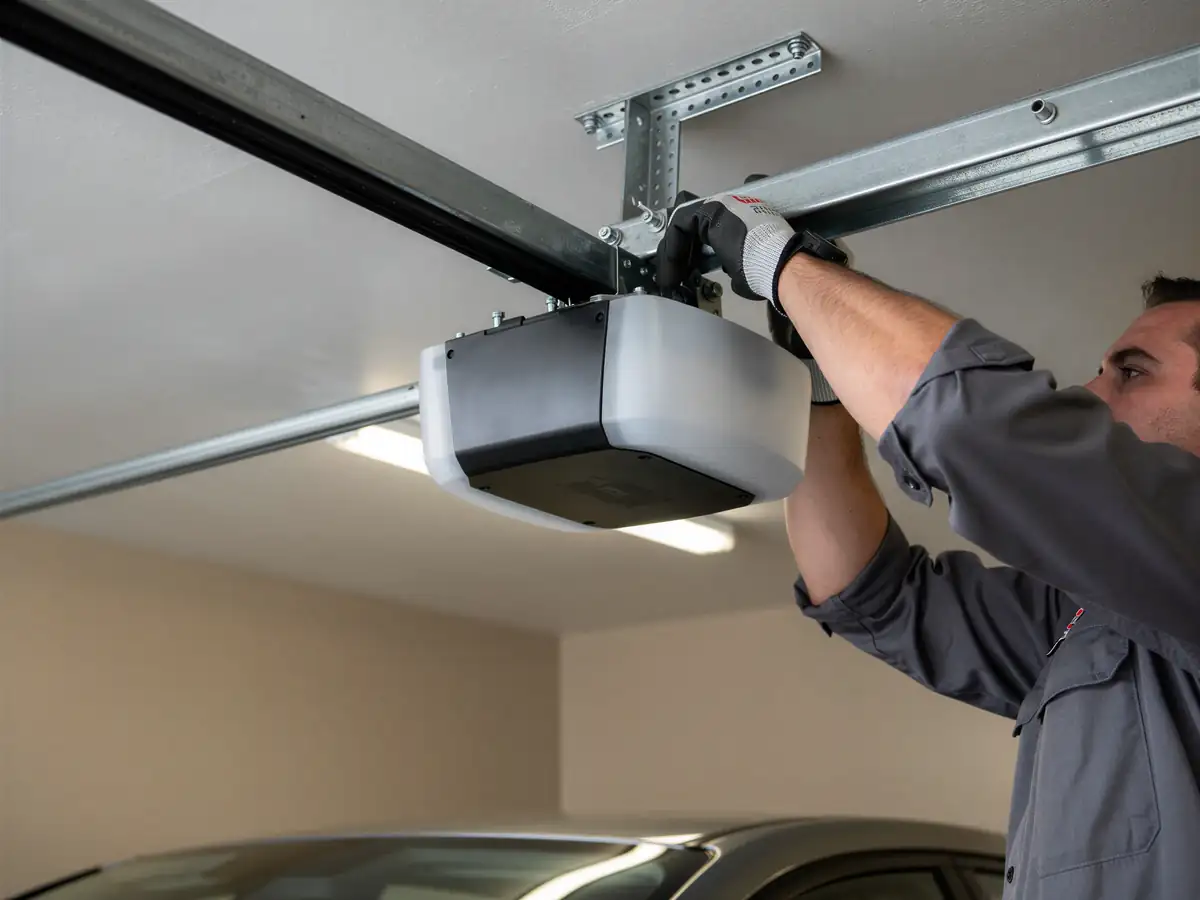
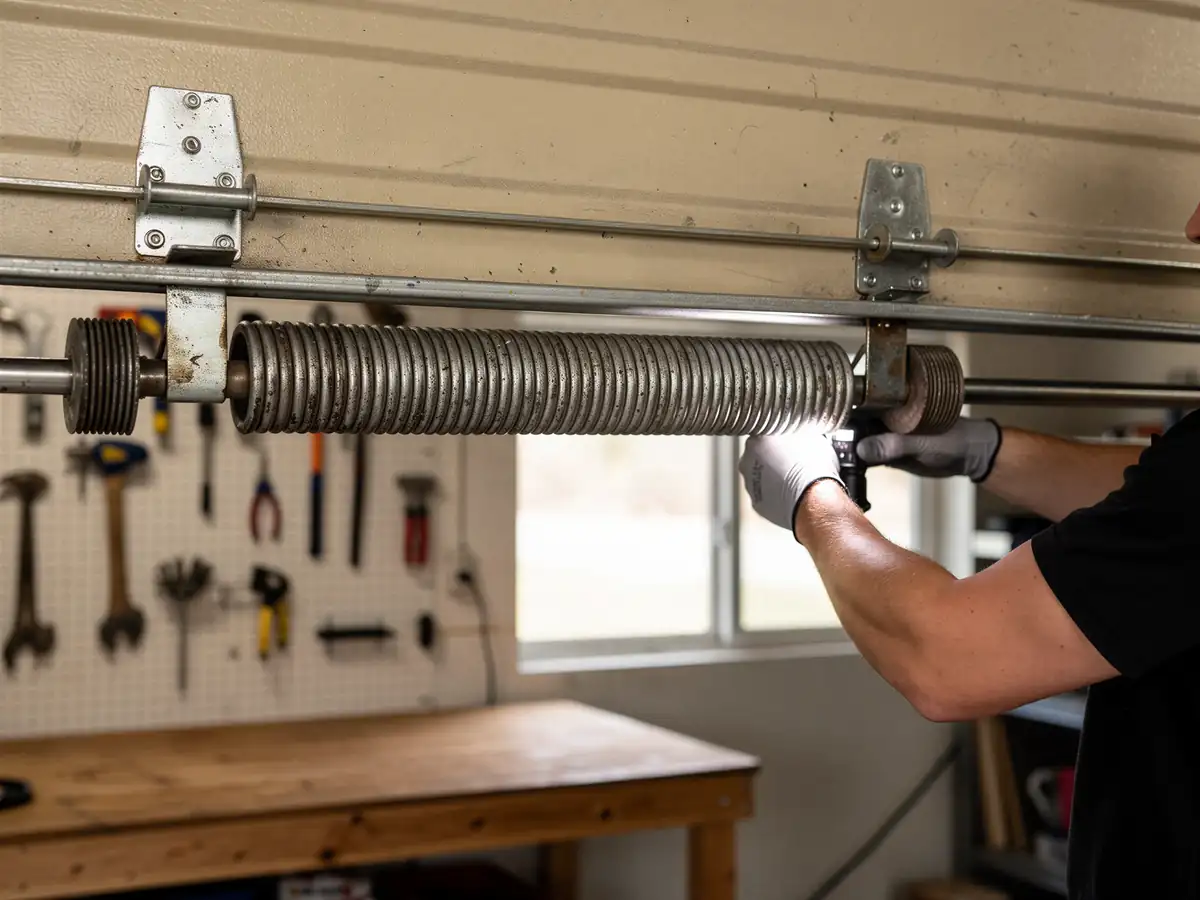
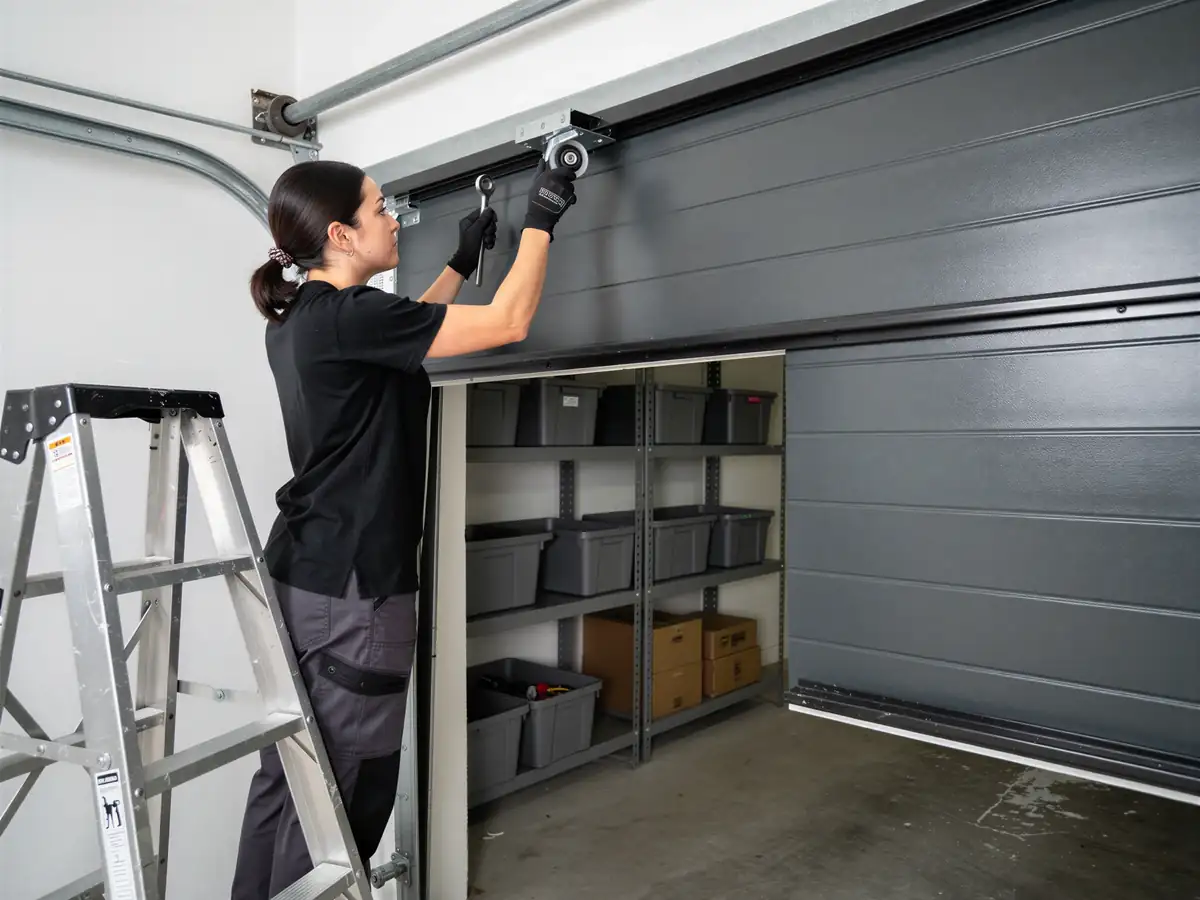
A door built after 2001 almost never has the century-old spring sizing or odd track widths that make older houses a puzzle. If your opener just lost power or a sensor's knocked out of alignment, that's often a five-minute fix you can try yourself - check the wall outlet, check the two photo-eye sensors at ankle height for a solid light. What you should not touch is a torsion spring under tension, even a newer, lighter-gauge one; the stored force doesn't care how new the house is. If the door won't budge and you hear a snap, stop pulling on it and call. That's not us protecting a service call - a wound spring under load has put people in the ER, and the parts to fix it right aren't sold at a hardware store anyway.
How Long You Are Without the Door
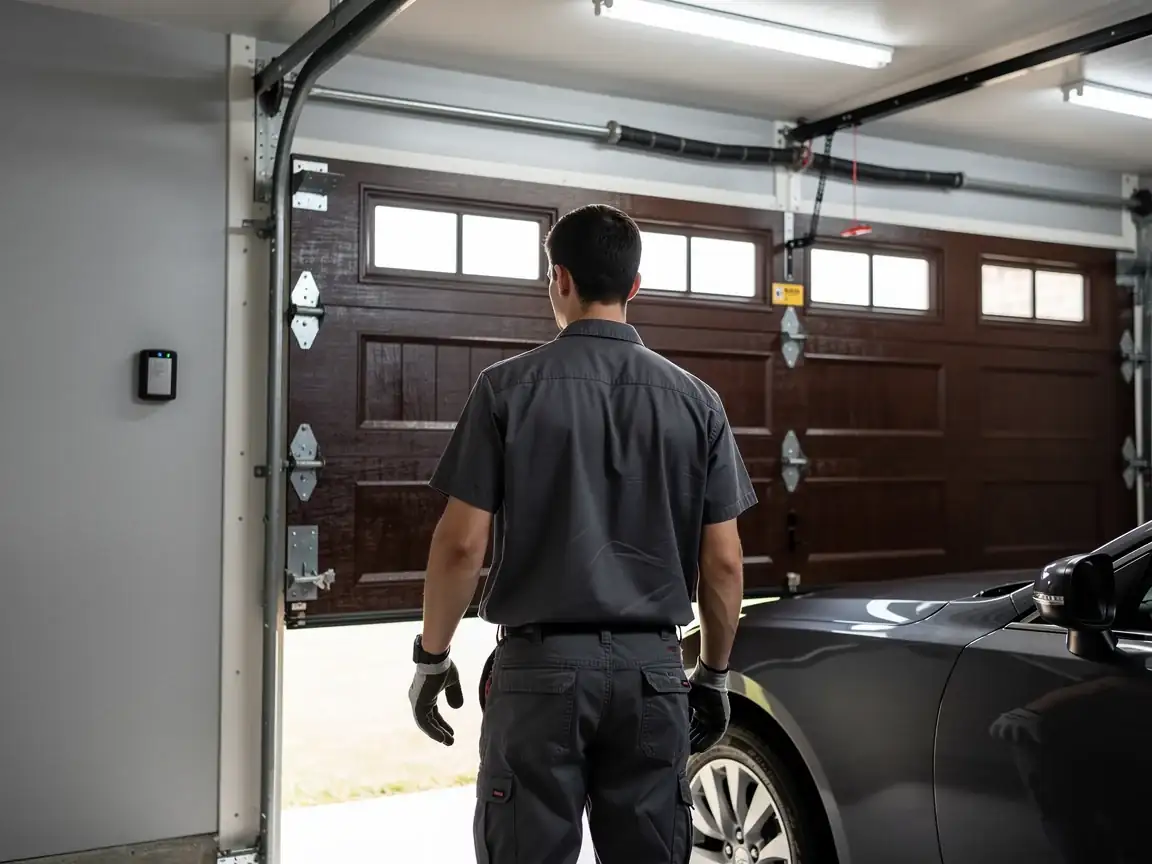
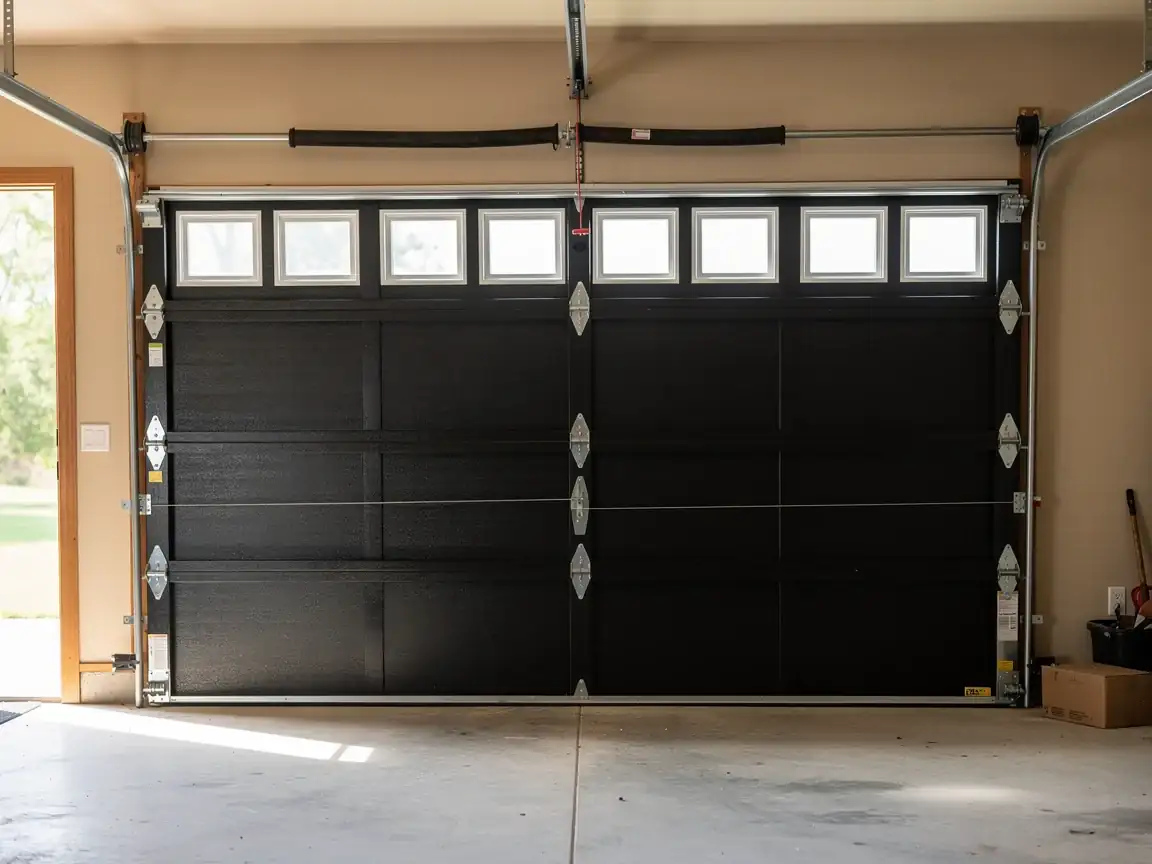
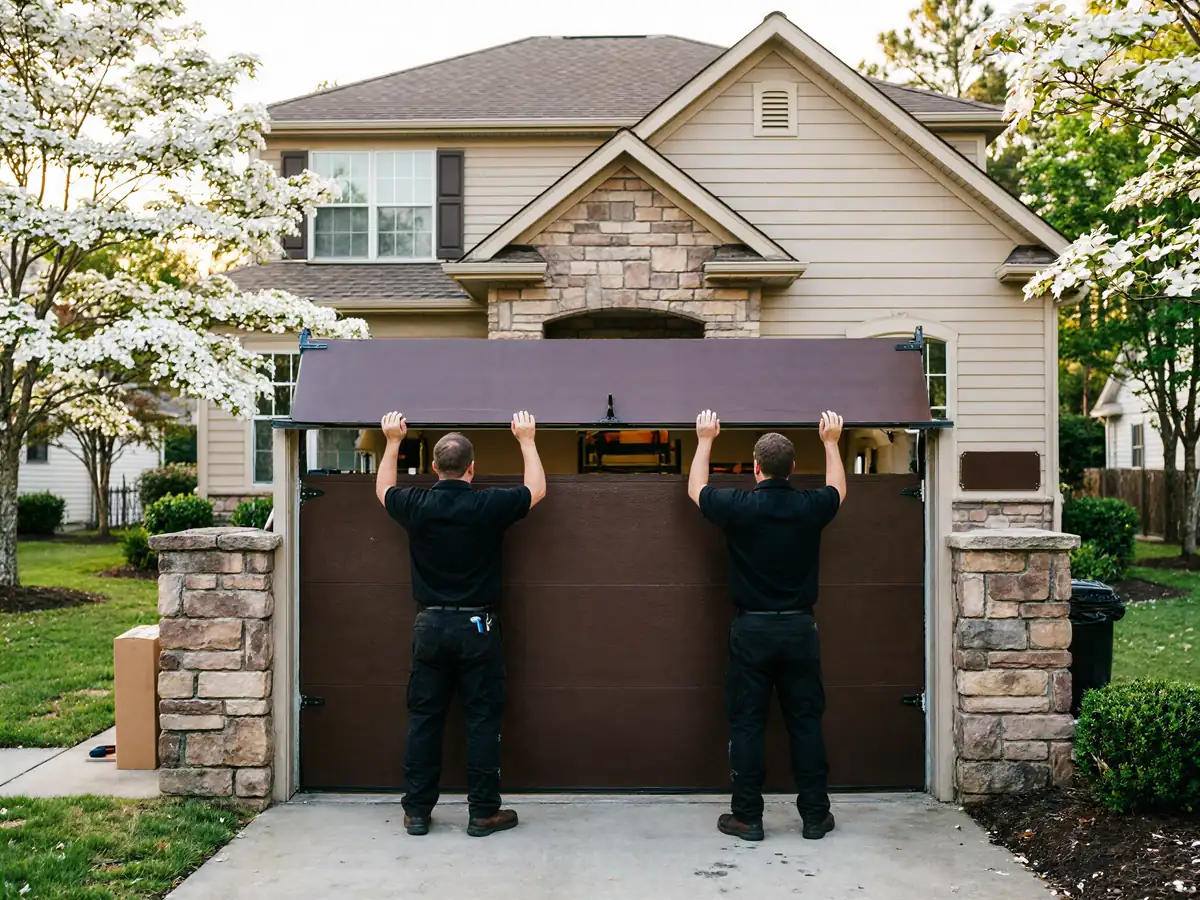
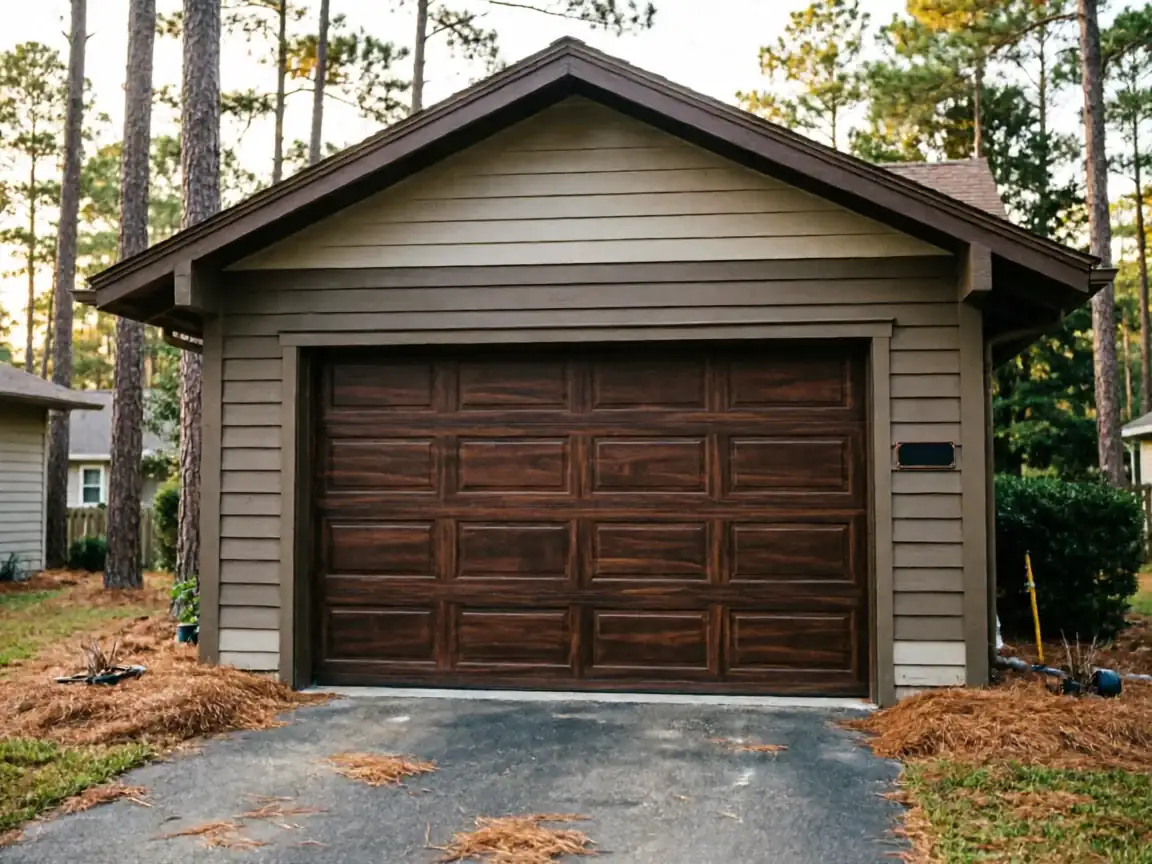
Most Lillington jobs are a single visit because the hardware is recent enough that we're not hunting for a discontinued part or an odd-sized panel from a 1970s build. Springs, rollers, standard openers - stock items. Where it runs longer is a specific opener board failing or a panel that needs ordering because of a color or insulation match, and that's a lead-time issue, not a Lillington issue; it would stretch out the same way in any newer subdivision. We'll tell you on the first visit which category you're in. If it's a same-day part, the door closes and locks before we leave. If it's an order, we'll get the door functional and secured in the meantime rather than leave it open to the weather.
What Is on the Truck
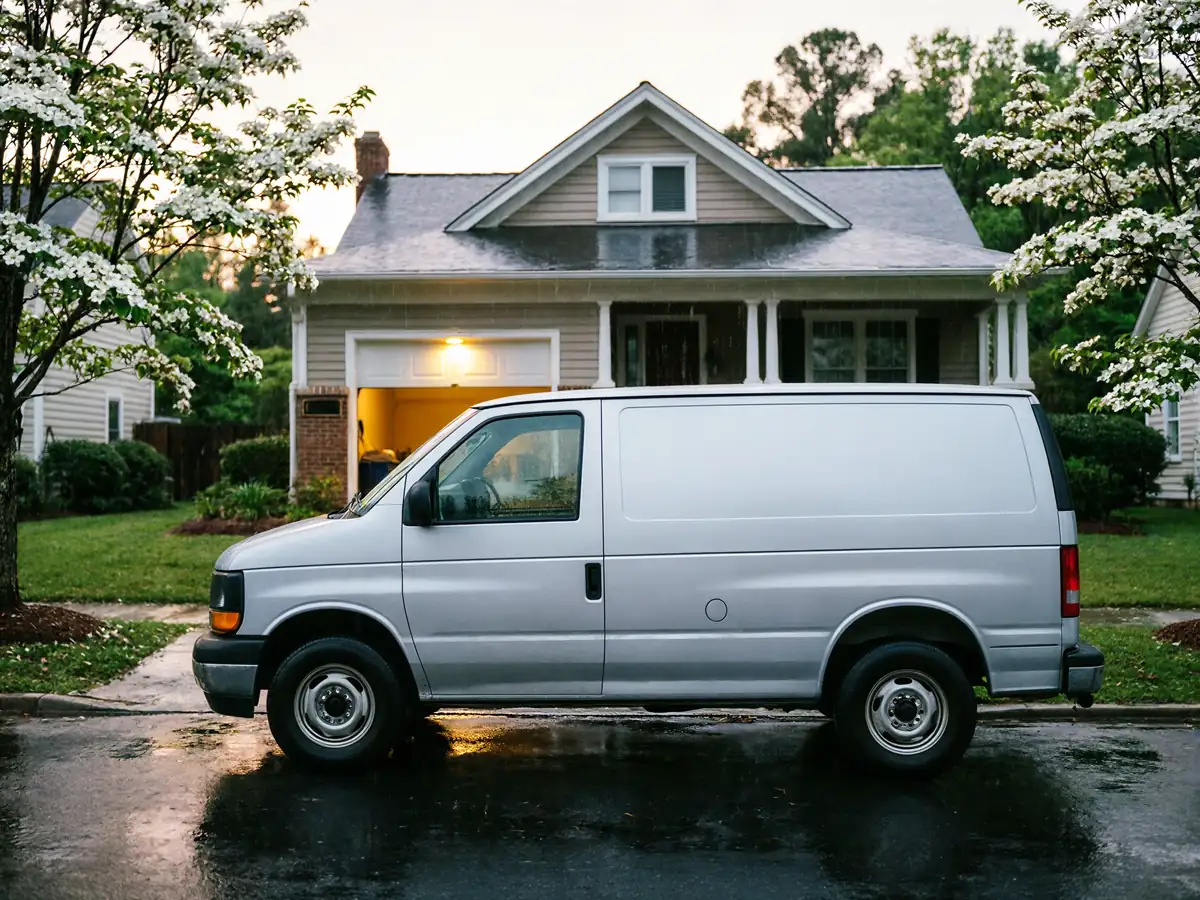
Given that most of the area's housing dates to the 1960s-70s with a mix of newer construction like Lillington's post-2001 stock, the truck carries both eras: standard torsion springs sized for modern steel sectional doors, plus the heavier and oddly-sized springs that older torsion and extension setups around the wider service area still run. Cables, rollers, hinges, and the sensor and logic boards for the handful of opener brands that actually show up on service calls - we don't stock every brand ever sold, just what we've found gets installed. Winters here run cold enough that we carry weatherstrip and bottom seal stock year-round, since a gap at the base of a newer insulated door is as much a comfort complaint as a security one.