The DIY Question
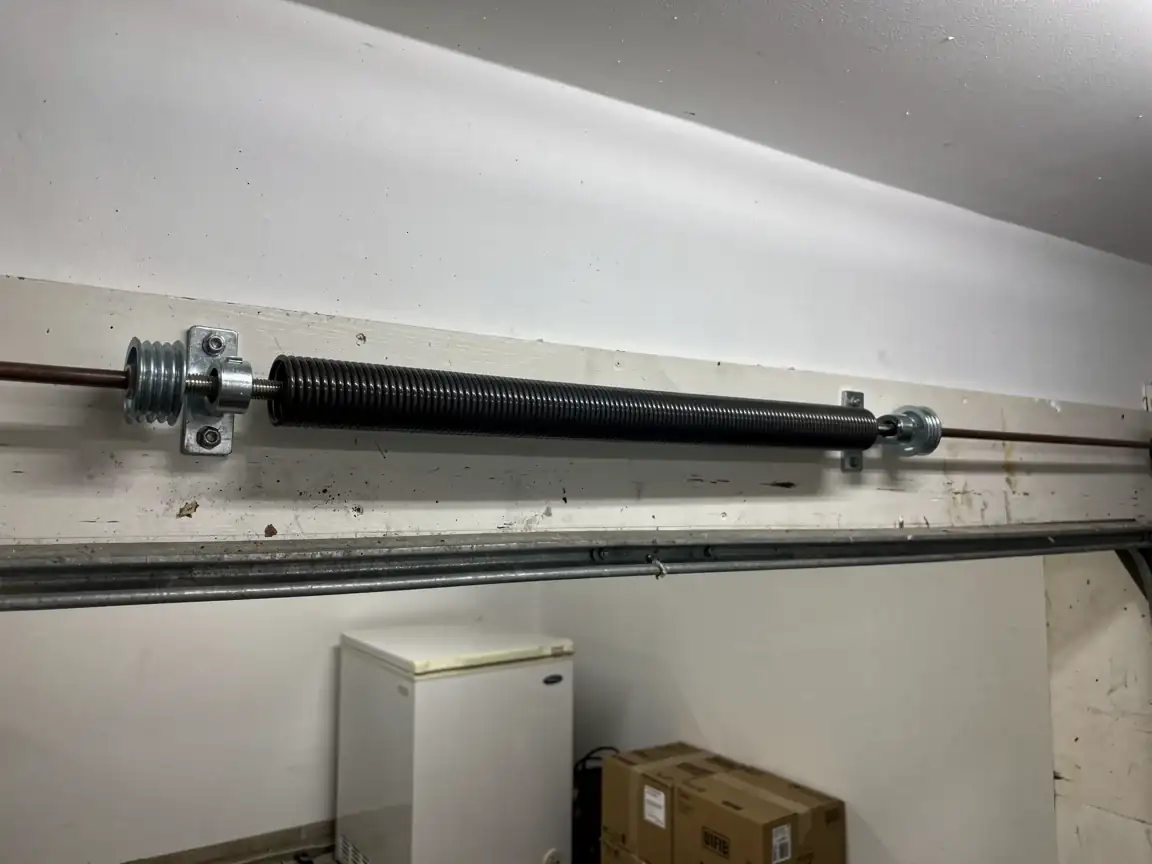
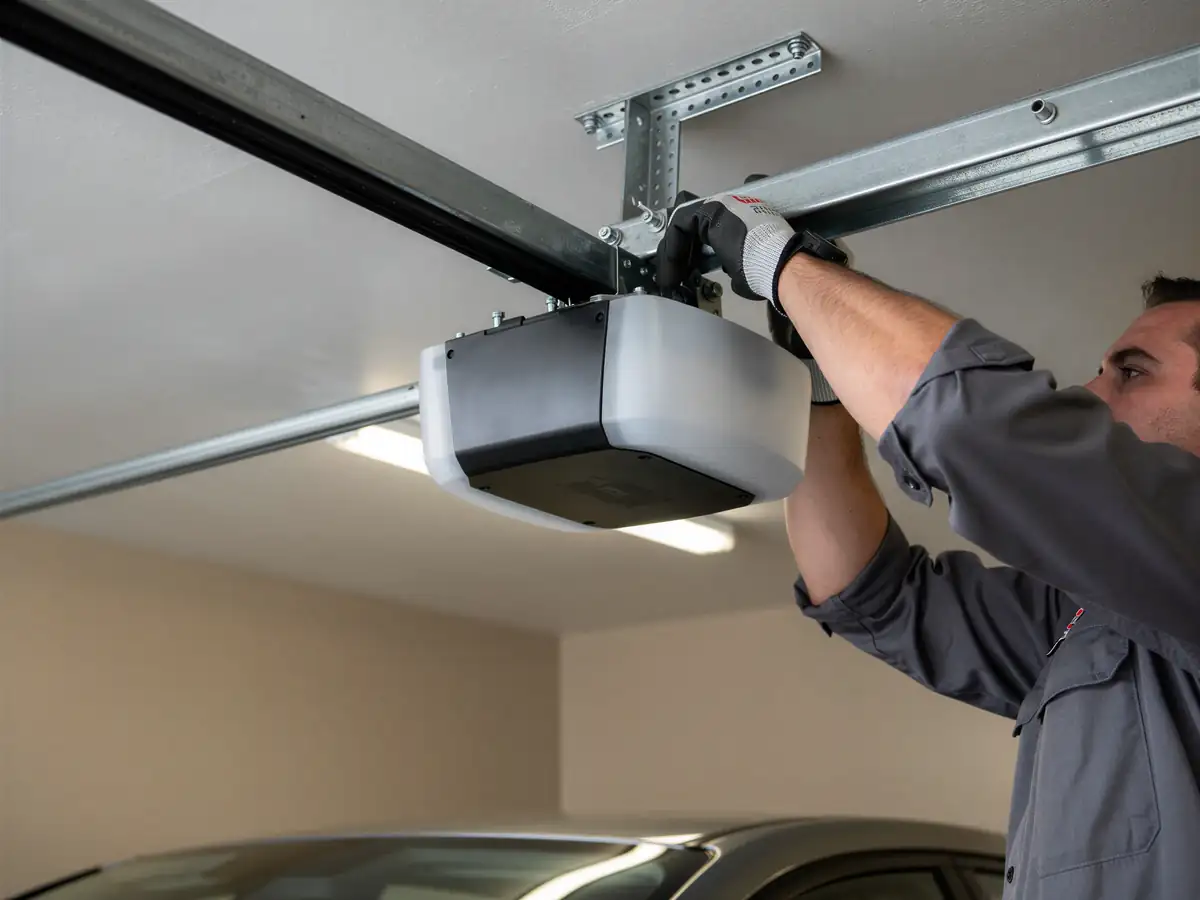
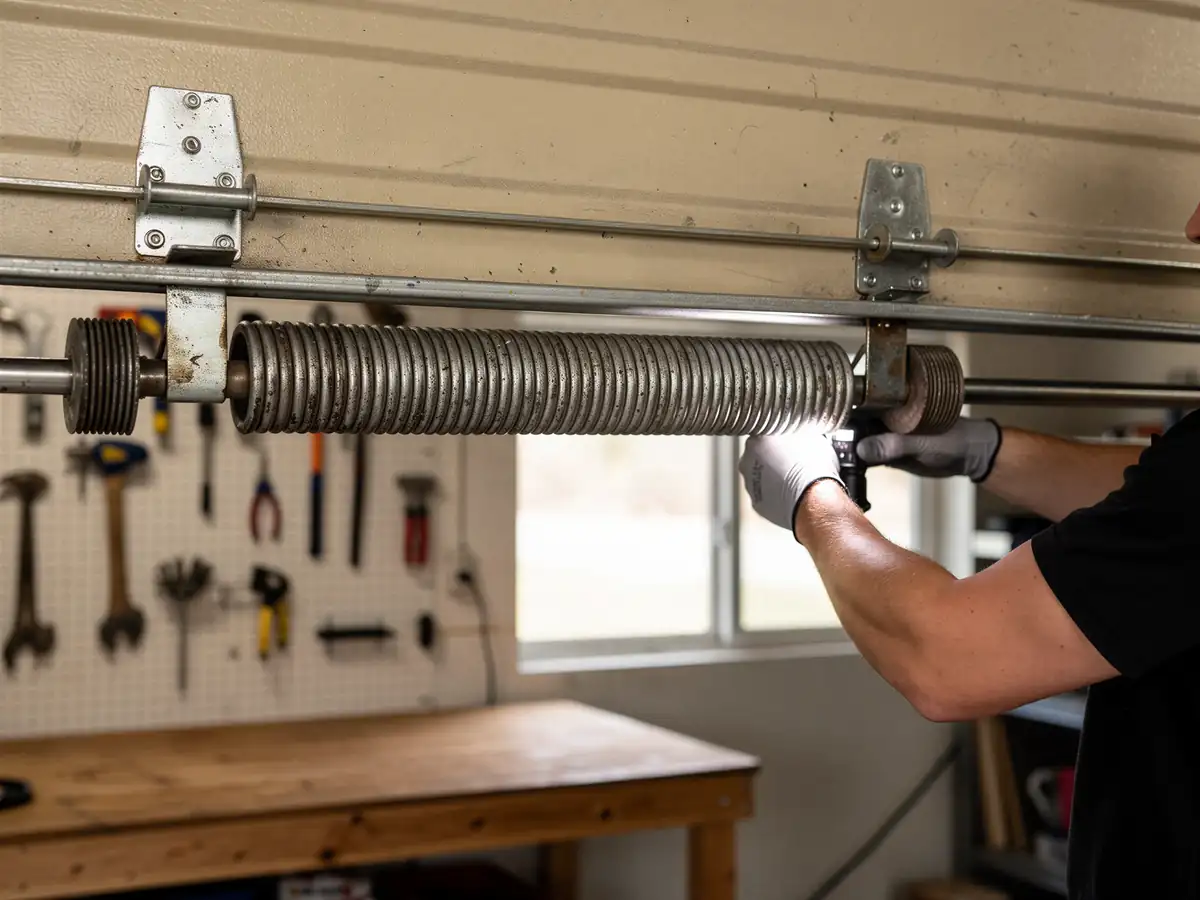
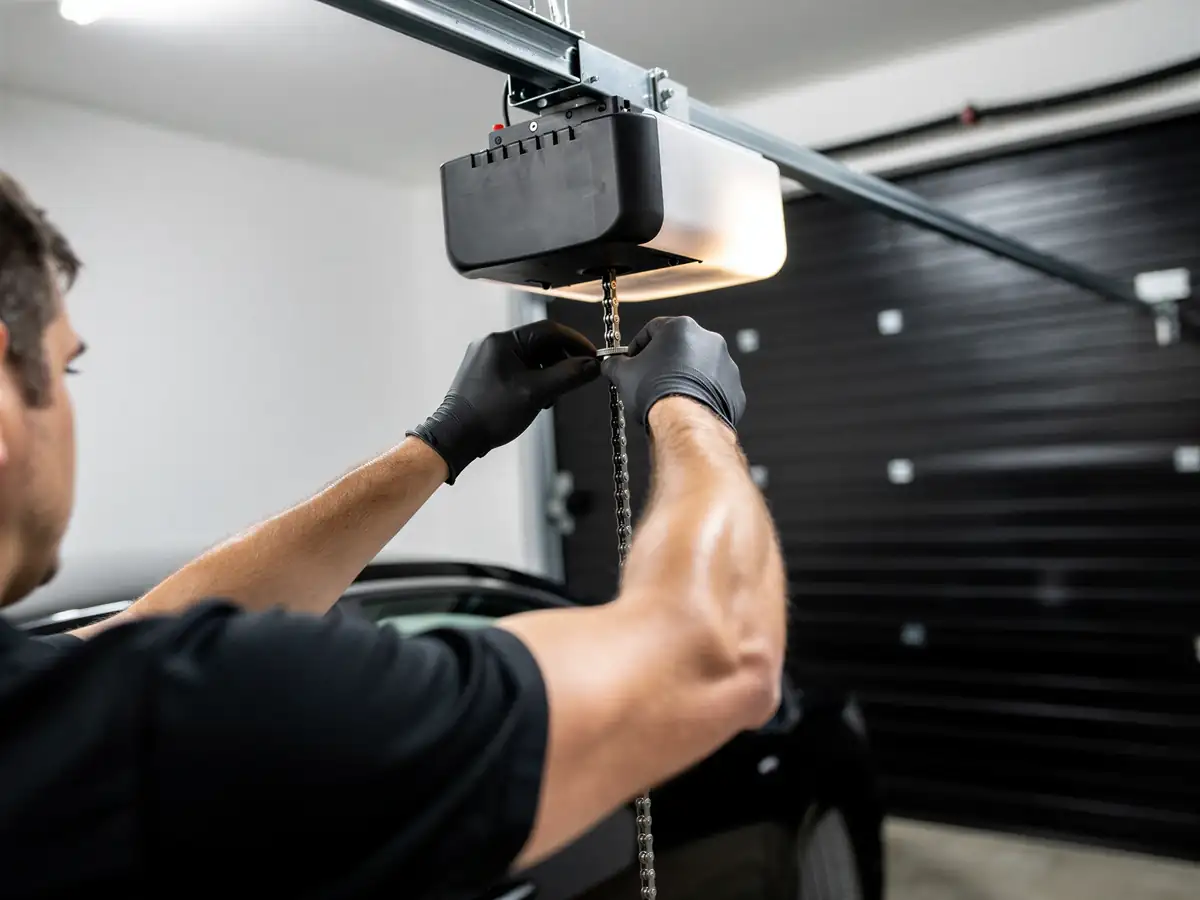
A fair number of opener problems in a town built mostly after 2001 are safety-sensor issues, not motor failures - the photo-eye sensors at the bottom of the track get bumped, knocked out of alignment, or caked with yard dirt, and the door refuses to close as a result. That one you can usually fix yourself: wipe the lenses, check they're pointed at each other, and see if the light stops blinking. Past that, we'd rather talk you out of opening the housing. Circuit boards and capacitors in a modern belt-drive opener aren't a torsion-spring job where the fix is mechanical and visible - a bad board usually means a board swap, not a repair, and guessing wrong on a part means a second trip either way. If the opener is original to a house built in the early 2000s, it's old enough that parts availability starts to matter more than labor.
How Long You Are Without the Door
Most opener jobs are a single visit once we're on site - diagnose, swap the part, test the cycle, done in under an hour of actual work. The variable for Lillington homeowners is the 13 miles between here and Fuquay-Varina, not the repair itself. If the fix needs a part we don't carry on the truck (a specific logic board for an older unit, say), that part has to be ordered and the door sits unopened - or manually lifted - until it arrives and we're back out. For most belt-drive openers installed in the last two decades, the common failure parts are the ones we stock, so the gap is usually the drive time, not a parts wait.
What Is on the Truck
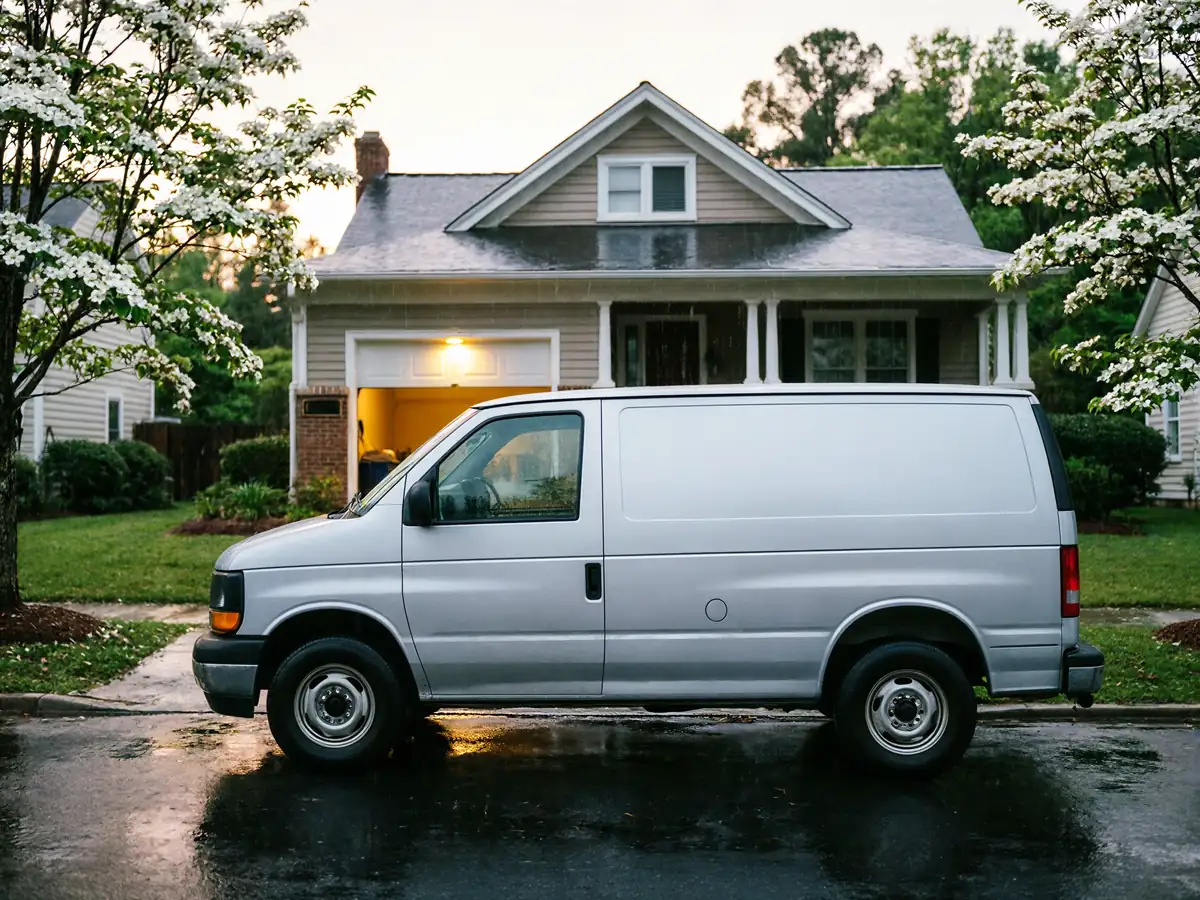
Because Lillington's housing mostly dates from after 2001, up to the 2002 end of the area's build-out, what we load for a Lillington call leans toward belt and chain-drive opener parts: circuit boards for common residential brands, drive gears, safety sensor pairs, and remotes, rather than the older screw-drive hardware you'd expect on a house from the 1960s or 70s stock elsewhere in the service area. The region sits in a cold-moderate climate band, which matters less for the opener itself and more for the door seal and weatherstripping it's paired with - we carry both on the same trip since a dead opener and a gap-letting seal often get noticed at the same time. What we don't carry is every obsolete control board for a 20-plus-year-old unit - those sometimes have to be special-ordered, and we'll tell you that up front rather than stall on site.