The DIY Question
The opener that's quitting on you in Buies Creek is probably not the same age problem you'd find on an older street in town
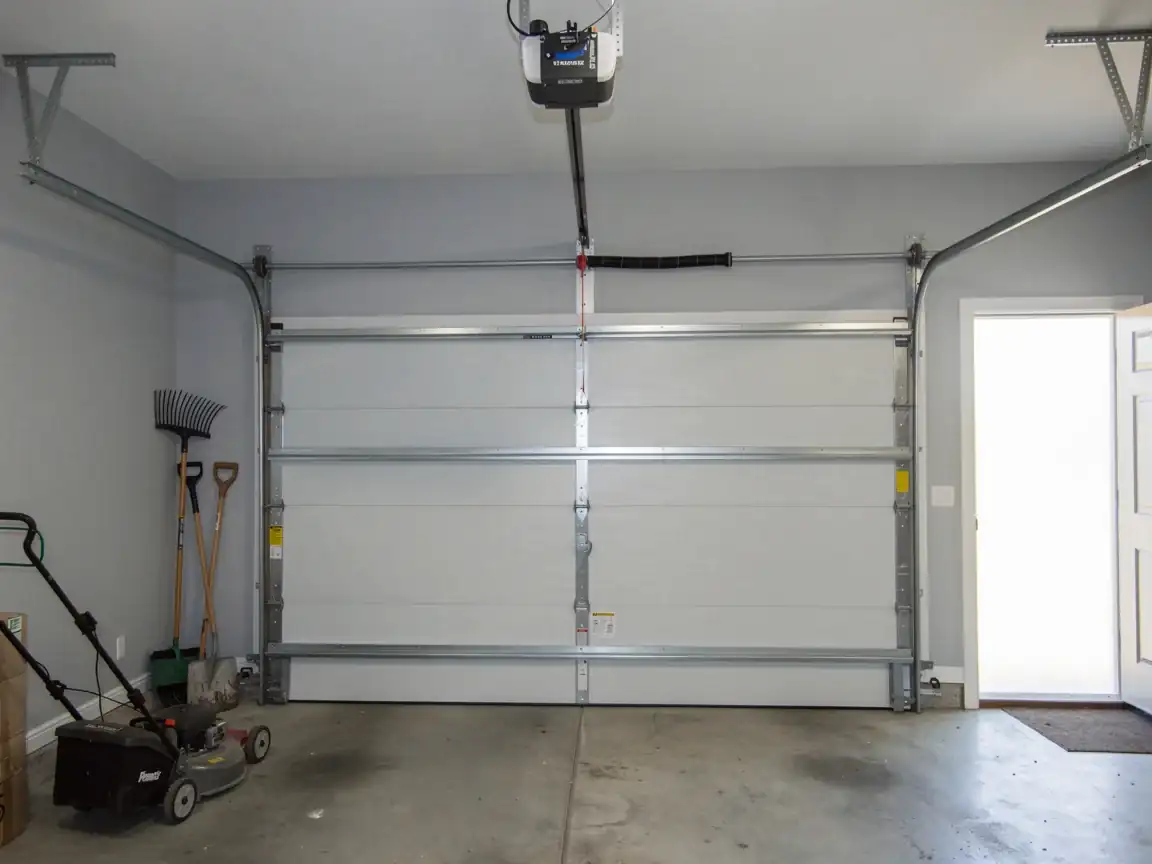
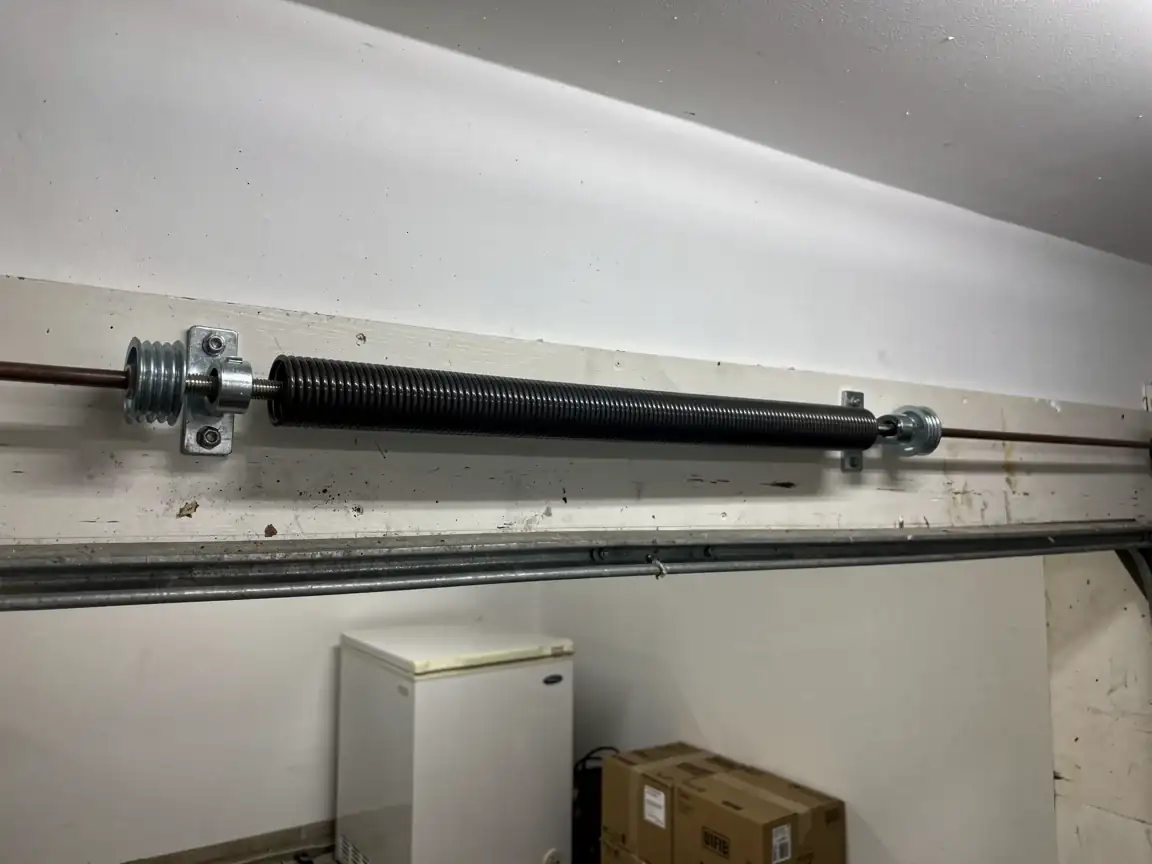
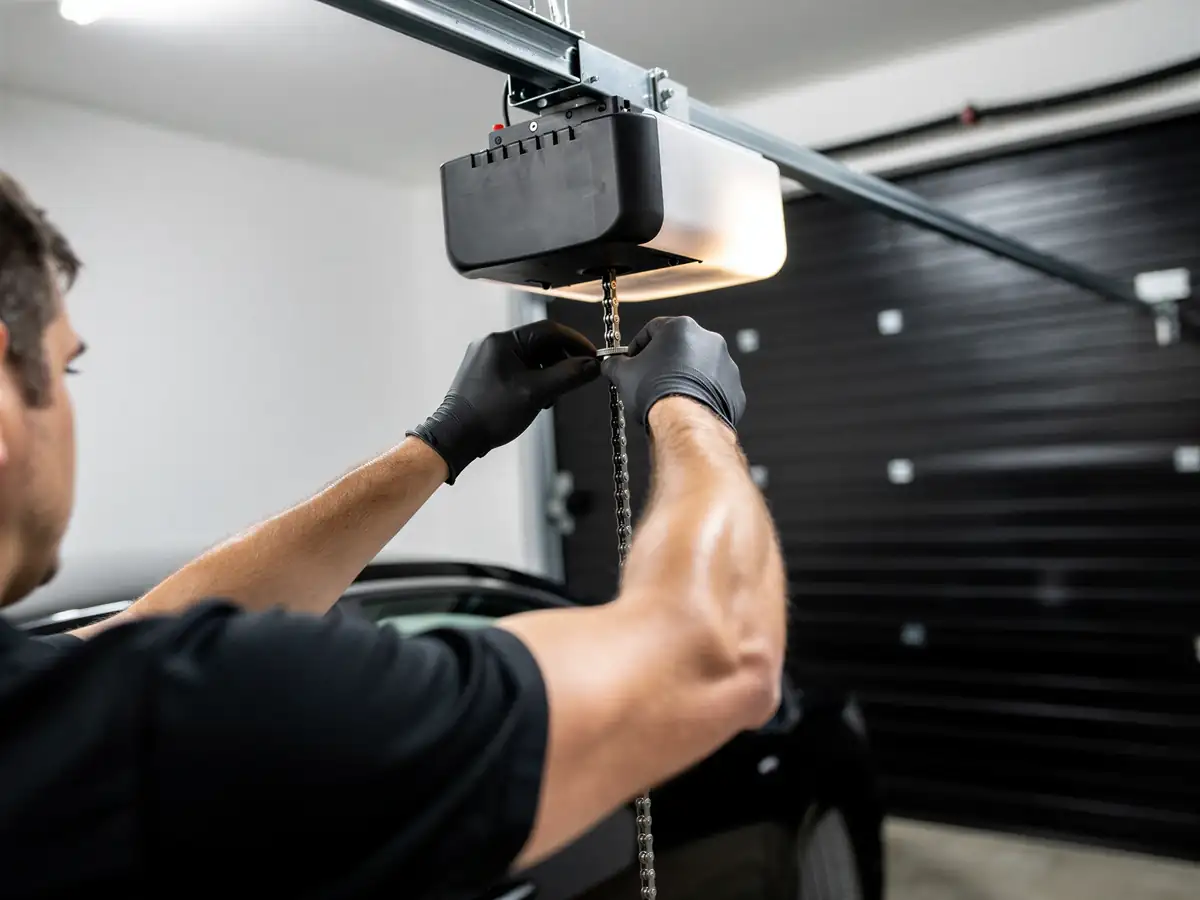
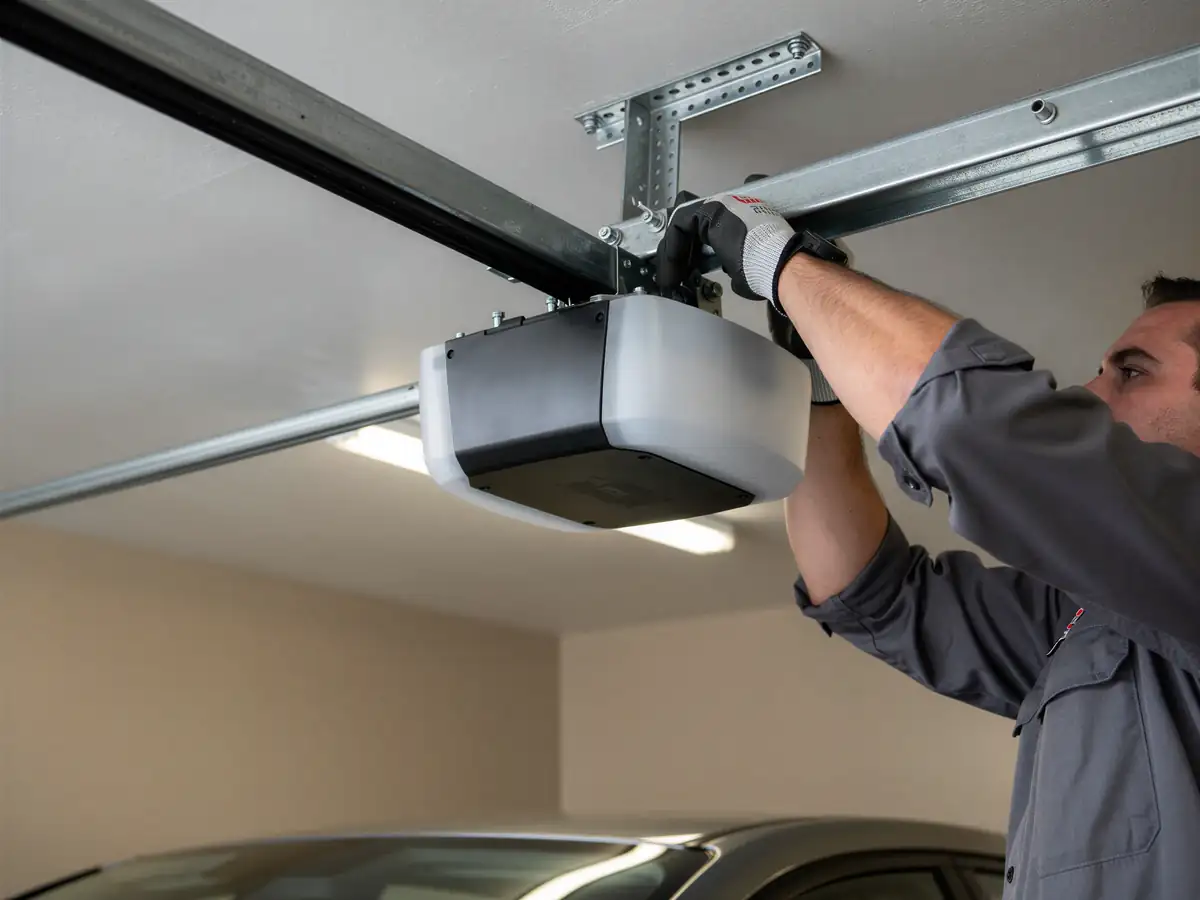
Median construction here runs around 2002, which means most garages already came with a factory chain-drive opener bolted in when the house was built. Twenty-plus years later, that's not a spring question - it's a logic board, a worn drive gear, or safety sensors that have drifted out of alignment. Swapping the unit yourself is doable if you're comfortable with electrical hookups and you can get the travel limits set correctly on the first try. Where people get stuck is wiring in a new safety sensor pair to match an older rail, or finding the belt-drive unit draws more amps than the old circuit was sized for. If the opener is original to a 2002-era build, you're not patching it - you're replacing a 20-year-old motor, and that's worth doing right once instead of twice.
If your garage is one of the newer builds going up around Buies Creek past that median year
The calculus flips again: you may just need a smart-opener swap, not a full rewire. Either way, know your house's age before you decide what tool to pick up.
What You Are Seeing
A chain or belt that runs but the door won't close past halfway. A light that blinks instead of staying on. A remote that works some days and not others. These are the symptoms of an opener nearing the end of its run in a house built in this window, not a spring or cable problem - those parts are separate and usually fine at this age. In a 2002-era build, the original opener's control board has been cycling for two decades in an unconditioned garage, through a cold-moderate climate that swings hard between summer humidity and winter freeze. Circuit boards don't love that swing. Neither do photo-eye sensors mounted low near the floor, where they catch condensation and dust.
If your door reverses for no reason, or the wall button does nothing while the remote still works, that's usually the board, not the door itself. Worth ruling out before anyone touches the track.
What Is on the Truck
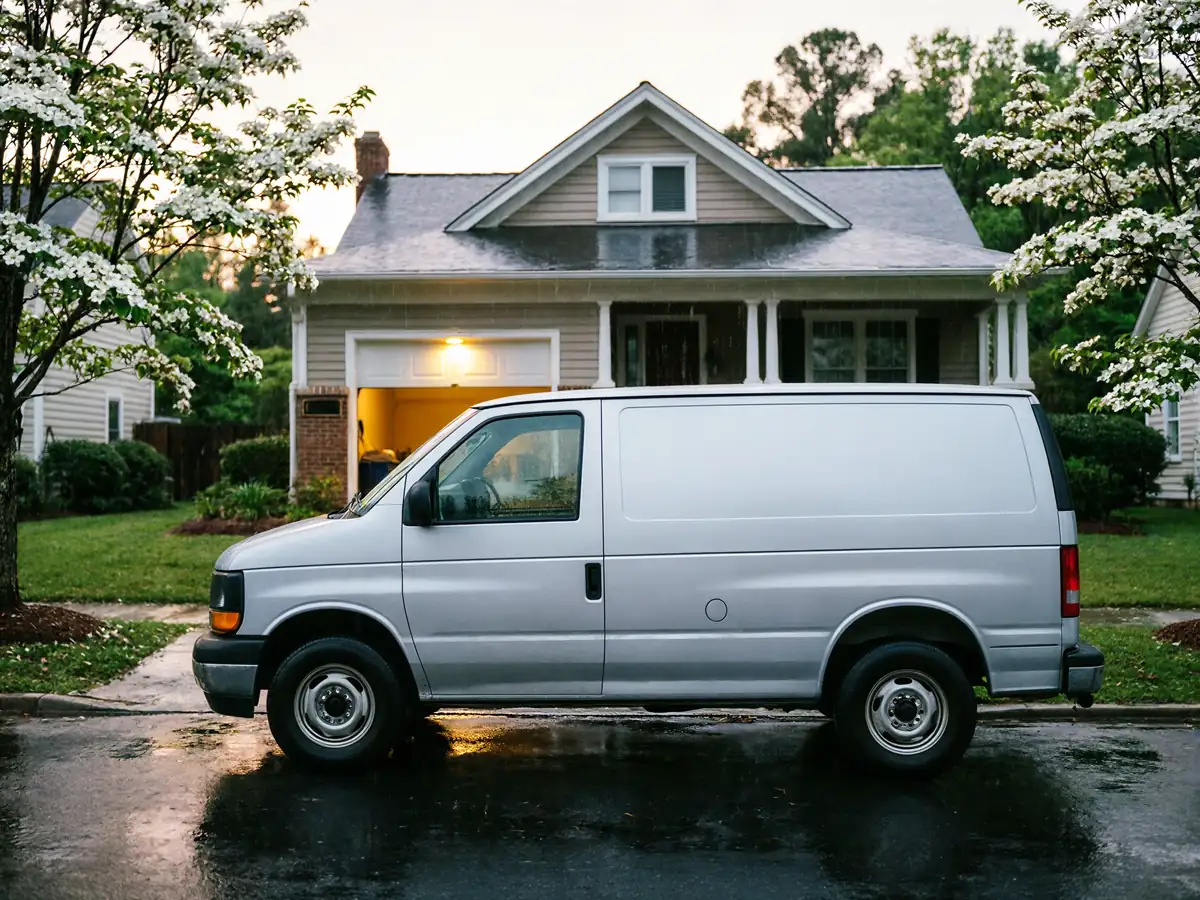
We come out from Fuquay-Varina, about 13 miles, with belt-drive and chain-drive openers on hand, plus the sensor pairs and wall consoles that match. For a house with a 2002-era factory opener, the fix is usually a straight swap onto existing rail hardware if the rail is in good shape, or a full rail-and-motor replacement if it's worn or undersized for a modern unit. We also carry battery backup units, which matter more here given the cold-moderate climate and the chance of a winter power blip right when you need the door to work.
We don't stock every proprietary remote on the market - if your old opener used a manufacturer-specific code system that's been discontinued, we'll tell you that up front rather than promise a match we can't deliver.
How to Book
Call or use the request form and tell us the age of the house and what the opener is doing - grinding, reversing, dead remote, whatever you're seeing. We schedule the drive out from Fuquay-Varina and bring options for both a motor swap and a full replacement so we're not guessing on-site. See our Buies Creek garage door repair page if the issue is the door itself rather than the opener, or check opener installation details for the Fuquay-Varina area for the broader service scope.
Where This Job Goes Sideways
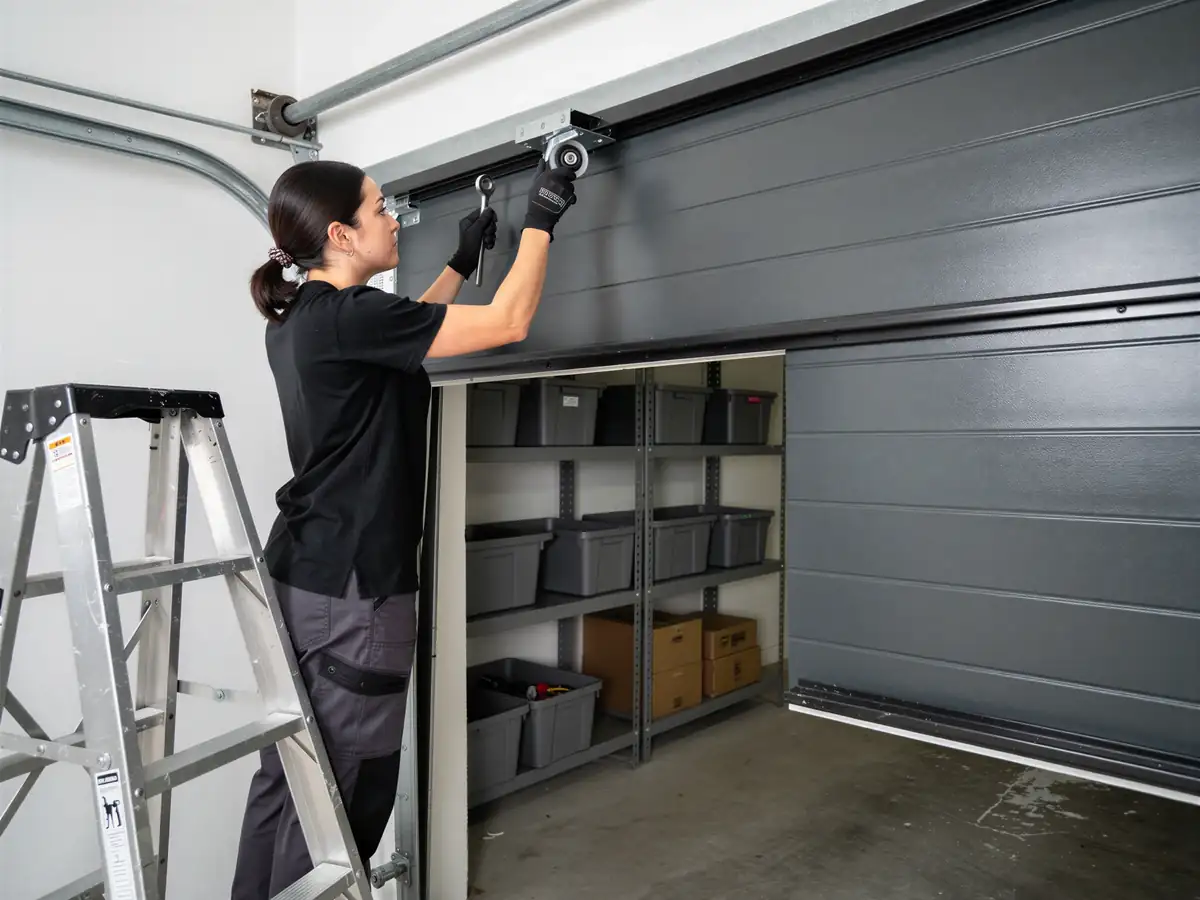
The mistake we see most in this part of the service area is replacing the opener and leaving a tired rail or an out-of-square door hanging off it. A new motor pushing against old rollers or a bowed track will wear out again fast, sometimes within a year. On a house from the 2002 era, the rail is usually fine - but if yours sits at the older end of local construction, check the rollers and track before paying for a new motor. The other spot this goes wrong: assuming every house in Buies Creek is the same age. With roughly 1,011 households here and builds spanning decades, the right fix for your neighbor's garage might not be the right fix for yours.