The DIY Question
Start with the number that actually decides this
Coats' median household income is $38,098, well below the $52,458 median across the wider Fuquay-Varina service area. That gap matters because a new garage door install is a bigger up-front number than a spring or cable repair, and on a tighter budget the math has to pencil out before the job makes sense.
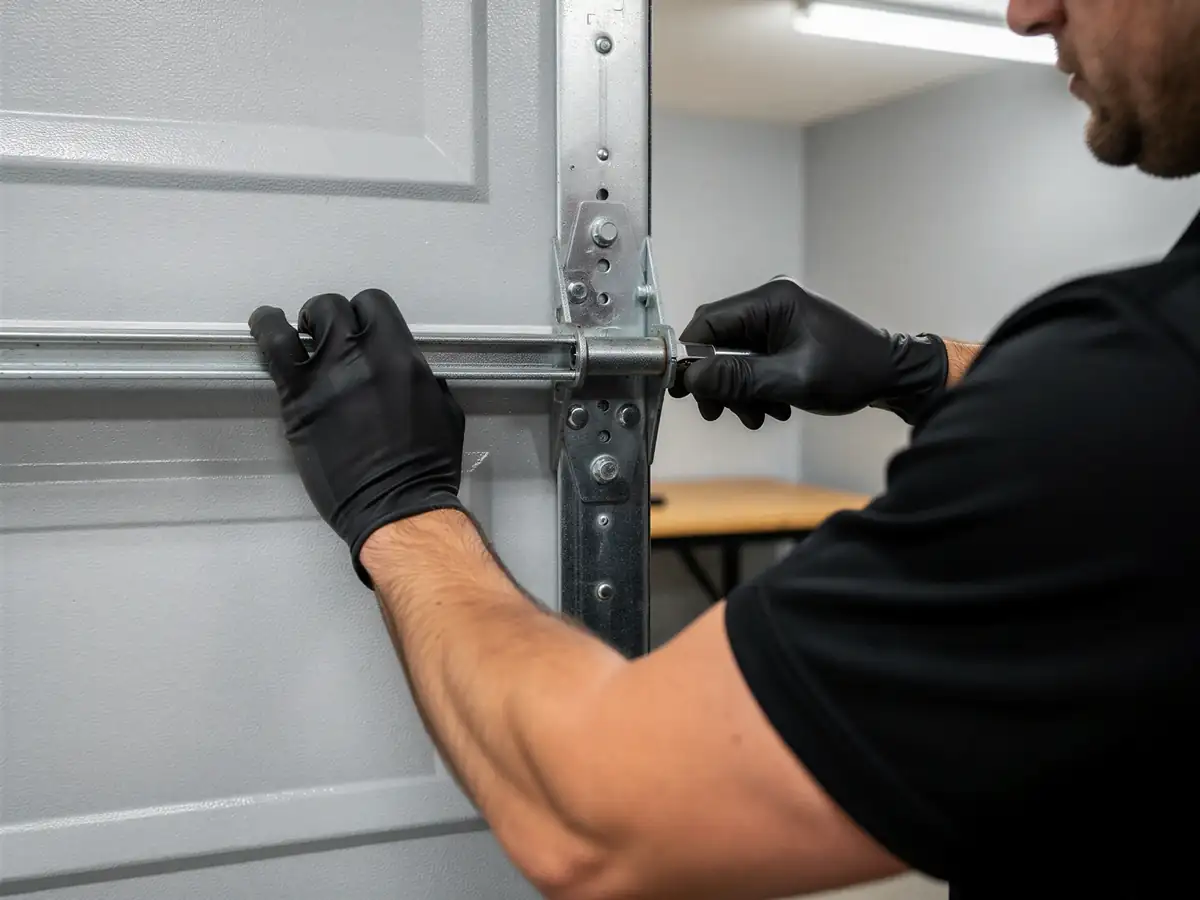
So the real DIY question in Coats usually isn't "can I swap this panel myself," it's "does this door need replacing at all
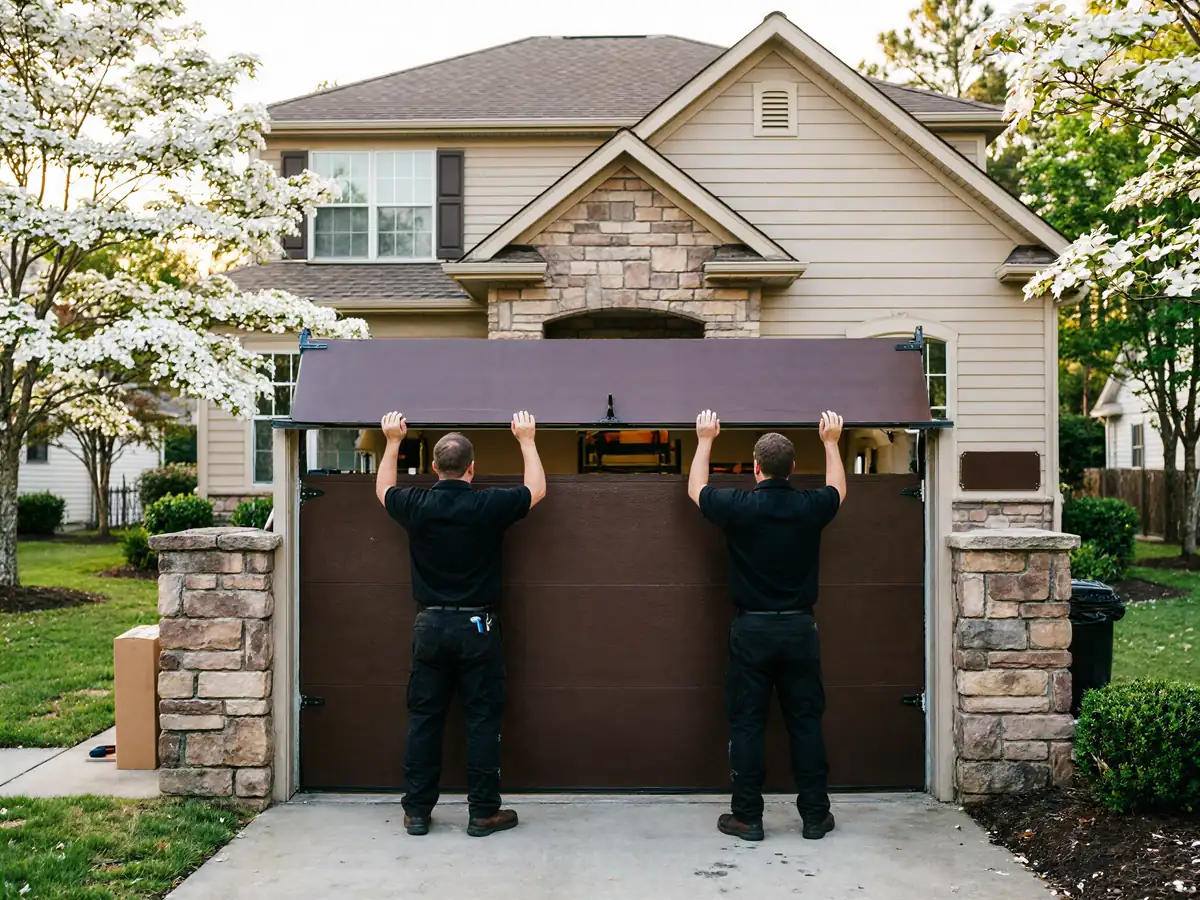
Or is it one broken part on an otherwise sound frame." If the track is straight, the jambs aren't rotted, and it's a spring, cable, or opener gone bad, repair is almost always the cheaper and faster answer - that's the job for our repair page, not this one. A full new-door install earns its cost when the door itself is failing: rusted-through panels, a section that won't seal, or hardware so old that parts are special-order every time something breaks. On a $38,098 median income, we'd rather tell a homeowner the truth about which side of that line they're on than sell a door that wasn't needed yet.
How to Book
There's no local depot in Coats - every install here is a 14-mile run from our shop in Fuquay-Varina, scheduled in advance rather than same-day. That's worth knowing up front: we're not driving past on a route, we're coming specifically for your job, so give us a call and we'll set a date that works instead of promising a window we can't back up from a town this size.
If what you've got is a single broken spring, a dead opener, or a door that's come off its track rather than a door that needs full replacement, start on our Coats repair page instead - it'll get you to the right fix faster. If you want to see how a full new install is priced and handled across the whole service area, the Fuquay-Varina installation page covers that. This page exists for the in-between decision: whether Coats' housing age and income level point you toward repair or toward a new door, and what that new door should look like if you go that way.
Why It Happens Here
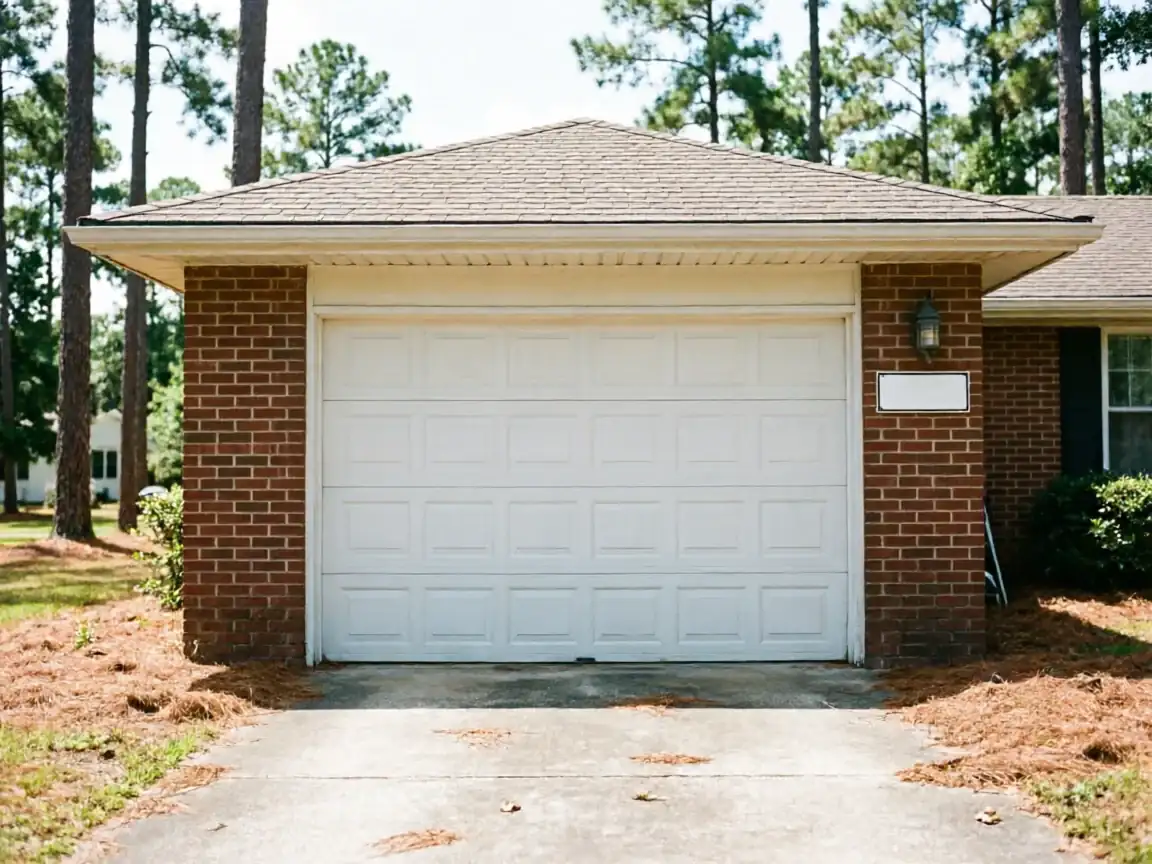
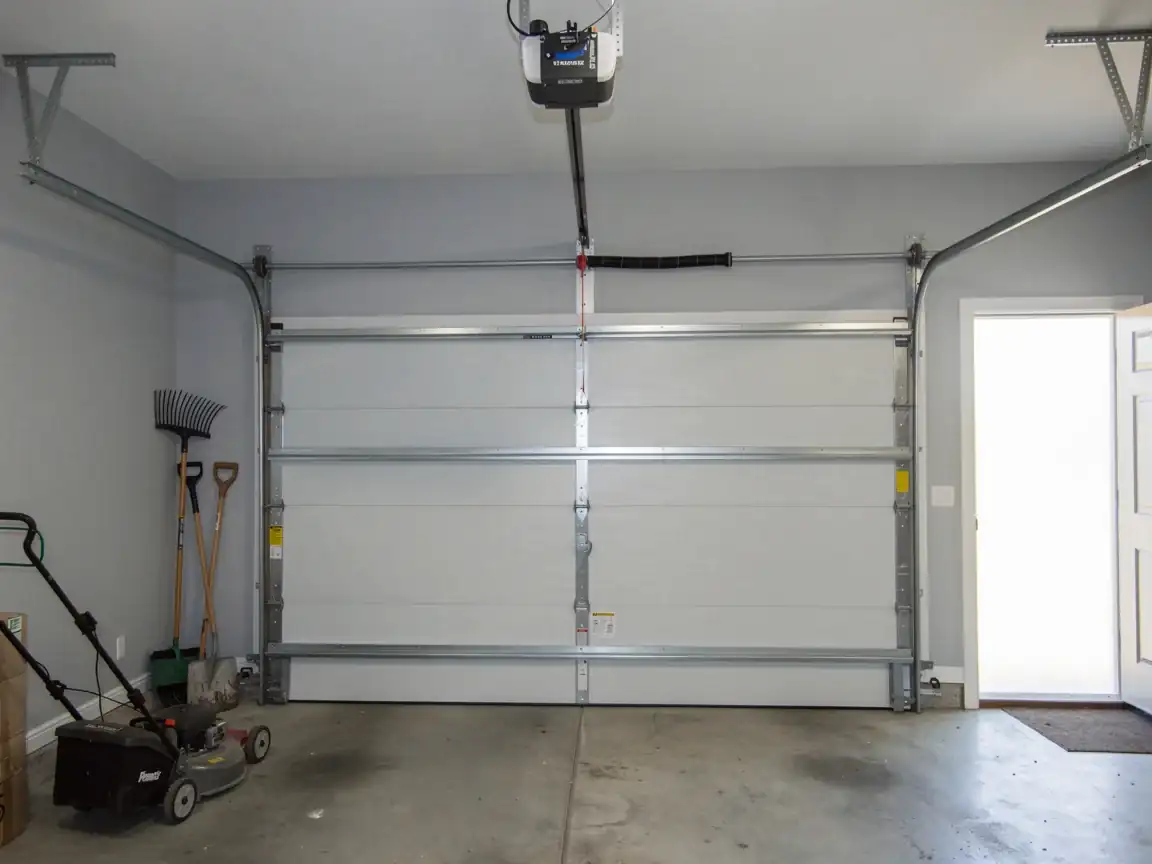
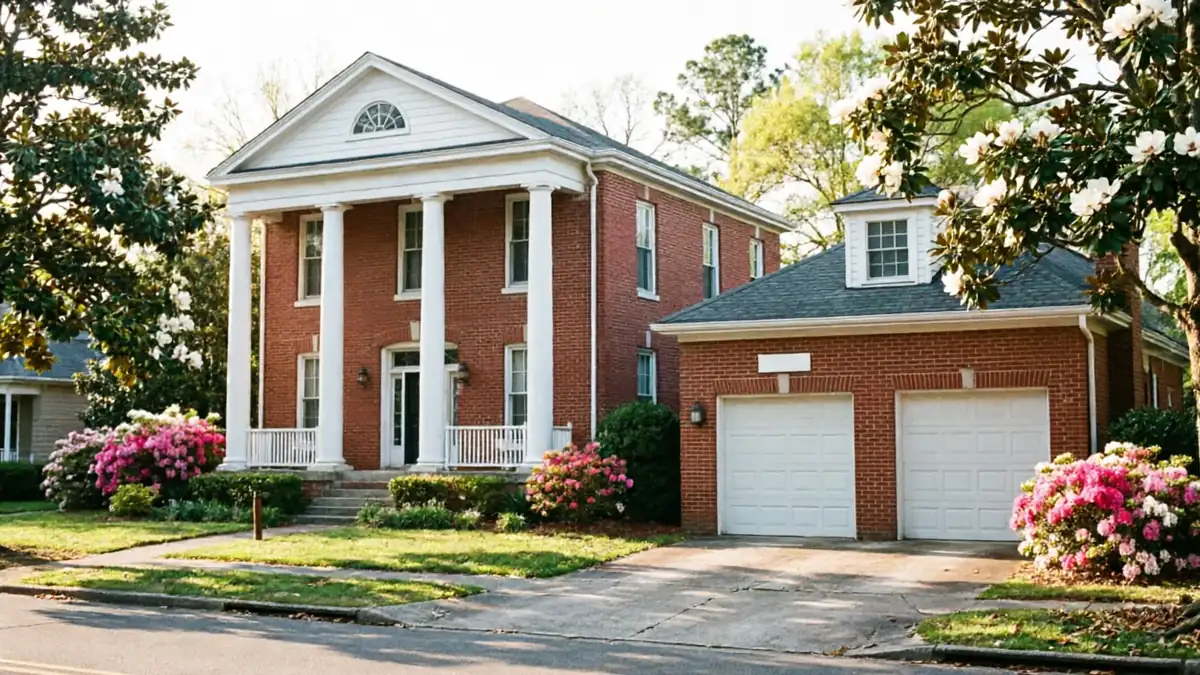
Coats' housing stock centers on 1977, right in the middle of the broader 1959-2002 range we see across this service area. A door installed when a house was built in the late '70s is now pushing fifty years old, and on steel doors from that era that usually means a single uninsulated layer, no thermal break, and hardware sized to specs manufacturers stopped stocking parts for long ago.
The climate here is cold-moderate, which over decades works on a door's weak points the way it does everywhere in this band: steel contracts and expands at the seams, non-insulated panels sweat and rust from the inside, and torsion springs rated for a lighter original door get asked to lift a warped, heavier one. None of that is specific to any one house - it's what happens to a door built for a 1977 opening after forty-plus years in this climate. By the time a homeowner in Coats is calling about a door that won't seal or won't lift evenly, the door itself is usually the problem, not just one part on it.
What Is on the Truck
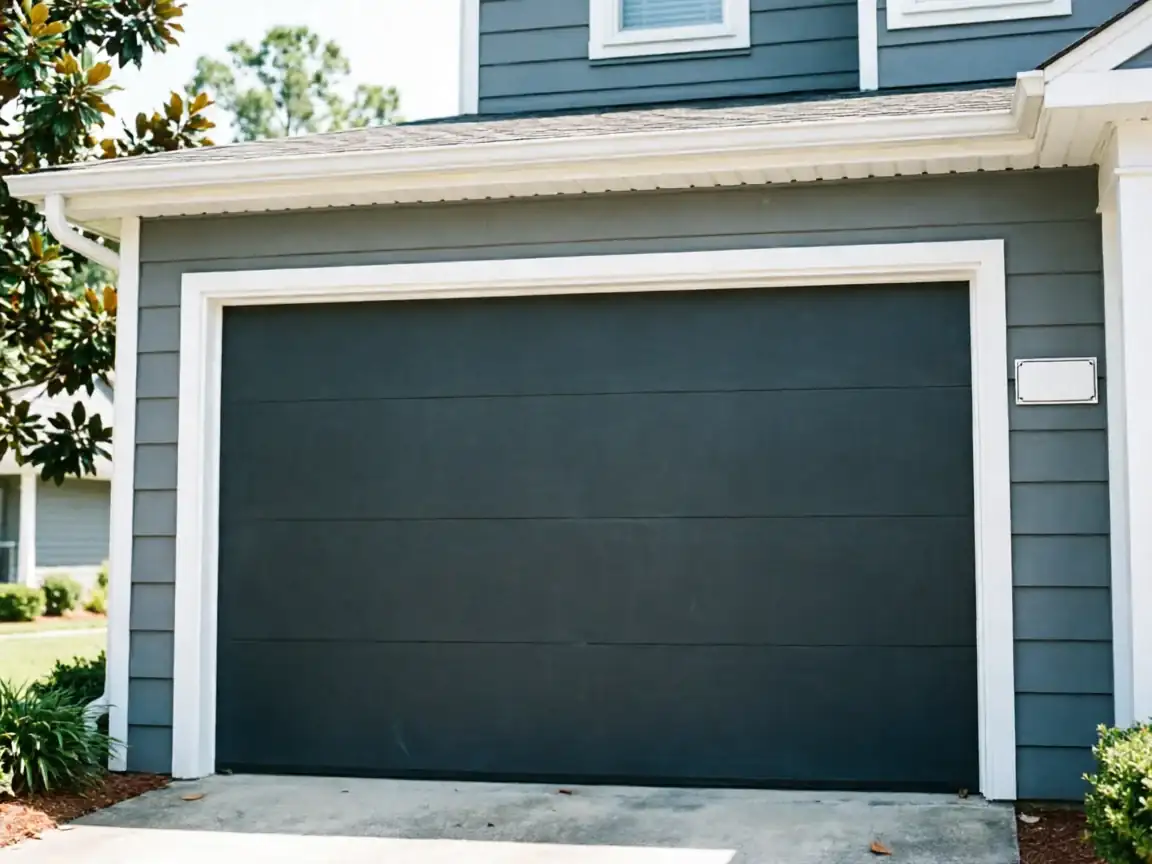
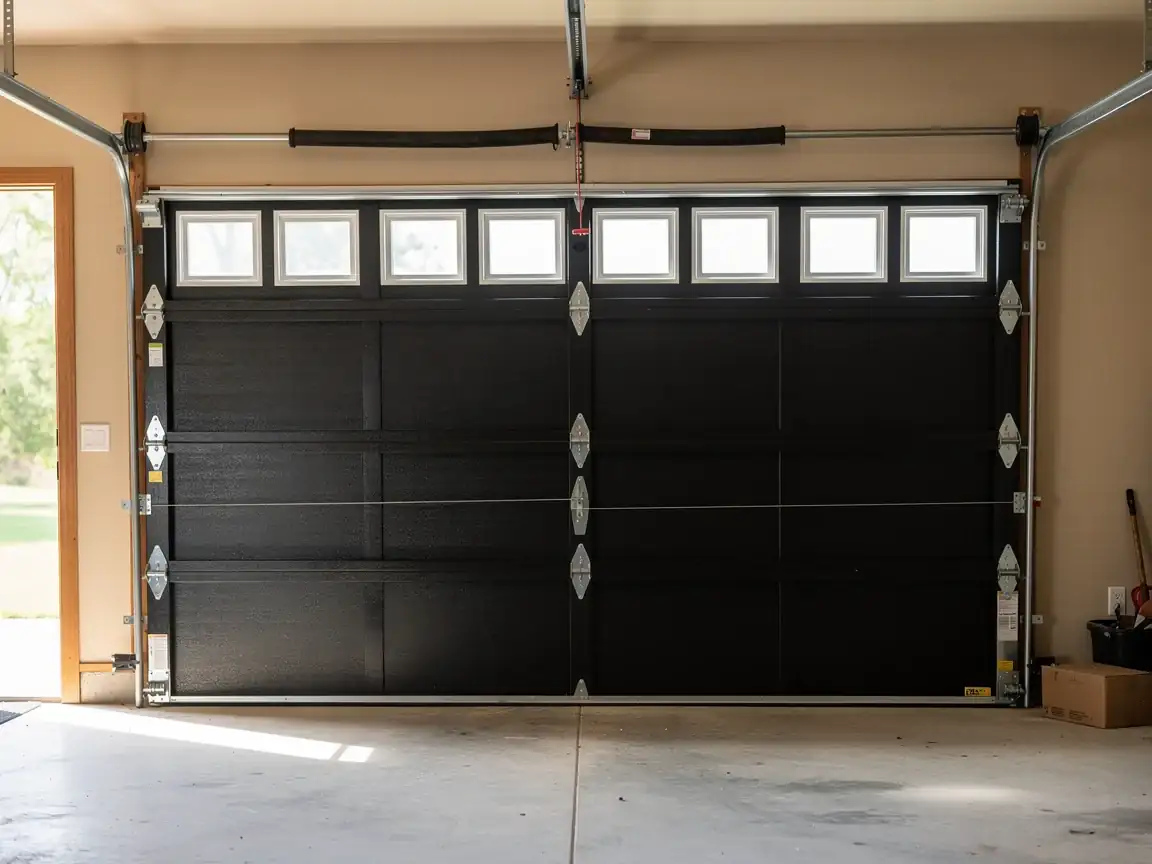
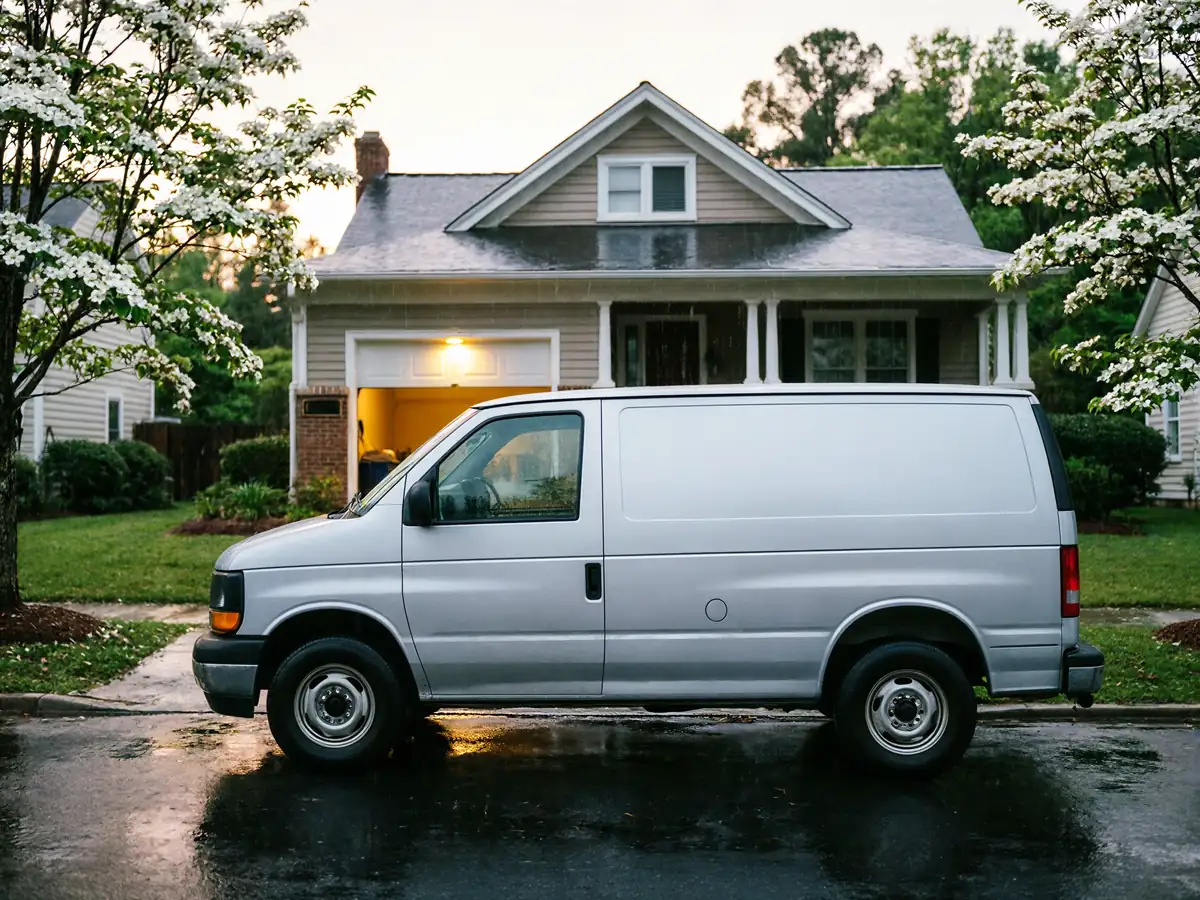
For Coats jobs we carry standard residential widths and the insulated panel options that make sense in a cold-moderate climate band
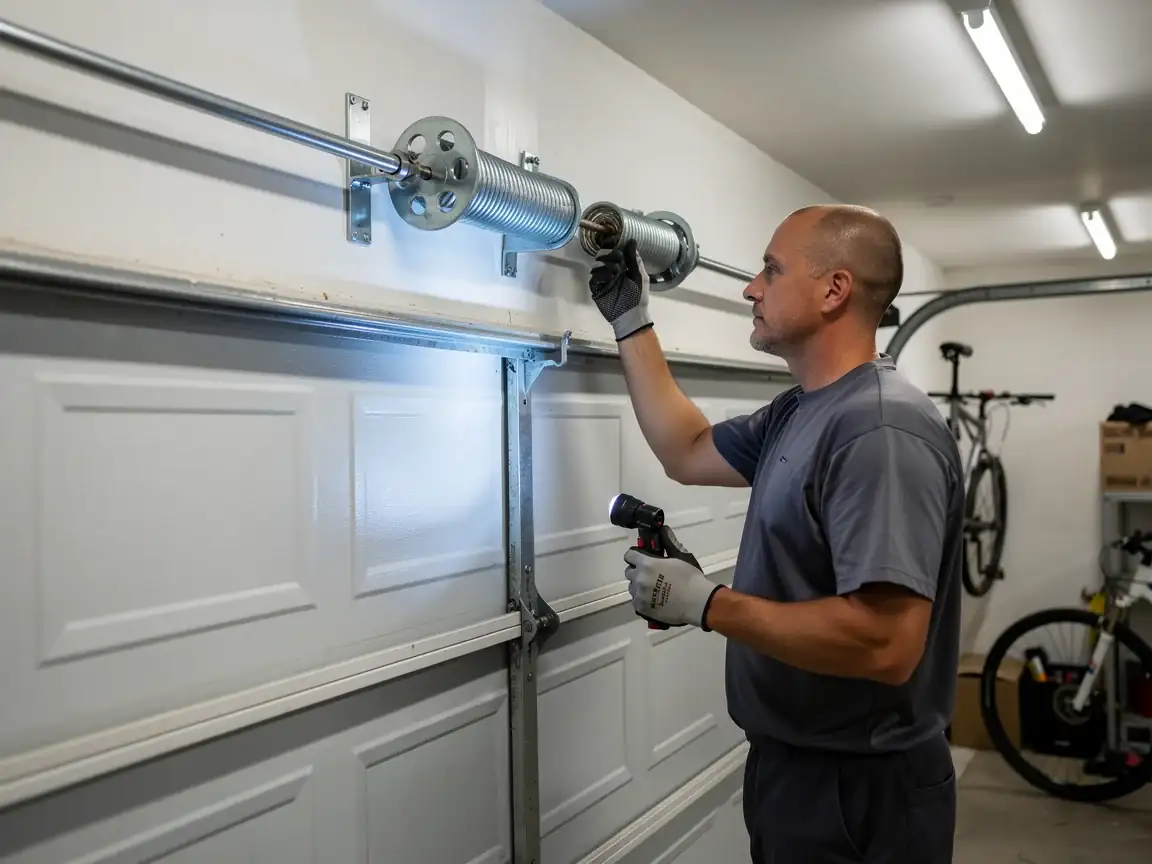
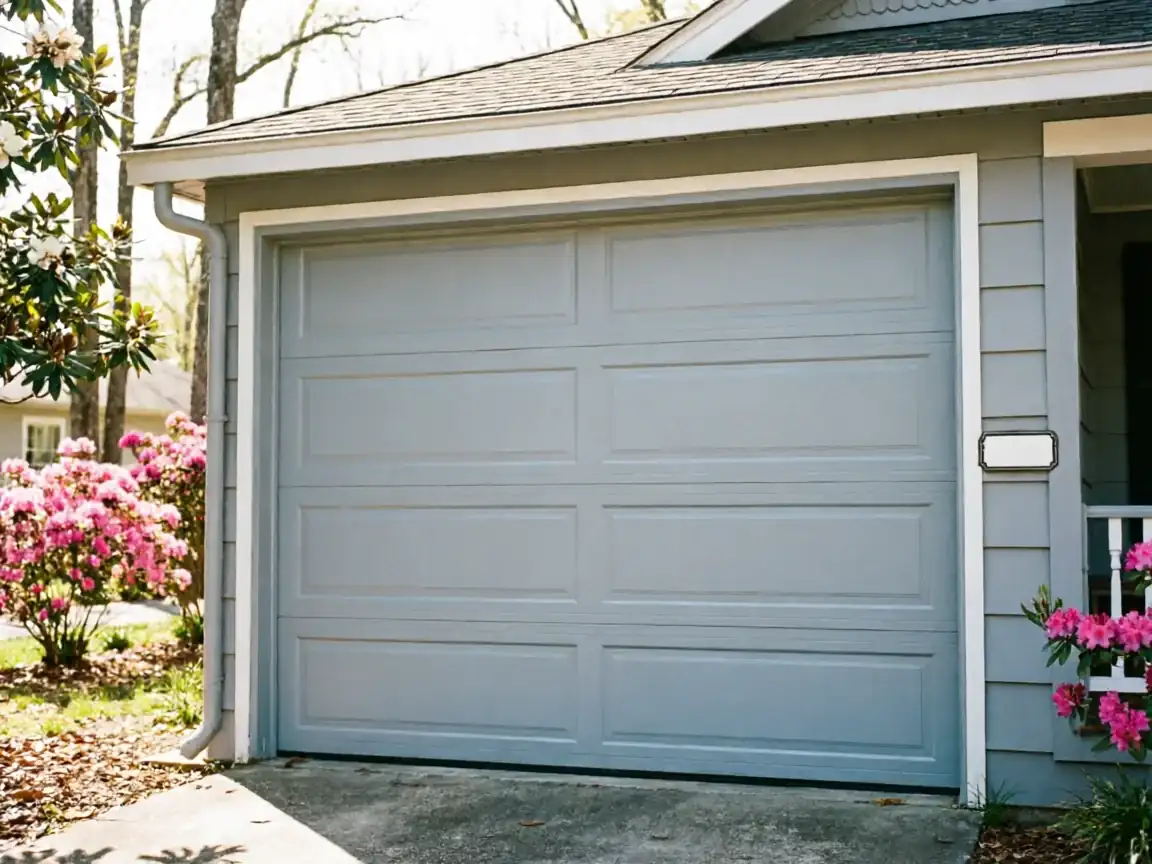
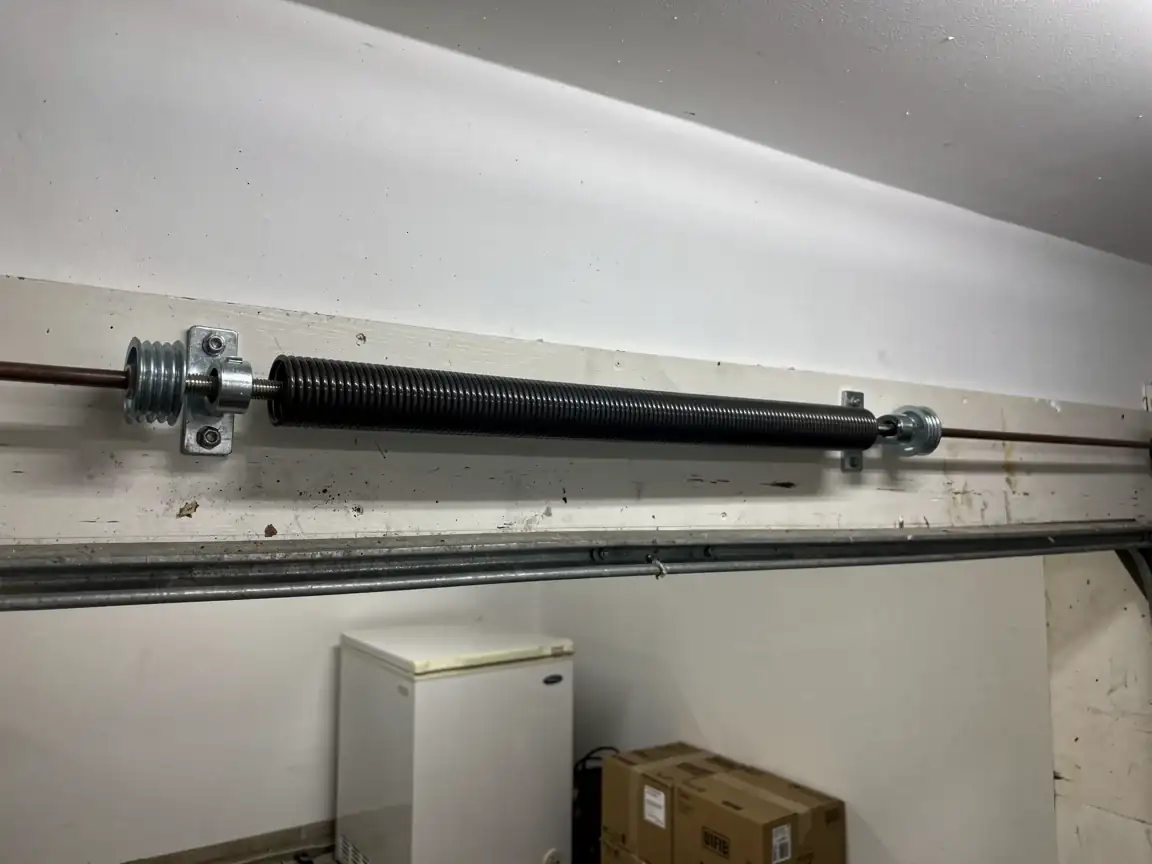
Thicker doors with a real thermal break, since that's what holds up against the seasonal swings this area sees. We also carry torsion spring sets sized for both lighter single-layer doors and heavier insulated replacements, since swapping door weight without matching the spring is how you end up back at the house in a month.
Here's the honest limit
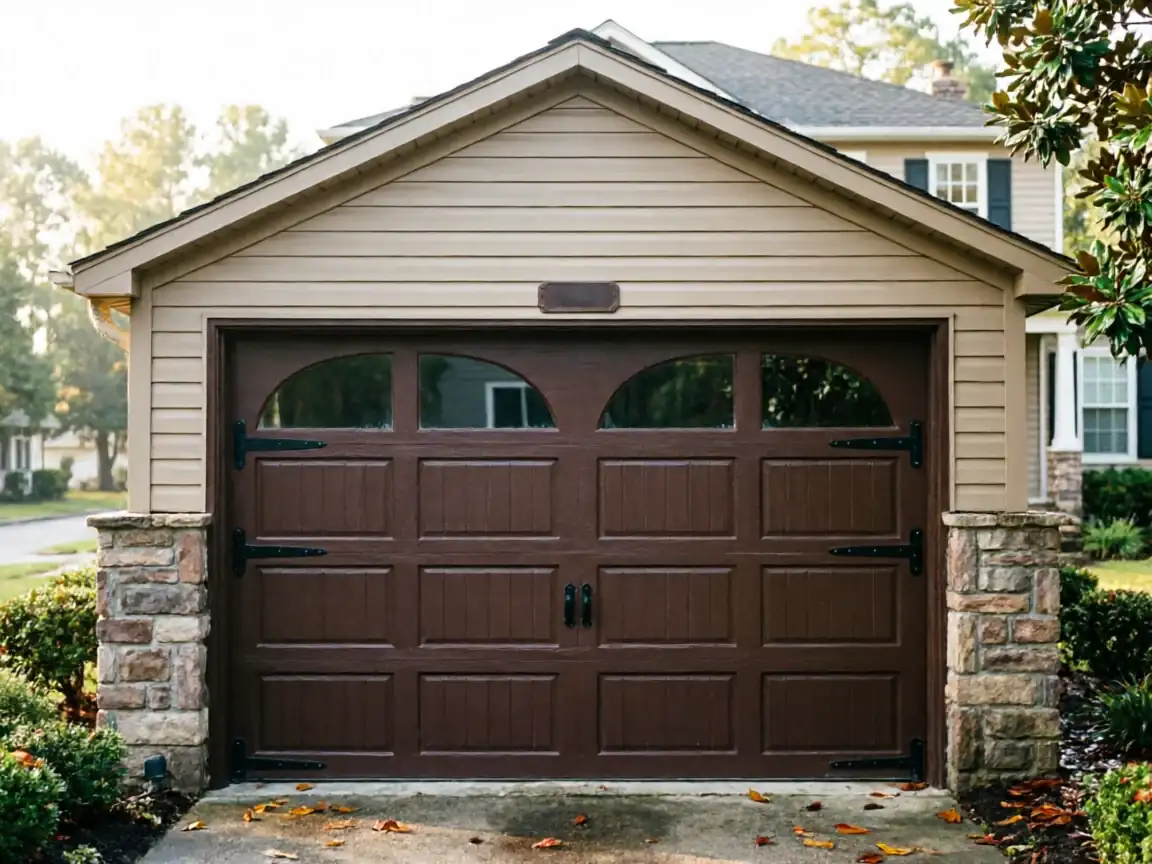
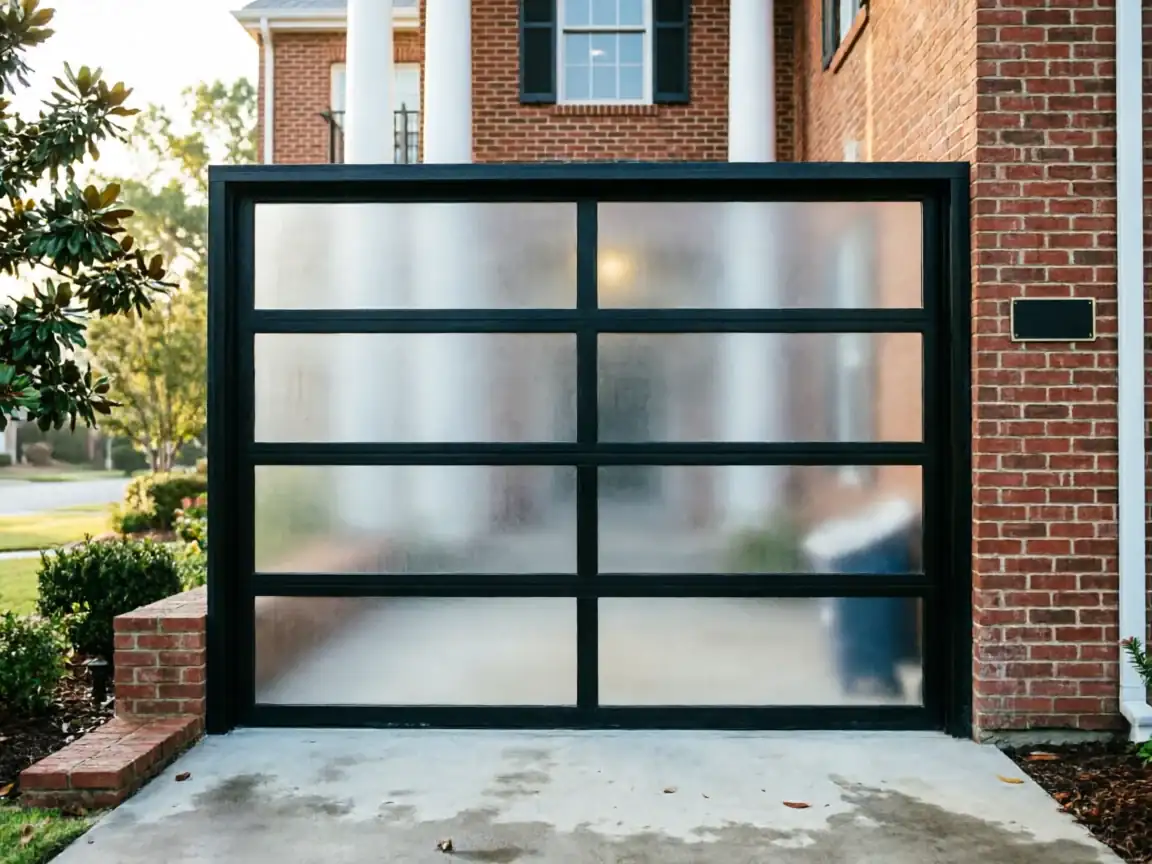
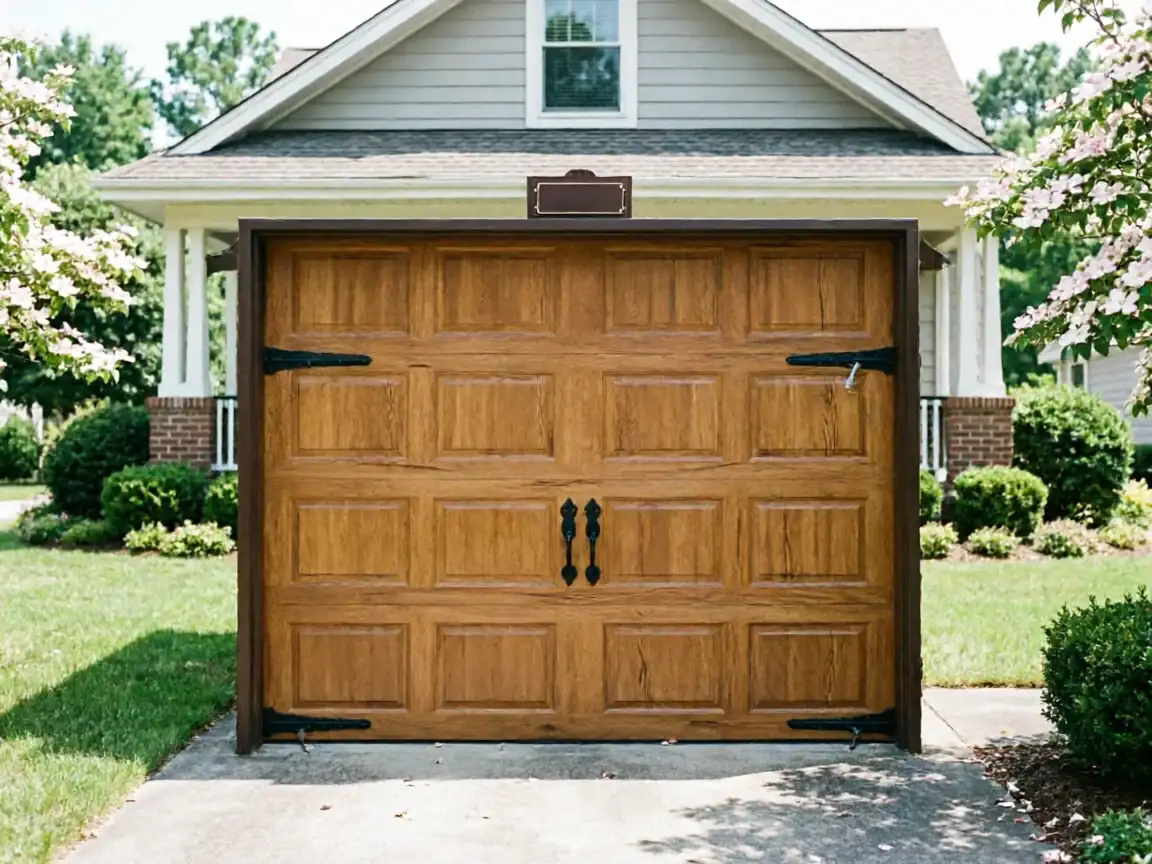
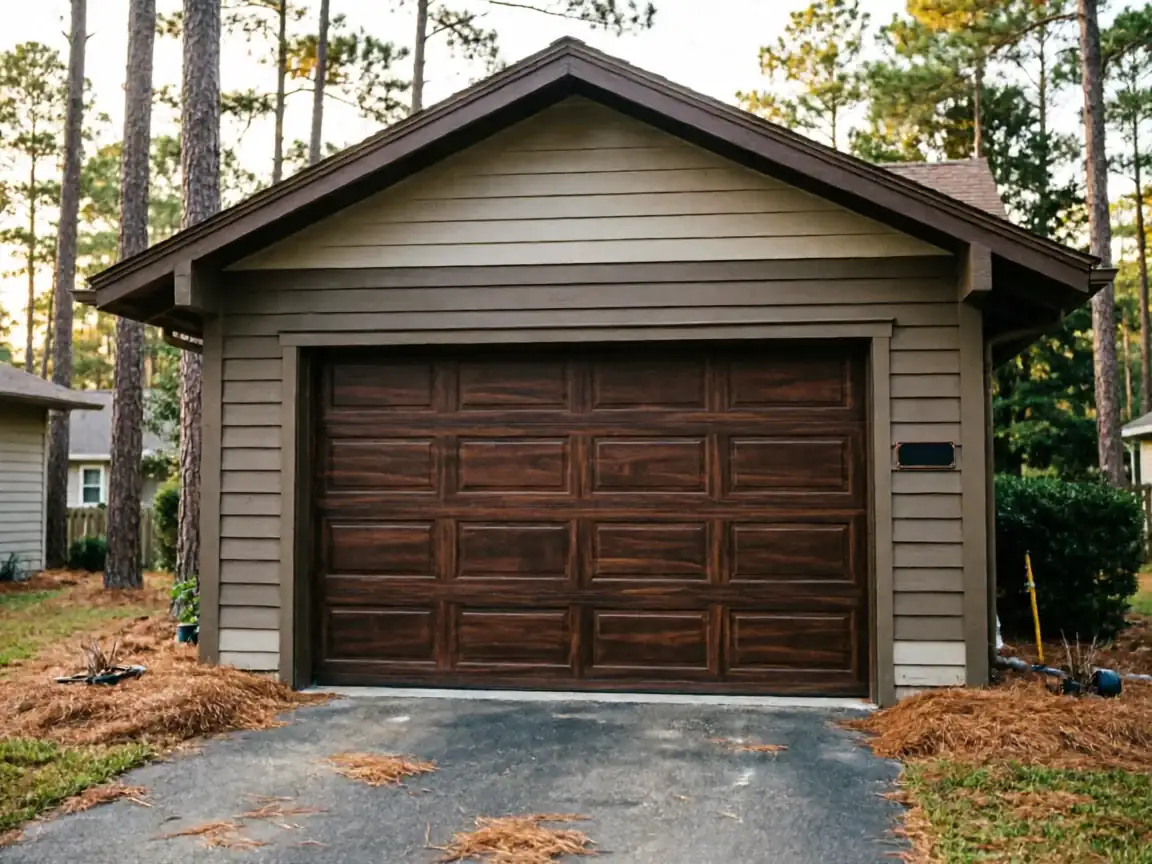
We don't carry every custom size, wood-look composite, or specialty color on the truck, and on a budget like Coats' median income, we'd rather point that out before you pay for a special order you didn't need. Most of the openers we install are stock models rated for standard residential doors - if your opening is an odd width or height, that's a measure-first, order-second job, not a same-visit swap. We'd rather tell you that on the phone than after we've made the drive.